💡 3 Key Points
- A confined space is defined by hazard, not structure.
- The fatality rate in confined space accidents was 42.3% over 2015–2024.
- Korean regulations now mandate gas detector provision and 3-year data record retention.
What Is a Confined Space? Legal Definition
Under Korea's Occupational Safety and Health Standards Rules, a confined space is any location where risks of asphyxiation, fire, or explosion due to oxygen deficiency or hazardous gases exist — regardless of physical enclosure.
Acceptable Air Quality Standards
| Gas | Acceptable Range |
|---|---|
| O2 (Oxygen) | 18% ≤ O2 < 23.5% |
| CO2 (Carbon Dioxide) | Below 1.5% |
| CO (Carbon Monoxide) | Below 30 ppm |
| H2S (Hydrogen Sulfide) | Below 10 ppm |
| Flammable Gas (EX) | LEL 10% or below |
Accident Statistics (2015–2024)
Source: Ministry of Employment and Labor, announced May 2025.
Regulatory Update: Equipment & Data Retention Now Mandatory
| # | Key Amendment |
|---|---|
| ① | Mandatory provision of gas concentration measurement equipment |
| ② | 3-year retention of measurement and assessment records |
| ③ | Enhanced worker safety training requirements |
| ④ | Mandatory 119 reporting obligation for safety monitors |

Recommended Gas Detector: EDW500
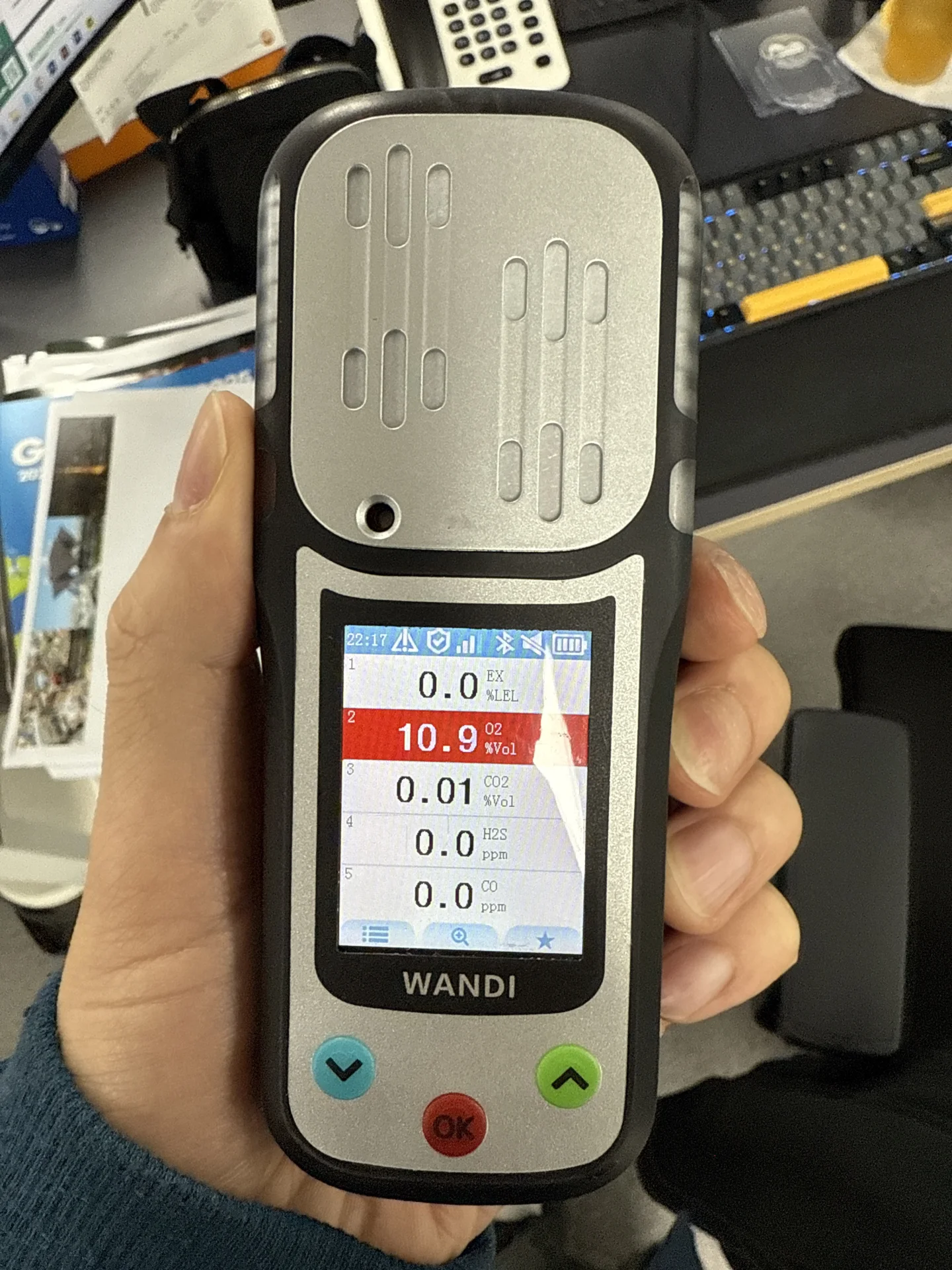
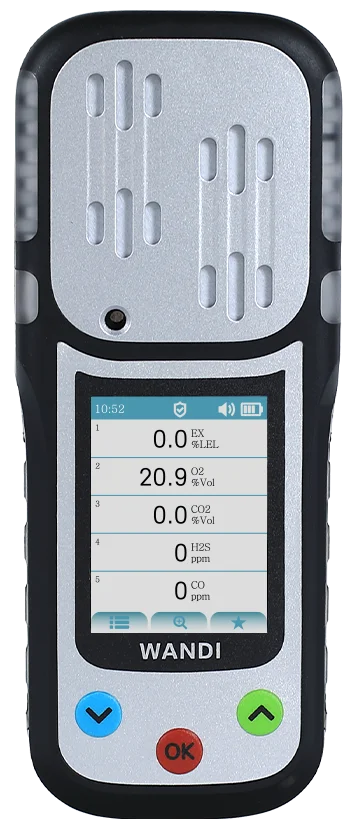
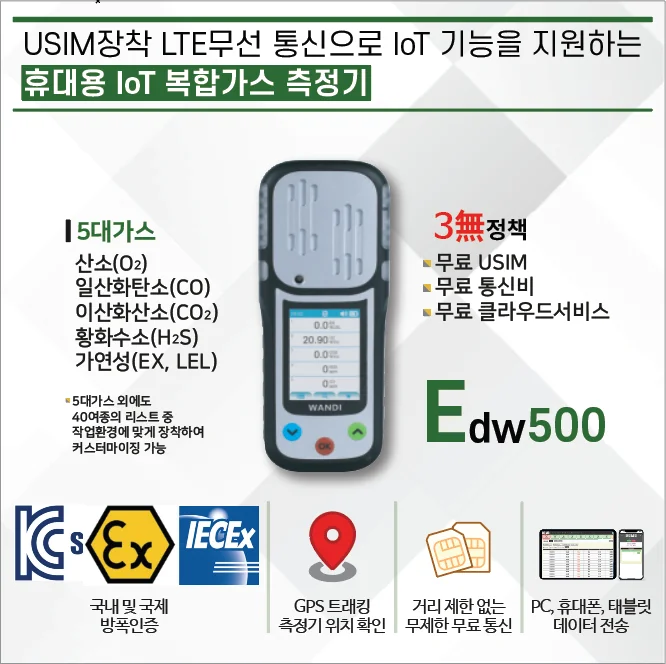
- Simultaneous measurement of 5 gases: O2, CO, H2S, CO2, LEL
- Built-in SIM — no separate Wi-Fi needed. SIM/data/cloud fees all free.
- Auto-saves every 1 minute (adjustable 1 min to 1 hour); Excel/PDF export + auto email reporting
- Real-time alarm to PC/smartphone on threshold exceedance
- In-house calibration and A/S; within 5 business days after receipt
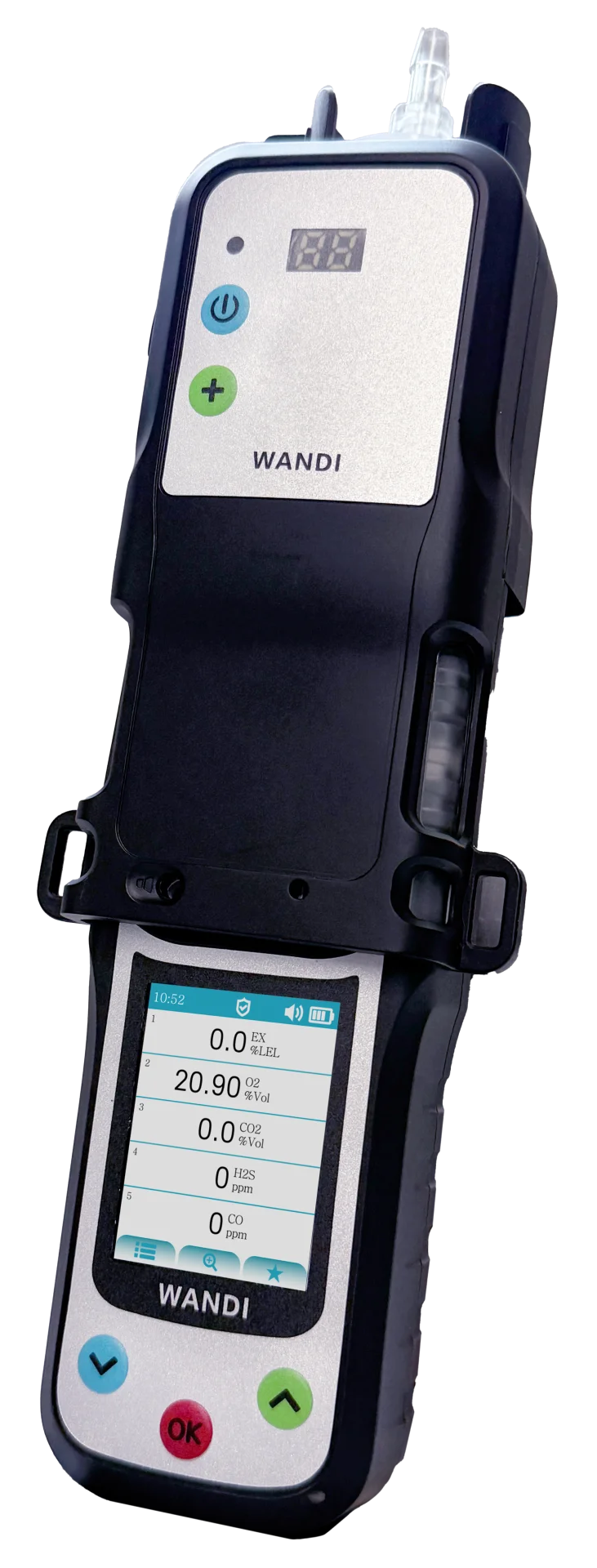
- Applicable to manholes, septic tanks, water tanks, storage tanks, etc.; compatible with pump for pre-entry measurement
⚠️ Data Retention Notice
DCMS cloud storage retains data for 3 months. However, the automatic email reporting service sends measurement data to the registered administrator email every 3 months, so simply keeping those emails is sufficient to meet the legal 3-year data retention requirement — no manual download needed.
📚 Related Guides
📖 5-Gas Detector Complete Guide 2026
5-gas definitions, regulations, selection criteria
📖 Importance of Explosion-Proof Certification
IECEx · ATEX for hazardous areas
📖 Why Do Gas Detectors Need IoT?
Real accident cases
📖 Gas Sensor Pros & Cons
EC · Pellistor · PID comparison
🏆 EDW500 Inquiry & Quote
WANDI Korea — specialized gas detection with in-house calibration, domestic A/S, and 1-on-1 consulting.
📷 EDW500 Confined Space 5-Gas Detector Photo Gallery
Real product photos and key features of WANDI EDW500 used for pre-entry 5-gas measurement.