RESOURCES
Resources
Browse blogs, manuals, catalogs, software downloads and more.
Search
Posts
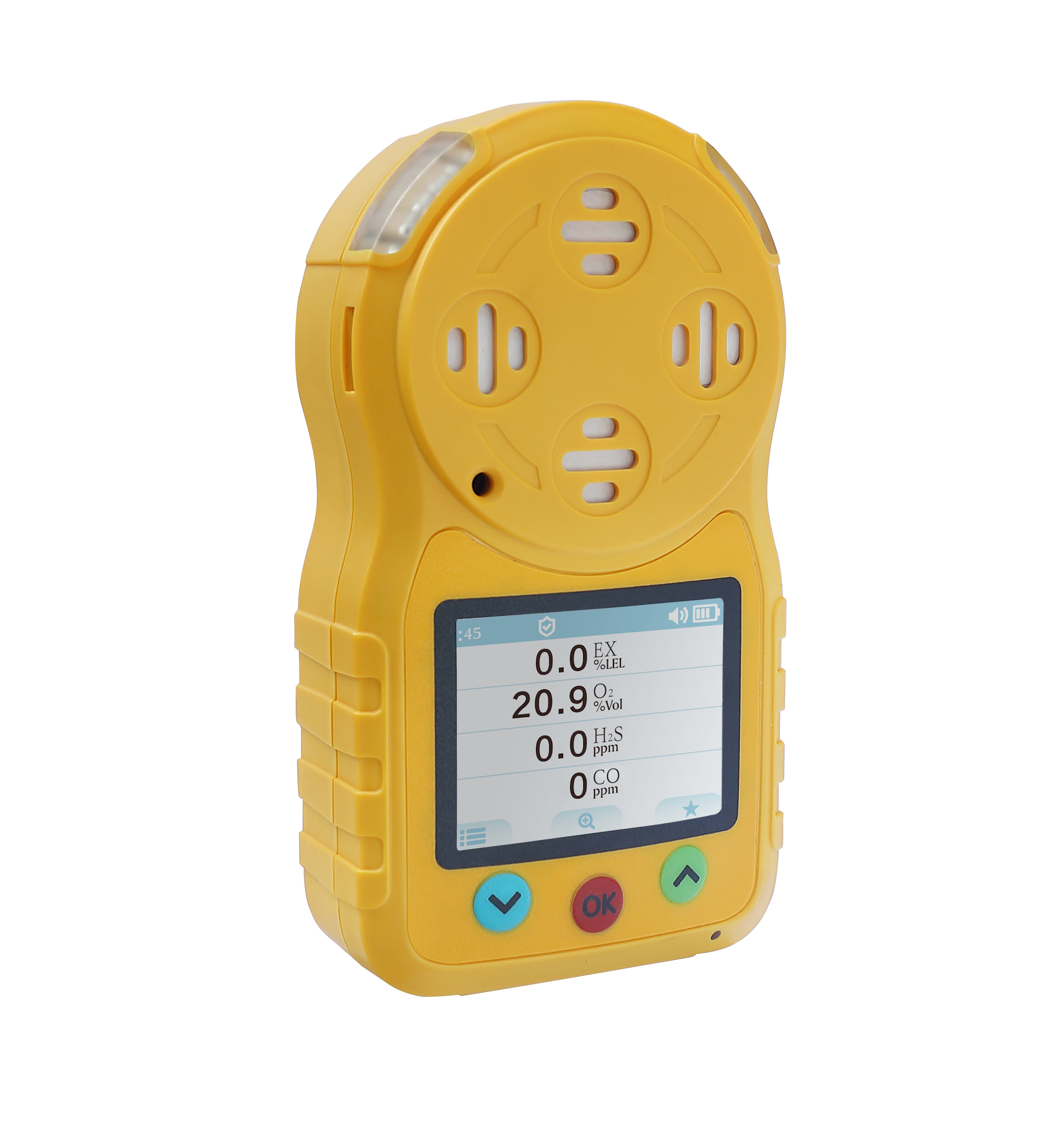
A gas detector can still malfunction even after passing calibration, once the sensor itself nears the end of its life. This guide covers why different sensor types degrade, five warning signs of failure, and how to judge when it's time to replace a sensor.
- 51

An industrial site in Dangjin, Chungcheongnam-do needed to measure high-concentration methane gas but had no Wi-Fi to log data in real time. Here's how WANDI's EDW500 portable IoT gas detector solved this with built-in SIM connectivity and cloud monitoring.
- 115
A gas detector only protects people when it's measuring accurately. WANDI breaks down the difference between bump tests and full calibration, recommended intervals, and the legal basis in confined-space work programs.
- 183

The basement generator, electrical, and UPS rooms of a Seoul general hospital are CO2 fire-suppression protected areas, where Korea's Occupational Safety and Health Standards Rule Article 628-2 requires oxygen and CO2 detection and alarm devices. This case study shows how a FIX800 fixed multi-gas de...
- 144
Choosing a portable multi-gas detector comes down to five checkpoints: gas configuration, explosion-proof certification, battery and data logging, alarm settings, and calibration convenience. This guide covers the 5 required confined-space gases (O2, CO, CO2, H2S, LEL) using the GasTiger1000 as an e...
- 154
A cold storage warehouse in Yongin faced asphyxiation risk from CO2 released by sublimating dry ice and potential refrigerant gas leaks. This case shows how WANDI's FIX800 O2/CO2 detector and a display board let staff monitor indoor air quality in real time without opening the door.
- 161
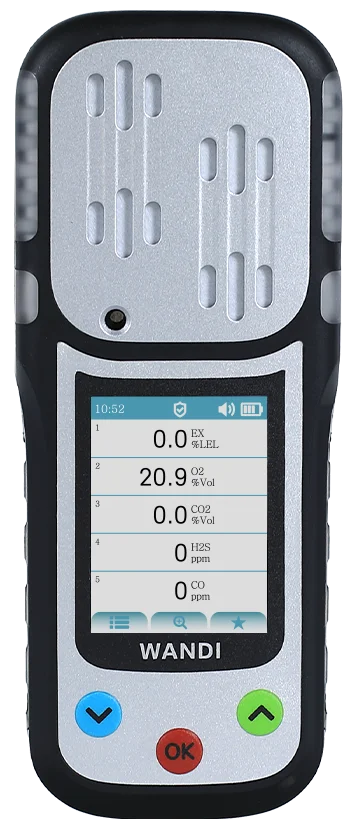
A confined space entry program is a mandatory safety framework required of employers under Korea's Occupational Safety and Health Standards. This guide covers the 6-step pre-entry procedure, the program's required elements, and why a personal wearable gas detector like the EDW500 fills a gap fixed d...
- 268
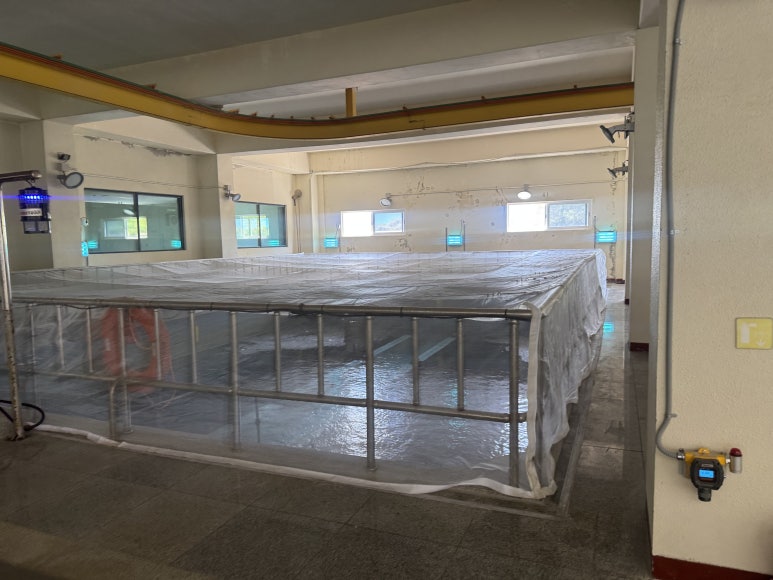
Ozone (O3) gas disinfects water more powerfully than chlorine, but that same reactivity makes it dangerous to breathe. This case study covers how WANDI's FIX800 ozone detector was installed at a Busan water treatment facility to continuously monitor the legal exposure limit (TWA 0.1ppm) and protect...
- 205
Gas detectors can't be mounted just anywhere — the correct height depends entirely on the gas's density, and understanding TWA/STEL/IDLH alarm setpoints is essential to avoid false alarms or missed detections. Here's WANDI's practical installation guide.
- 302
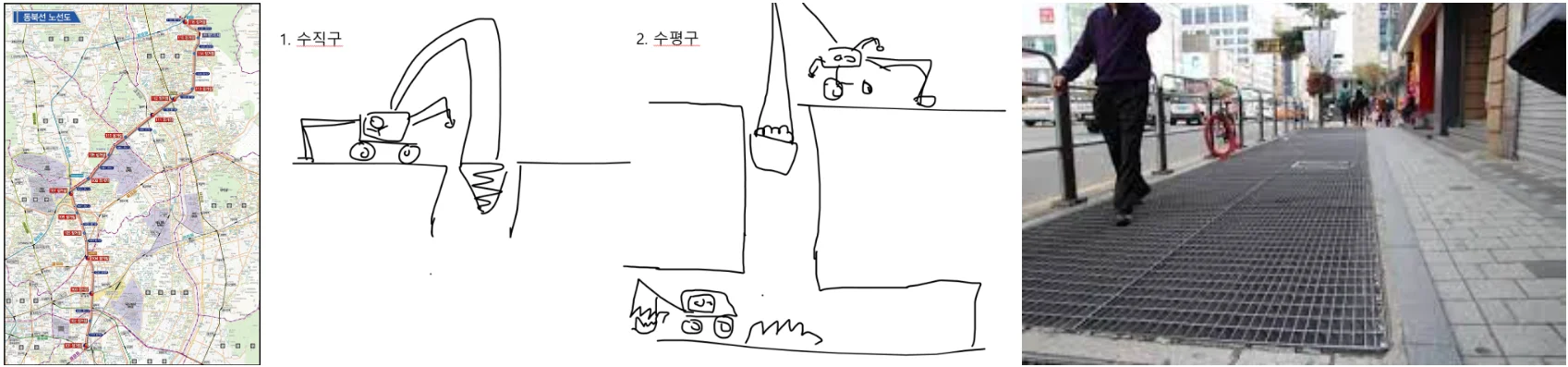
Vertical shafts in subway tunnel construction are classic confined spaces with poor ventilation, where oxygen deficiency, carbon monoxide, hydrogen sulfide and combustible gas risks persist. This case study covers how the FIX800 4-gas detector and status display panel protected workers at a Hyundai...
- 252
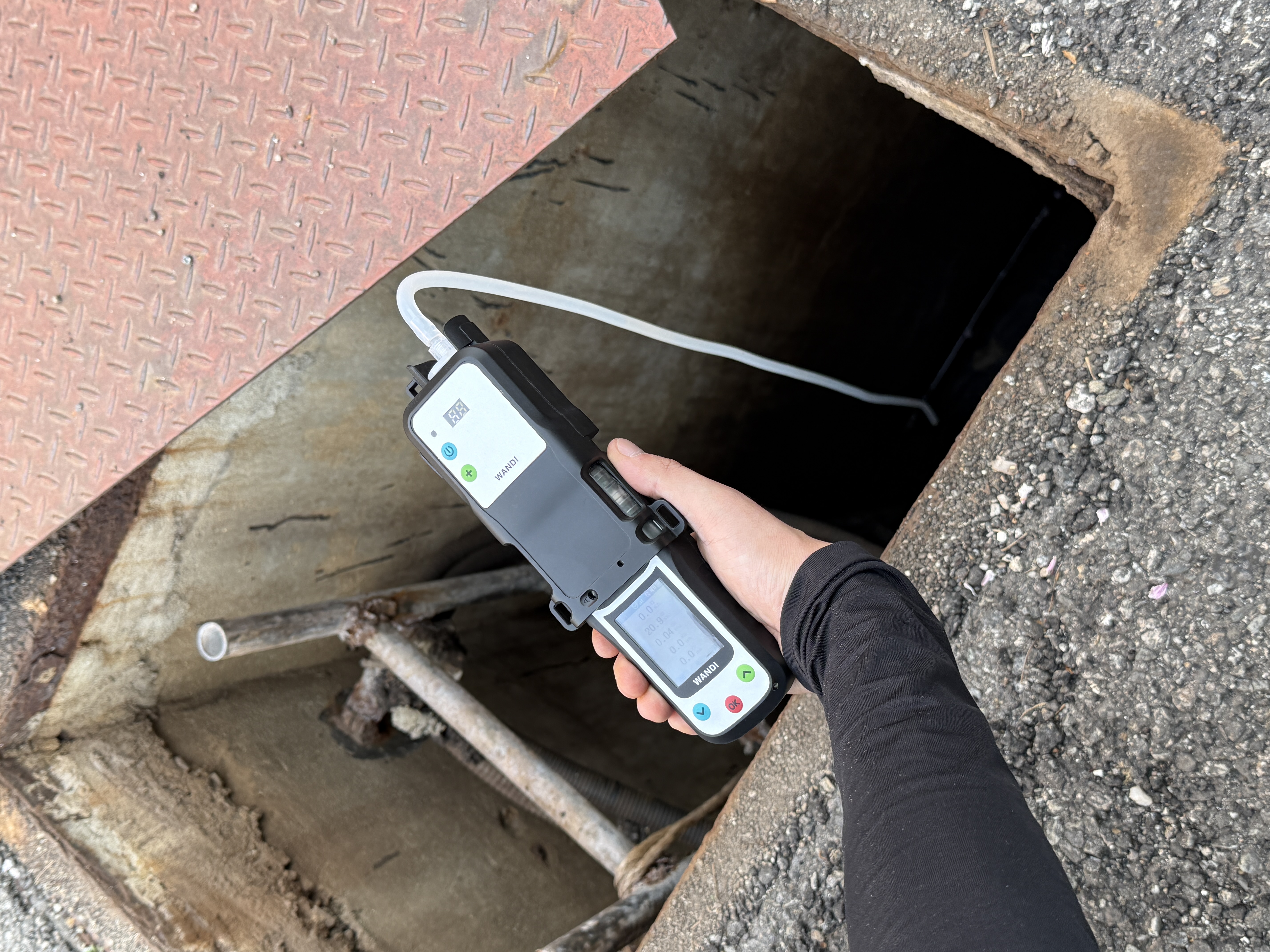
Manhole and sewer work is classic confined-space work where asphyxiation from hydrogen sulfide, oxygen deficiency and methane recurs. Here is why gas measurement before entry is mandatory, recent accident cases, and how to work safely with the EDW500 portable 5-gas detector.
- 292
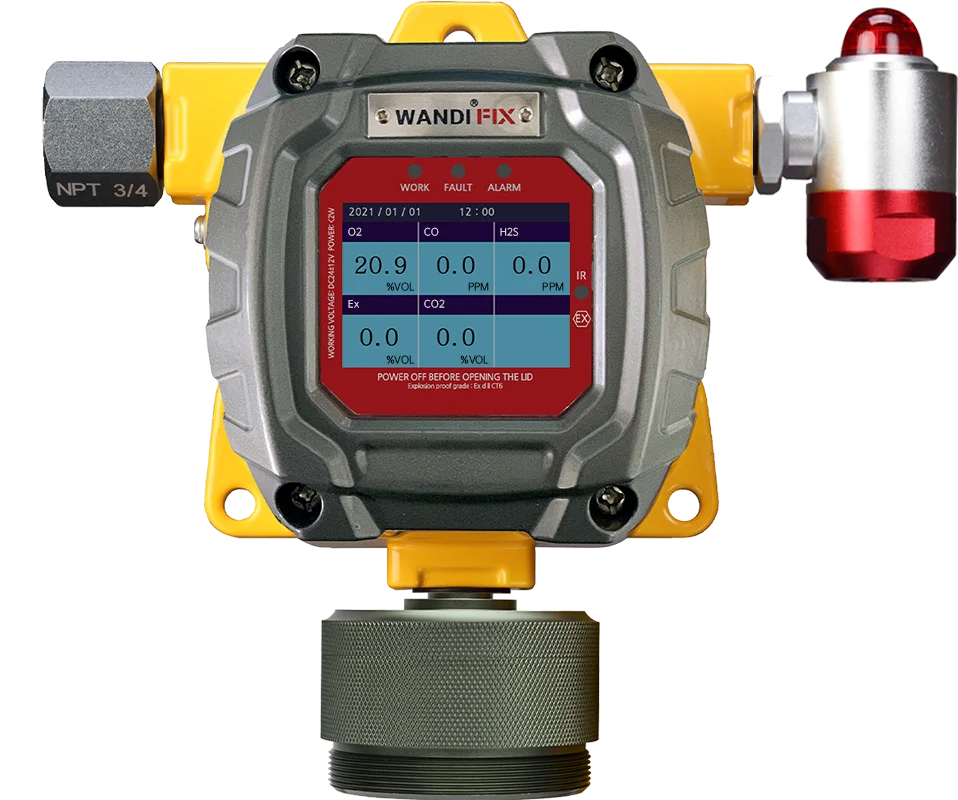
Explosion-proof test facilities can't have gas detectors installed directly at leak points. This case study shows how WANDI's FIX800 was deployed as an aspirated sampling system at the Korea Energy Agency's Automobile Fuel Efficiency Center, detecting CO and H2 gas in about 10 seconds even across 20...
- 229
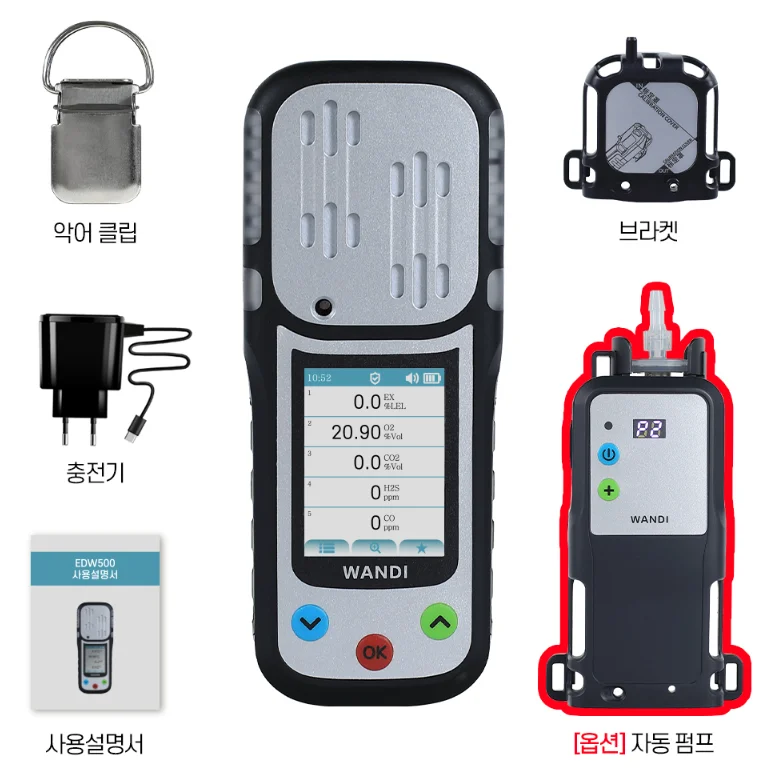
Nitrogen dioxide (NO₂) is a highly toxic gas that causes respiratory damage even at 0.2 ppm, generated in vehicle exhaust, nitric acid plants, and plasma processing environments. The WANDI EDW500 holds IECEx international explosion-proof certification (Ex da ia IIC T4 Ga) and simultaneously measures...
- 249
Hydrogen sulfide (H2S) is a highly toxic gas continuously generated in sewage treatment, petrochemical, and livestock facilities. The WANDI FIX800 fixed gas detector provides 24/7 continuous monitoring of H2S and up to 5 gases simultaneously to protect workers and facilities.
- 278
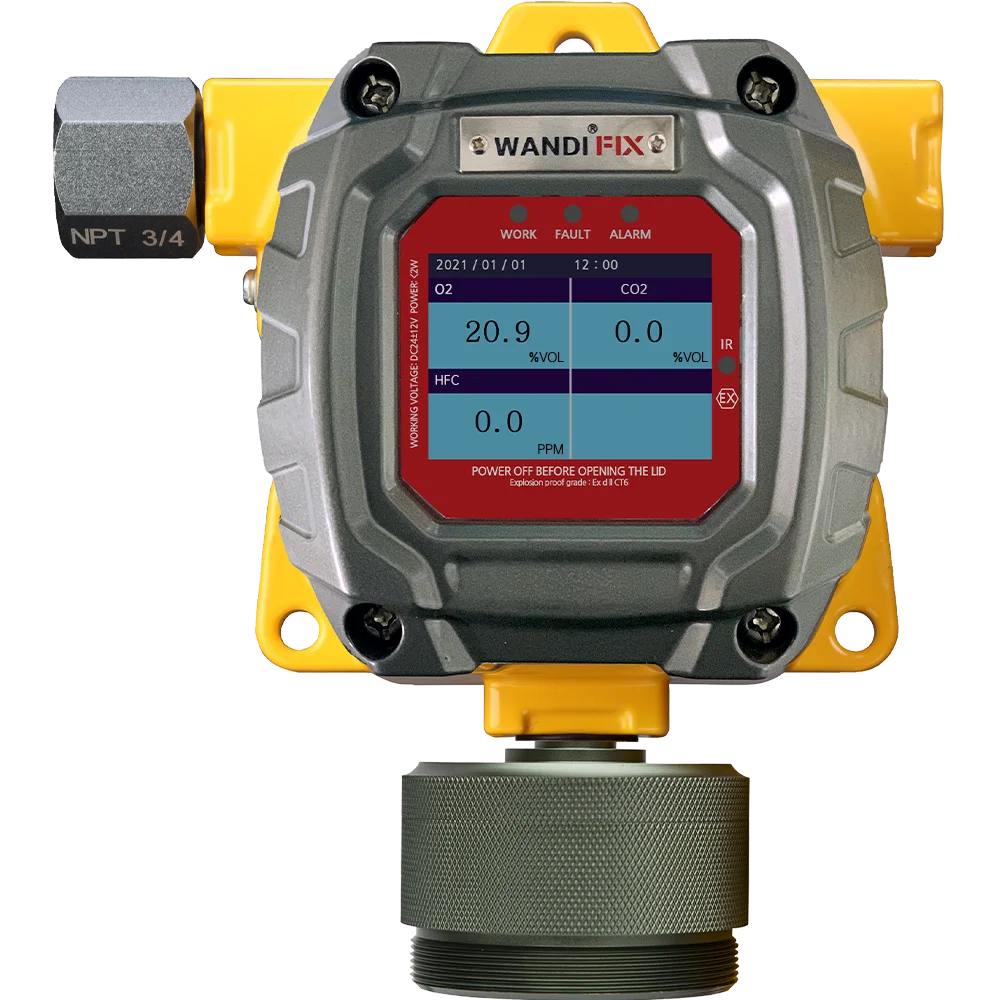
Facilities continuously using chlorine dioxide (ClO2) — water treatment plants, paper mills, and food processing plants — require fixed gas detectors. The WANDI FIX800 is a fixed multi-gas detector that simultaneously monitors up to 5 gases including ClO2, providing 24/7 unmanned surveillance and di...
- 204

Cleaning water tanks and reservoirs is classic confined-space work where asphyxiation from oxygen deficiency, hydrogen sulfide and methane recurs. Here is why you must measure gas before entry, what gases form in water tanks, real accident cases, and how to clean safely with the EDW500 portable 5-ga...
- 339
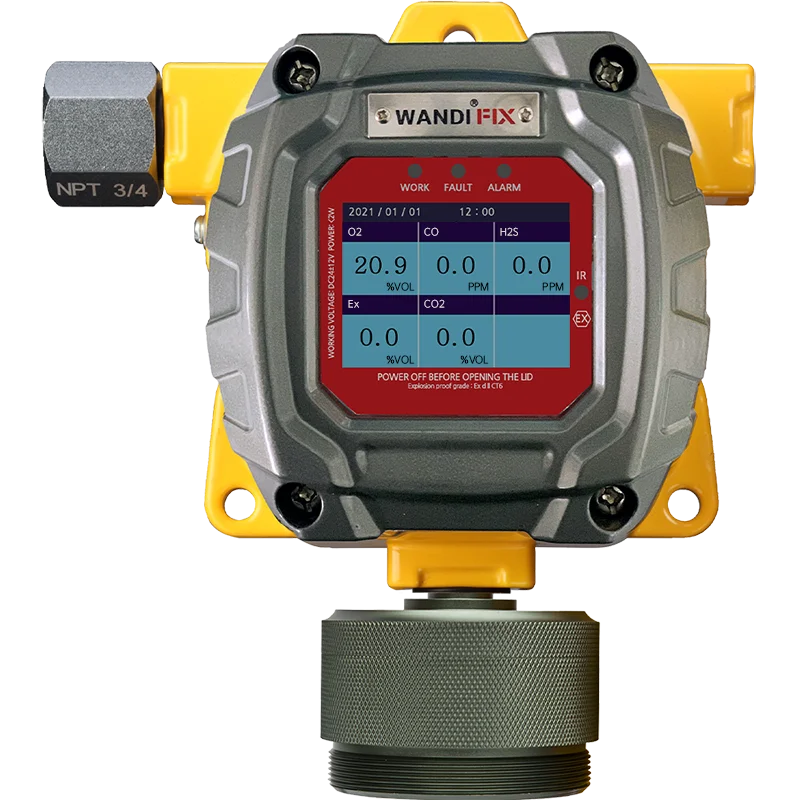
Hydrogen (H2) has the widest flammable range (4–75% LEL) of any common gas. The WANDI FIX800 fixed gas detector provides 24/7 continuous monitoring at hydrogen fueling stations, semiconductor fabs, and research labs, with instant alarm output to the FIX-DS display board.
- 277
WANDI is a comprehensive industrial gas-detection brand spanning the EDW500 portable IoT explosion-proof detector, the customizable GasTiger multi-gas series, the FIX800 fixed detector, the FIX800TH heat-index meter, and display-board/IoT integration. Here is the full lineup with each model's streng...
- 278
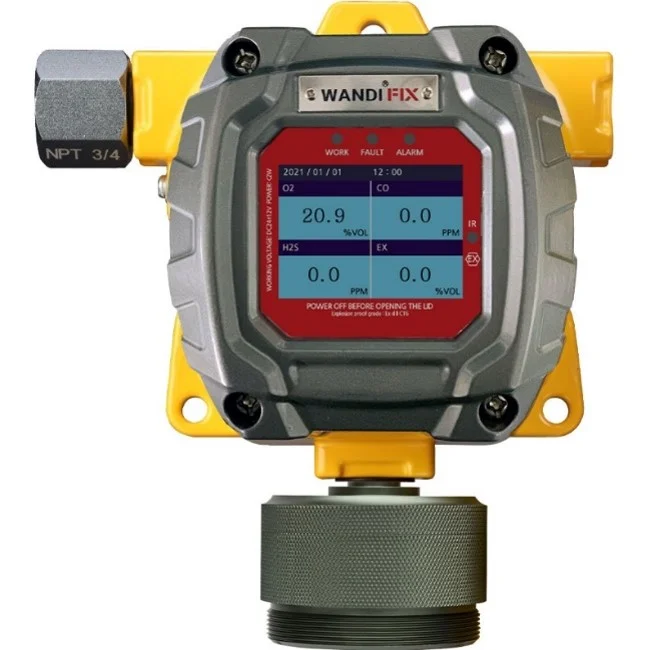
Ethylene oxide (ETO) is a Group 1 carcinogen requiring 24/7 monitoring. The WANDI FIX800 fixed gas detector simultaneously measures up to 5 gases, providing real-time alarms and FIX-DS display board integration for immediate ETO leak detection in sterilization rooms and chemical plants.
- 157
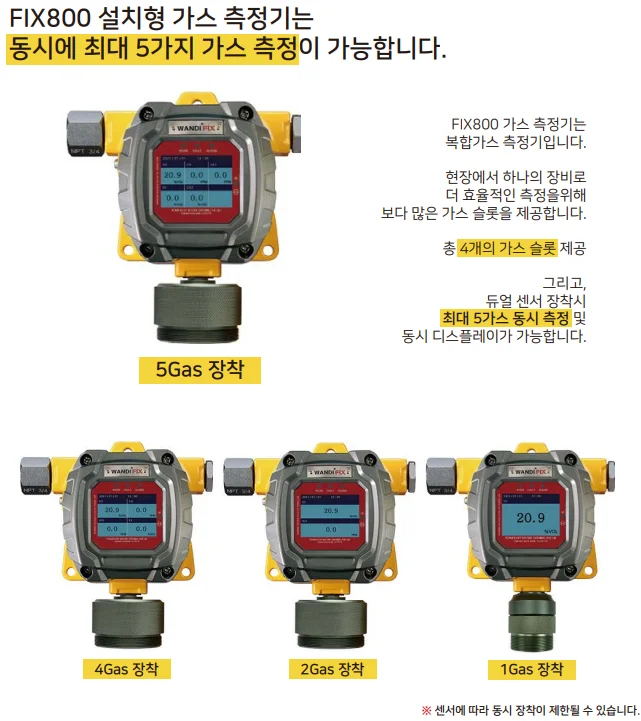
Nitric oxide (NO) is a colorless, odorless toxic gas continuously generated in tunnels, power plants, and chemical facilities. Exposure above 25 ppm causes severe respiratory damage. The WANDI FIX800 fixed multi-gas detector simultaneously monitors NO and four other gases, providing 24/7 on-site sur...
- 229