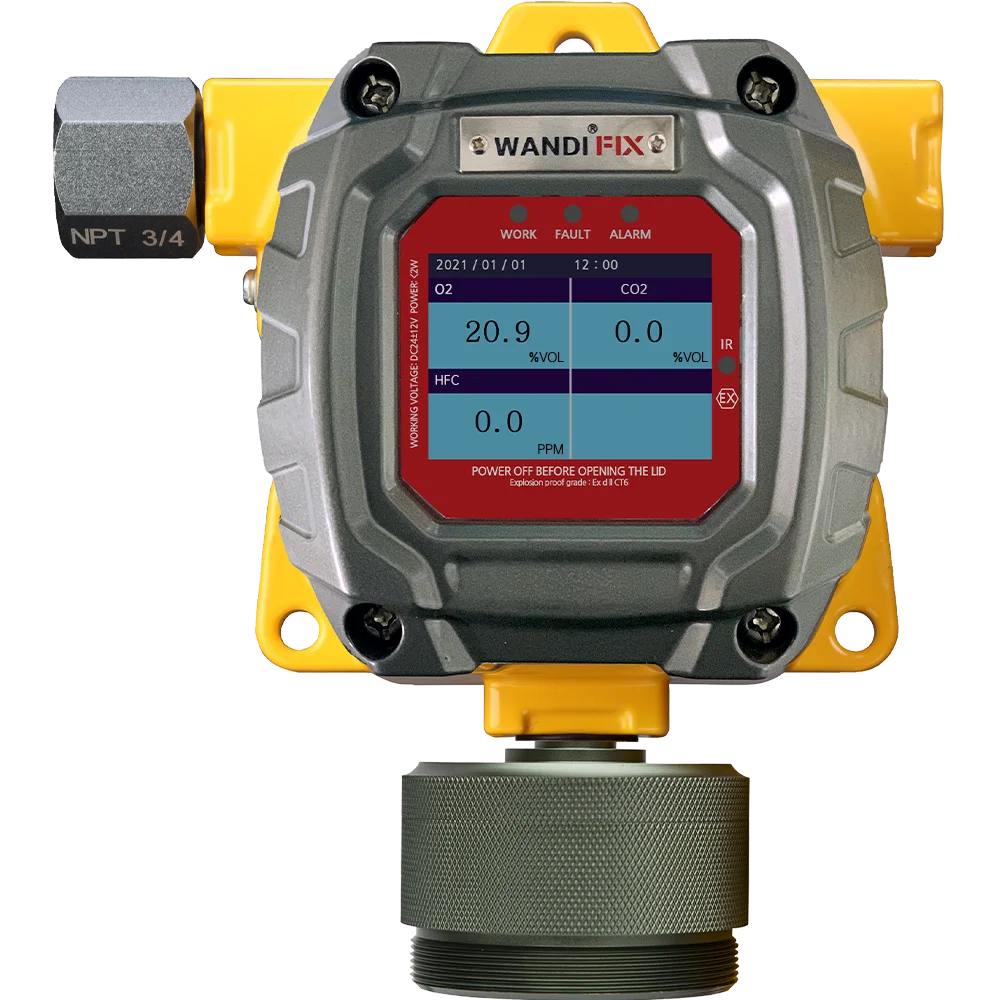
Hydrogen fluoride (HF) is a chemical essential to the semiconductor etching, petroleum refining, and glass processing industries, but on leakage it is a high-hazard gas that causes fatal damage even at trace levels (TWA 0.5 ppm). Gaseous HF is colorless and impossible to identify with the naked eye, and it penetrates deep into skin, mucous membranes, and bones, causing systemic fluoride poisoning. The WANDI FIX800 fixed 5-gas detector monitors high-hazard HF-generating processes 24 hours a day and issues an immediate alarm at the early stage of a leak to protect workers and equipment.
What Is Hydrogen Fluoride (HF)?
Hydrogen fluoride is the gaseous form of hydrofluoric acid; dissolved in water it becomes hydrofluoric acid (aqueous HF). It is used widely in semiconductor wafer surface cleaning and oxide-film removal (etching), petroleum alkylation processes, glass etching, and fluorine-compound synthesis. With a small molecular weight and high lipid solubility, it easily passes through the skin barrier, and inside the body it binds with calcium and magnesium to cause systemic toxicity such as cardiac arrest.
Health Effects of HF Gas
| Concentration (ppm) | Exposure Standard | Health Effect |
|---|---|---|
| 0.5 ppm | TWA (8-hr average) | Bone/tooth fluorosis with long-term repeated exposure |
| 3 ppm | Ceiling value (C) | Upper airway irritation, onset of mucous membrane damage |
| 6~10 ppm | Short-term danger | Eye/nose/throat pain, coughing, skin redness |
| 30 ppm | IDLH (immediate danger) | Pulmonary edema, chemical burns, reduced consciousness |
| 50 ppm or more | Fatal danger | Hypocalcemia, ventricular fibrillation, risk of death |
⚠️ The Special Hazard of HF
HF has a delayed-pain characteristic: when exposed at low concentrations (1~5%), serious tissue damage appears 1~24 hours later without immediate pain. For this reason, early detection and continuous monitoring are even more important.

Major Industrial Sites Where HF Gas Is Used
Hydrogen fluoride is used across various high-hazard industries — semiconductor manufacturing (wafer cleaning, oxide-film etching), petrochemicals (alkylation, isomerization processes), glass/optical lens manufacturing (etching, surface treatment), fluorine-based resin/refrigerant synthesis, and uranium enrichment (UF₆ conversion). Especially in semiconductor cleanrooms, high-concentration HF solution (49%) is used in large quantities, so vaporization causes a rapid concentration rise that creates immediate danger.
Real Accident Case: The 2012 Gumi Hydrofluoric Acid Leak
On September 27, 2012, at the Hube Global plant in the 4th Industrial Complex in Sandong-myeon, Gumi, Gyeongbuk, about 8 tons of hydrofluoric acid (49% aqueous HF) leaked from a ruptured tank-lorry hose. Five workers died instantly, some 3,000 nearby residents were evacuated, and crop damage and soil/water contamination were prolonged. Dozens of residents within a 3 km radius received hospital treatment for eye and skin burns and the like. Inadequate early detection at the time of the accident and a lack of on-site response training for HF characteristics were cited as causes that amplified the damage. (Source: Ministry of Environment accident investigation report, 2012)
💡 If FIX800 Had Been Installed
Had a fixed HF detector been in operation on site, it could have detected the ppm-level rise right after the leak, raised an alarm, and automatically operated an emergency shutoff valve. It could have secured the golden time for worker evacuation and saved 5 precious lives.
WANDI FIX800: Fixed 5-Gas Detector for HF Sites
The WANDI FIX800 is a fixed gas detector that can simultaneously measure up to 5 gases including HF. It enables unmanned continuous monitoring 24 hours a day, 365 days a year, and integrated with the FIX-DS display board it lets you check the concentration in real time anywhere in the plant. Via relay output, it auto-links with external equipment such as emergency shutoff valves, warning lights, and ventilation fans.
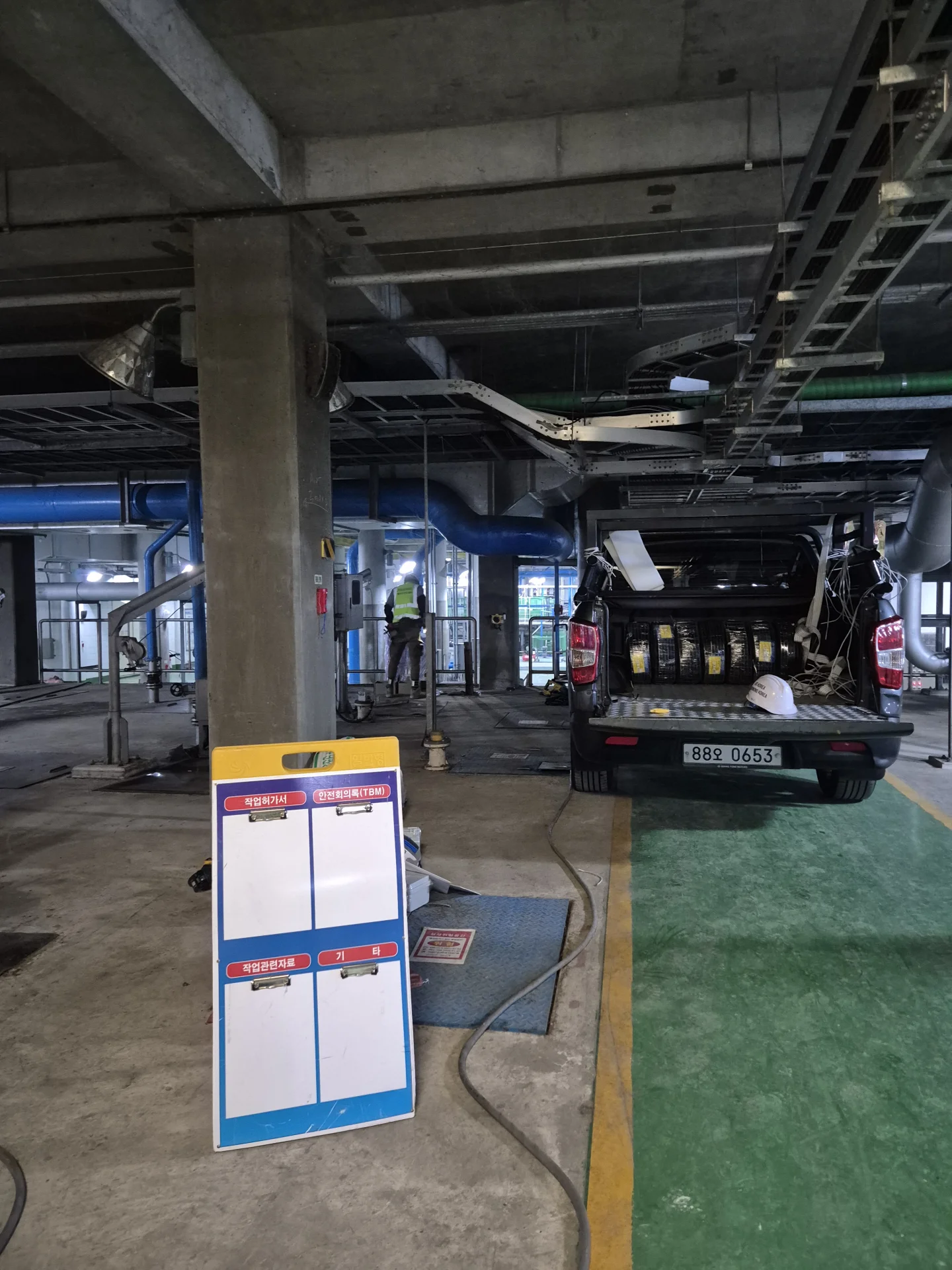
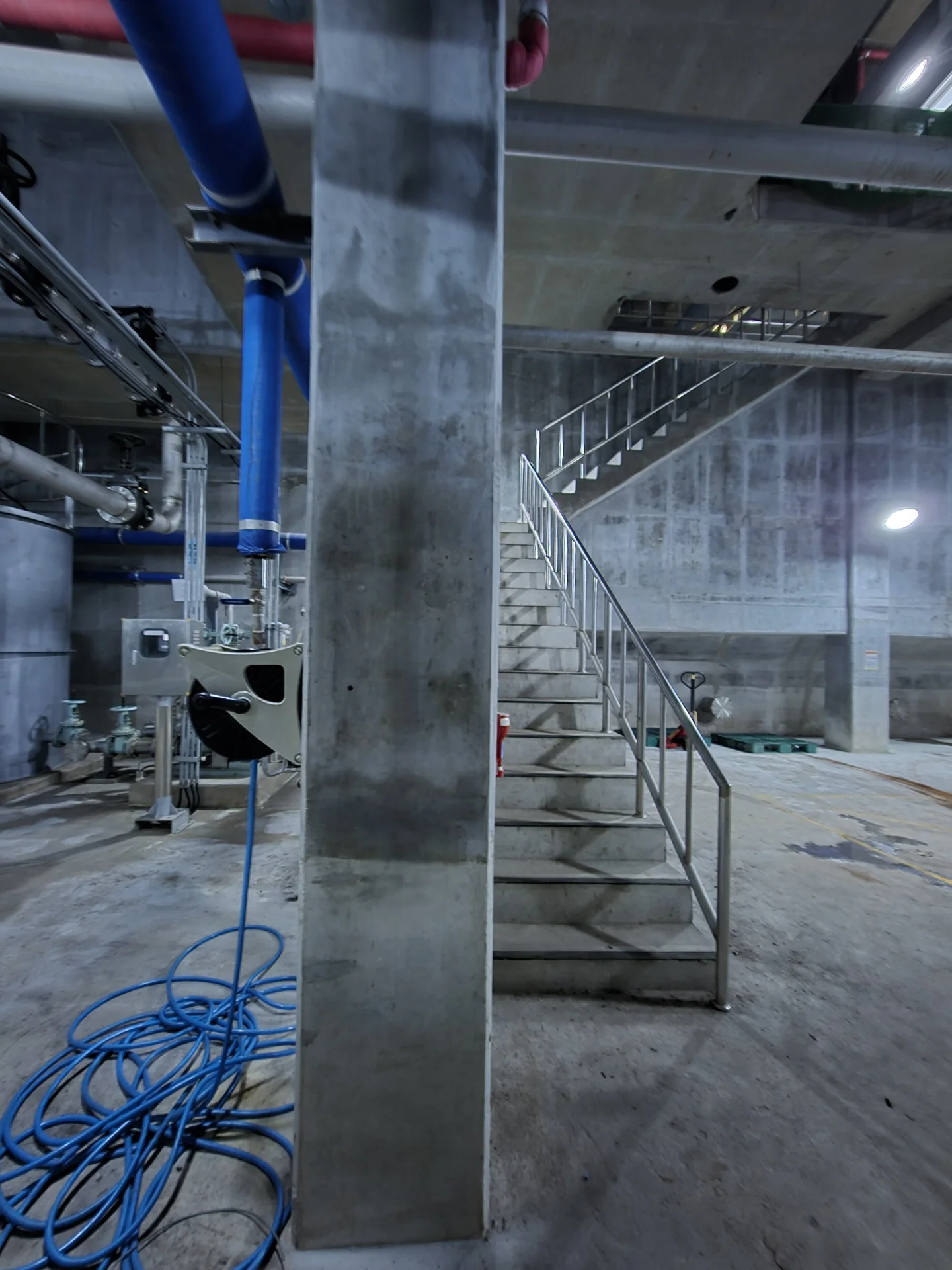
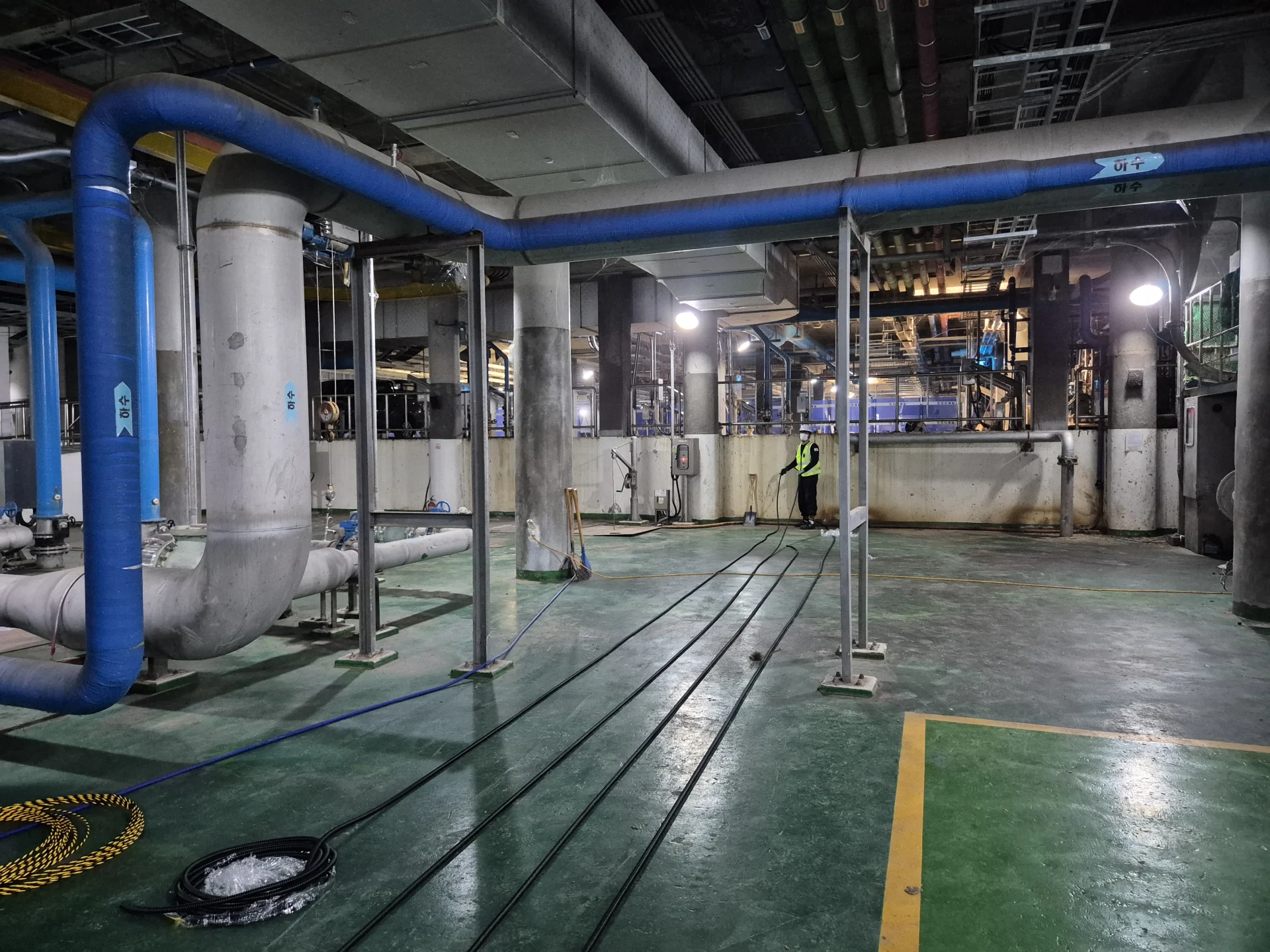
WANDI FIX800 Installation Cases
A 4-Step Scenario to Prevent HF Accidents with FIX800
- 1Real-time detection: The FIX800 detects the instant HF concentration exceeds a set value (e.g., primary alarm 0.5 ppm)
- 2Immediate alarm: Light (LED) + sound (buzzer) alarm fires, with concentration and alarm status shown on the FIX-DS display board
- 3Automatic emergency shutoff interlock: Via relay output, shut off the HF supply valve and start the forced ventilation fan
- 4Data logging and reporting: Real-time data sent to the cloud server, with alarm history saved automatically to support post-incident analysis

FIX800 Key Specifications and Features
| Item | Specification |
|---|---|
| Measured gases | Up to 5 gases simultaneously (HF, O₂, CO, H₂S, EX, CO₂, etc. selectable combination) |
| Detection method | Electrochemical (HF, CO, H₂S, O₂), catalytic (combustible), infrared (CO₂) |
| Output | 4~20mA, relay (shutoff/ventilation interlock), RS-485 |
| Linked display board | FIX-DS (real-time concentration & alarm status display) |
| Monitoring | Cloud web/app real-time check, alarm history logging |
| Installation | Wall/pipe fixed-mount, unmanned continuous operation |
📌 Recommended FIX800 × HF Sensor Configuration
Installing an HF-dedicated electrochemical sensor + O₂ (oxygen-deficiency monitoring) + HCl (combined hydrochloric acid processes) combination lets a single detector cover the compound hazards of semiconductor/petrochemical processes.
A Closer Look at the WANDI FIX800
Below are real photos of the WANDI FIX800 fixed multi-gas detector.