Hydrofluoric acid (HF) leaks in semiconductor fabs are among the most lethal types of industrial accidents. Even trace inhalation of HF can cause pulmonary damage, hypocalcemia, and cardiac arrest, making real-time gas detection not optional but mandatory. WANDI EDW500 (portable) and FIX800 (fixed) each measure up to 5 gases simultaneously, protecting workers across all semiconductor process environments.
💡 Key Point
By the time HF is detectable by smell, concentrations may already exceed dangerous thresholds. Real-time gas detectors are the only reliable early-warning solution.
Why Is HF So Dangerous in Semiconductor Fabs?

HF is essential in semiconductor wafer etching, cleaning, and oxide removal processes. Its toxicity is severe at extremely low concentrations.
HF Health Effects by Concentration
| Concentration (ppm) | Duration | Health Effects | Risk Level |
|---|---|---|---|
| 0.5 ppm | Extended | Mucous membrane irritation | ⚠️ Caution |
| 3 ppm | Minutes | Severe irritation, chest pain | 🔴 Danger |
| 30 ppm | Minutes | Pulmonary edema, hypocalcemia, cardiac arrhythmia | 💀 Immediately Dangerous |
| 50+ ppm | Seconds | Acute lung injury, cardiac arrest, death | 💀 Fatal |
Sources: NIOSH Pocket Guide (IDLH = 30 ppm), KOSHA Guide W-14-2020 (TWA = 0.5 ppm)
Real HF Accident Cases

🔴 Case 1: Samsung Electronics Hwaseong HF Leak (January 2013)
On January 27, 2013, during valve replacement work on an HF tank pipeline at Samsung's Hwaseong semiconductor plant, vaporized residual HF was released, killing 1 contractor on-site and injuring 4 others. The root cause was identified as inadequate gas detection equipment during maintenance.
(Source: Ministry of Employment and Labor Industrial Accident Report 2013)
🔴 Case 2: Gumi HF Mass Leak Disaster (September 2012)
On September 27, 2012, approximately 8 tons of HF leaked from a tanker truck at Hube Global in Gumi National Industrial Complex due to valve failure. Five workers died and approximately 3,000 residents required medical treatment. This incident demonstrated the catastrophic scale of HF exposure beyond the immediate work area.
(Source: Ministry of Environment Chemical Accident Investigation Report 2012)
How WANDI Detectors Would Have Made the Difference
EDW500 Portable — Personal Worker Protection
When EDW500 is carried during HF pipeline work, tank inspection, or valve replacement, a triple alarm (vibration + audio + visual) triggers immediately when HF exceeds 0.5 ppm. All measurement data is automatically saved to DCMS cloud with email notifications and remote monitoring for supervisors.
FIX800 Fixed — 24/7 Process Zone Monitoring
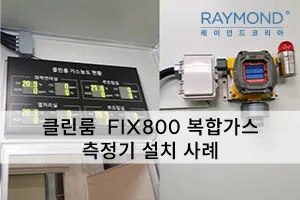
Permanently installed in HF process zones (etching, cleaning, oxide removal), FIX800 monitors concentrations continuously. On threshold breach, integrated alarm lights and FIX-DS display boards signal zone-wide evacuation while supervisors can immediately halt processes remotely.
EDW500 International Explosion-Proof Certifications
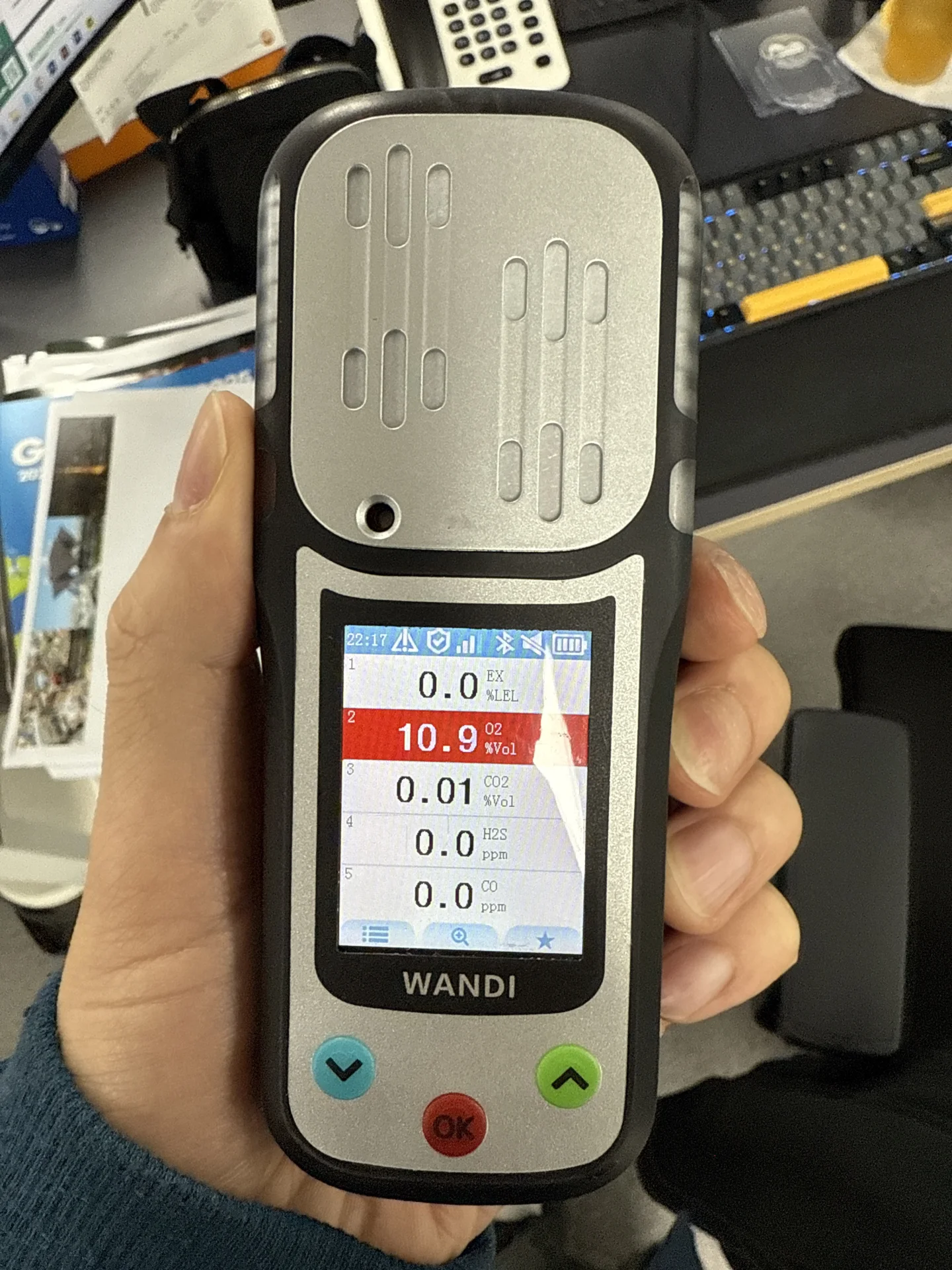
Semiconductor fabs contain explosive hazard zones (Zone 0–2) where flammable gases and chemicals coexist. EDW500 is certified for these environments:

EDW500 supports EC (electrochemical), catalytic combustion, PID, and IR sensor modules — enabling simultaneous detection of up to 5 gases including HF, covering all hazardous gases common in semiconductor processing (HF, EX, O₂, CO, H₂S, CO₂).
FIX800 — 5-Gas Simultaneous Monitoring for Semiconductor Fabs
FIX800 is a fixed gas detector capable of monitoring up to 5 gases simultaneously. It covers all hazardous gases in semiconductor environments — HF, EX, O₂, CO, H₂S, CO₂ — with a single unit. When paired with the FIX-DS display board, workers can visually verify gas concentrations at zone entrances before entering, enabling immediate safety decisions.