Home
/
Resources
/
Hydrogen Chloride (HCl) Gas Hazards and WANDI EDW500 Explosion-Proof Portable Gas Detector Complete Guide
What Is Hydrogen Chloride (HCl)? — The Corrosive Toxic Gas in Semiconductor and Chemical Processes
Hydrogen chloride (HCl) is a colorless, highly corrosive gas with a pungent odor. At high concentrations it produces visible white fumes (hydrochloric acid mist), but at low concentrations it is invisible. Major sources include ①semiconductor and LCD etching processes, ②thermal decomposition of PVC/plastics during incineration, ③chemical synthesis, and ④metal pickling in steel and plating factories.

HCl Health Effects by Concentration
| Concentration (ppm) | Duration | Health Effects |
|---|---|---|
| 1 ppm | 8 hr TWA | Korean OSHA permissible limit |
| 0.5–1 ppm | Short-term | Eye, nose, throat irritation onset |
| 5 ppm | Short-term | Severe respiratory irritation, coughing, tearing |
| 35 ppm | Short-term | Serious lung damage, pulmonary edema risk |
| 50 ppm | 30+ min | Pulmonary hemorrhage, respiratory failure, death risk |
| 100 ppm | Immediate | IDLH — immediate life/health threat |

How WANDI EDW500 Could Have Prevented HCl Accidents
- 10.5 ppm early warning: EDW500 alerts before HCl reaches irritation threshold, enabling immediate worker evacuation.
- 2IECEx Zone 0 certified: Safe for use in clean rooms and chemical plants with concurrent flammable gas atmospheres.
- 35-gas simultaneous detection: HCl + O₂ + EX + CO + H₂S monitored together for comprehensive process hazard coverage.
WANDI EDW500 Specifications for HCl Detection
| Specification | EDW500 (HCl configuration) |
|---|---|
| Gas detection | HCl, O₂, EX, CO, H₂S — up to 5 simultaneously |
| Explosion-proof | IECEx TPS 25.0057X / Ex da ia IIC T4 Ga |
| HCl range | 0–50 ppm |
| Connectivity | Wi-Fi / 4G LTE cloud real-time upload |
A Closer Look at the WANDI EDW500
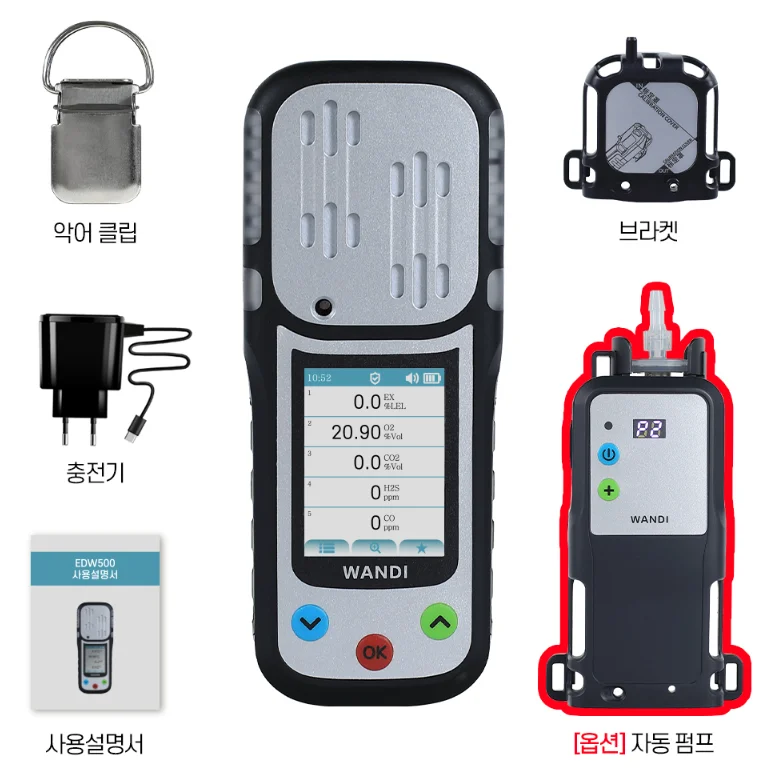
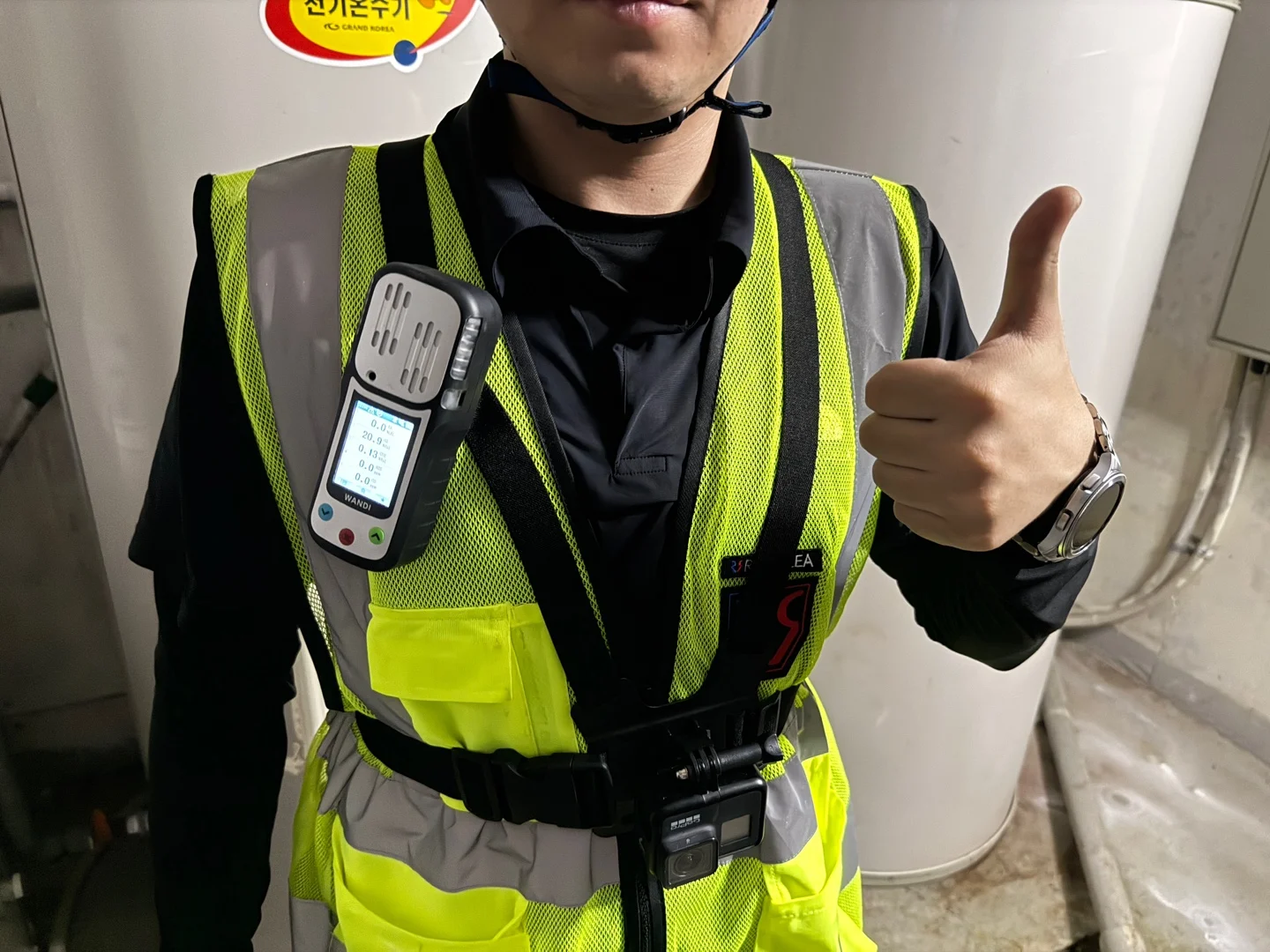
Below are real photos of the WANDI EDW500 portable multi-gas detector and its use on site.
FAQ
Hydrogen chloride (HCl) is a colorless, highly corrosive gas with a pungent odor. At high concentrations it produces visible white fumes (hydrochloric acid mist), but at low concentrations it is invis...
Concentration (ppm)DurationHealth Effects 1 ppm8 hr TWAKorean OSHA permissible limit 0.5–1 ppmShort-termEye, nose, throat irritation onset 5 ppmShort-termSevere respiratory irritation, coughing, teari...
10.5 ppm early warning: EDW500 alerts before HCl reaches irritation threshold, enabling immediate worker evacuation. 2IECEx Zone 0 certified: Safe for use in clean rooms and chemical plants with concu...
SpecificationEDW500 (HCl configuration) Gas detectionHCl, O₂, EX, CO, H₂S — up to 5 simultaneously Explosion-proofIECEx TPS 25.0057X / Ex da ia IIC T4 Ga HCl range0–50 ppm ConnectivityWi-Fi / 4G LTE c...
Below are real photos of the WANDI EDW500 portable multi-gas detector and its use on site.WANDI EDW500 portable multi-gas detectorEDW500 — simultaneous 5-gas monitoring for site safety
Hydrogen chloride (HCl) is a highly toxic corrosive gas generated in semiconductor etching, metal pickling, and PVC incineration. The WANDI EDW500, IECEx-certified for 5-gas simultaneous detection, pr...
Save this article
#hydrogen chloride
#HCl gas detector
#EDW500
#semiconductor gas safety
#IECEx portable gas monitor