📌 3 Key Takeaways<\/strong><\/p>
If a gas detector is still behaving oddly despite regular calibration, the problem is more likely the sensor itself than the calibration procedure.<\/strong> Calibration only adjusts a reading at a given moment to match a reference gas — it can't restore the physical lifespan of the sensor component. This guide covers why gas detector sensors degrade, the warning signs that let you catch a malfunction early, and how to judge when it's time to replace a sensor.<\/p>
Calibration works by exposing a sensor to a known concentration of reference gas and adjusting its output to match that concentration. As long as the sensor is still responding within its normal range, this adjustment restores accuracy. The problem is that once a sensor is physically worn out or contaminated, it can fall outside the range that can even be adjusted (the span)<\/strong>. At that point, calibration software may reject the adjustment, or the reading may drift again almost immediately after calibration. In other words, "following the calibration schedule" and "the sensor is still within its normal service life" are two different things.<\/p>
Gas detectors use different sensor technologies depending on the target gas, and each one wears out or gets contaminated differently.<\/p>
Exact recommended replacement intervals and degradation characteristics vary by manufacturer, model, and operating environment. For the precise service life of the sensors installed at your site, we recommend contacting WANDI (+82-31-340-6952) to confirm.<\/p>
If the last several bump tests or calibrations have consecutively fallen outside the acceptable tolerance, that's more likely a sign of end-of-life than random error. Keeping dated calibration records makes this trend much easier to spot.<\/p>
Every sensor has a recommended replacement interval specified by its manufacturer. Since the exact figure varies by model and sensor type, use the spec sheet provided at purchase or guidance from the manufacturer or supplier as your reference.<\/p>
In hot, humid sites, chemical plants with corrosive gases, or dusty environments, sensors can wear out faster than under standard conditions. At such sites, it's safer to shorten the bump-test interval regardless of the nominal recommended schedule.<\/p>
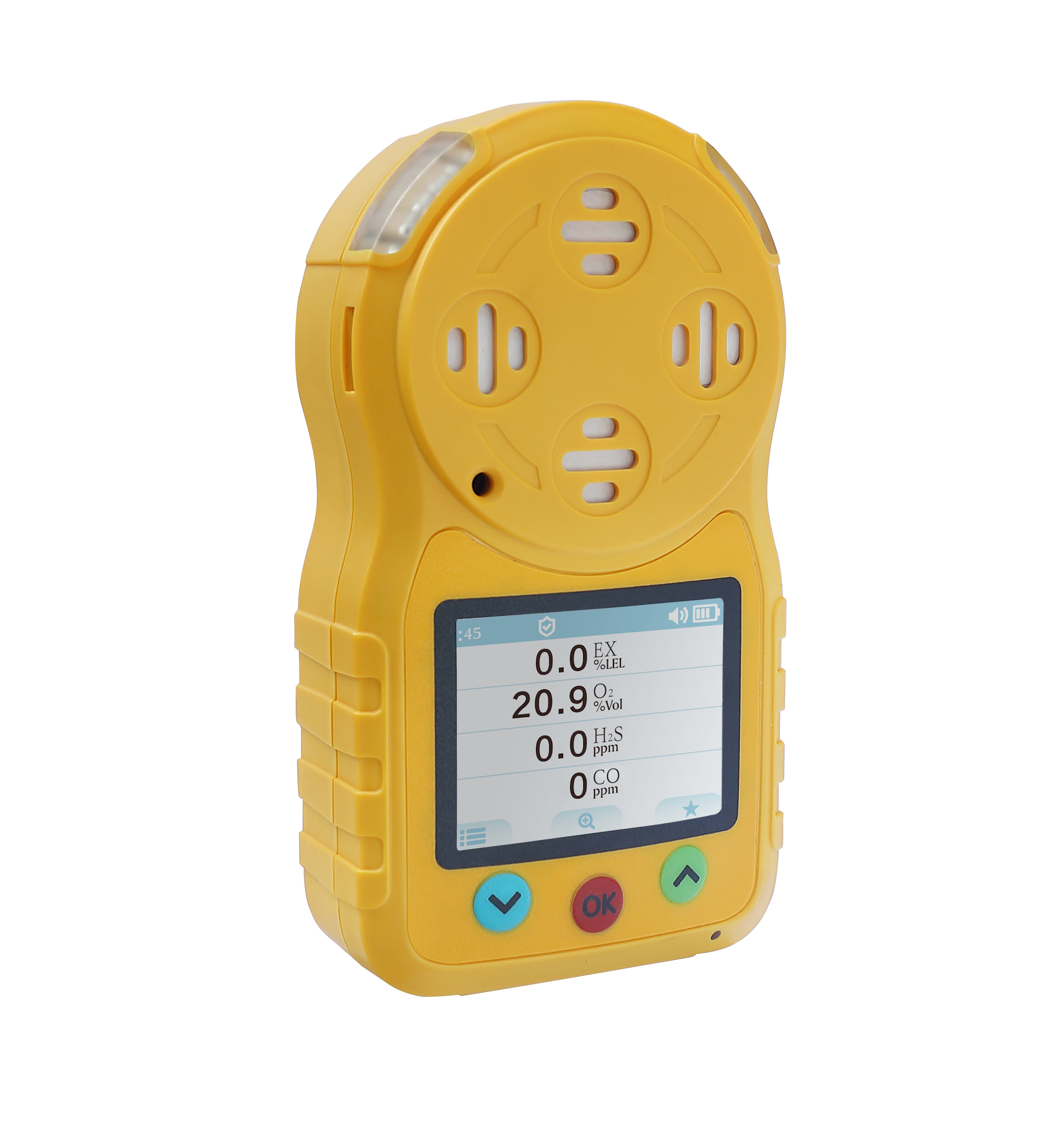
The GasTiger1000 (G1000) is a portable multi-gas detector supplied through a WANDI partner, measuring oxygen (O2), carbon monoxide (CO), hydrogen sulfide (H2S), and combustible gas (LEL) — four gases — simultaneously from a single unit. Because a portable multi-gas detector like this is powered on and off every day in the field, its sensor wear rate can differ from a fixed, permanently installed unit, which makes regular bump testing and calibration record-keeping especially important.<\/p>
WANDI provides sensor inspection and replacement consultation, along with regular calibration guidance, for its portable and fixed gas detector lineup including the GasTiger1000. If you suspect a sensor issue on equipment you're currently using, or want to know when it's due for replacement, contact WANDI (+82-31-340-6952) for a diagnosis suited to your model.<\/p>
For a gas detector, recognizing when the sensor itself is nearing the end of its life<\/strong> matters just as much as staying current on calibration. Watching for signs like repeated bump-test failures, zero drift, and slower response time — alongside the manufacturer's recommended service life and your site's operating conditions — can significantly reduce the risk of accidents caused by malfunction. For sensor inspection, replacement, or regular calibration consultation on the GasTiger1000 and WANDI's full detector lineup, contact WANDI (+82-31-340-6952) for detailed guidance.<\/p>
Why Malfunctions Happen Even After Passing Calibration<\/h2>
Different Sensor Types Degrade for Different Reasons<\/h2>
5 Warning Signs of Malfunction or End-of-Life<\/h2>

3 Criteria for Judging When to Replace a Sensor<\/h2>
① Bump test and calibration history<\/h3>
② Whether the manufacturer's recommended service life has been reached<\/h3>
③ Operating environment<\/h3>
Sensor Management for WANDI Detectors — The GasTiger1000 (G1000) Example<\/h2>
A Field Inspection Routine You Can Put Into Practice<\/h2>
Closing<\/h2>
A gas detector can still malfunction even after passing calibration, once the sensor itself nears the end of its life. This guide covers why different sensor types degrade, five warning signs of failu...
A gas detector can still malfunction even after passing calibration, once the sensor itself nears the end of its life. This guide covers why different sensor types degrade, five warning signs of failu...
A gas detector can still malfunction even after passing calibration, once the sensor itself nears the end of its life. This guide covers why different sensor types degrade, five warning signs of failu...
A gas detector can still malfunction even after passing calibration, once the sensor itself nears the end of its life. This guide covers why different sensor types degrade, five warning signs of failu...
A gas detector can still malfunction even after passing calibration, once the sensor itself nears the end of its life. This guide covers why different sensor types degrade, five warning signs of failu...
A gas detector can still malfunction even after passing calibration, once the sensor itself nears the end of its life. This guide covers why different sensor types degrade, five warning signs of failu...
Save this article
#gas detector malfunction
#sensor lifespan
#gas detector maintenance
#GasTiger1000
#gas detector calibration
#electrochemical sensor
#industrial safety