Applied Markets
Installed Gases
Project Details
Confined Space Work Safety Guide — Oxygen Deficiency and Hazardous Gas Monitoring Essentials
This article presents the essential safety requirements and gas measurement obligations that all workers must understand before entering confined spaces. A confined space is defined as any space where inadequate ventilation creates risk of oxygen deficiency, hazardous gas exposure, or fire and explosion from flammable materials. Dozens of workers are killed in confined space accidents in Korea every year — a significant proportion of them secondary casualties: rescuers who enter without protective equipment to assist a fallen colleague, and are overcome by the same hazardous atmosphere.
Pre-Entry Gas Measurement Reference Standards
| Gas | Safe Range | Hazard Level |
|---|---|---|
| O₂ (Oxygen) | 18.0–23.5% | Below 18%: immediate evacuation / Above 23.5%: fire risk |
| CO (Carbon Monoxide) | Below 25 ppm | 200 ppm: headache/nausea / 1,600 ppm: immediately fatal |
| H₂S (Hydrogen Sulfide) | Below 1 ppm | 100 ppm: rapid loss of consciousness / 700 ppm: immediately fatal |
| EX (Combustible Gas) | Below 10% LEL | Above LEL: explosion hazard |
| CO₂ (Carbon Dioxide) | Below 1.5% | 3%: immediate evacuation / 5%: life-threatening |
Legal Definition and Designated Confined Space Locations
- Septic tanks, collection pits, manholes, wastewater and sewage treatment plants — anaerobic decomposition gas generation
- Underground pump rooms, tank interiors, reaction vessels — inert gas handling or oxygen consumption
- Livestock manure treatment facilities, feed silos — NH₃, H₂S, CH₄ generation
- Cold storage rooms, CO₂ fire suppression agent rooms — CO₂ oxygen displacement
- Ship cargo holds and fuel tanks — inert gas system oxygen deficiency
GasTiger 2000 Pre-Entry Measurement Procedure
- ① Power on the detector and confirm normal operation
- ② Insert the probe hose into the manhole or access opening
- ③ Measure gas concentrations at upper, middle, and lower depths
- ④ Confirm all five gases are within safe limits before entry
- ⑤ Carry the detector throughout the work period for continuous personal monitoring inside the space
- ⑥ If any alarm activates: evacuate immediately — never attempt rescue without full protective equipment
Frequently Asked Questions
Why do so many confined space incidents result in secondary fatalities — rescuers dying alongside the initial victim?
The most common pattern is a well-intentioned co-worker or rescuer entering without protective equipment to assist a fallen colleague, and being overcome by the same atmosphere within seconds. H₂S in particular causes immediate loss of consciousness at 100 ppm — the rescuer has no time to withdraw. Rescue from confined space emergencies requires self-contained breathing apparatus (SCBA) and a rescue rope system; entry without these means the rescuer becomes a second casualty.
When exactly must gas measurement be conducted before confined space entry?
Measurement must be conducted immediately before each entry on the day of work — not the previous day. Gas concentrations can change with weather conditions, seasons, upstream process changes, or adjacent piping conditions. Continuous monitoring with the detector carried inside the space — or external monitoring by a designated standby monitor — is also required throughout the work period.
What is the role of the designated standby monitor in confined space work?
The standby monitor is positioned outside the confined space access point, maintains two-way communication with workers inside, continuously observes the space and monitoring equipment, issues immediate evacuation signals if conditions deteriorate, maintains emergency contact readiness, and must not perform other work while on monitoring duty. The standby monitor requirement is mandated by Korea's Occupational Safety and Health Standards.
How should a confined space work program be prepared?
A confined space work program must include: (1) an inventory of designated confined spaces and their specific hazard characteristics; (2) gas measurement procedures; (3) ventilation methods; (4) standby monitor deployment plan; (5) emergency rescue procedures; (6) equipment inventory; and (7) worker training plan. Programs must be reviewed and updated annually, using Ministry of Employment and Labor prescribed formats as reference.
When should a portable GasTiger 2000 be chosen over a fixed FIX800?
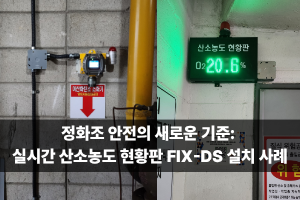
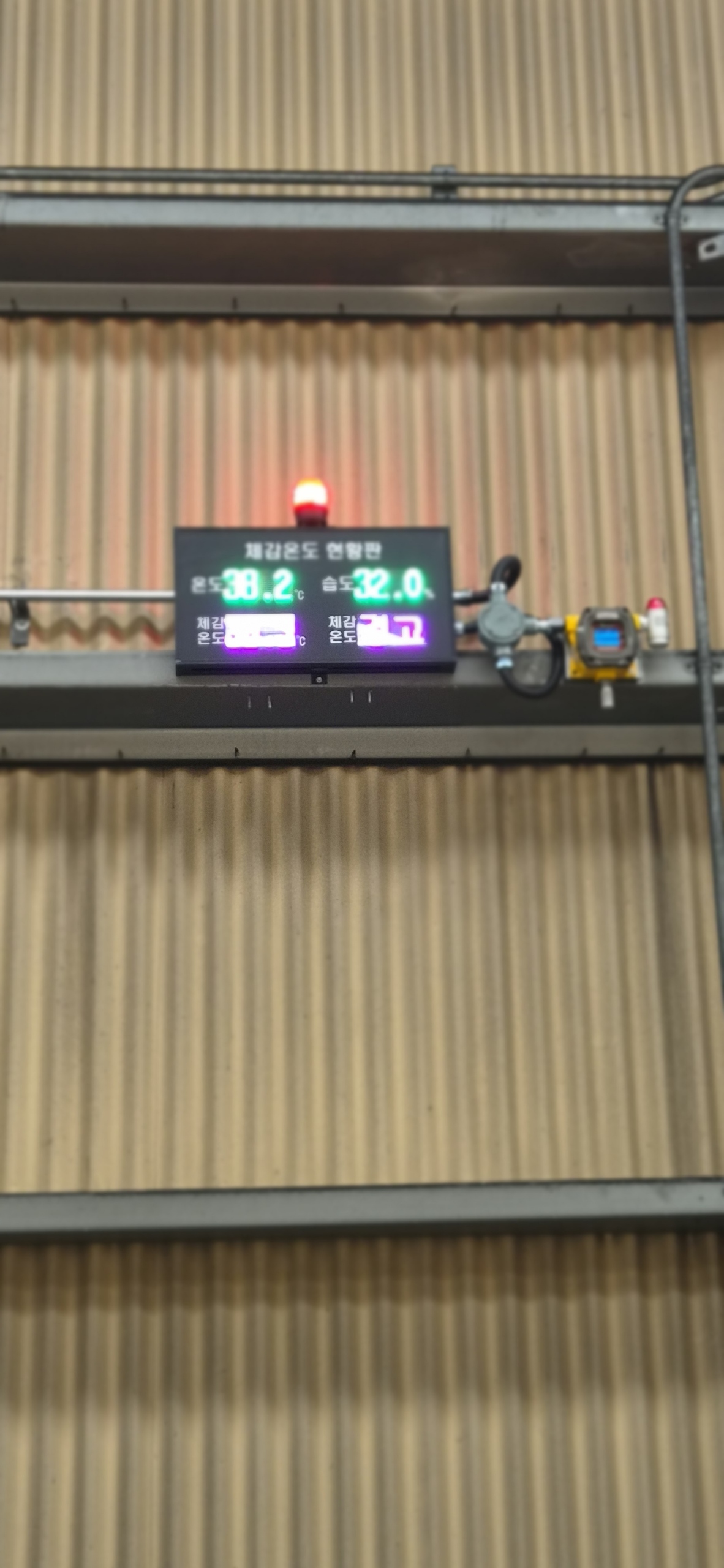
GasTiger 2000 is appropriate for mobile confined space entry work where workers move through multiple locations and need continuous personal monitoring. FIX800 is the right choice for facilities requiring 24-hour fixed-point continuous monitoring with an external display board for pre-entry safety verification. Operating both in parallel provides the most comprehensive safety framework.
#ConfinedSpaceSafetyGuide #OxygenDeficiencyHazardousGas #KoreaOSHAConfinedSpace #GasTiger2000ConfinedSpace #FiveGasMeasurementStandard #AsphyxiationPreventionEducation #StandbyMonitorObligation #NationwideIndustrialSafety #WANDIKorea #WANDIGasDetector
![[레이먼드] 오,폐수 처리실 유해가스 모니터링](https://wandi.co.kr/storage/construction-cases/YxFUQVBZ8Unnk7pJzzfsmezr6xNe0LZvQRDmt7TL.jpg)
![[브이피이코리아] 종합병원 지하 밀폐공간 가스 측정기 설치_FIX800 & FIX-DS](https://wandi.co.kr/storage/construction-cases/gNOA28xSlEy5uU3AOxyHDRH5UfAe0TpMTgAt4Uag.jpg)

