Applied Markets
Installed Gases
Project Details
FIX800 Fixed VOC Detector (0–10 ppm) — Clean Room Air Quality Management for Medical Device Manufacturing (Siheung)
This case covers a delivery to a medical device manufacturing facility in Siheung.
Application — Post-Disinfection Residual VOC Monitoring for Quality Control
The detector measures VOC concentrations in clean room air following disinfection. Residual VOC from disinfectants was identified as a potential source of product quality degradation, and the purpose of this system is to precisely monitor and manage trace VOC levels before production resumes.
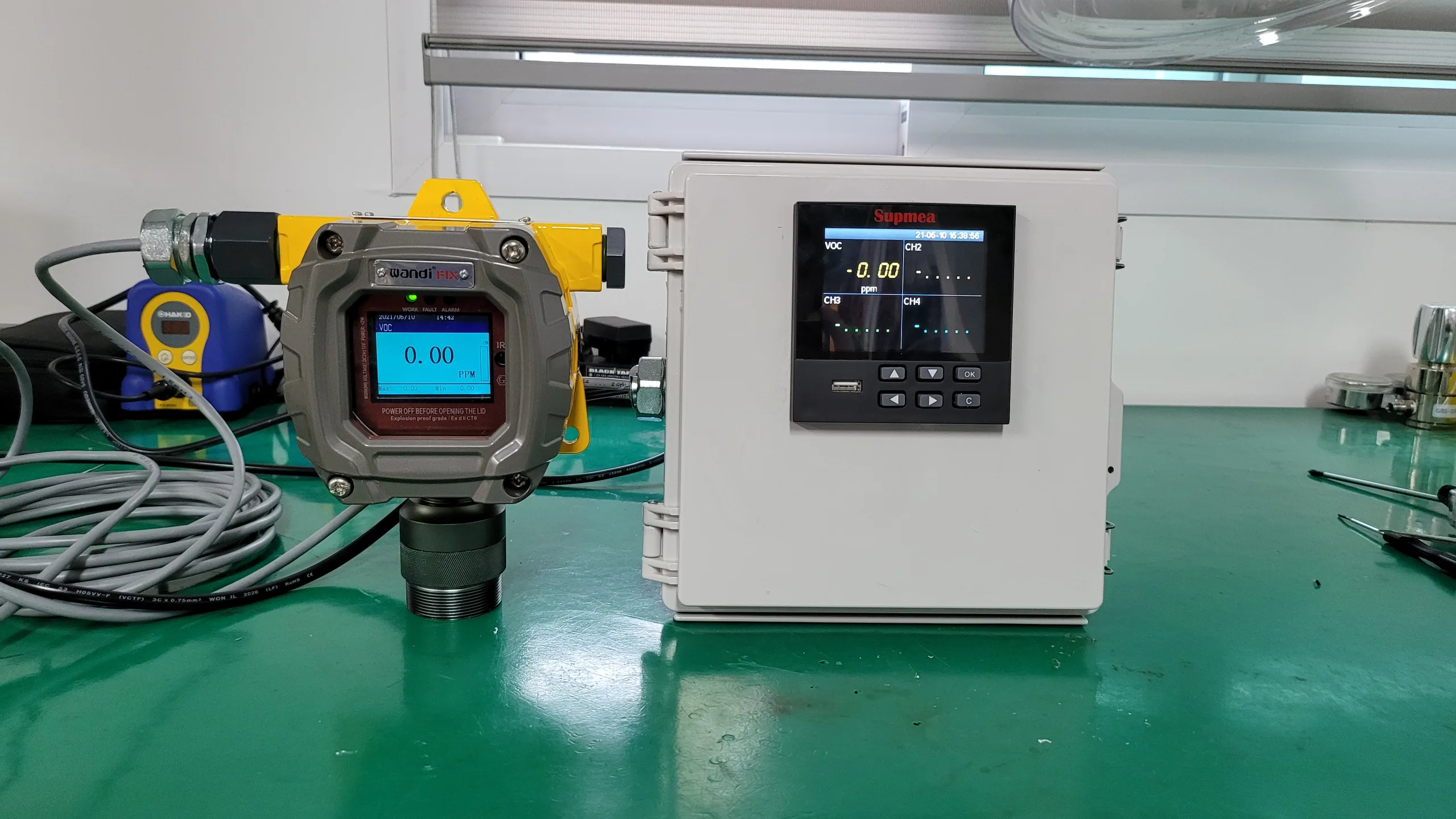
FIX800 + Data Logger R9600 — Detailed Data Management
A data logger R9600 4-channel model was configured alongside the detector to enable detailed trend logging and data management.
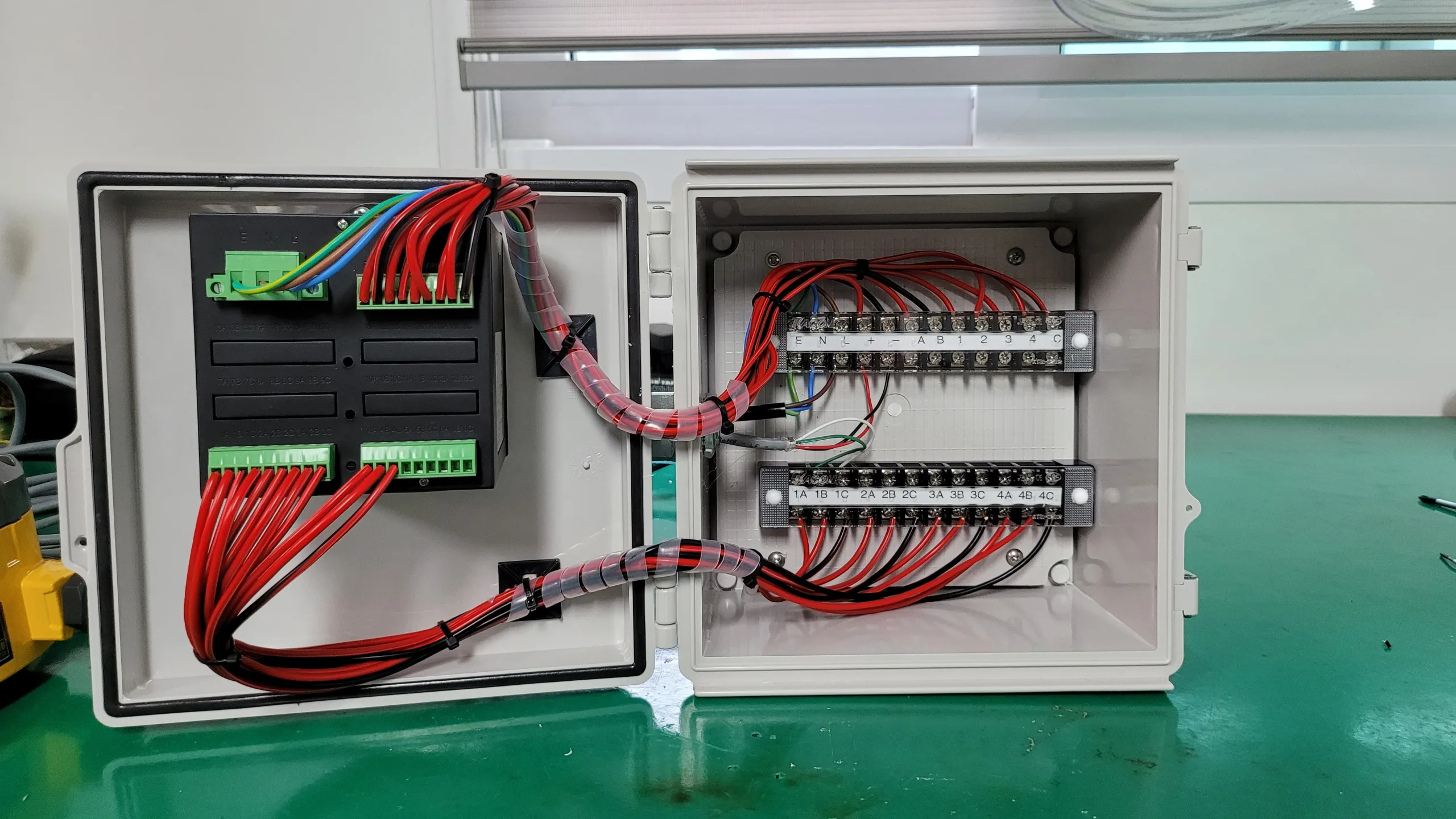
Although only one detector was installed at the time of construction, terminal blocks were organized in the distribution panel to allow straightforward future expansion without additional wiring work.
Post-Installation Field Calibration
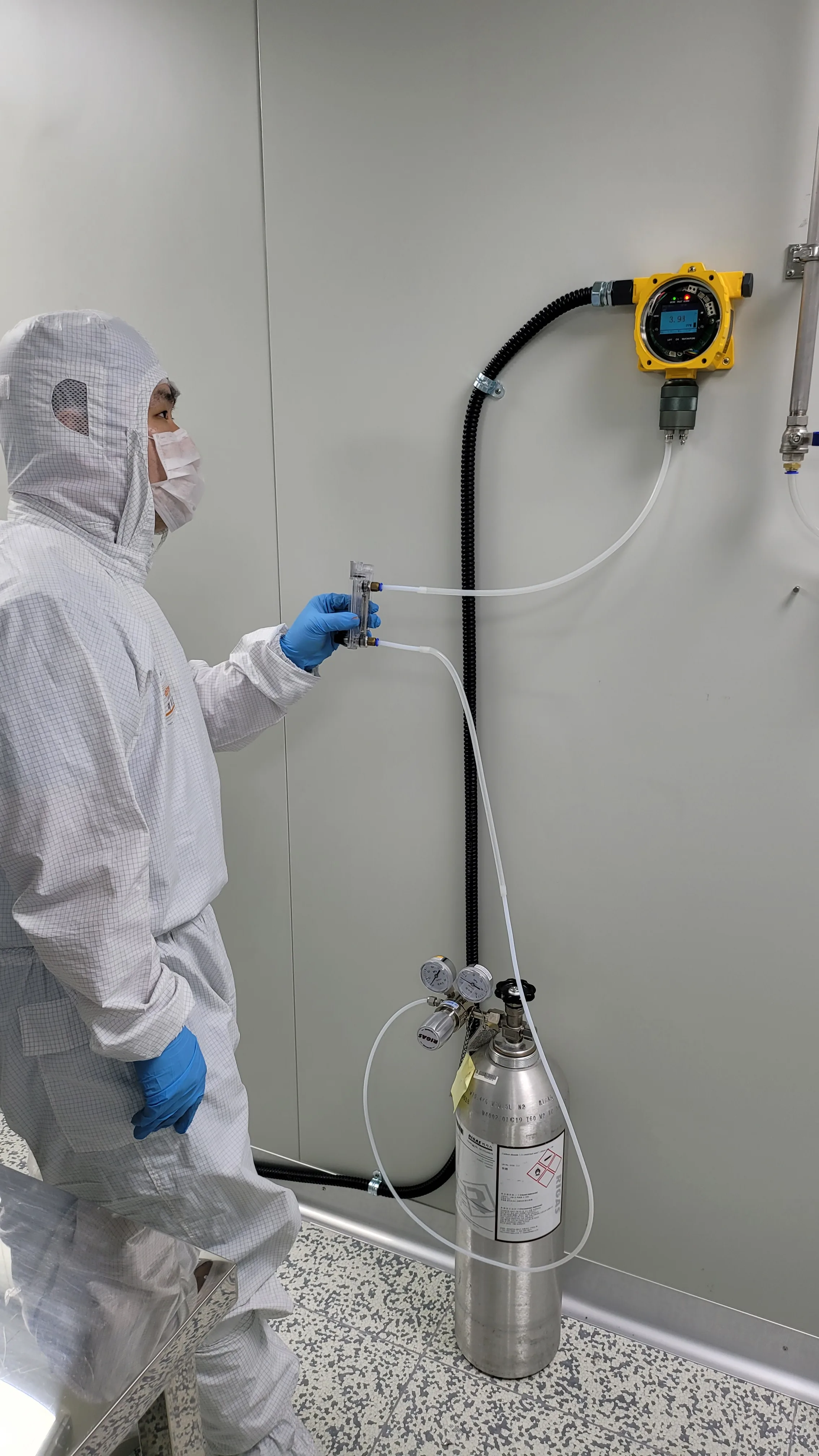
Following installation at the specified measurement point, field calibration was performed to verify sensor accuracy.
Re-Installation — Sample Conditioning Enclosure with Pump
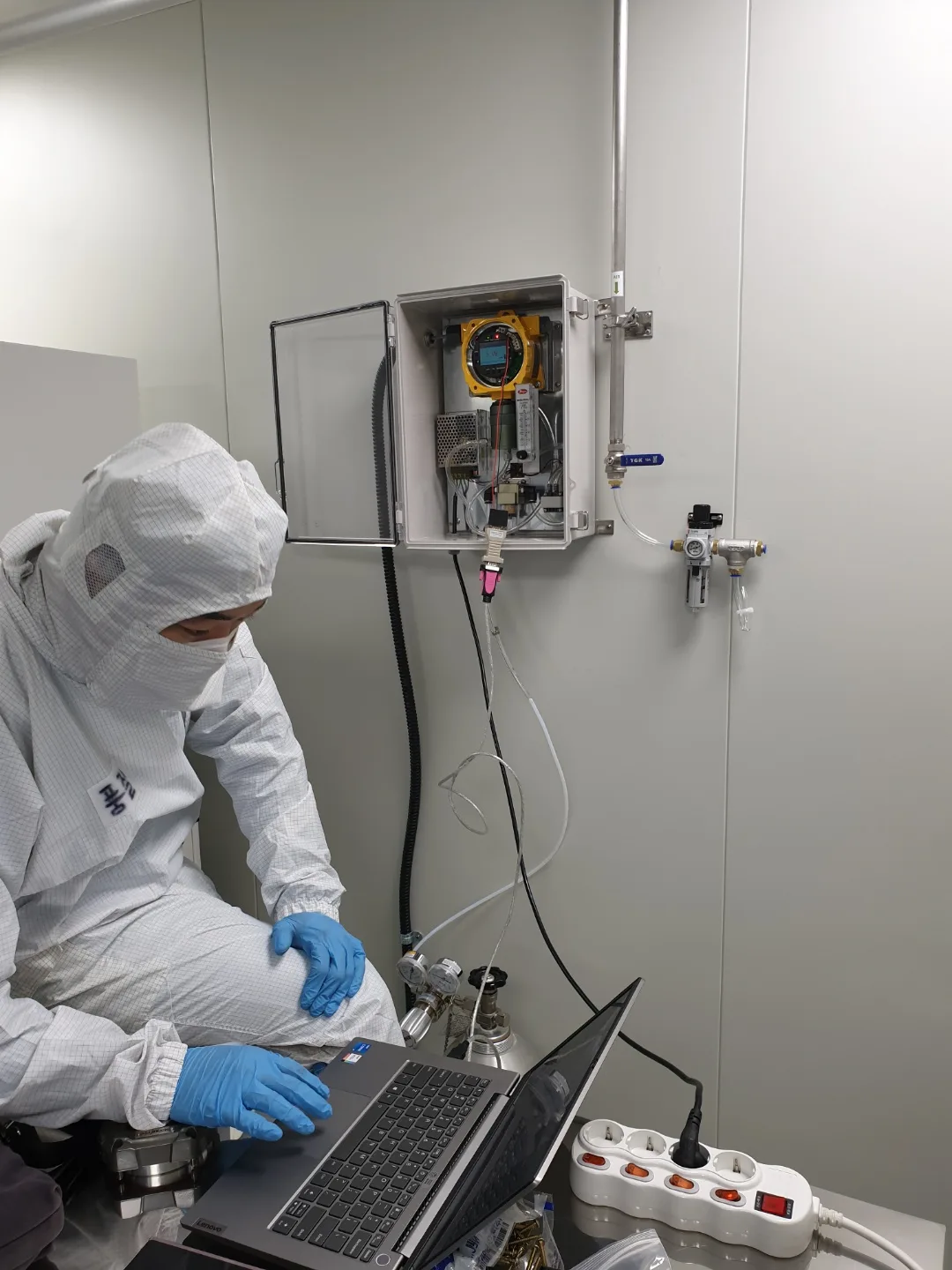
This photo is from a subsequent visit. Considering the measurement range limitations of the diffusion-type detector, a sample conditioning enclosure with a 4 L/min diaphragm pump was constructed and the system was reinstalled. This was a re-order initiated by the customer based on the initial operational experience.
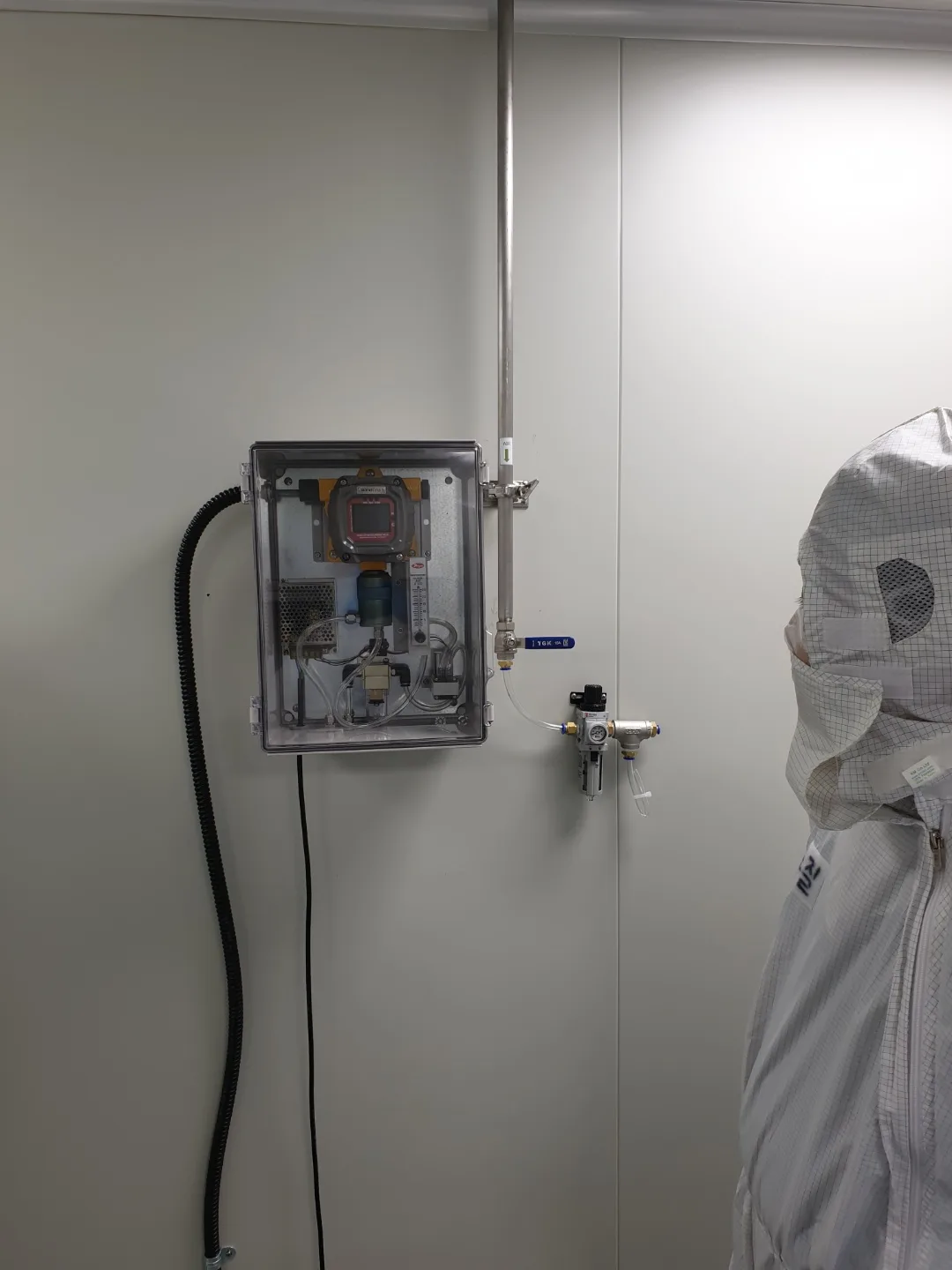
Construction and commissioning were completed successfully. This case illustrates how flexible solutions can be developed to match the specific requirements of each site.
Frequently Asked Questions
Q1. Why does residual VOC in a clean room affect product quality?
In medical device, semiconductor, and food-grade clean rooms, VOCs from disinfectants such as ethanol, IPA, or specialized cleaners can adsorb onto product surfaces or interfere with manufacturing processes. Verifying that VOC concentrations have fallen below the specified limit before resuming production reduces the risk of product non-conformance.
Q2. What is the difference between diffusion-type and pump-sampling detectors?
Diffusion-type detectors rely on ambient gas naturally contacting the sensor — simple and suited to continuous low-concentration monitoring. Pump-based detectors actively draw sample gas from a specific location, enabling accurate point-source measurement and access to gas inside piping or enclosed spaces. When diffusion-mode sensitivity becomes insufficient, switching to a pump-based configuration is the effective solution.
Q3. Why is a data logger included in this configuration?
Clean room quality management requires tracking how VOC concentration changes over time after disinfection. A data logger automatically records time-stamped measurements, enabling disinfection effectiveness analysis, quality reports, and traceability records — all of which may be required for regulatory compliance in medical device manufacturing.
Q4. Why were terminal blocks organized in the distribution panel?
Only one detector was needed initially, but the terminal block layout allows additional measurement points to be connected later without rewiring. Systematic initial wiring reduces both the cost and time required for future expansion.
Q5. What VOC components does the FIX800 0–10 ppm model detect?
Based on a PID (photo-ionization detector) sensor, it measures total VOC (TVOC) as a composite value — detecting most volatile organic compounds including benzene, toluene, ethanol, IPA, and formaldehyde. The 0–10 ppm low-range configuration is optimized for clean room environments where trace-level VOC monitoring is required. Identification and quantification of individual components requires gas chromatography analysis.
#CleanRoomVOCDetector #FIX800 #MedicalDeviceQualityControl #FixedVOCMonitor #DataLogger #PostDisinfectionVOC #SampleConditioningEnclosure #PIDSensor #WANDI #Siheung
![[레이먼드] 오,폐수 처리실 유해가스 모니터링](https://wandi.co.kr/storage/construction-cases/YxFUQVBZ8Unnk7pJzzfsmezr6xNe0LZvQRDmt7TL.jpg)
![[브이피이코리아] 종합병원 지하 밀폐공간 가스 측정기 설치_FIX800 & FIX-DS](https://wandi.co.kr/storage/construction-cases/gNOA28xSlEy5uU3AOxyHDRH5UfAe0TpMTgAt4Uag.jpg)

