Applied Markets
Installed Gases
Project Details
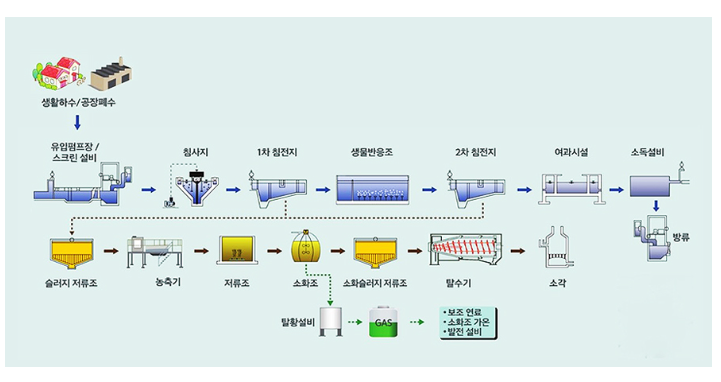
Hello, this is RS Korea. Today we visited a relay pump station that receives about 1,000 tons of wastewater a day and forwards it on to other pump stations or treatment plants.
■ What is a relay pump station?
A relay pump station is installed where the buried depth of a pipeline grows too deep, or partway along a long-distance pipeline, to carry wastewater onward to the next pump station or treatment plant.
■ Purpose of installation
This relay pump station is monitored around the clock. If a pump malfunctions, wastewater can back up through the surrounding drains and turn the area into a mess, so a fixed gas meter for confined-space safety was installed to protect workers during that continuous monitoring and inspection.
■ Installed items
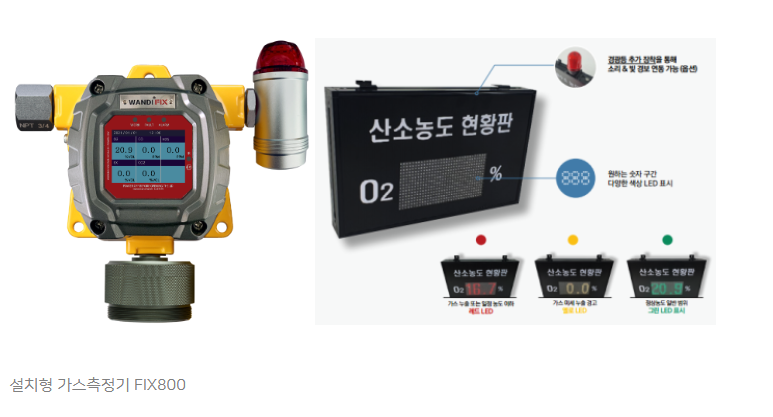
We're seeing a growing number of inquiries about fixed gas meters and status boards for sites like gas cylinder storage rooms, fire-protection zones, confined spaces, and laboratories — anywhere that checking gas levels with a portable meter before entering is impractical, or where a quick check is needed due to time pressure.
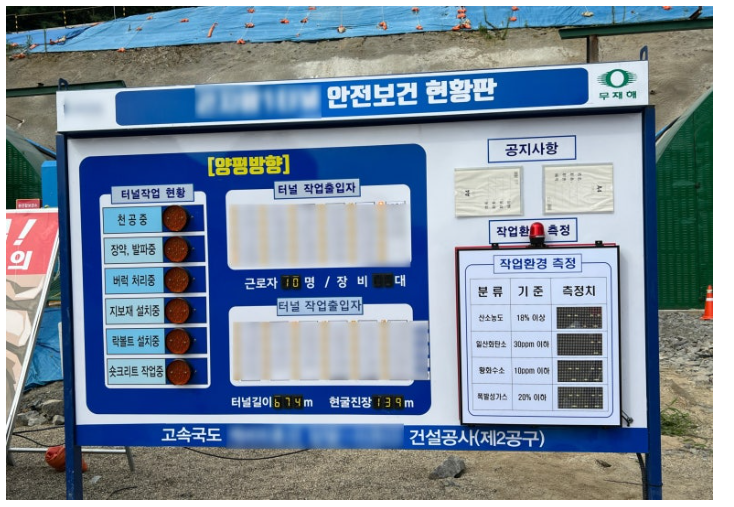
Fixed meters can measure reliably even in tunnel environments with heavy vibration, and since they use standard atmospheric diffusion sensing, dusty sites rarely cause measurement problems either. That said, if a pump-driven suction setup is needed, we can add a dust filter and build a custom preprocessor so the meter still performs well in a dusty environment.
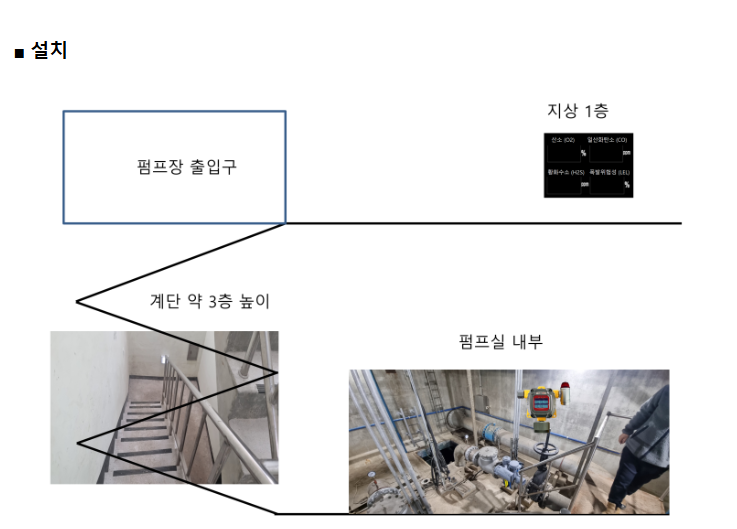
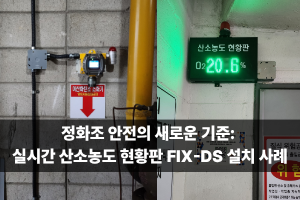
As more sites install the status board above ground and the meter itself below ground, our first move on arrival is usually to look up at the ceiling and start tracing the cable tray. Even a neatly secured flexible conduit can look untidy against white stairwell walls to workers or visitors passing through, so instead of routing along the stairs, we go to the electrical room, open the floor, locate the tray entrance, and trace the connection point from there. It's more work than running along the stairs — there's elevated work involved, and the schedule depends on how easily the wire feeds through from the basement — but the result is noticeably cleaner and more comfortable for everyone using the space. Normally, once the installation team is on schedule, we trust them to handle everything without needing a mid-project check-in or follow-up visit — that's how much confidence we have in their work and their follow-through when issues come up. This time, though, the site manager asked us to stop by, so we paid a quick visit to confirm everything was working well.
■ FIX800 fixed gas meter
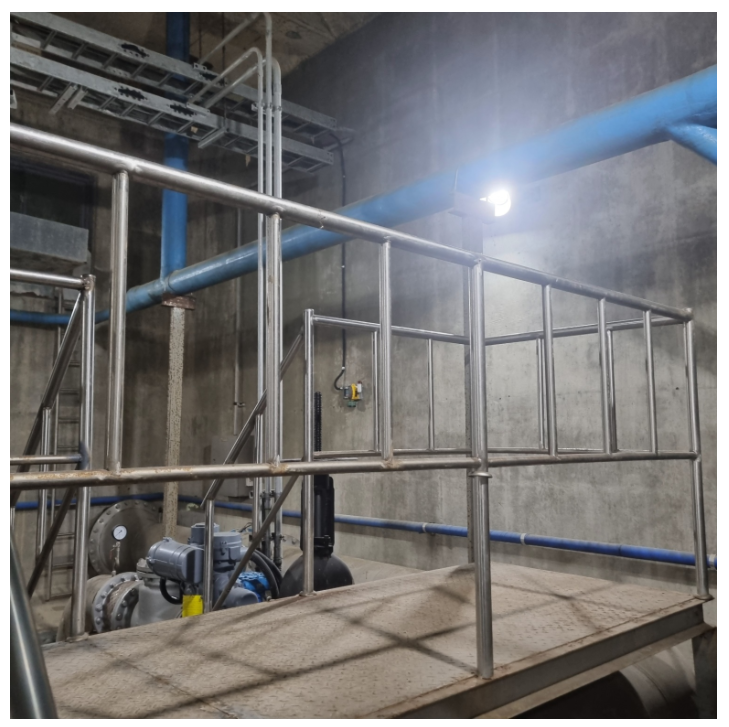
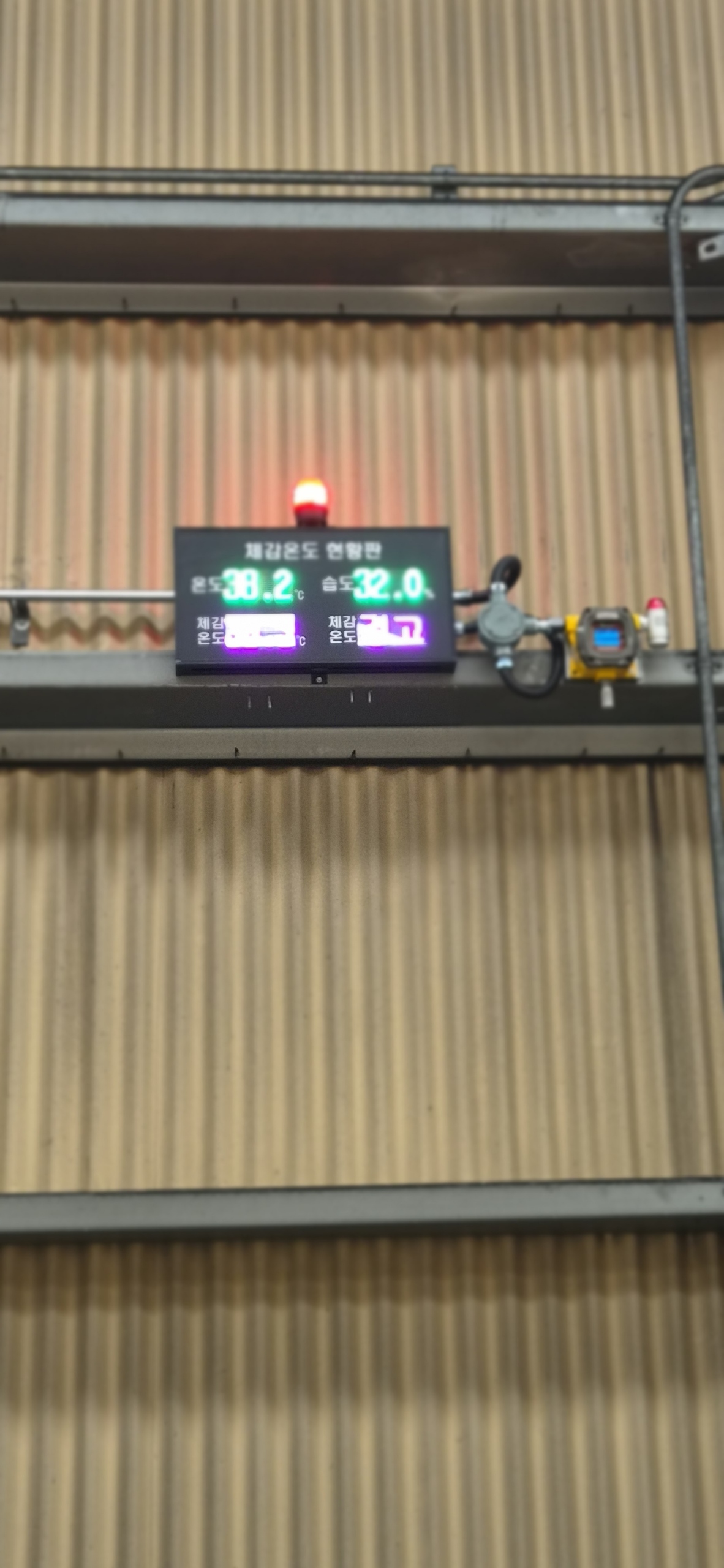
The site manager wanted to see how the remote control works and test the warning light alarm, so we started at the pump room where the meter is installed.
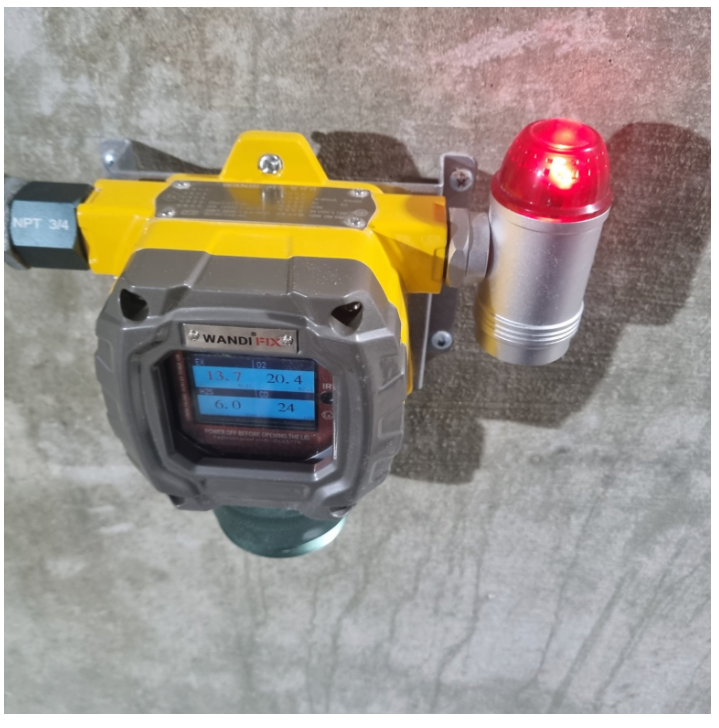
The manager's feedback: responsiveness ★★★★★, sound ★★★★ (would like it a bit louder, since pump noise could drown it out during operation), light ★★★★★. Overall, they were very satisfied with the product. They also wanted to confirm the status board's alarm sounded properly, so we triggered the alarm once more and checked the board.
■ Gas status board
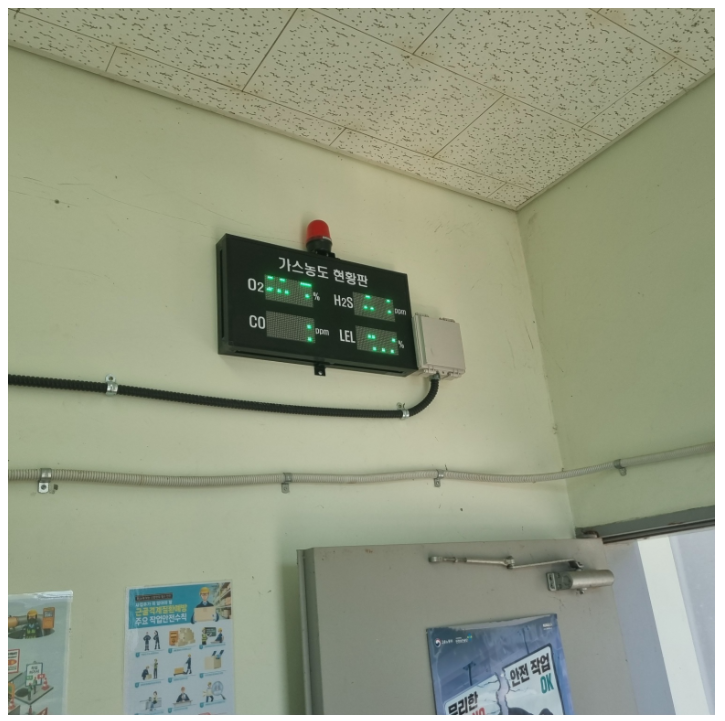
The status board was properly linked to the meter, displaying the same live concentration readings, and the wiring from the electrical room through the cable tray was solid, so we wrapped up product training and the demonstration without any issues.
All of the manager's questions were answered, the documentation was handed over, and the visit concluded there. If you have any other questions, please feel free to reach out to RS Korea any time — we're always happy to help with gas-related inquiries.

Frequently Asked Questions (FAQ)
Q1. How often should the meter be calibrated?
A1. We recommend calibration once a year. The calibration certificate is valid for one year, and since the meter and sensors are inspected during the process, it also doubles as routine maintenance.
Q2. What is the sensor's expected lifespan?
A2. Plan on roughly 1.5 years for some sensor types and about 2 years for the rest, depending on the specific sensor.
Q3. How can you tell if a sensor has failed?
A3. We can identify issues during calibration, or if you suspect a fault — for example, a reading of zero in a situation where gas should be present — you can call us or send the meter in for inspection.
Q4. How long does a repair take?
A4. We keep a working stock of confined-space safety sensors and hold all the parts needed for in-house fabrication, so repairs are typically completed within one to two weeks.
#FIX800#RelayPumpStation#GasStatusBoard#ConfinedSpaceSafety#WastewaterTreatment#GasDetector#IndustrialSafety#RSKorea#SensorCalibration#OccupationalSafety
![[레이먼드] 오,폐수 처리실 유해가스 모니터링](https://wandi.co.kr/storage/construction-cases/YxFUQVBZ8Unnk7pJzzfsmezr6xNe0LZvQRDmt7TL.jpg)
![[브이피이코리아] 종합병원 지하 밀폐공간 가스 측정기 설치_FIX800 & FIX-DS](https://wandi.co.kr/storage/construction-cases/gNOA28xSlEy5uU3AOxyHDRH5UfAe0TpMTgAt4Uag.jpg)

