Applied Markets
Installed Gases
Project Details
Hello, this is RS Korea. We've been seeing a growing number of inquiries about installing gas meters in fire-suppression protection zones. Following the regulatory change effective October 18, 2024, this installation was carried out the same way as our previous project in Yongsan.
■ Regulation
Starting October 18, 2024, the regulations governing carbon dioxide fire-suppression equipment changed. Based on this update, we received an inquiry about installing meters in a protection zone at a building in Yongsan, and after that installation, the same building owner asked us to install the same setup under identical conditions at their Busan building, so we proceeded.
■ What is a protection zone?
A protection zone is an area that is normally monitored and controlled by fire detection equipment, where the fire-suppression system activates automatically to put out a fire. Because these systems release carbon dioxide, a malfunction or accidental discharge can create serious risk in this zone.
■ Effects on the human body (by concentration)
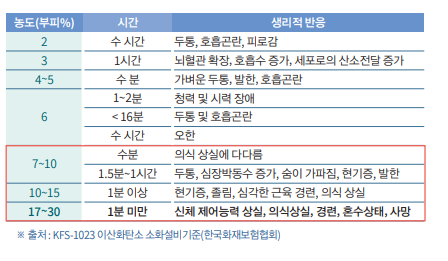
One reason to install an oxygen meter in a protection zone is that if the carbon dioxide system discharges while people are present — releasing gas up to a minimum concentration of 34% within 60 seconds — anyone who doesn't evacuate immediately can suffer suffocation, poisoning, and even death.
■ Installed products
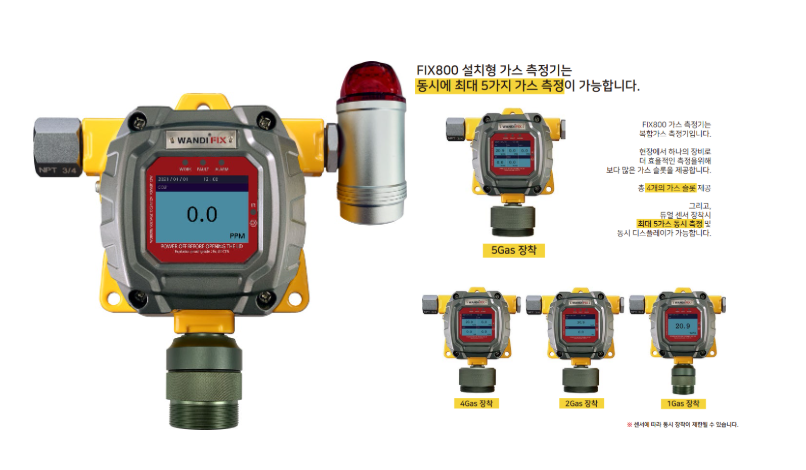
The configuration can be tailored to the site: from a single O2 (oxygen) meter up to the four gases required for confined spaces under the Occupational Safety and Health Act (O2, CO, H2S, LEL), or the full five gases (O2, CO, H2S, LEL, CO2).
■ Installation — 9 zones total
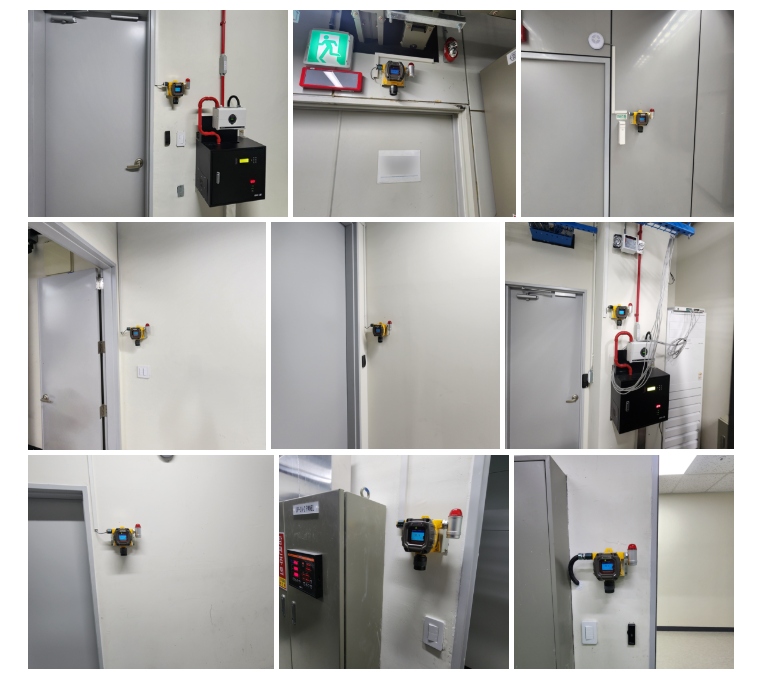
FIX800 O2 units installed at all 9 locations.
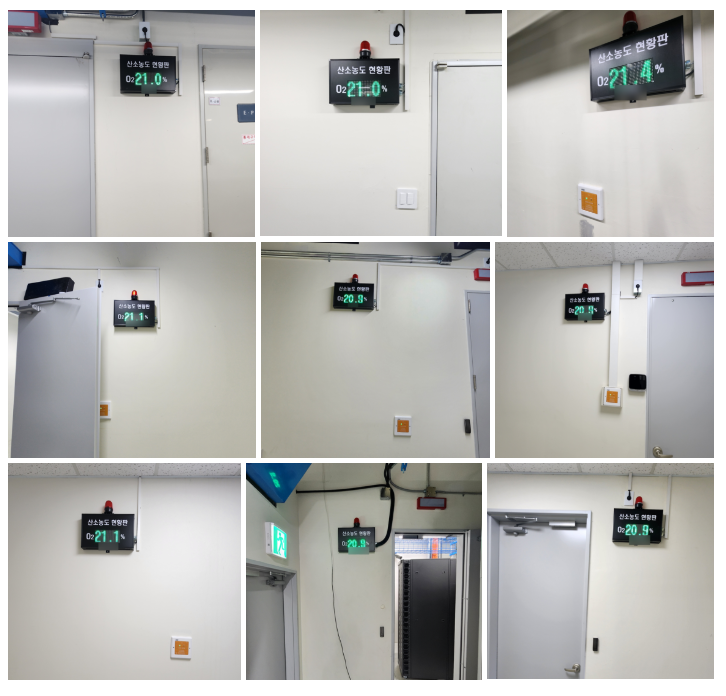
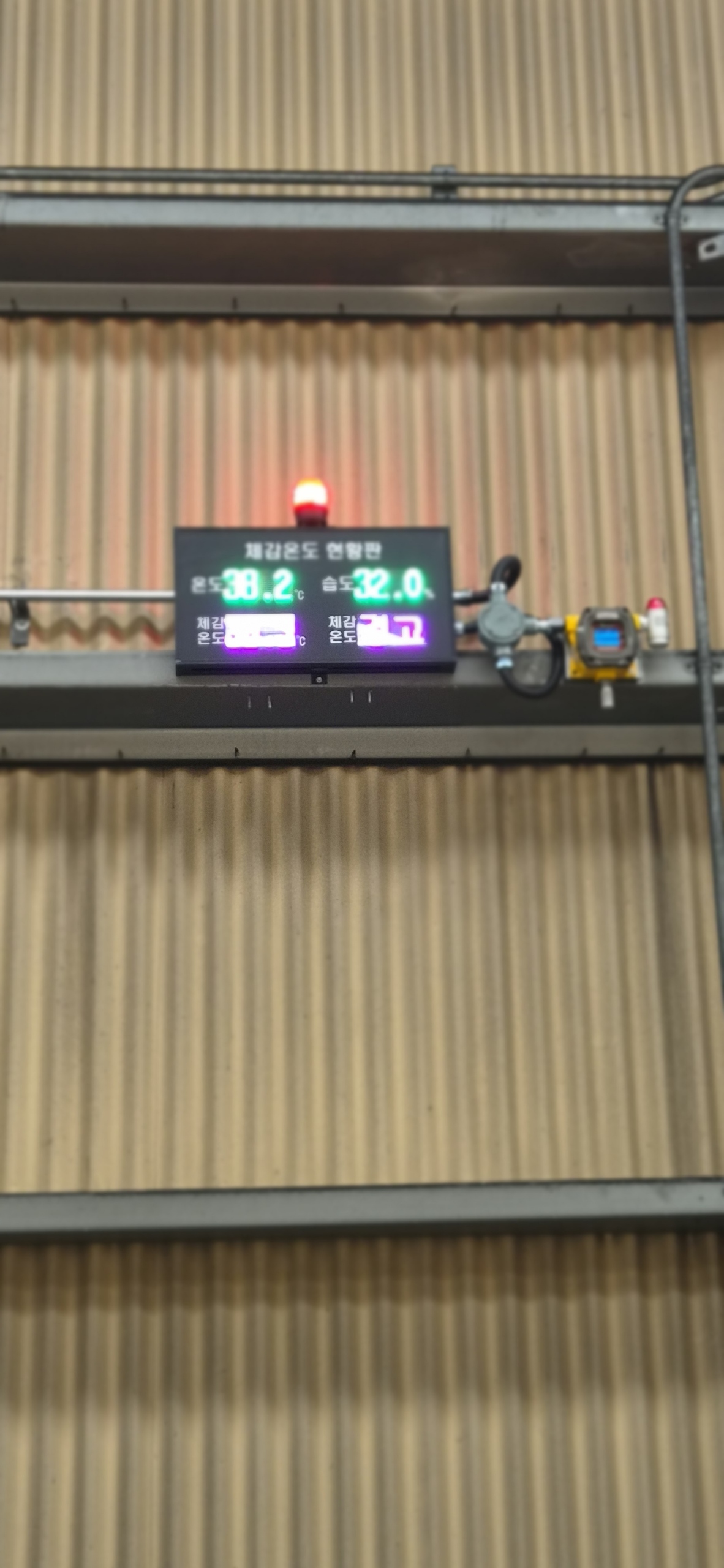
Electronic status boards (1-channel) installed at all 9 locations. Installation of the protection zone equipment at the Busan building is now complete.
Major facilities need fire-suppression equipment installed, and worker safety requires gas meters installed. A protection zone exists to safeguard those major facilities, and a gas meter is what safeguards the workers inside it. Inquiries about gas meters and installation are always welcome.
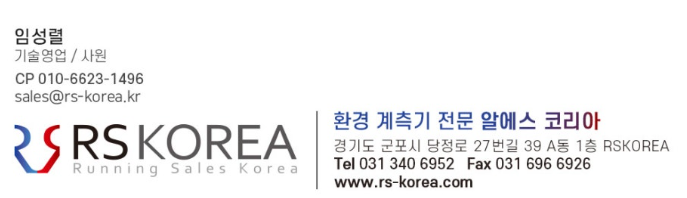
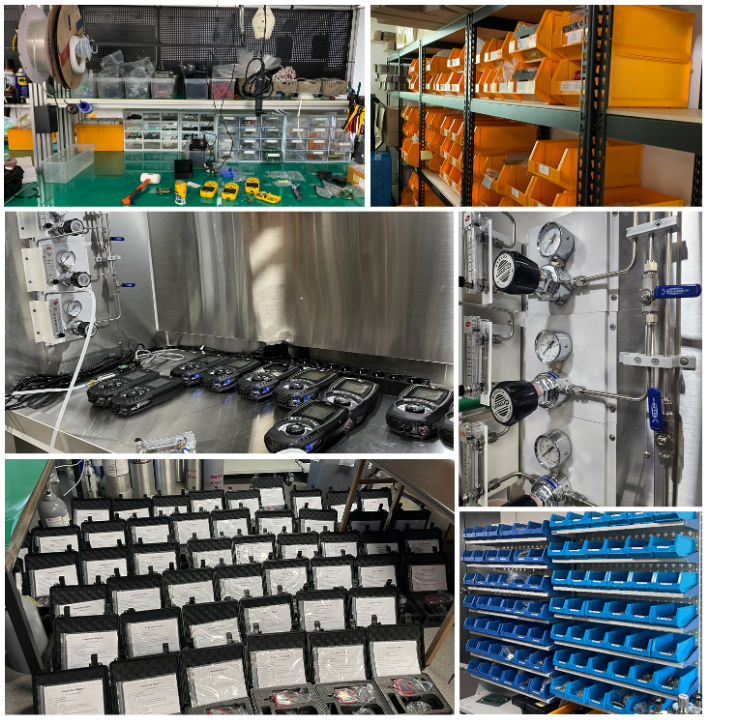
Beyond simple product sales, RS Korea is a gas-specialized company offering in-house calibration, domestic repair (A/S), custom manufacturing, and installation work. Drawing on experience across many site surveys, deliveries, repairs, and installations, we provide 1:1 customized solutions for gas measurement environments.
Frequently Asked Questions (FAQ)
Q1. Why does a fire-suppression protection zone need an oxygen meter?
A1. When a CO2 fire-suppression system discharges, it can release gas up to a minimum concentration of 34% within 60 seconds. Anyone present who doesn't evacuate immediately risks suffocation, poisoning, or death, so continuous oxygen monitoring gives an early warning to evacuate.
Q2. What changed in the regulations from October 18, 2024?
A2. The rules governing management of carbon dioxide fire-suppression equipment were revised as of that date, prompting many building owners — including this Busan site, following an earlier installation in Yongsan — to add gas monitoring to their protection zones.
Q3. Can the gas meter configuration be customized per site?
A3. Yes. Configurations range from a single O2 (oxygen) meter up to the four gases required for confined spaces under the Occupational Safety and Health Act (O2, CO, H2S, LEL), or the full five-gas setup (O2, CO, H2S, LEL, CO2).
Q4. What was installed at this Busan site?
A4. A total of 9 protection zones were equipped with FIX800 O2 meters, each paired with a 1-channel electronic status board, for a total of 9 meters and 9 display units.
Q5. Does RS Korea only sell the equipment, or also support it afterward?
A5. RS Korea provides the full lifecycle: site survey, configuration, installation, in-house calibration, and domestic repair (A/S), all tailored to each site's specific gas measurement needs.
#FIX800#OxygenMeter#ProtectionZone#FireSuppressionSystem#CO2Safety#GasDetector#IndustrialSafety#RSKorea#BusanInstallation#OccupationalSafety
![[레이먼드] 오,폐수 처리실 유해가스 모니터링](https://wandi.co.kr/storage/construction-cases/YxFUQVBZ8Unnk7pJzzfsmezr6xNe0LZvQRDmt7TL.jpg)
![[브이피이코리아] 종합병원 지하 밀폐공간 가스 측정기 설치_FIX800 & FIX-DS](https://wandi.co.kr/storage/construction-cases/gNOA28xSlEy5uU3AOxyHDRH5UfAe0TpMTgAt4Uag.jpg)

