Installed Gases
Project Details
Hello, this is RS Korea. Today, I went to Mokpo, one of the four most popular tourist cities in Korea, to install a gas meter. I visited the installation site this time because an organization that conducts water quality testing and sewage treatment had inquired about installing a gas meter to ensure the safety of field workers.
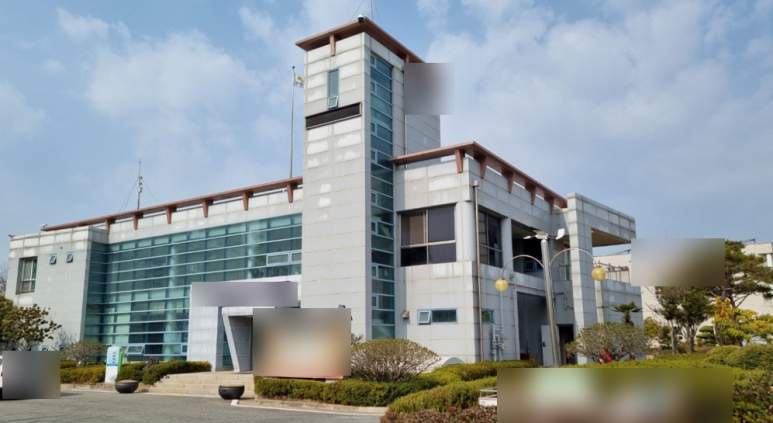
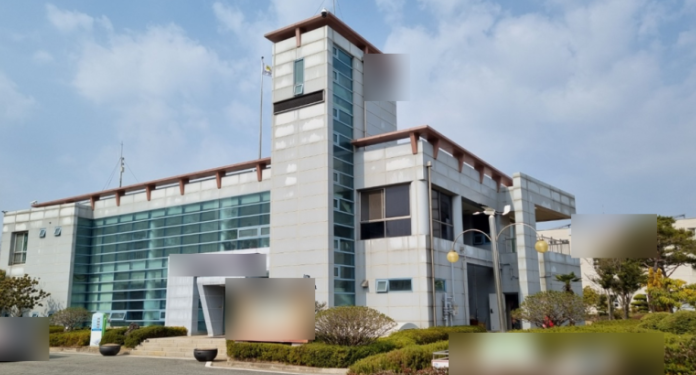
■ Sewage treatment process Sewage and wastewater are collectively called sewage. These two have their own differences. What is sewage? It refers to domestic sewage discharged from toilets, kitchens, bathhouses, etc. in relation to people's daily lives. In other words, it refers to water that has become dirty due to human use. What is wastewater? In modern society with consumer and industrial activities, various wastes are constantly discharged as by-products of material civilization activities. Although there is household wastewater that discharges waste materials, the liquid discharged from factories is usually called wastewater. What is a sewage treatment plant? It is a place where sewage discharged from homes or pollutants is collected through conduits and the water quality is purified through biological, physical and chemical treatment processes. A lot of the water we use and discard in our daily lives contains a lot of nutrients (nitrogen and phosphorus), suspended solids, and organic matter. If this water flows directly into rivers or the sea, aquatic life will suffer a lot of damage. Sewage treatment improves water quality and improves the environment, including reducing pests and odors. It is also good for economic efficiency and maintenance because it is treated together. ● Sewage treatment process


Sewage inflow - silt basin - inflow pump - initial sedimentation tank - biological reactor - final sedimentation tank - total phosphorus equipment - disinfection - discharge inflow Sewage discharged from homes or pollutants flows in through the sewer. Soil, sand, and various debris that come with the silt groundwater are pumped out by a large pump to settle in the silt basin. The sewage that flows in from the first sedimentation tank of the treatment biological reactor moves to the final sedimentation biological reaction tank, a facility that biologically removes organic substances, nitrogen, and phosphorus from the sewage by microorganisms, and the mixed solution stays for about 2 to 3 hours. In this process, the activated sludge (*) is deposited and some of it is returned to the bioreactor, the excess sludge is sent to the concentrator, and the clean supernatant is sent to the total phosphorus facility. Total phosphorus facility Final sedimentation tank effluent is discharged to a facility that removes phosphorus by injecting a coagulant from the total phosphorus facility. Cleanly purified water is sent to the river ● Sludge treatment process: Concentrator Mixes the raw sludge settled in the first sedimentation basin and the excrement sent from the excrement treatment facility. and concentrated and sent to the digester. After decomposing the organic substances in the first digester, the sludge is separated into solids and liquids in the second digester and sent to the grit chamber and dehydrator. Dehydration room coagulant is supplied and the moisture content is about 80%.
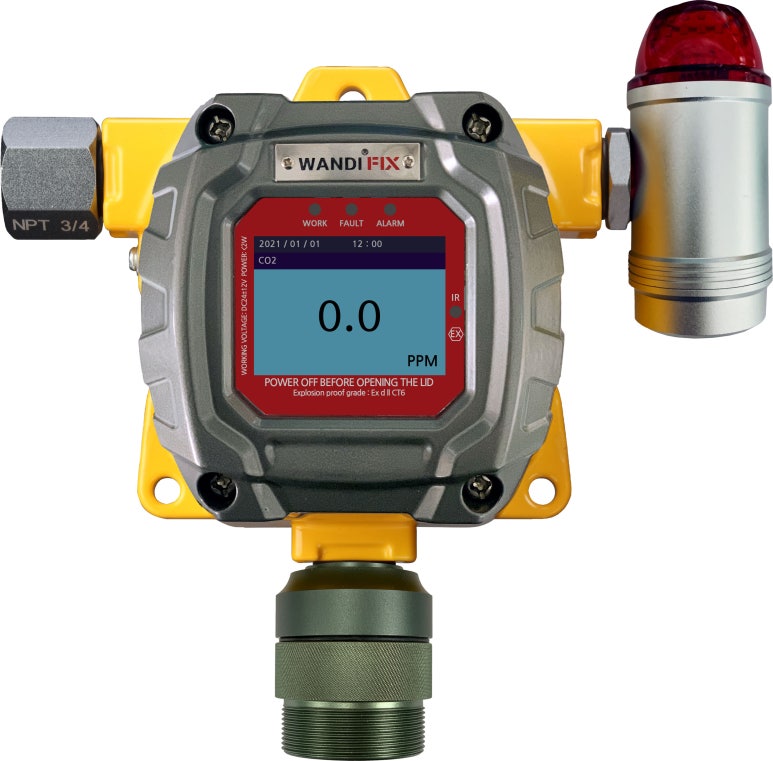
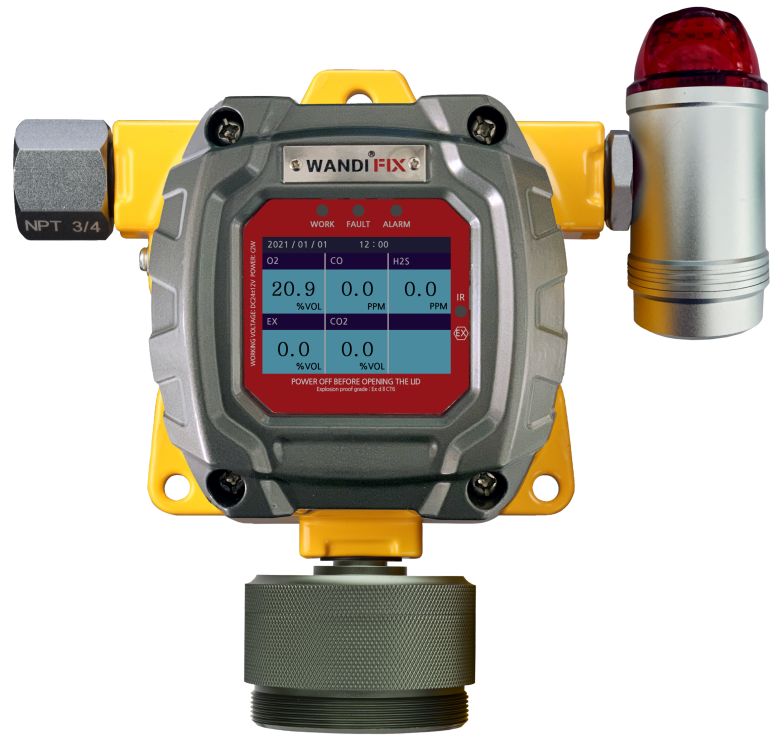
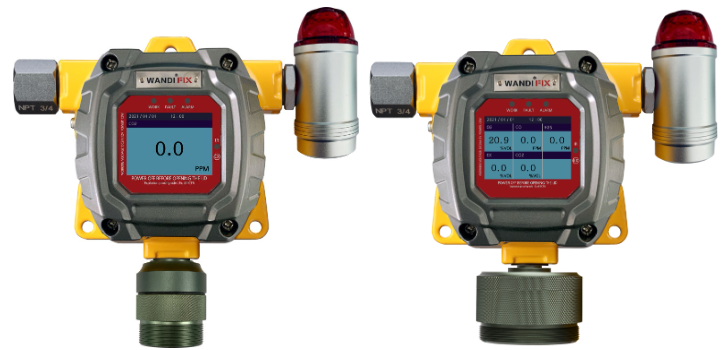
With one meter, it is possible to install five safety gases (O2, CO, H2S, LEL, CO2) according to the Occupational Safety and Health Act. Please refer to the photo above. The photo on the left shows when a single gas is installed, and the photo on the right shows when a combined gas is installed.
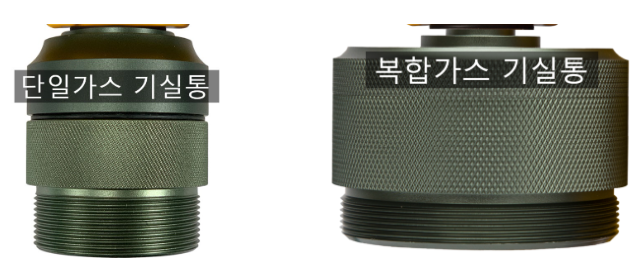
You can see that the size of the air chamber at the bottom is different. If you look at the measuring part, single gas has one measuring part, so the air chamber is thin, while composite gas has two or more measuring parts, so the air chamber is thicker.
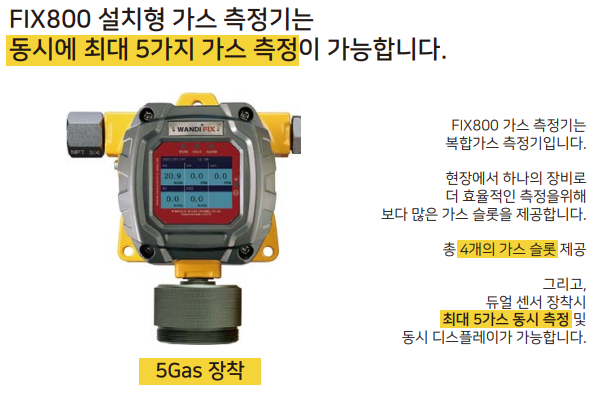
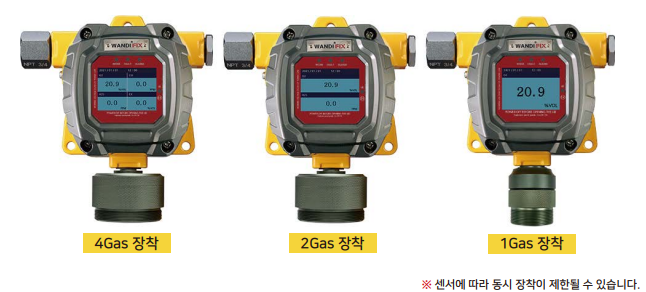
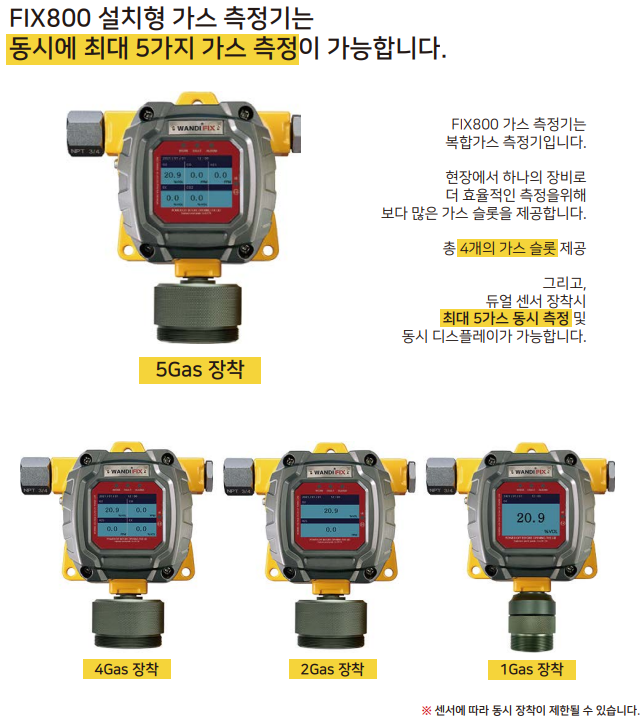
Wandi Fix 800 has different air chambers depending on whether the installed gas is single or combined. This also applies to the display. From a list of over 40 gases, from a single gas to a maximum of 5 gases can be installed when dual sensors are installed, and the installed gases are displayed at the same time as they are measured, allowing you to check the measured values in real time. In addition, by connecting to an optional electronic signboard, PLC, etc., you can see the measured values in real time from outside, so you can respond immediately with an alarm in case of danger.※ Please check the list of gases that can be installed on FIX800 by accessing the URL below. https://www.rs-korea.com/shop/goods_view.php?gno=326&mtype=all&cate1=83&cate2=95 ■ Installation environment / Point● Installation environment This installation environment is It is an enclosed space inside a wastewater treatment plant. It is an inlet pump room, which is one of the treatment processes, a sedimentation tank, and a dehydration room, which is one of the slurry treatment processes. ● Gas / concentration O2 (oxygen) 0-30%VolH2S (hydrogen sulfide) 0-100ppmLEL (combustible gas) 0-100%LEL● Installation pointInstallation point 1: Inlet pump room
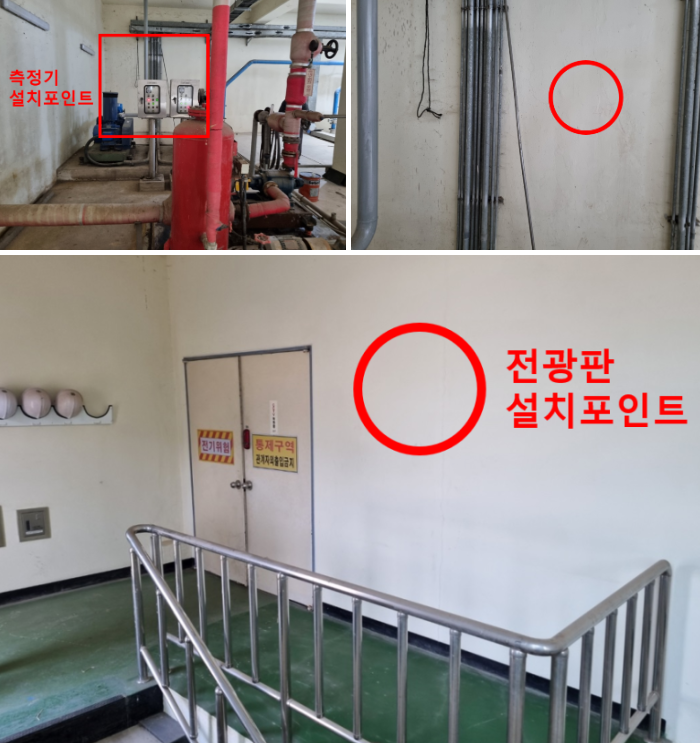
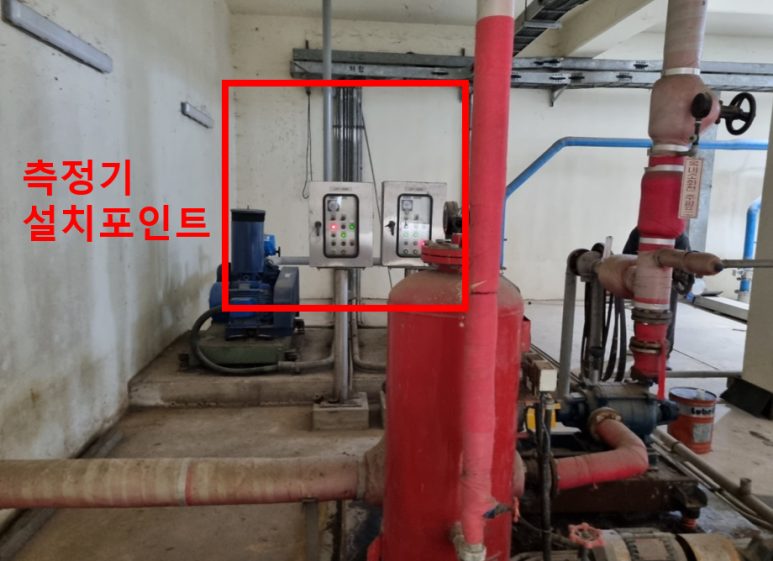
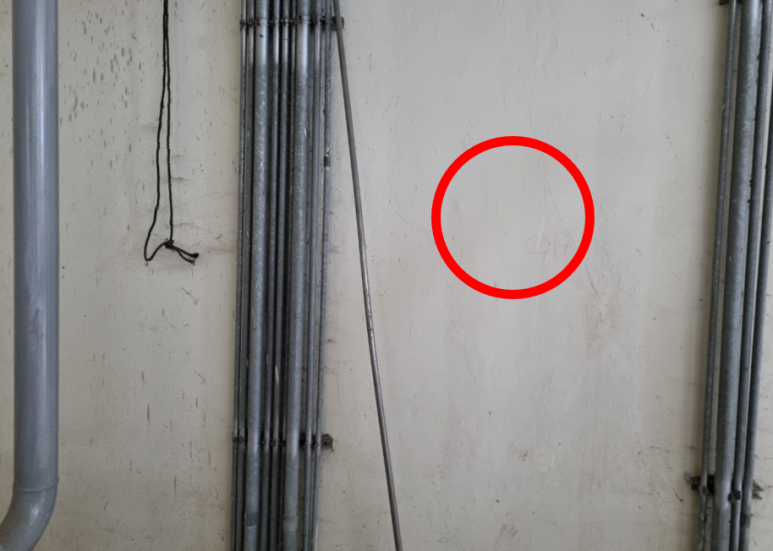
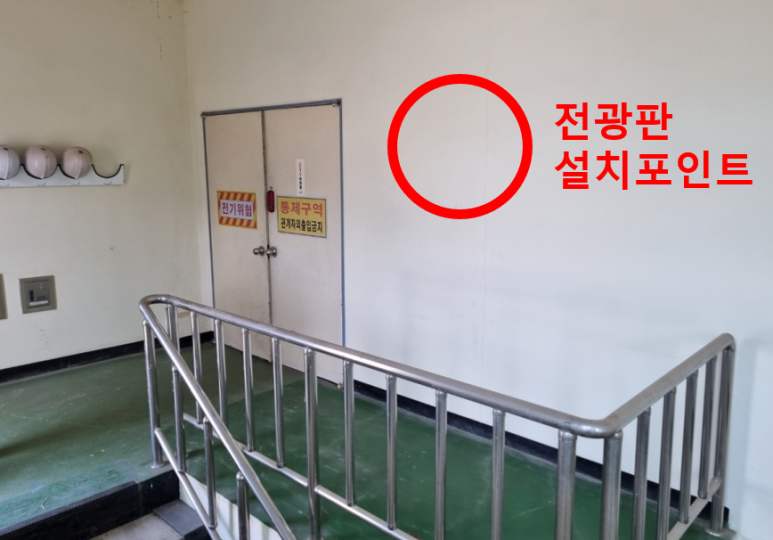
The first installation point is the 'inflow pump room'. It is a process of pumping sewage with a large pump to settle the sewage. Because it was the initial process, it was an environment where a bad smell was generated. Installation point 2: Sedimentation basin
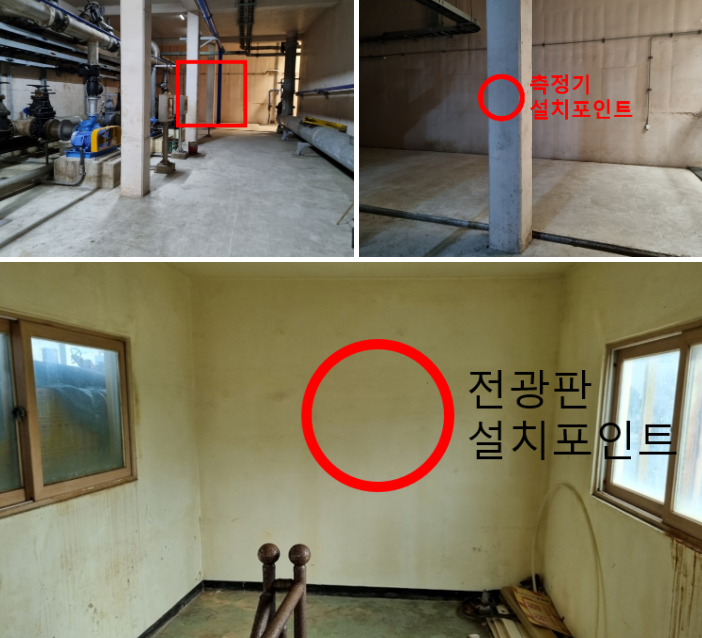
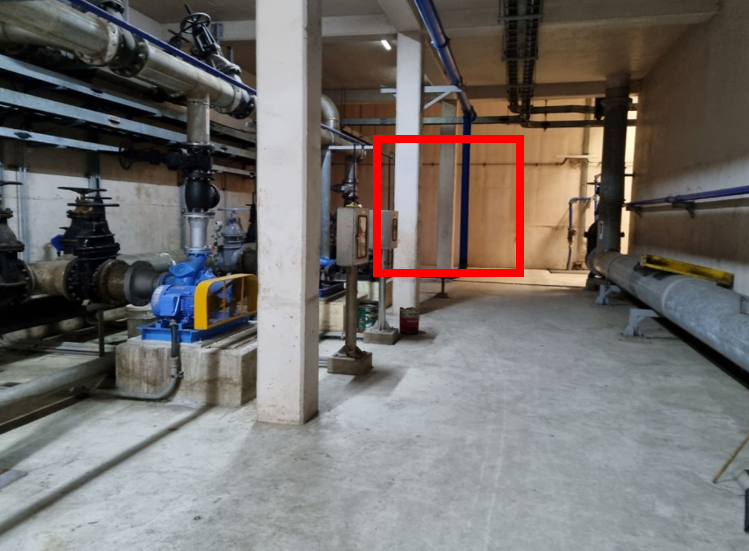
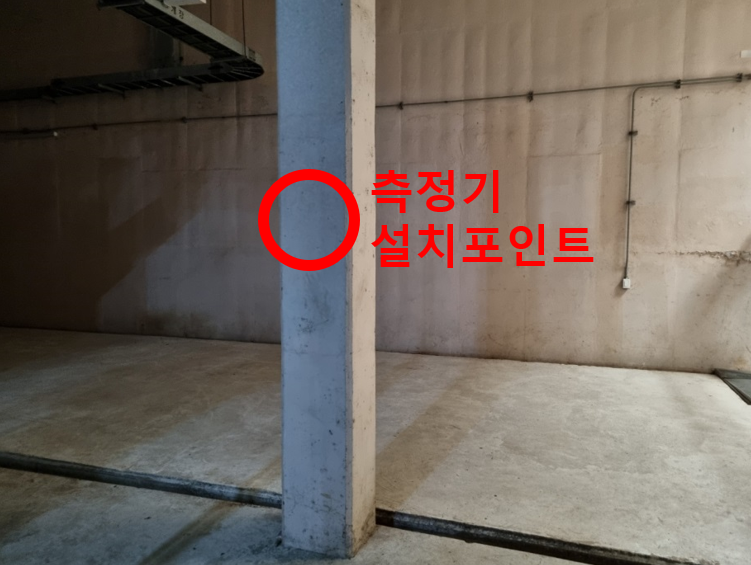
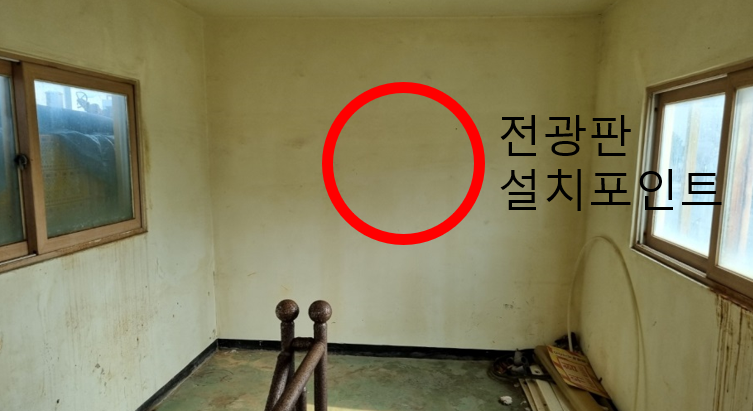
The second installation point is the 'sedimentation tank'. It is a facility where the inflowing sewage stays for a short period of time, settles the precipitable solids, and then sends them to the bioreactor. The sedimentation tank was also close to the initial process, so it was an environment where bad odors were generated. Installation point 3: Dehydration room
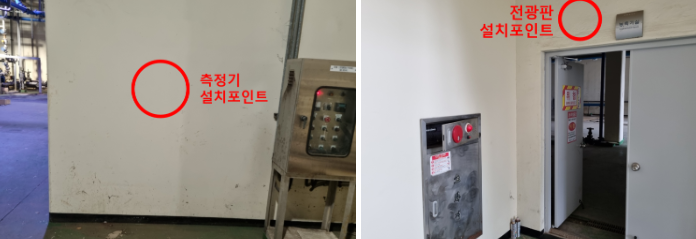
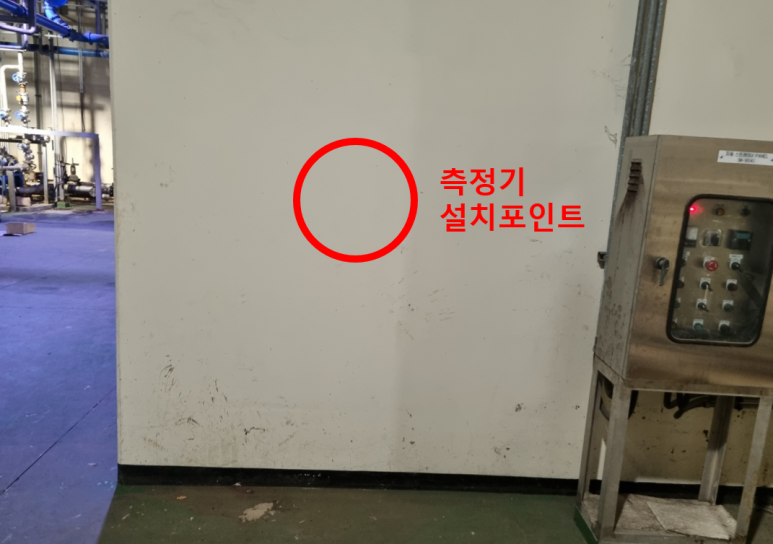
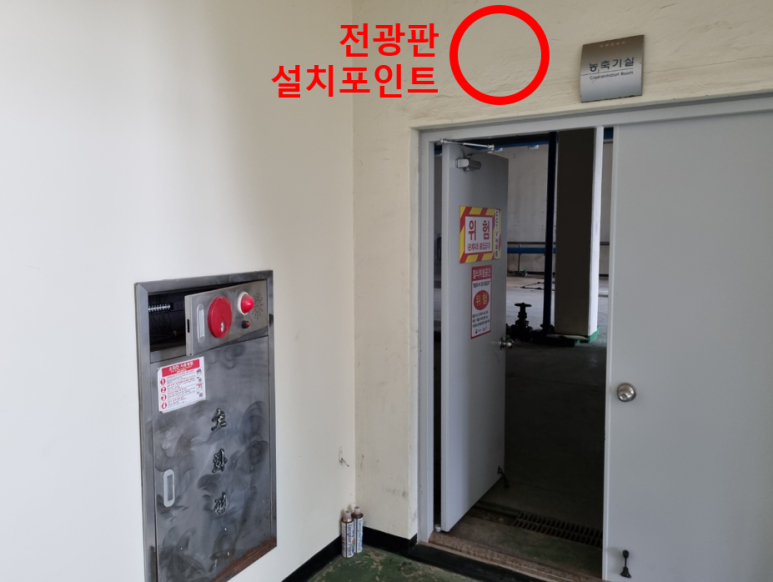
The third installation point is the dehydration room. During the sludge treatment process, a coagulant is supplied to increase the dehydration effect of the digested sludge and concentrated sludge that has passed through the digester and the concentrated sludge is dehydrated to a water content of about 80%. ■ Installation
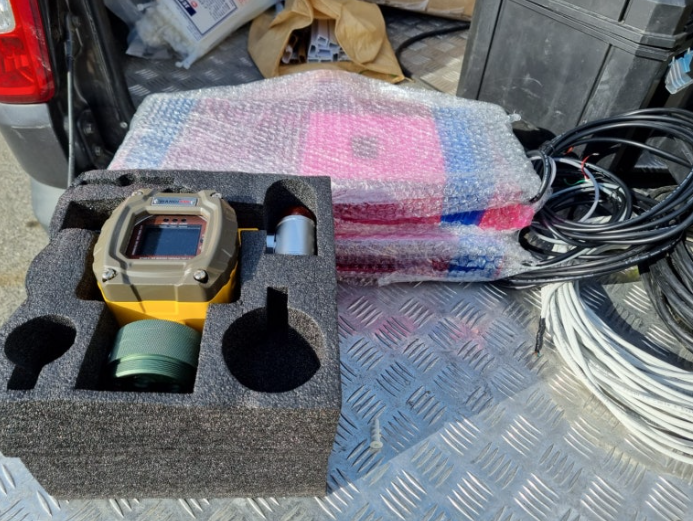
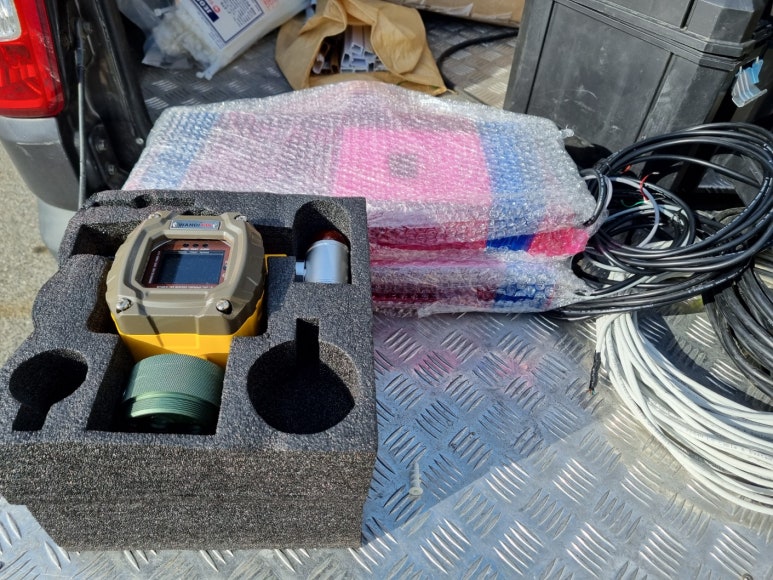
This is today's installation equipment. Installation is being carried out at a total of three points, so there should be three sets... but the construction team came faster before I could take pictures, so I was unable to take pictures of one set because installation was already in progress. I'll have to move more diligently next time. ● During installation, installation point 1: Settlement pond
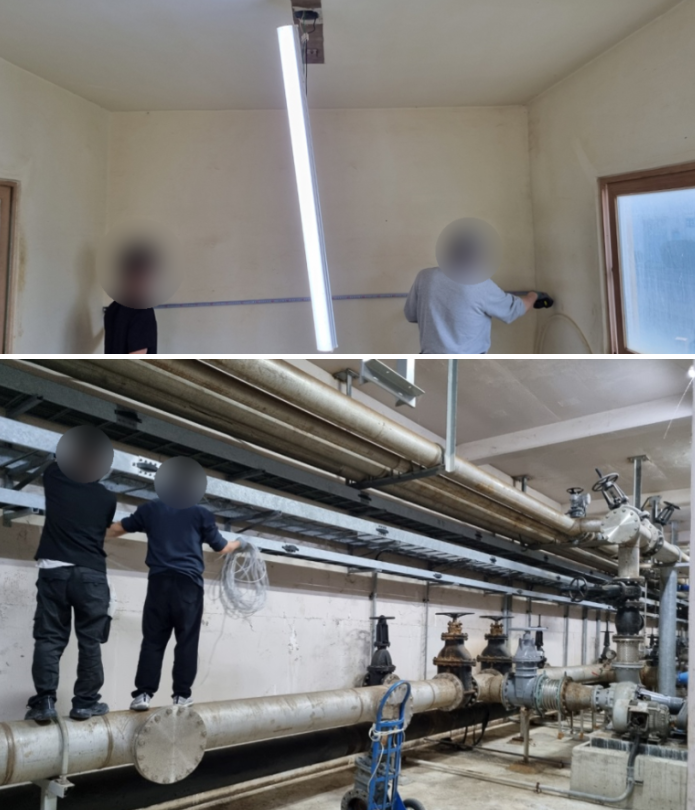
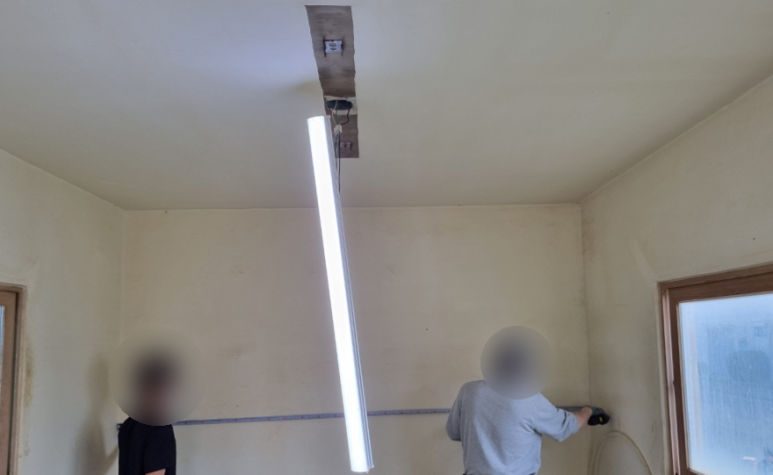
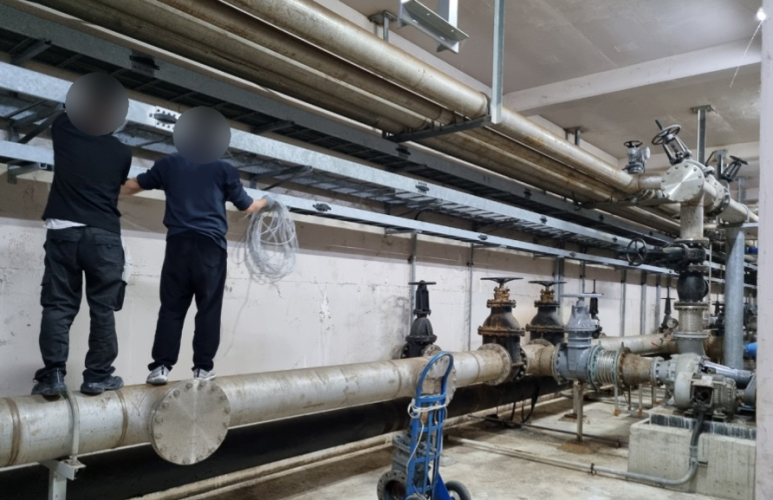
For the building where this construction was carried out, I had a lot of concerns about where to supply power during the installation inspection, so I asked the person in charge, and he told me that there was no place nearby to supply power, so I would have to jump from a fluorescent light, so I proceeded with it. As expected, it is better to ask than to think on my own. As for laying work, I experienced inconveniences during work at heights due to the structure, so I asked the person in charge, and he advised me to step on the structure to work, making power and communication line work more convenient. We proceeded.
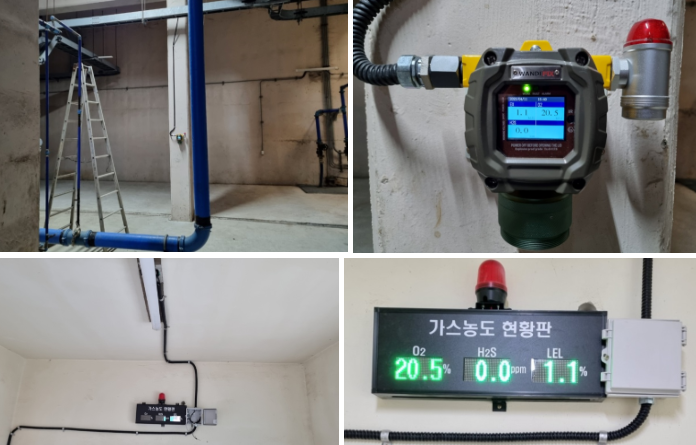
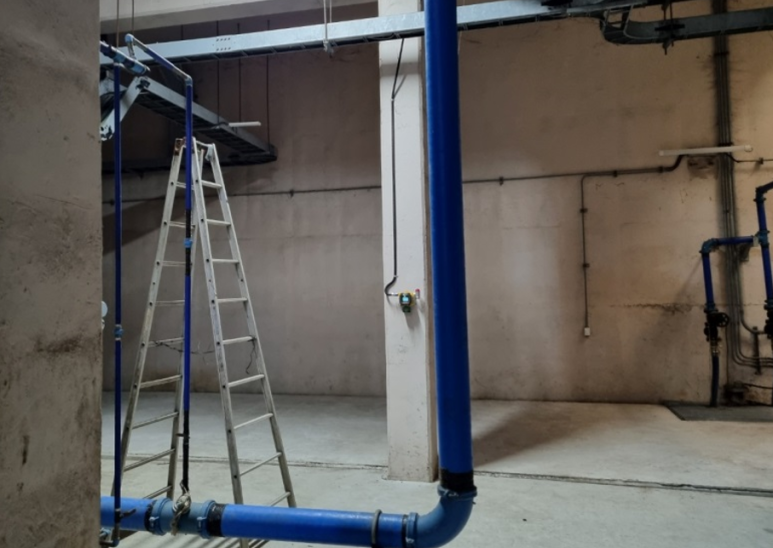
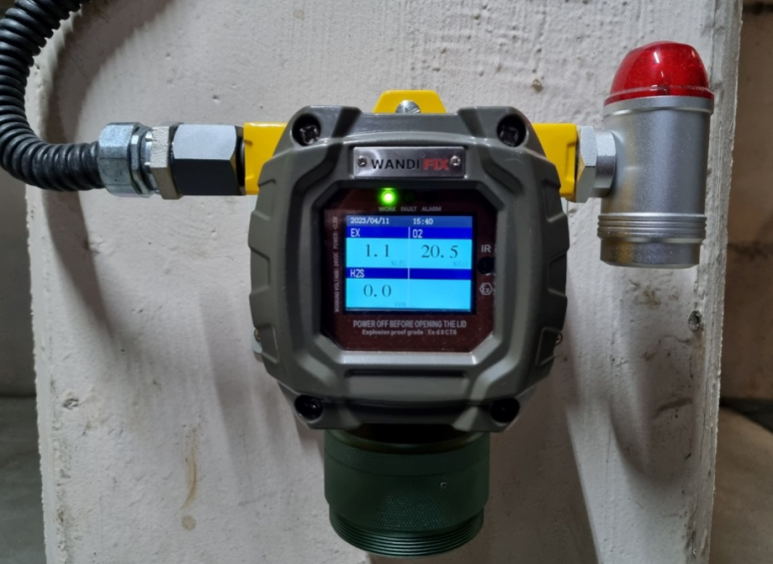
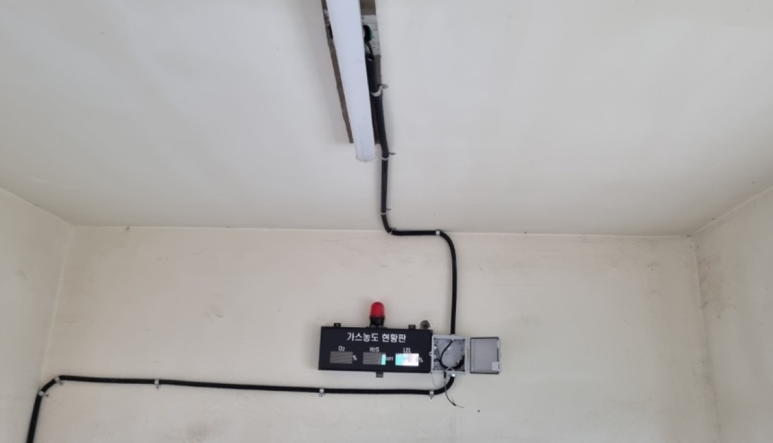
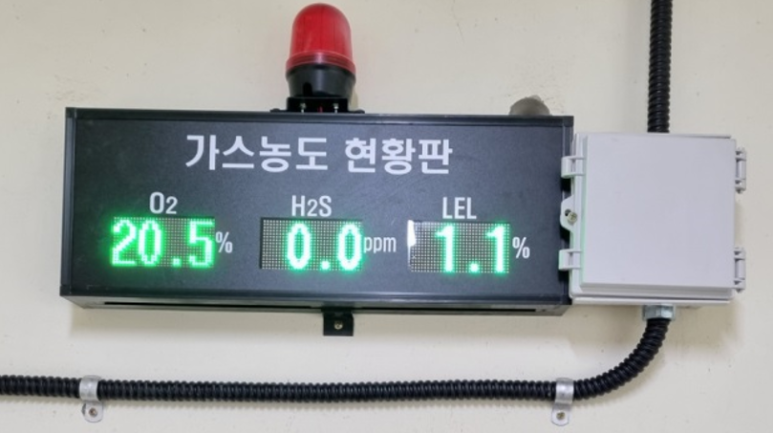
Installation of the first installation point 'sedimentation basin' has been completed. Installation point 2: Inlet pump room
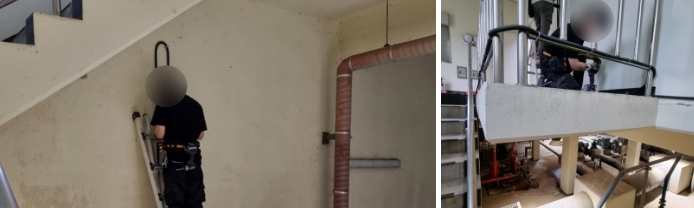
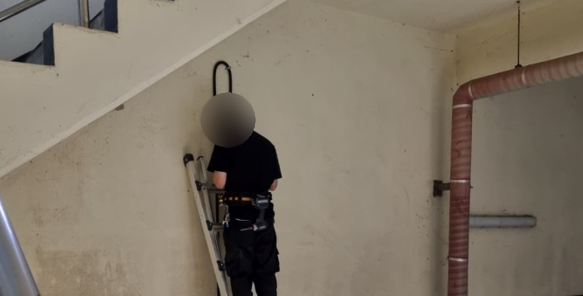
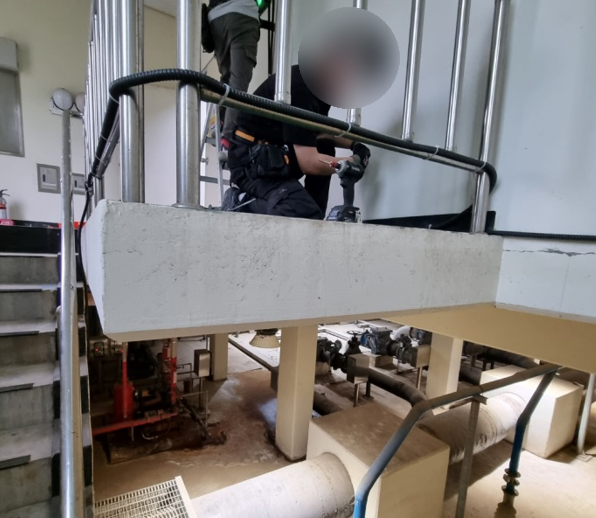
The second installation point is the 'sediment room'. The sleep room also had a special issue with power supply. We tried to supply power through the circuit breaker inside the panel that was checked during the inspection, but when we checked on the day of construction, other facilities were in use, so we used the wires on the side to supply power.
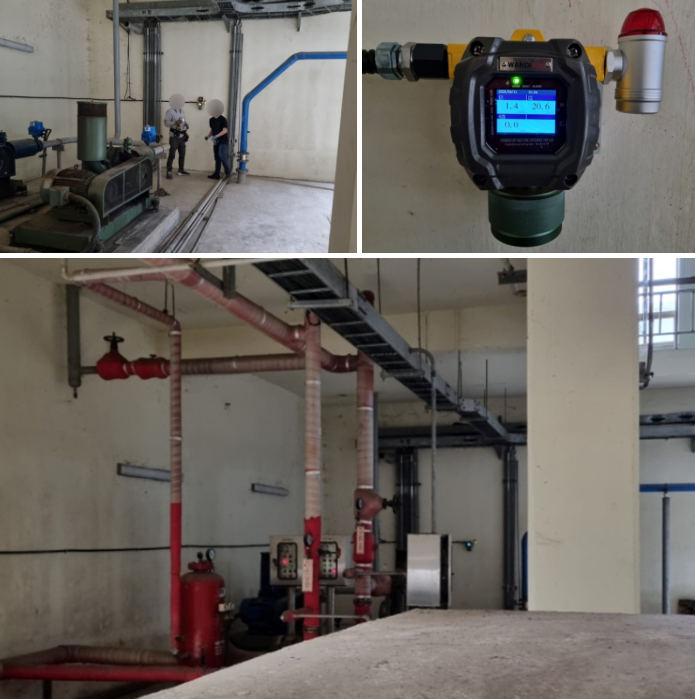
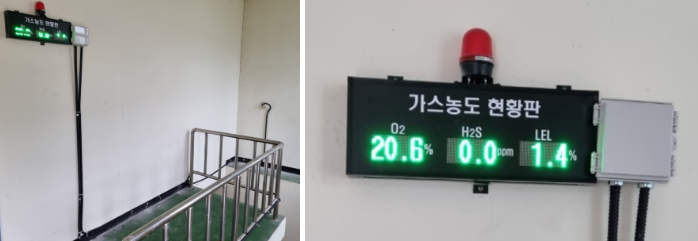
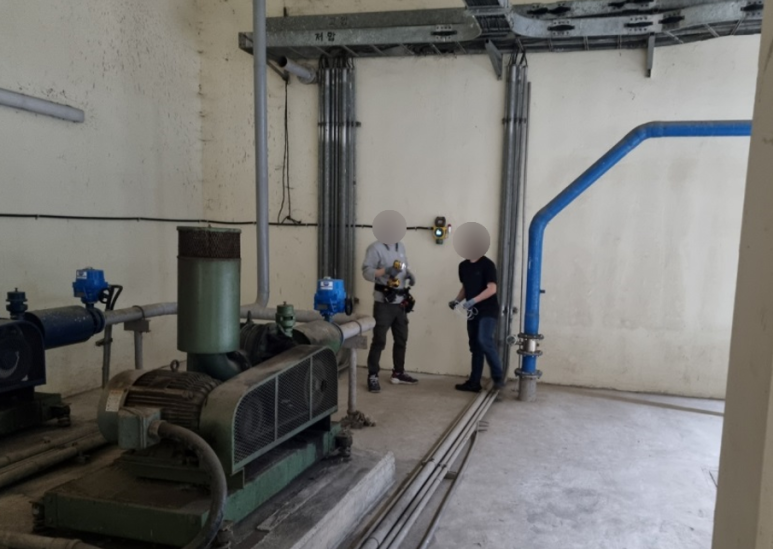
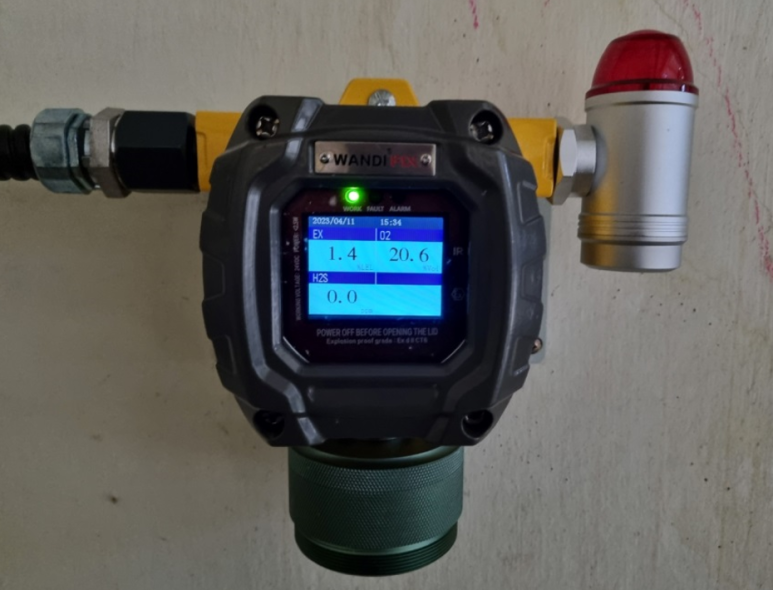
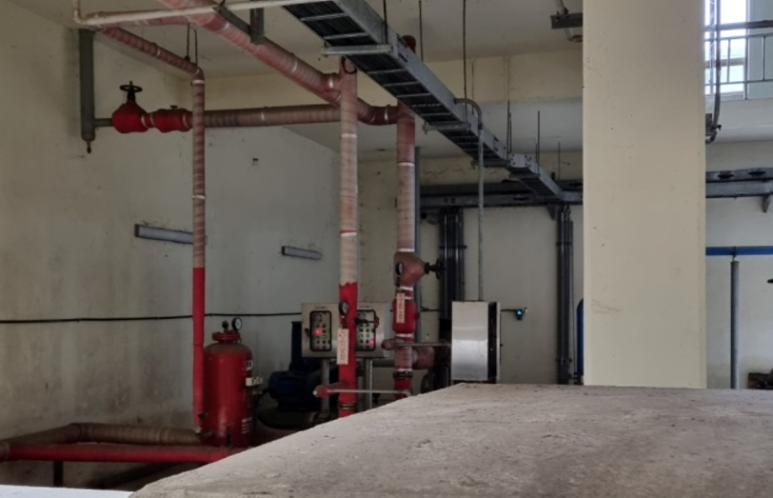
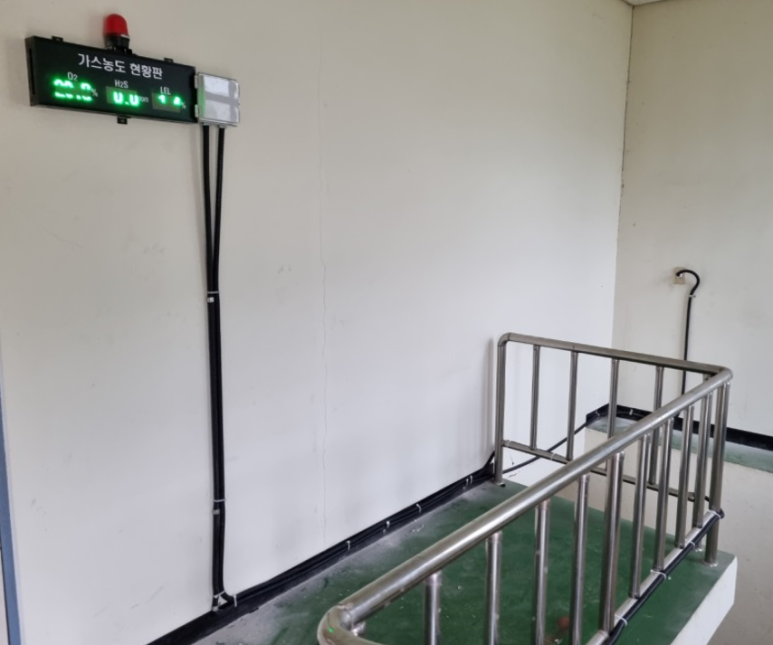
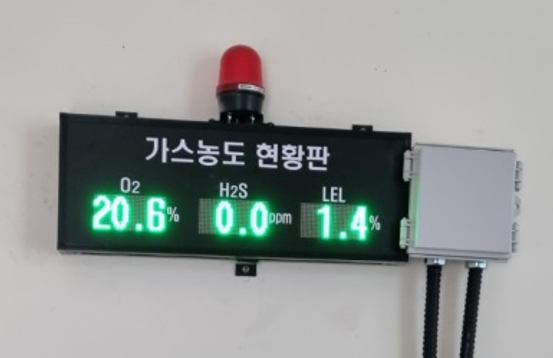
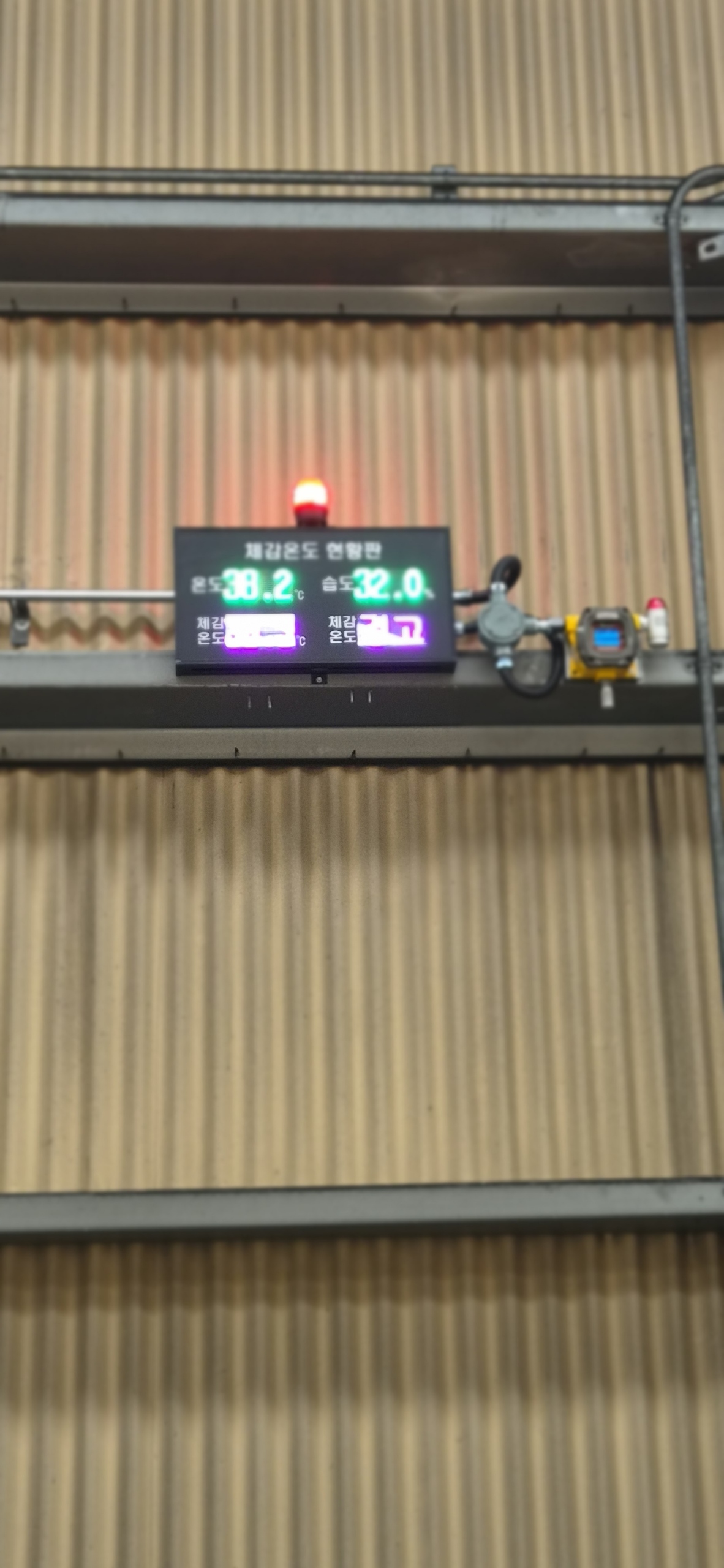
The shining Fix 800 can be seen from afar. Installation of the second installation point, the 'inflow pump room' measuring instrument and electronic signboard, has been completed. Installation point 3: Dehydration room
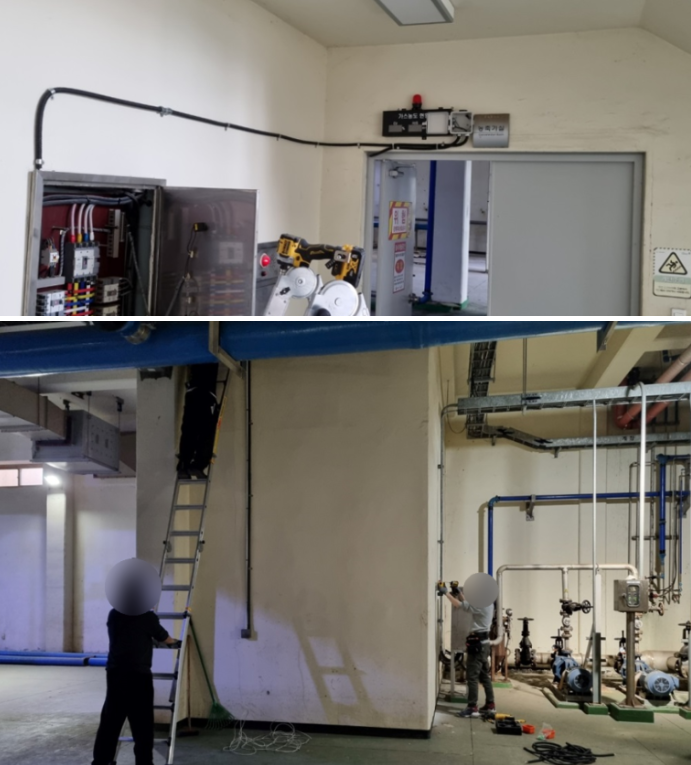
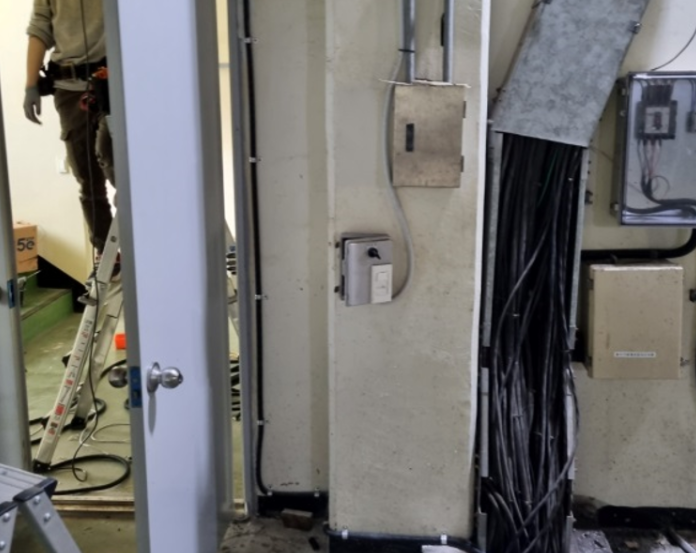
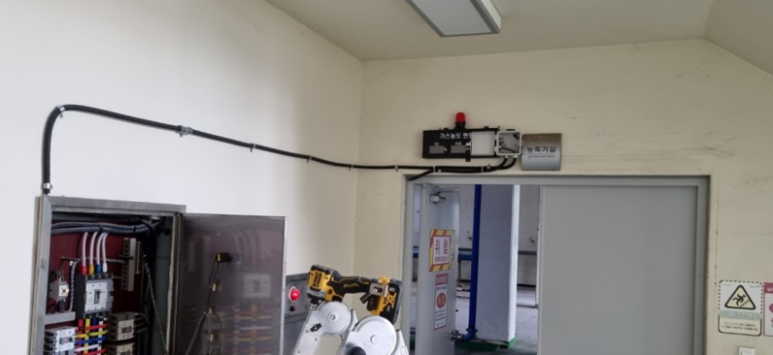
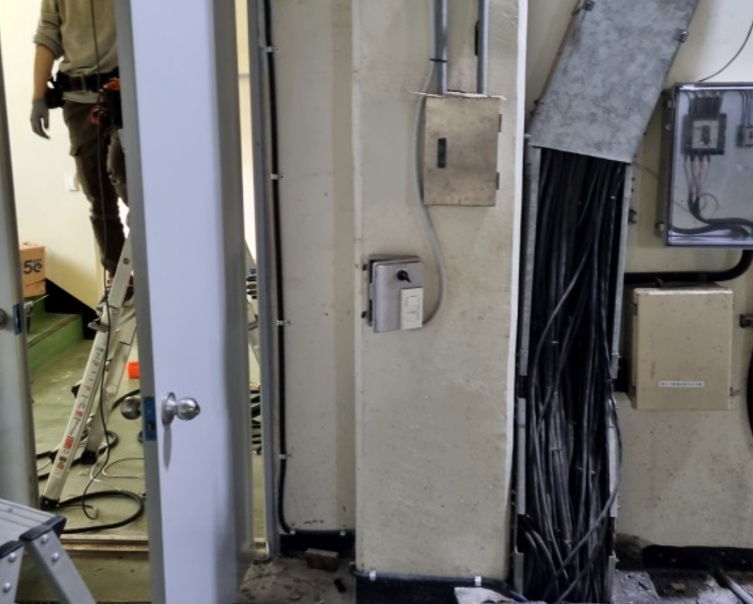
The third installation point is the dehydration room. The dehydration room is located underground. Due to the high basement level, the distance from the ground was long, so we proceeded with laying the wires. If not laid, it would not look good and it would be difficult to protect the wires, so it was an essential task. It was a bit difficult as the space was narrow due to the many wires already in the cable tray work, but the wires were placed neatly using the Yobi wire.
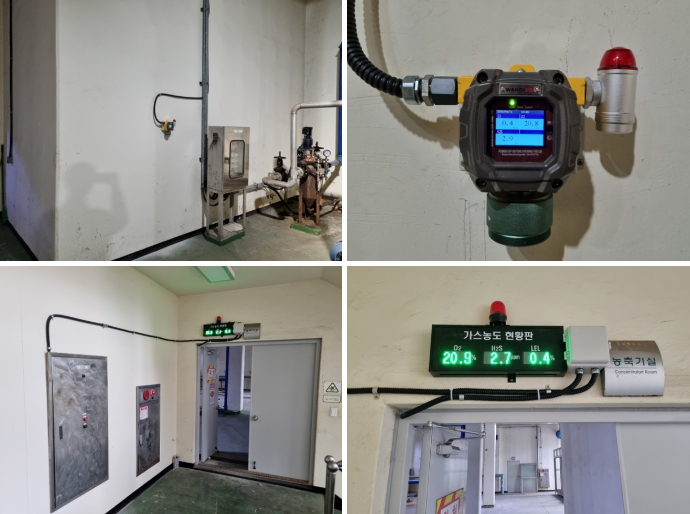
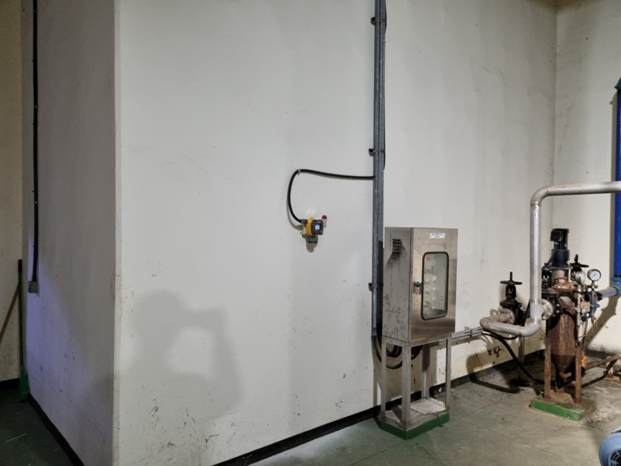
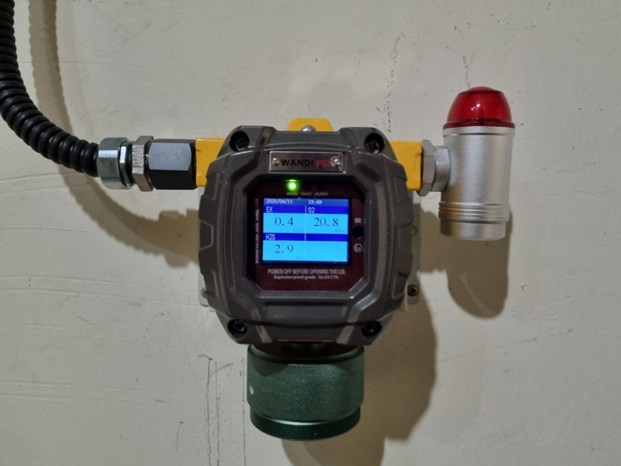
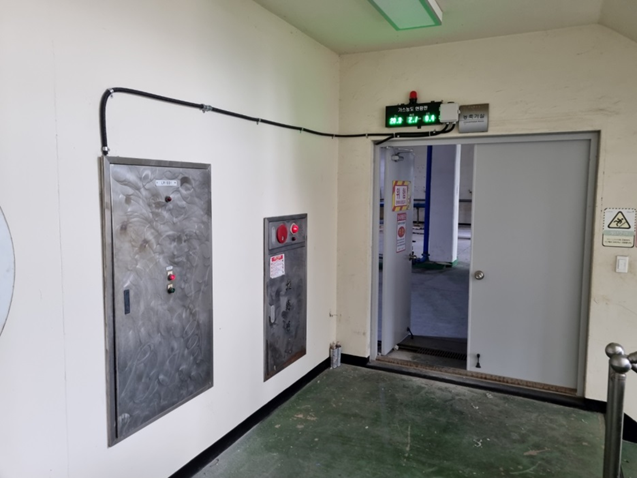
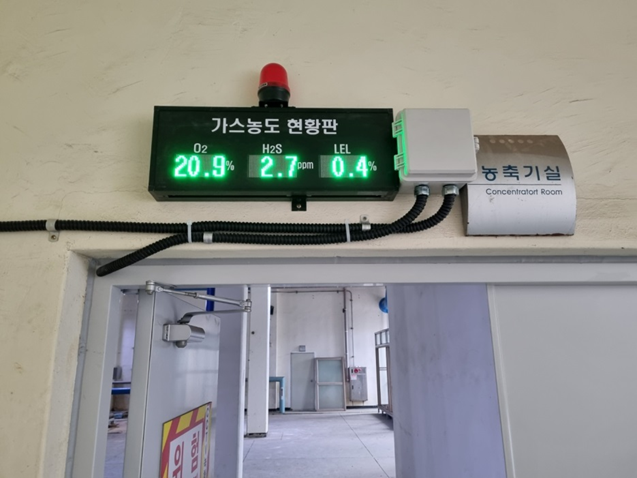
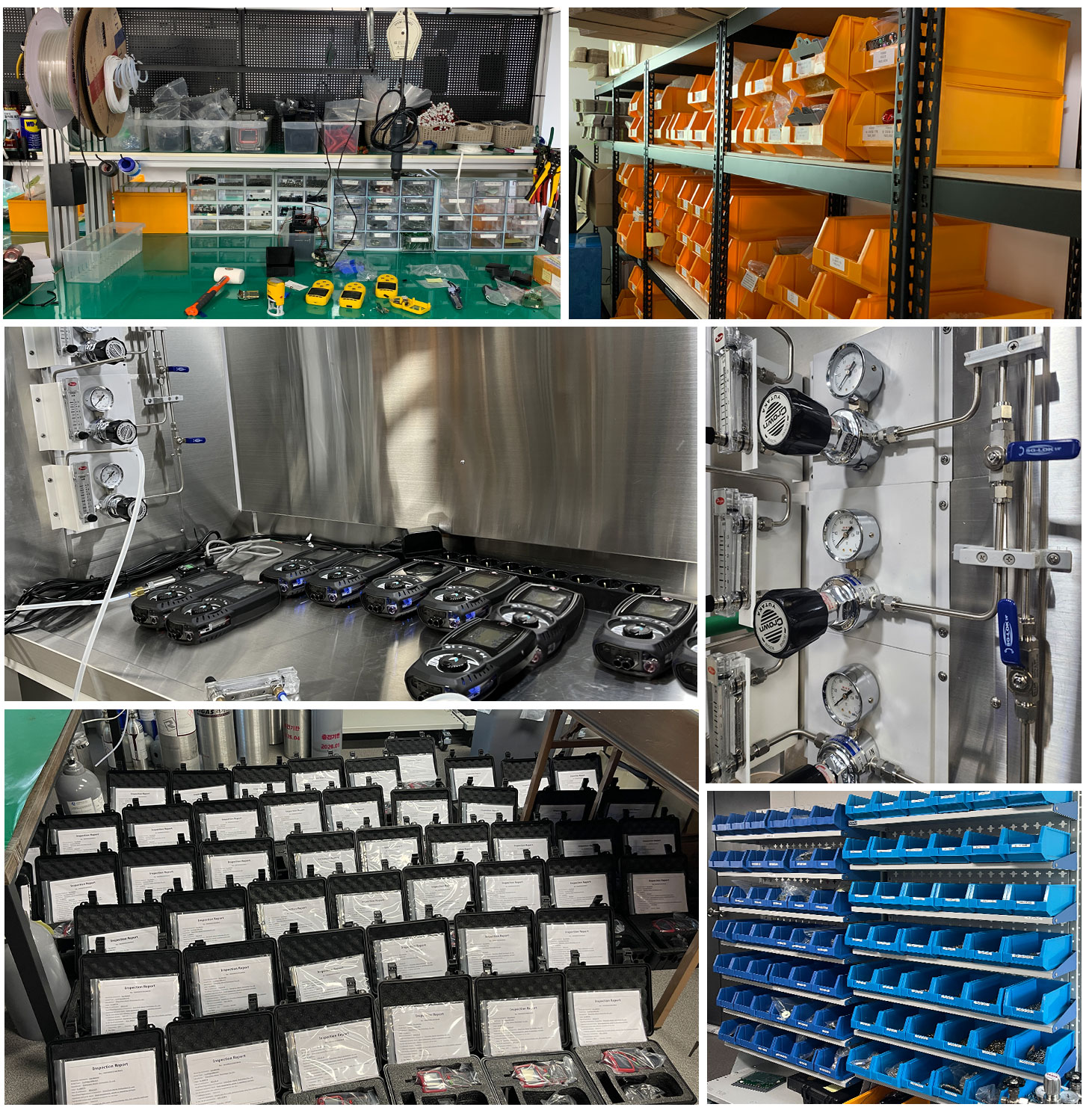
The last installation point, the dehydration room, has also been installed. The three points were installed without any problems. Power and communication tests were conducted, and the electronic display board was exposed without any problems. The installation work was completed after the alarm and warning test test run and product guidance to the person in charge. In a gas measurement environment, when the generated gas is not known, or when the generated gas is known but the exact concentration is unavoidable, it is difficult to make a choice before purchasing. Through sufficient consultation with experts, environmental factors, generated gas, Purchasing a gas meter with an accurate measurement range, considering everything such as frequency and concentration, is the way to be safe. In addition to simple product sales, RS Korea is a gas specialized company that provides self-calibration / domestic repair (A/S) / production / delivery / installation work. We provide 1:1 customized solutions for gas measurement environments based on our experience conducting demonstration / inspection / delivery / repair / installation work in various environments.
Summary of today's blog Measurement purpose: Wastewater pump room closed space Worker safety product: Gas meter / Gas concentration status board Gas and measurement range: O2 (oxygen) 0-30%VolH2S (hydrogen sulfide) 0-100ppmLEL (combustible gas) 0-100%lel Installation number of people and time: 4 people 7 hours Other information: Wastewater treatment plant settling basin, inlet pump room, Installation of a gas meter for worker safety at a total of three points in the dehydration room. There were special issues with power supply at two points, but this was resolved by asking the person in charge. In addition to the cable tray work, all exposed wires used GW Flexible. This concludes the blog on the construction of the sewage treatment plant gas meter and gas concentration status board installation, including some high-altitude work in the underground dehydration room. In addition, if you have any inquiries about installation, test operation, on-site repairs, or other environmental measuring instruments, please feel free to contact us.

This was RS Korea. Thank you.
Frequently Asked Questions (FAQ)
Q1. What was the purpose of this installation?
The facility conducts water quality testing and sewage treatment, and requested installation of gas detection equipment to protect field workers in enclosed spaces at the sewage treatment plant.
Q2. Which gases were measured and what equipment was used?
The installable-type gas meter FIX800 was installed to measure O2 (oxygen, 0-30%Vol), H2S (hydrogen sulfide, 0-100ppm), and LEL (combustible gas, 0-100%LEL), along with a gas concentration status board for real-time monitoring.
Q3. Where were the detectors installed?
Detectors were installed at three points within the wastewater treatment process: the settling (silt) basin, the inlet pump room, and the dehydration room, the last of which involved some high-altitude work due to its underground structure.
Q4. Were there any challenges during installation?
Power supply was a challenge at two of the three points. In each case, the on-site manager was consulted, and alternative power sources were identified to complete the installation safely. All exposed wiring was protected using GW Flexible conduit alongside cable tray work.
Q5. How long did the installation take and how many workers were involved?
The installation was completed by a team of 4 workers in approximately 7 hours, including final alarm and warning test runs and product guidance provided to the person in charge.
#FIX800#GasDetector#RSKorea#SewageTreatmentPlant#ConfinedSpaceSafety#OxygenSensor#H2SDetector#LELDetector#WastewaterTreatment#IndustrialSafety
![[레이먼드] 오,폐수 처리실 유해가스 모니터링](https://wandi.co.kr/storage/construction-cases/YxFUQVBZ8Unnk7pJzzfsmezr6xNe0LZvQRDmt7TL.jpg)
![[브이피이코리아] 종합병원 지하 밀폐공간 가스 측정기 설치_FIX800 & FIX-DS](https://wandi.co.kr/storage/construction-cases/gNOA28xSlEy5uU3AOxyHDRH5UfAe0TpMTgAt4Uag.jpg)

