Applied Markets
Installed Gases
Project Details
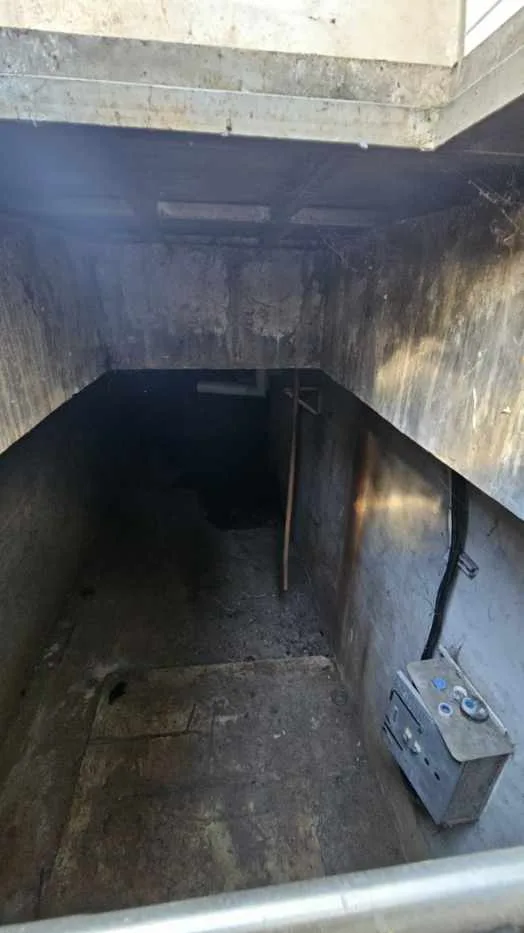
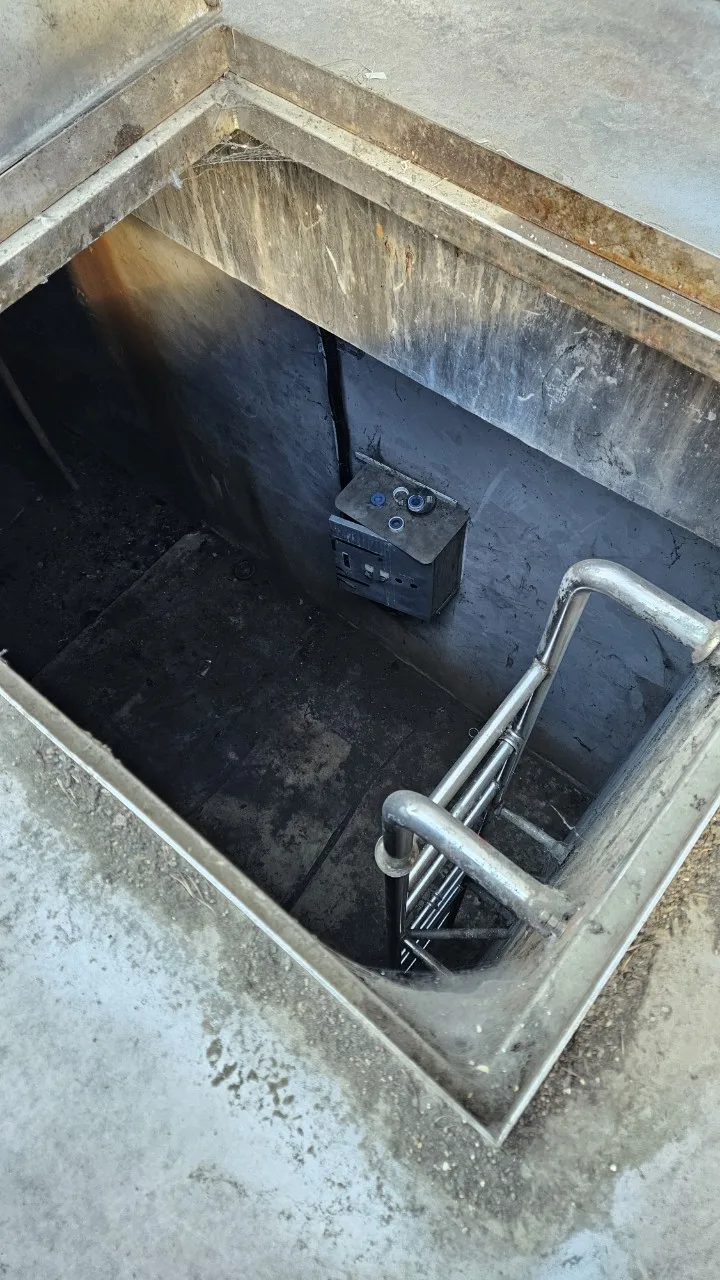
<Underground Pit Work — Why Is Oxygen Concentration Measurement Essential?>
The Dangers of Underground Pits
Underground pits (underground pipe rooms, manholes, electrical/mechanical rooms, etc.) are structurally poorly ventilated, so they can easily develop:
Oxygen deficiency (oxygen at 18% or below)
Accumulation of hazardous gases (hydrogen sulfide, methane, carbon monoxide, etc.)
These are conditions that can readily occur in such spaces.
In particular, oxygen deficiency can cause a worker to experience breathing difficulty and loss of consciousness, threatening life within minutes.
Therefore, before working in an underground pit, safety must always be confirmed with an oxygen concentration detector.
Hot Underground Pits — Worker Safety Rules
Underground pits with high summer heat or high ground temperature are hot and humid, which also carries a significant risk of heatstroke and exhaustion.
Therefore, safety rules must always be followed before and after work.
Preparation Before Work
Use an oxygen concentration detector: confirm a normal reading of around 20.9%
Ventilate the space: supply fresh air using blowers or ventilation fans
Wear protective equipment: hard hat, safety shoes, dust mask, and a portable gas detector are mandatory
Safety During Work
Two-person work rule: station a standby worker who can perform immediate rescue in an emergency
Split work time: prohibit long continuous work in hot conditions (shift work recommended)
Stay hydrated: drink enough water to prevent dehydration and heatstroke
Continuously check oxygen concentration: check the concentration periodically even during work
Actions After Work
Maintain ventilation: keep ventilating for a set period even after work is finished
Check for fatigue: check workers' health condition (immediate first aid if dizziness or headache occurs)
Maintain the detector: check calibration/charging of the oxygen concentration detector and gas detector
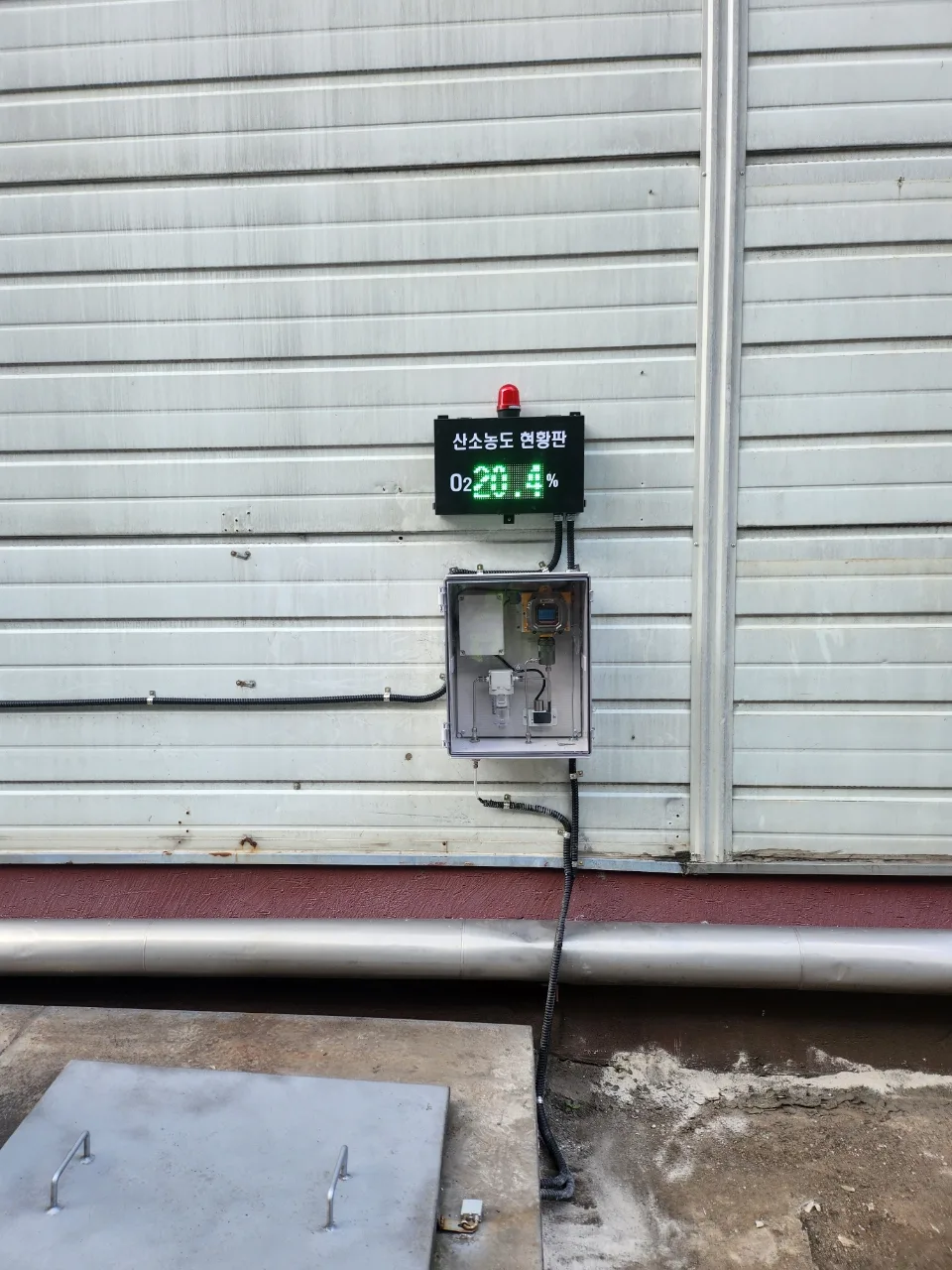
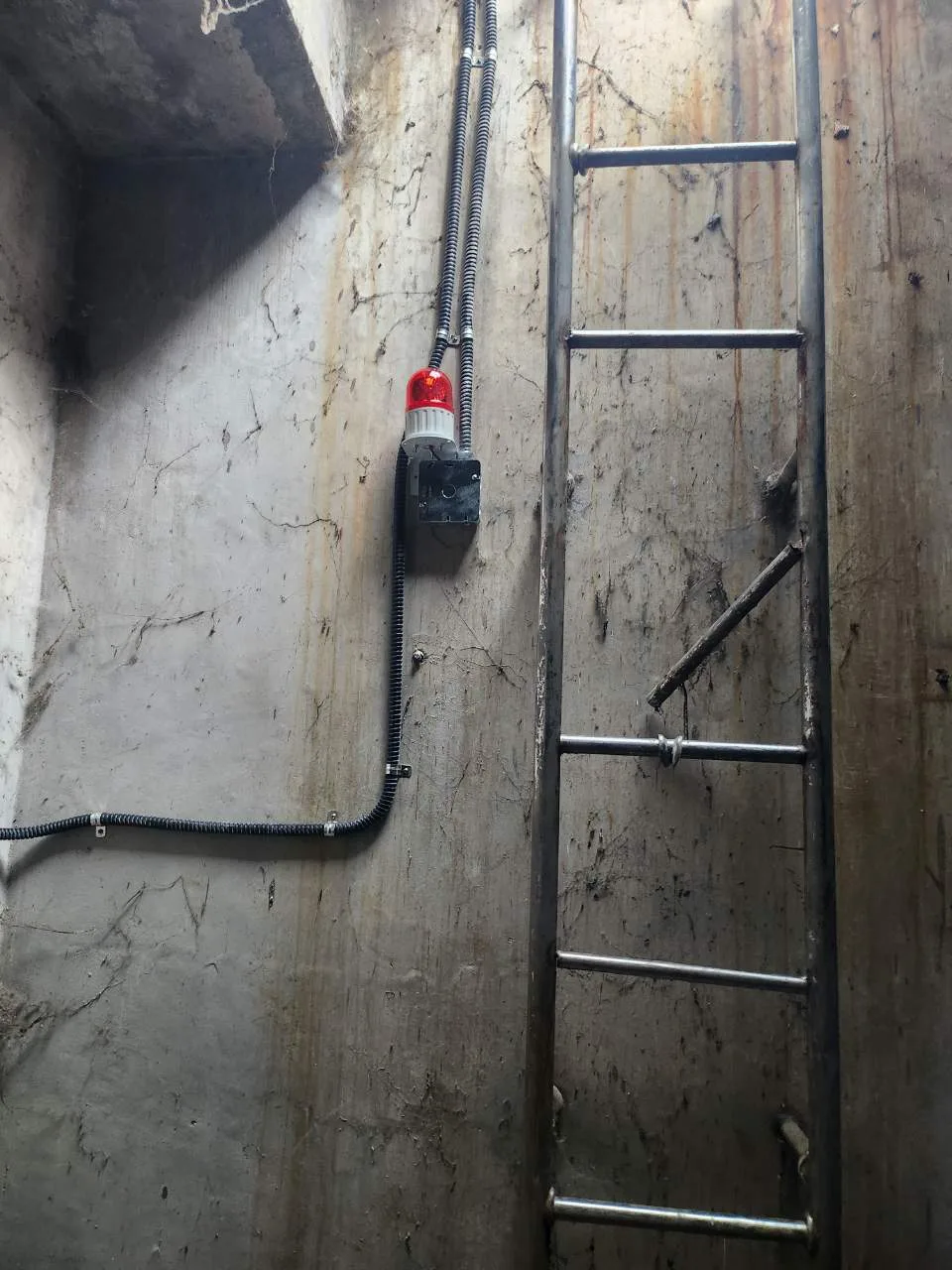
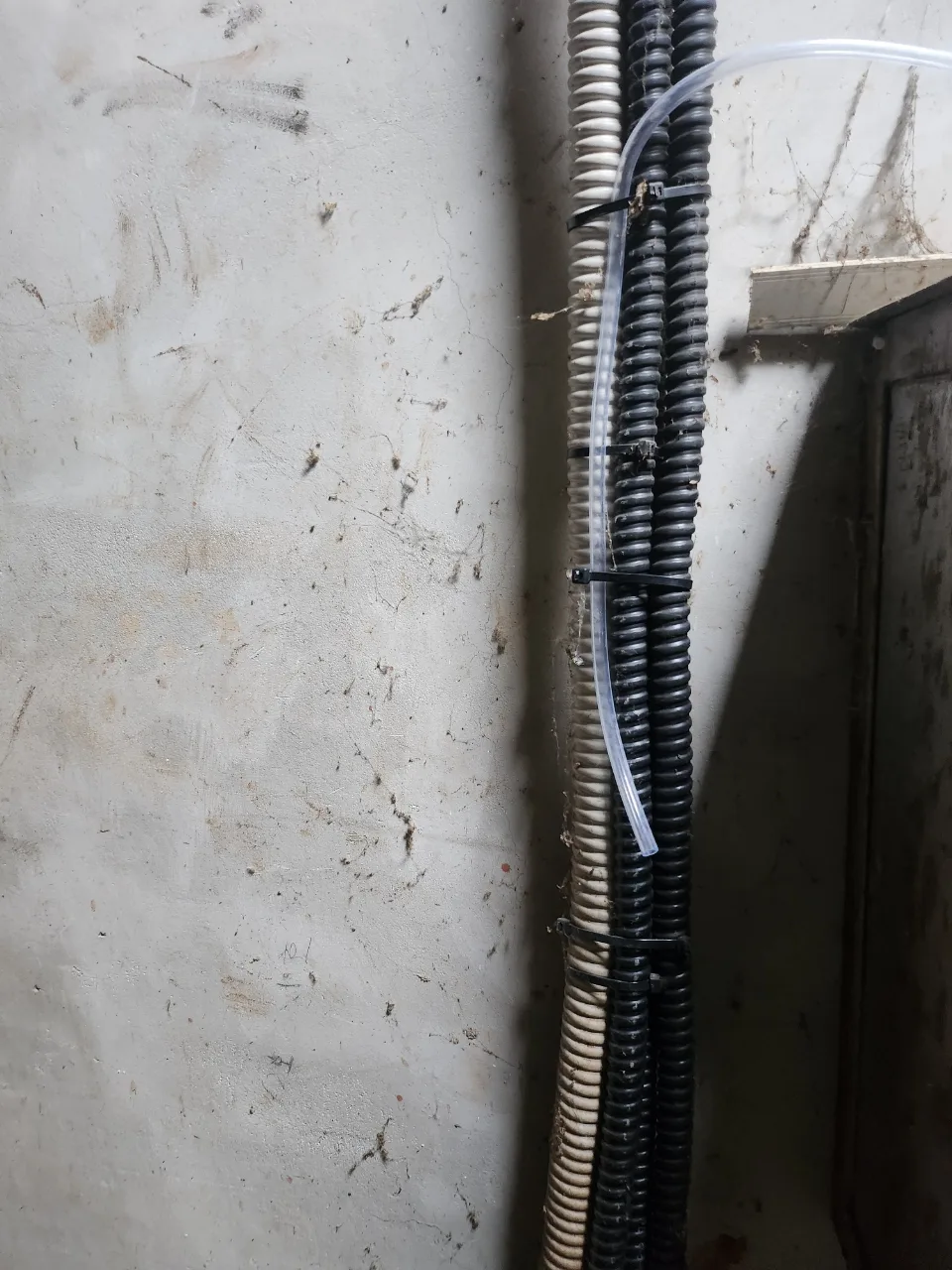
Because the underground pit was too hot for direct detector installation,
an external unit was installed and connects via a pump-suction hose instead.
Inside the underground pit, a warning light is connected via the hose,
so that an alarm sounds when oxygen concentration drops,
enabling safe work.
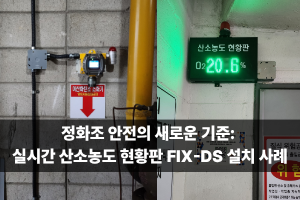
Underground Pit Safety Management — see the FIX800 installed detector and FIX-DS display board at a glance
FIX800 is installed in confined spaces such as underground pits, manholes, and industrial equipment areas to provide real-time oxygen concentration monitoring as a fixed detector.
Continuous real-time measurement: continuously monitors oxygen concentration even during work
Accurate sensor technology: enables precise measurement
Alarm function: triggers an immediate alarm when oxygen falls below a set threshold (e.g., 18% or below)
Expandable to hazardous gases: can be linked with other gas sensors such as CO or H2S if needed
<Oxygen Concentration Display Board FIX-DS>
If measurement alone is all that's done, on-site workers can still miss real-time danger.
This is exactly why the FIX-DS oxygen concentration display board is needed.
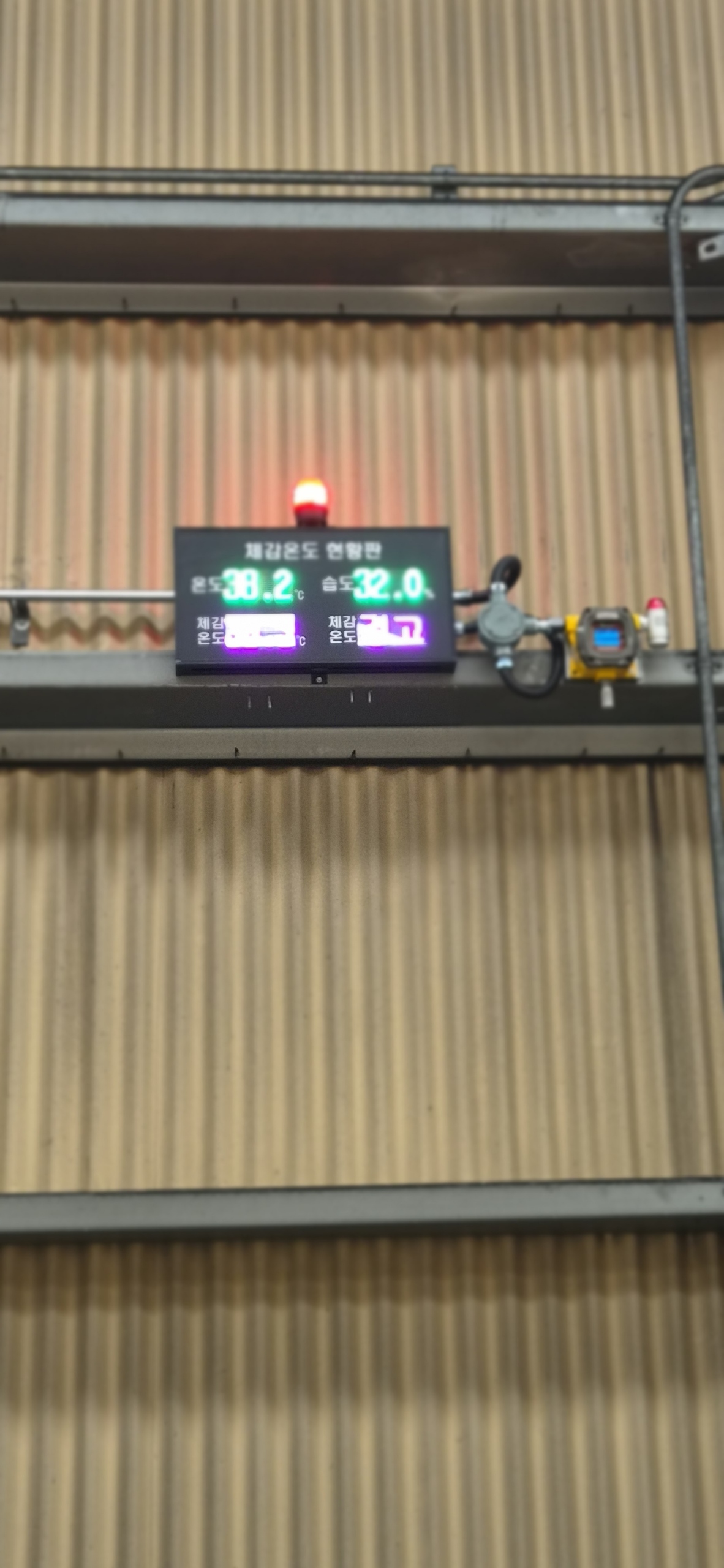
Large LED display: lets anyone check the underground pit's oxygen concentration at a glance, even from outside
Alarm integration: provides immediate notification via warning light and buzzer when the concentration drops
Remote monitoring: links with the installed detector (FIX800) so safety managers can respond immediately
Intuitive visualization: numbers and colors make it easy for any worker to understand
In other words, workers can immediately tell whether it is "safe to enter" just by checking the display board before going underground, which greatly helps prevent accidents.
Underground pits / septic tanks / wastewater treatment plants and more
Confined-space gas detector installation


![[레이먼드] 오,폐수 처리실 유해가스 모니터링](https://wandi.co.kr/storage/construction-cases/YxFUQVBZ8Unnk7pJzzfsmezr6xNe0LZvQRDmt7TL.jpg)
![[브이피이코리아] 종합병원 지하 밀폐공간 가스 측정기 설치_FIX800 & FIX-DS](https://wandi.co.kr/storage/construction-cases/gNOA28xSlEy5uU3AOxyHDRH5UfAe0TpMTgAt4Uag.jpg)

