Applied Markets
Installed Gases
Project Details
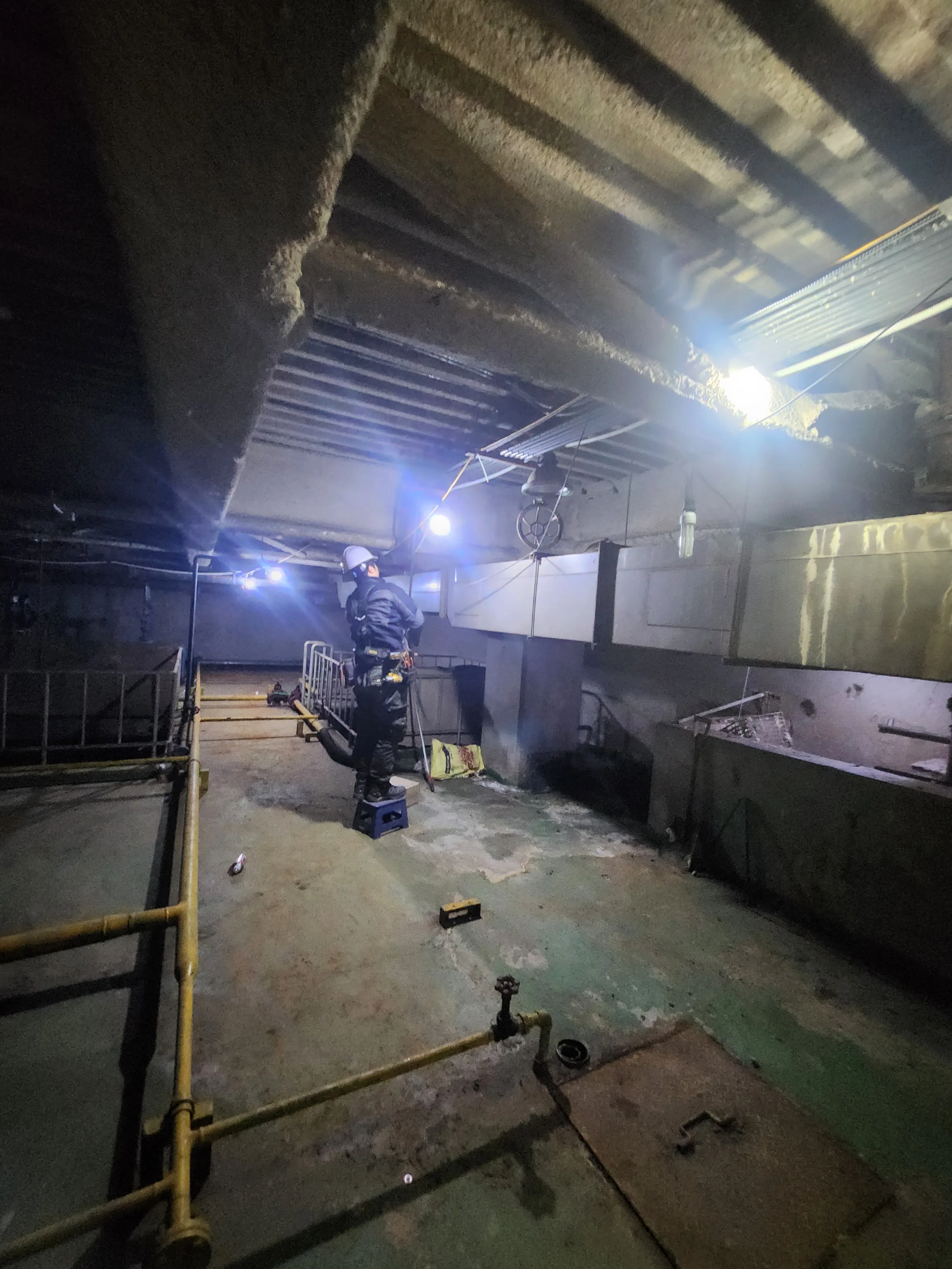
Septic tanks and wastewater treatment facilities are representative confined spaces. With ventilation limited, ongoing decomposition of organic matter can generate oxygen deficiency (O2 depletion) and lethal hazardous gases (CO, H2S, LEL, CO2, etc.) at the same time.
In fact, most on-site accidents happen when workers enter without recognizing "invisible gas." That is why continuous measurement and an alarm system before and during work are the key to accident prevention.
Major Hazardous Gases Generated in Septic Tanks and Their Risks
- Oxygen (O2) deficiency: Judgment and motor ability decline starting at 18% or below; risk of sudden loss of consciousness at 10% or below
- Hydrogen sulfide (H2S): Smells like rotten eggs; causes headache and dizziness even at low concentrations, and is immediately lethal at high concentrations
- Carbon monoxide (CO): Colorless and odorless; blocks oxygen transport in the blood, leading to asphyxiation risk
- Methane (CH4, LEL): Risk of explosion from an ignition source once the lower explosive limit is reached
- Carbon dioxide (CO2): Causes breathing difficulty and reduced consciousness at high concentrations
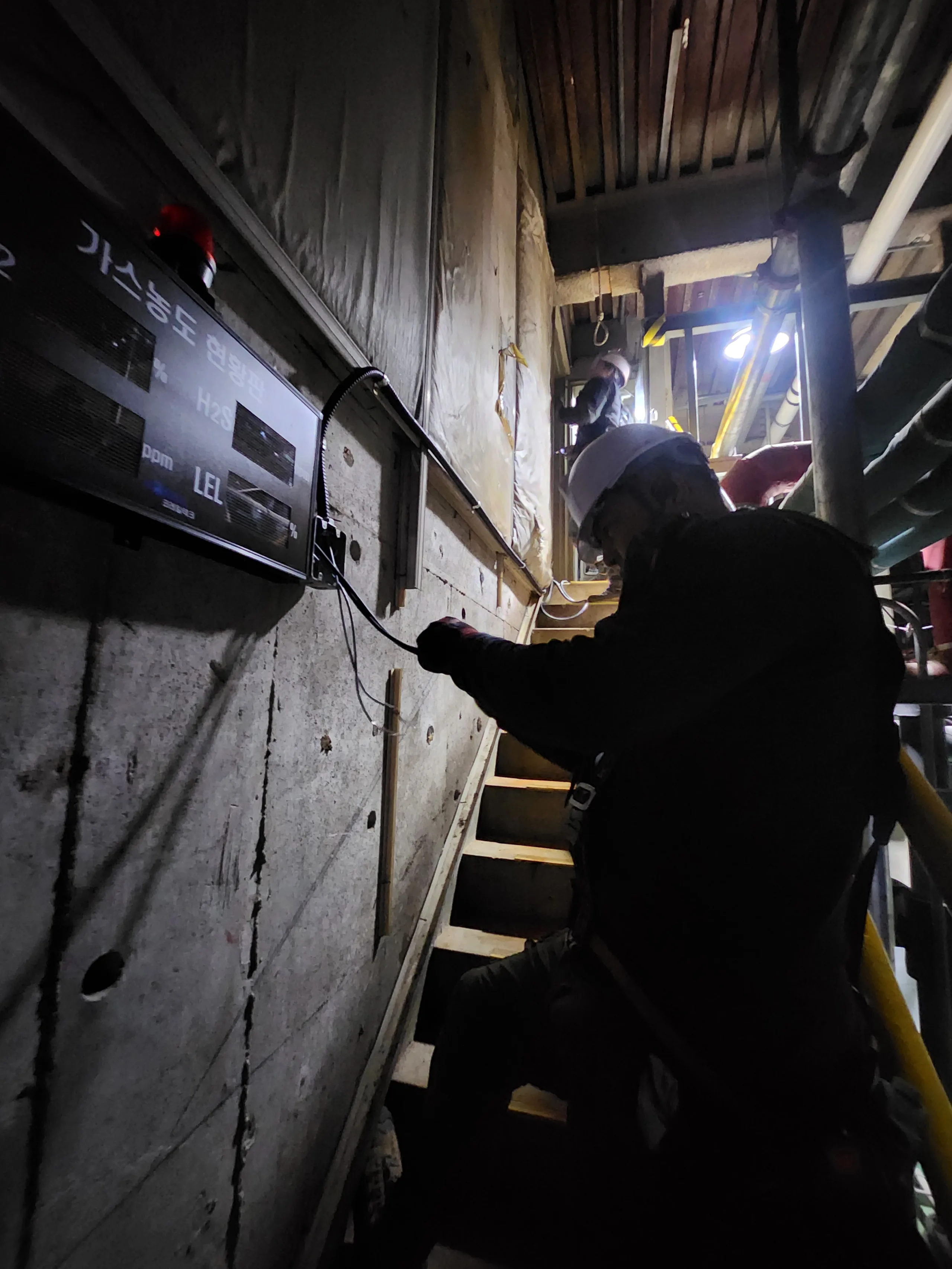
Fixed Hazardous Gas Detector FIX800
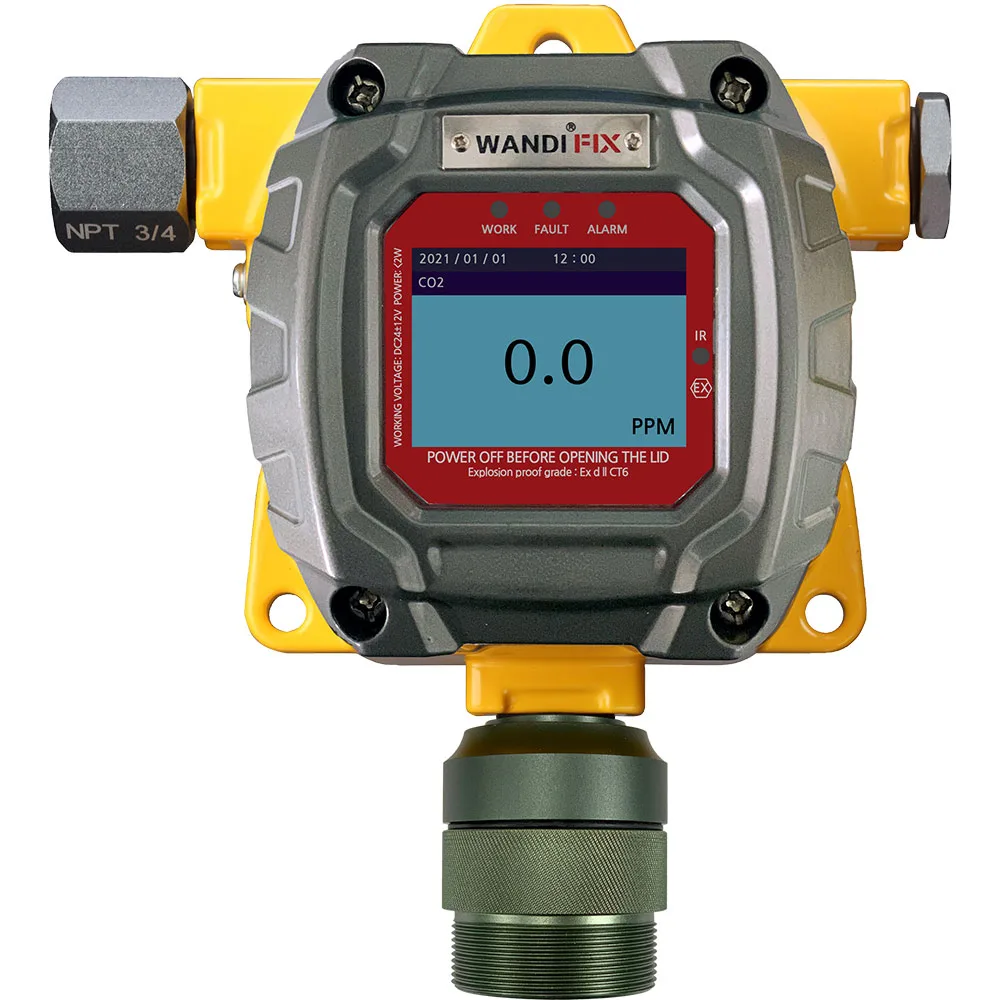
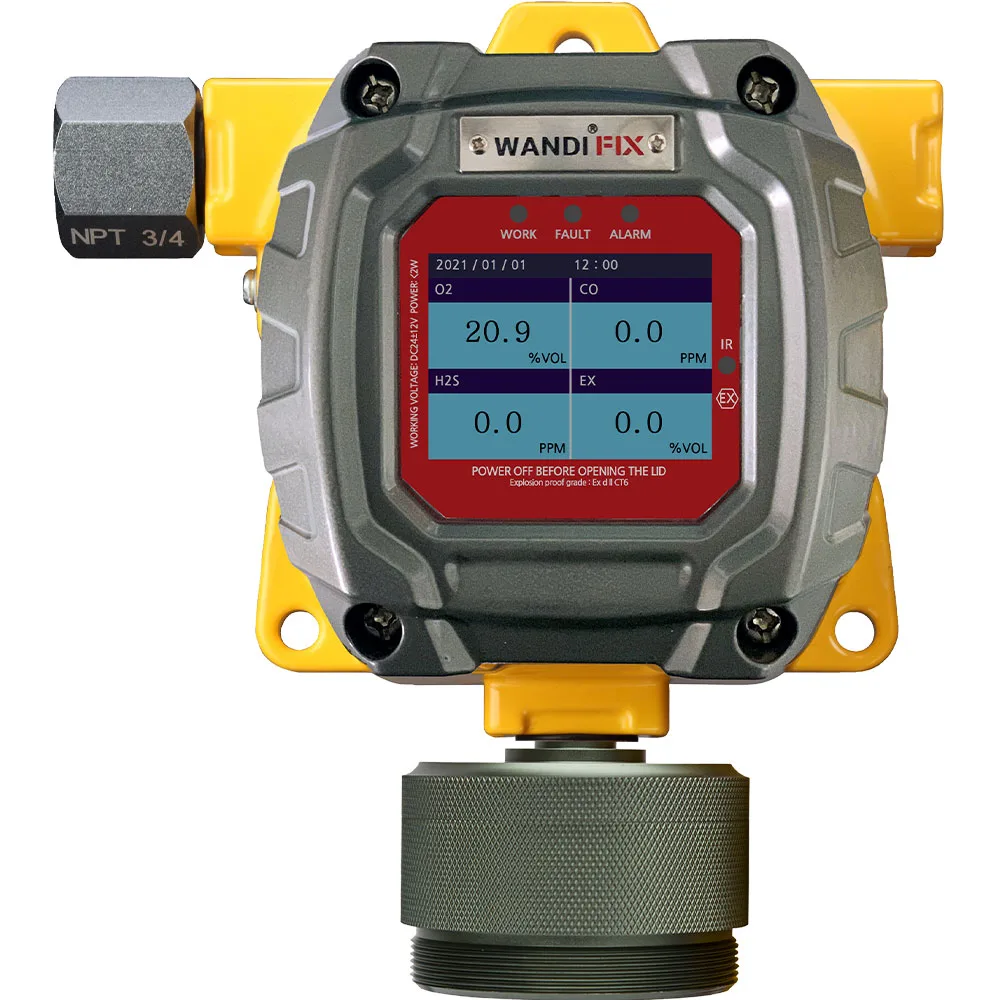
FIX800 is a fixed multi-gas hazardous gas detector optimized for confined spaces such as septic tanks and wastewater treatment facilities.
- Simultaneous multi-gas measurement: O2 / CO / H2S / LEL / CO2 (selectable depending on site configuration)
- Continuous monitoring & immediate alarm: Instant on-site alarm response when a dangerous concentration is reached
- Stable fixed-installation structure: Suitable for long-term continuous operation
- External output interlocking: Can be linked with safety equipment such as warning lights, buzzers, and circuit breakers
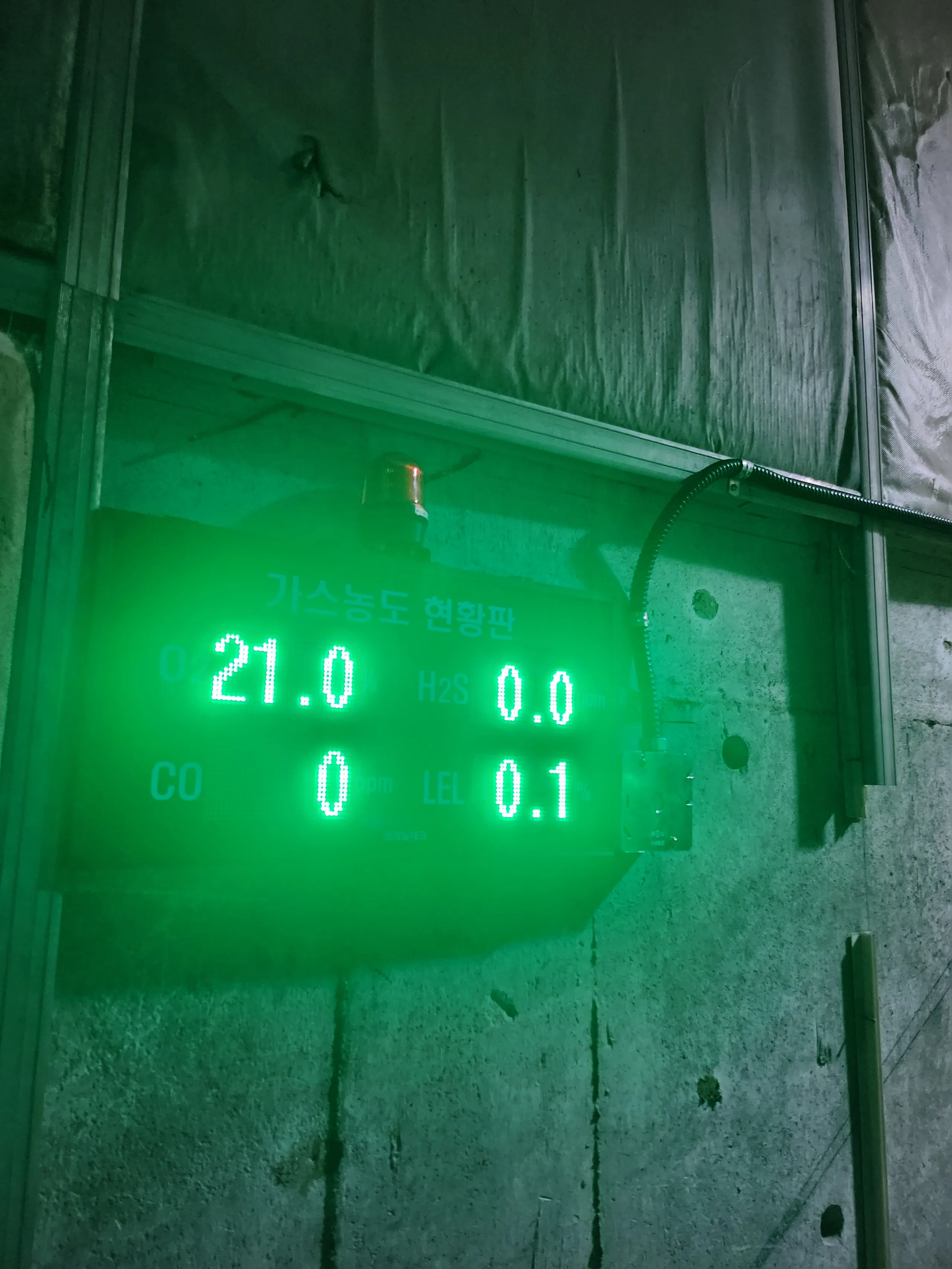
The Role of the Gas Status Display Board — "Hazards at a Glance"

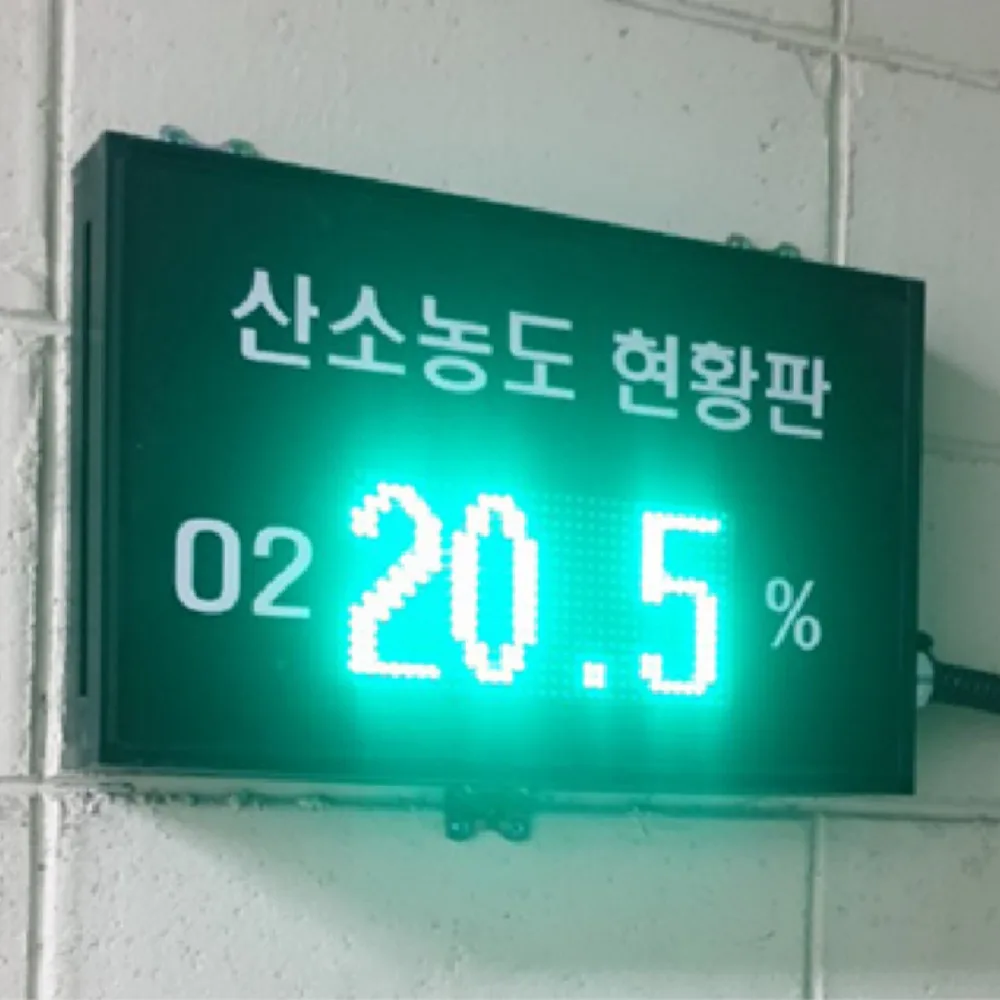
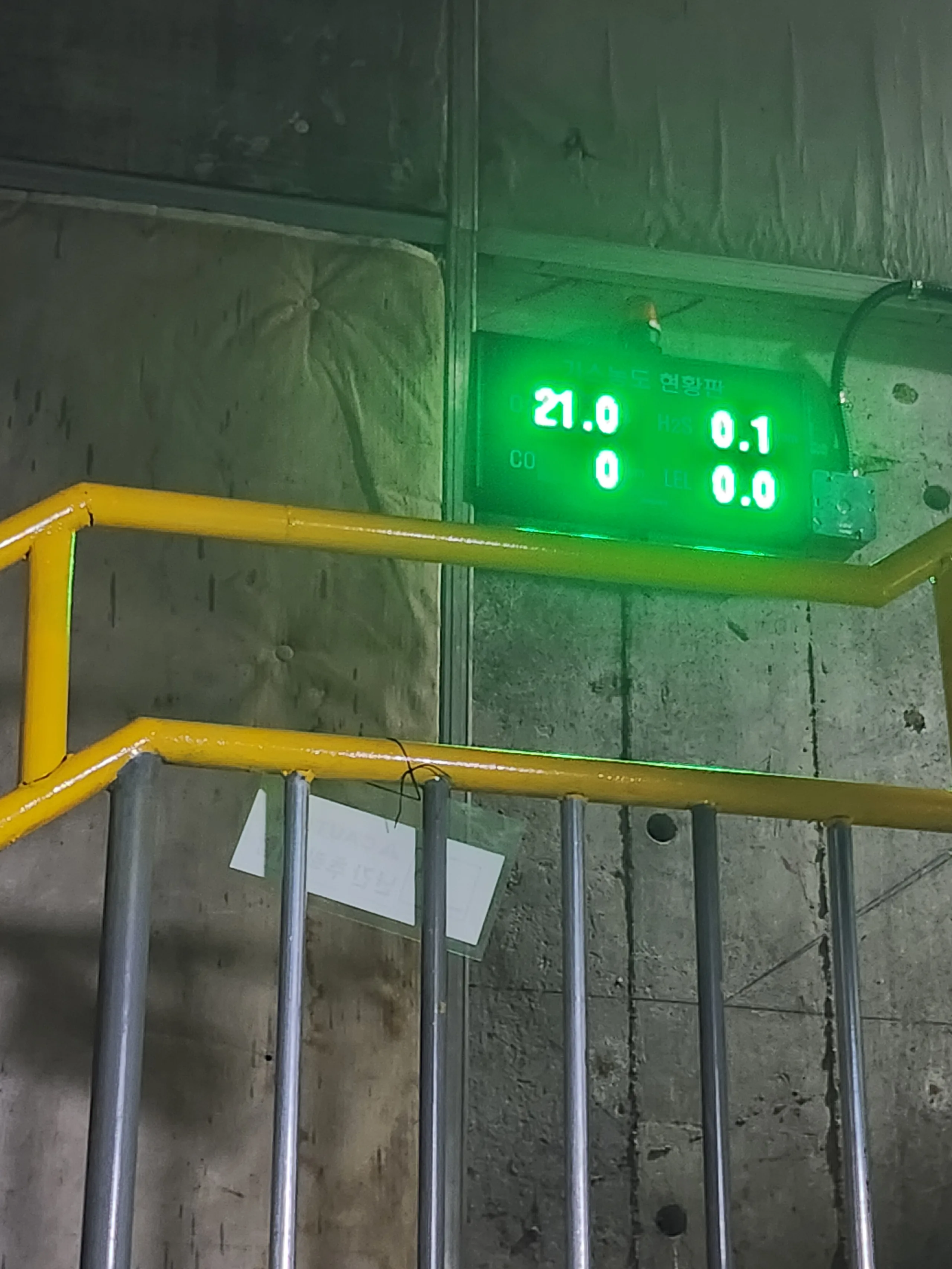
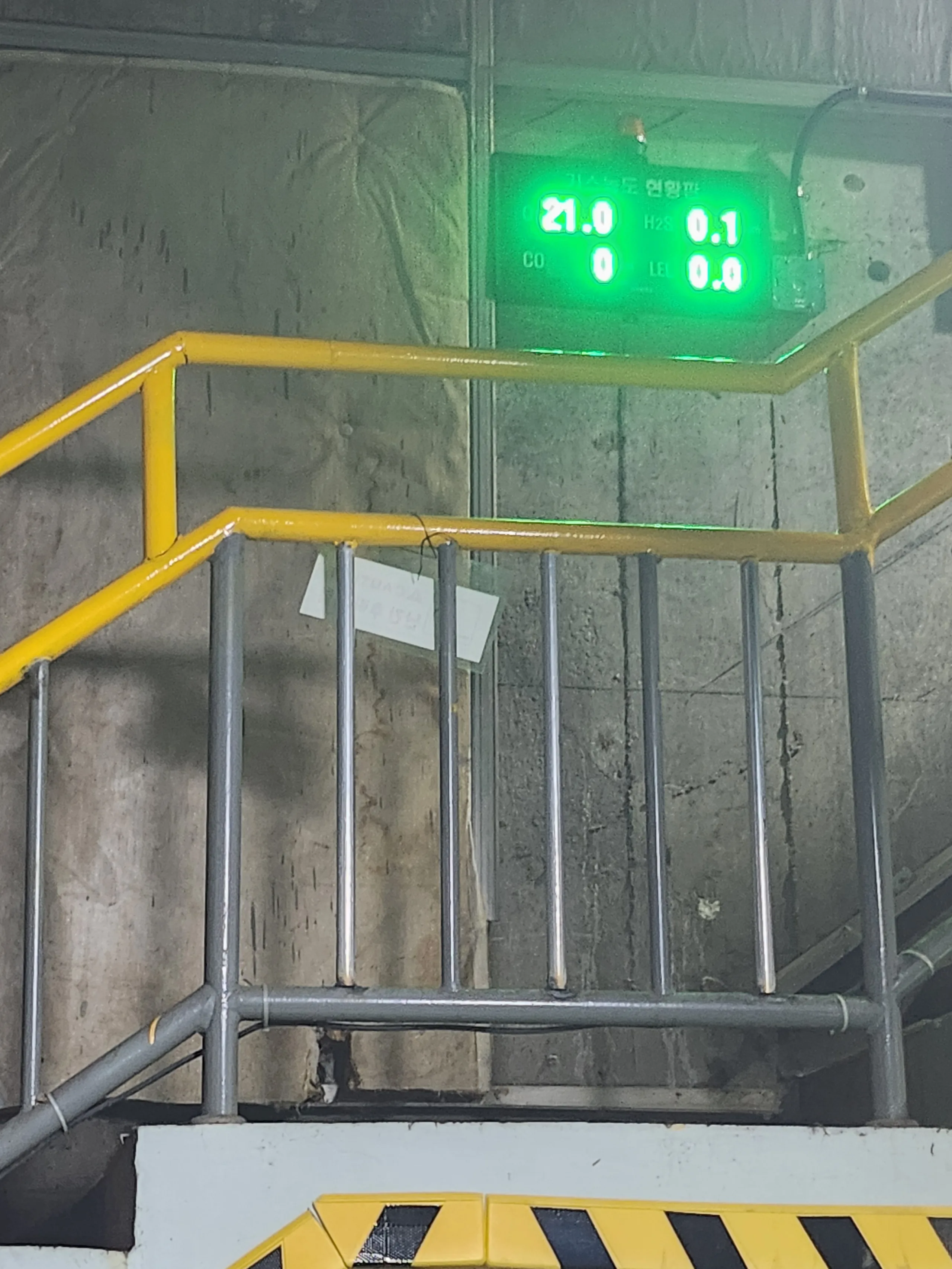
The gas status display board is not simply a display device. It acts as the site's "safety traffic light," letting any worker or manager instantly recognize the situation.
Why the Gas Status Display Board Is Essential
- Real-time visualization of current gas concentration
- Immediate judgment of whether entry is possible before work
- Easy remote and centralized management for managers
- Visible proof during safety training and inspections
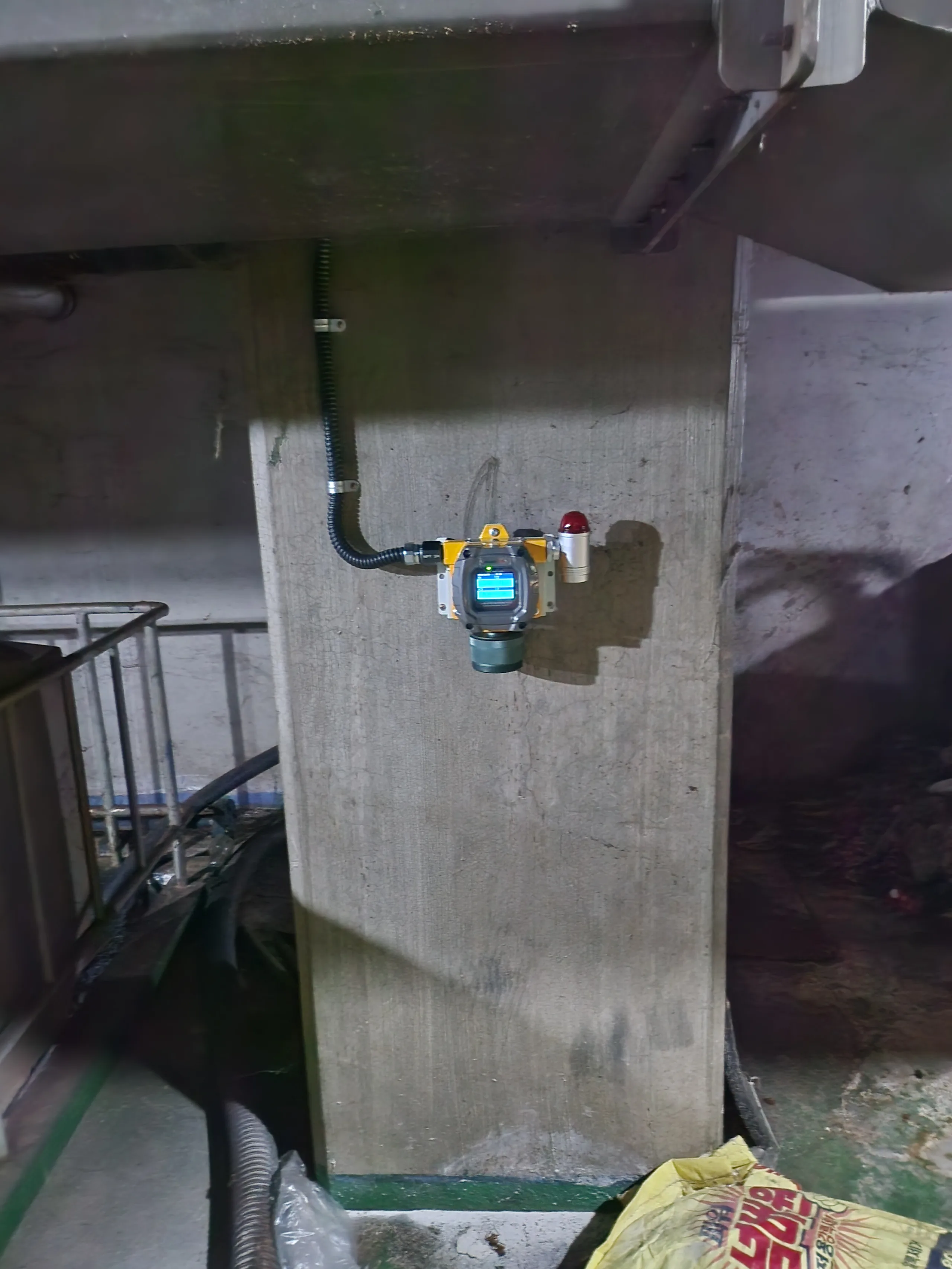


![[레이먼드] 오,폐수 처리실 유해가스 모니터링](https://wandi.co.kr/storage/construction-cases/YxFUQVBZ8Unnk7pJzzfsmezr6xNe0LZvQRDmt7TL.jpg)
![[브이피이코리아] 종합병원 지하 밀폐공간 가스 측정기 설치_FIX800 & FIX-DS](https://wandi.co.kr/storage/construction-cases/gNOA28xSlEy5uU3AOxyHDRH5UfAe0TpMTgAt4Uag.jpg)

