Applied Markets
Research
Safety
Installed Gases
EX (Combustible)
CO (Carbon Monoxide)
O2 (Oxygen)
H2S (Hydrogen Sulfide)
Project Details
Why Laboratories Absolutely Need Fixed Multi-Gas Detection
- Leaks start quietly: In the early stages the odor is often faint, or fades quickly, making it easy to assume "it's probably fine" and miss it.
- Human senses cannot be trusted: Fatigue, reduced sense of smell, wearing a mask, and night/unattended hours all delay detection further.
- Accidents grow worse from "delay" more than from "exposure" itself: If detection and response are delayed, the risk of oxygen deficiency, poisoning, or explosion rises sharply.
- Continuous monitoring + alarm is essential: Because a lab is a place where "even if the probability is low, a single incident can be fatal," 24-hour automatic detection is the most reliable preventive measure.
Why Monitoring the 4 Key Gases (O2/CO/H2S/LEL) Is Essential
- O2 (Oxygen): Quickly detects the risk of oxygen deficiency in environments with poor ventilation, gas purging, or inert gas use
- CO (Carbon Monoxide): Pre-emptively blocks the risk of odorless, colorless poisoning during combustion, use of heat sources, or equipment malfunction
- H2S (Hydrogen Sulfide): High risk even at low concentrations in sewage/piping/wastewater systems and reagent-handling environments
- LEL (Lower Explosive Limit for flammable gas): Immediately warns, with a numeric value, of the explosion-risk range when solvent vapor or flammable gas leaks occur
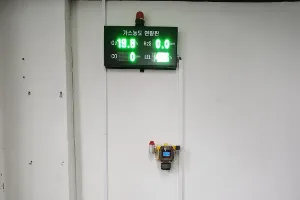
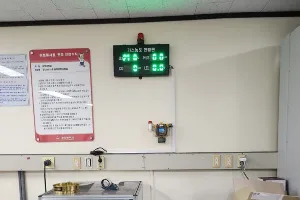
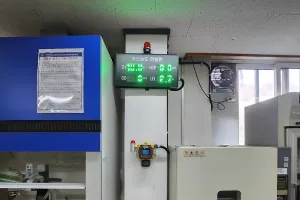
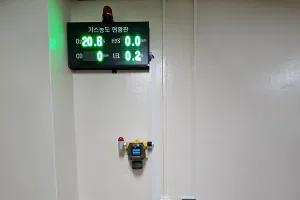
Recommended for Laboratories: Fixed 4-Gas Detector FIX800 (O2/CO/H2S/LEL)
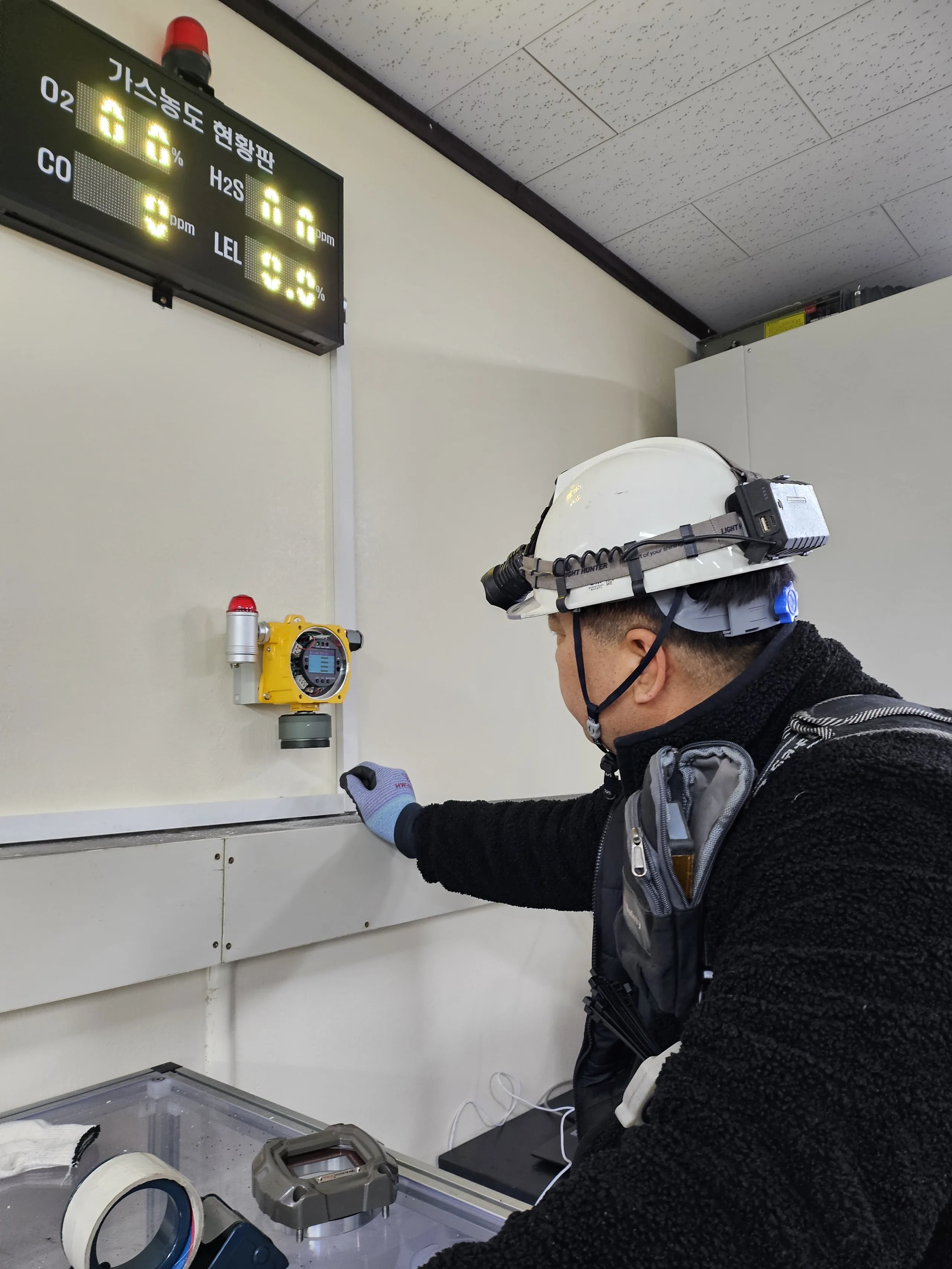
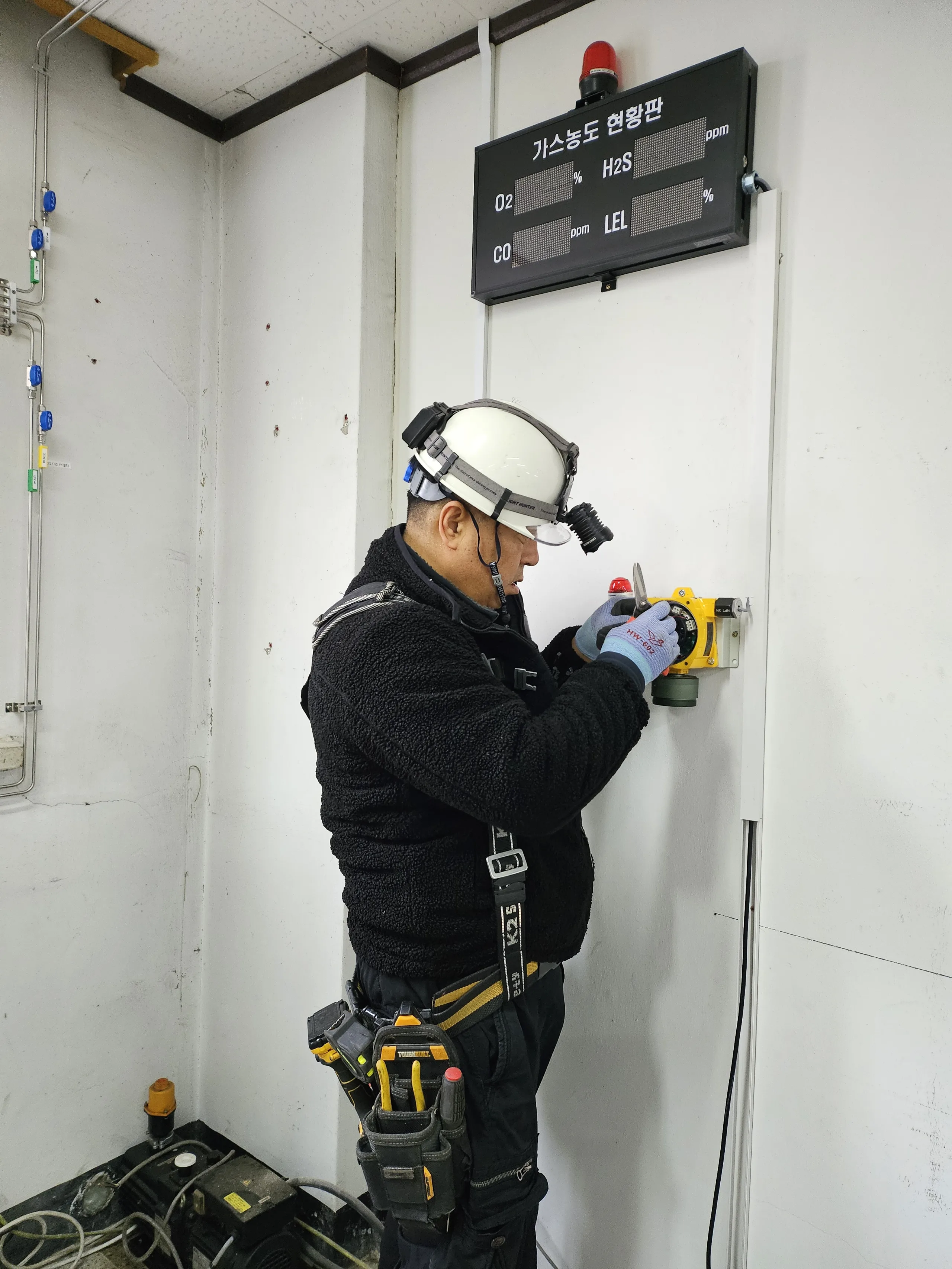
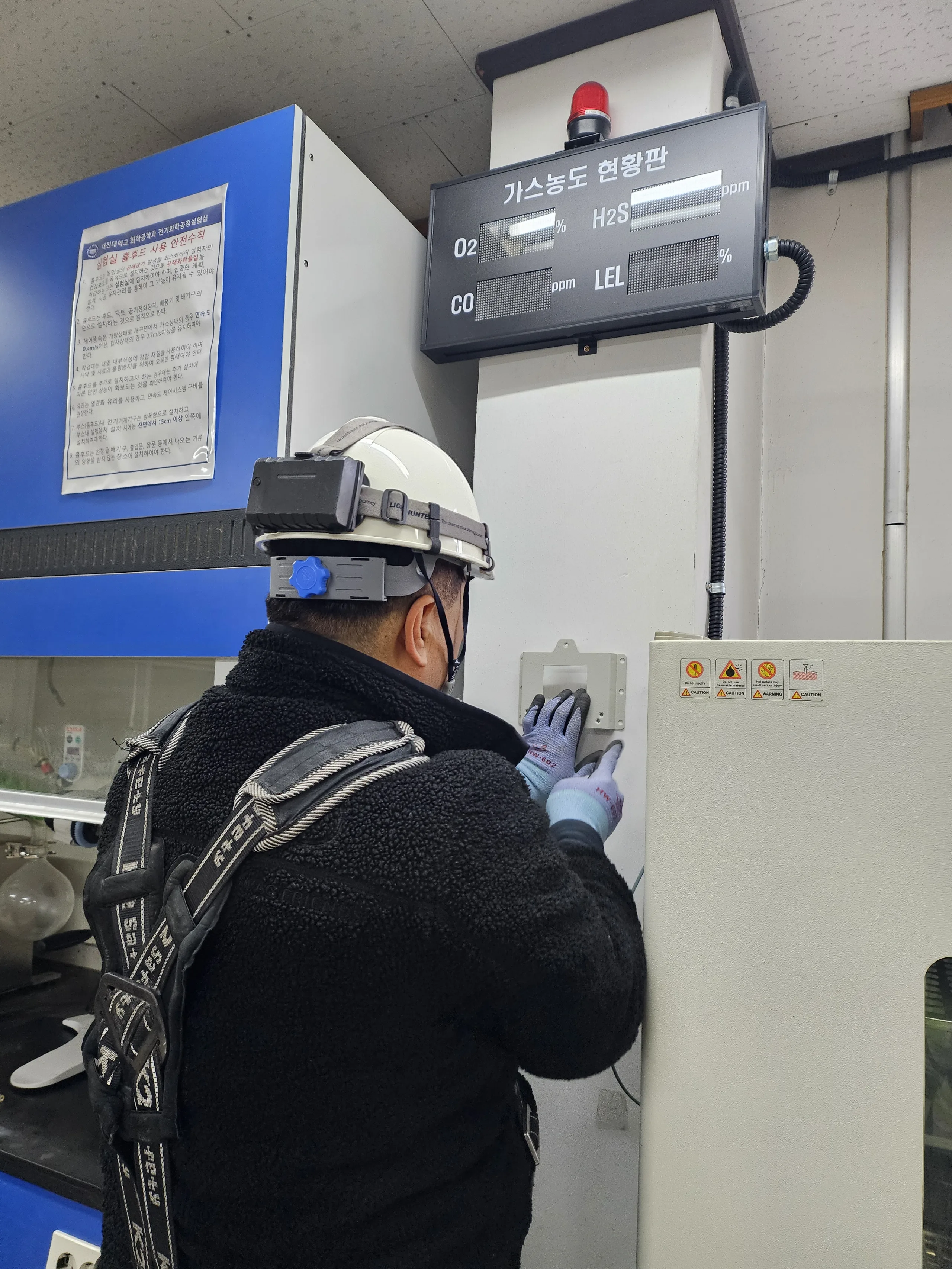
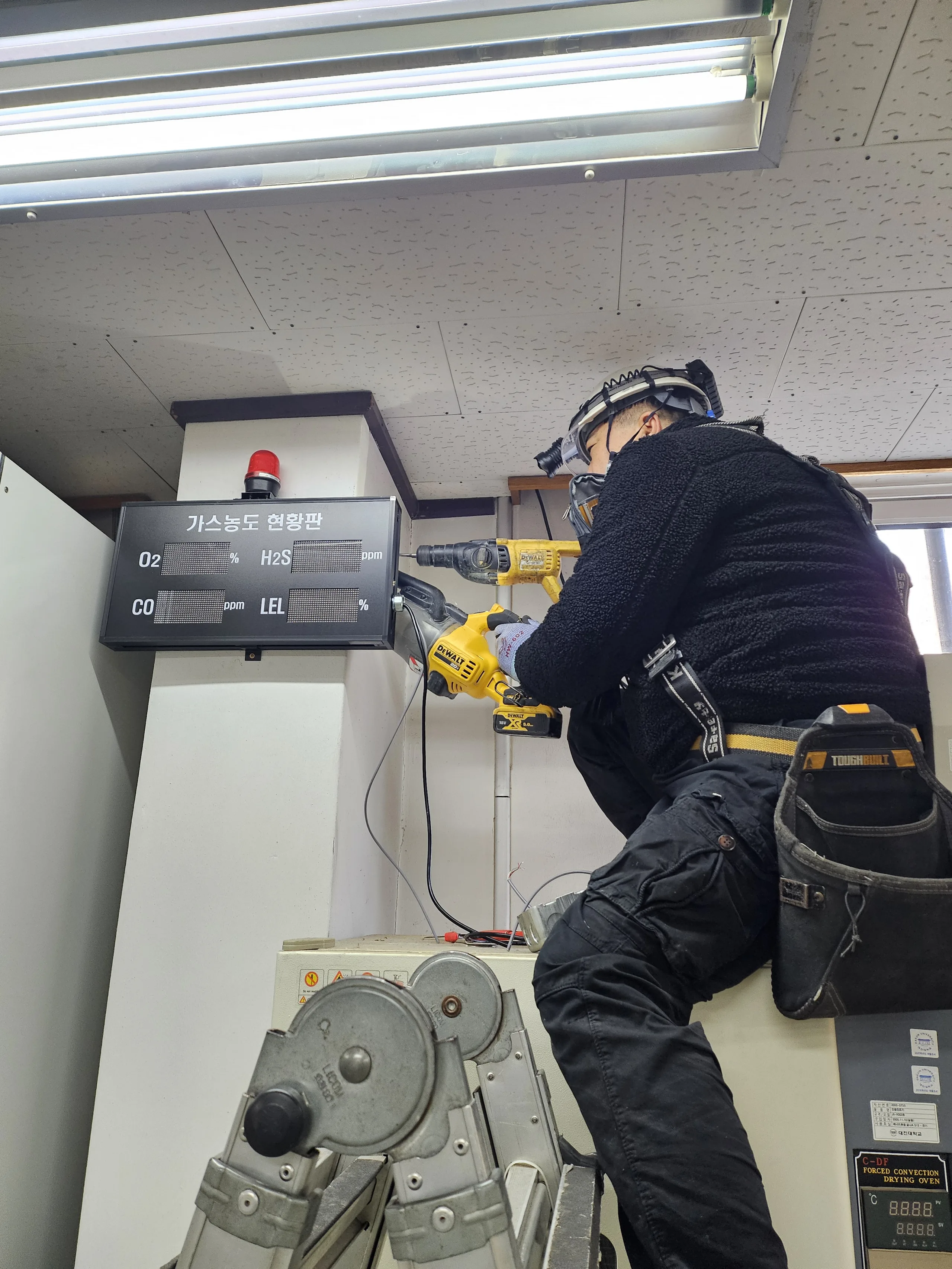
For spaces where multiple processes run simultaneously, such as functional nanomaterial laboratories, an installed unit like FIX800 that monitors all 4 gases at once is efficient.
Benefits of Installing FIX800
- Installed at key points in the lab (around hoods, gas storage cabinets, equipment rooms, areas near piping) for continuous monitoring
- Immediate alarm when an abnormal concentration occurs, enabling a response at the early leak stage
- Lab operators can quickly decide on actions such as ventilation, access control, or work stoppage based on the data


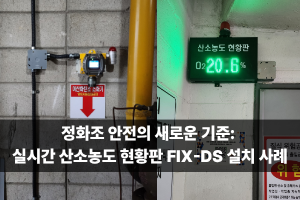
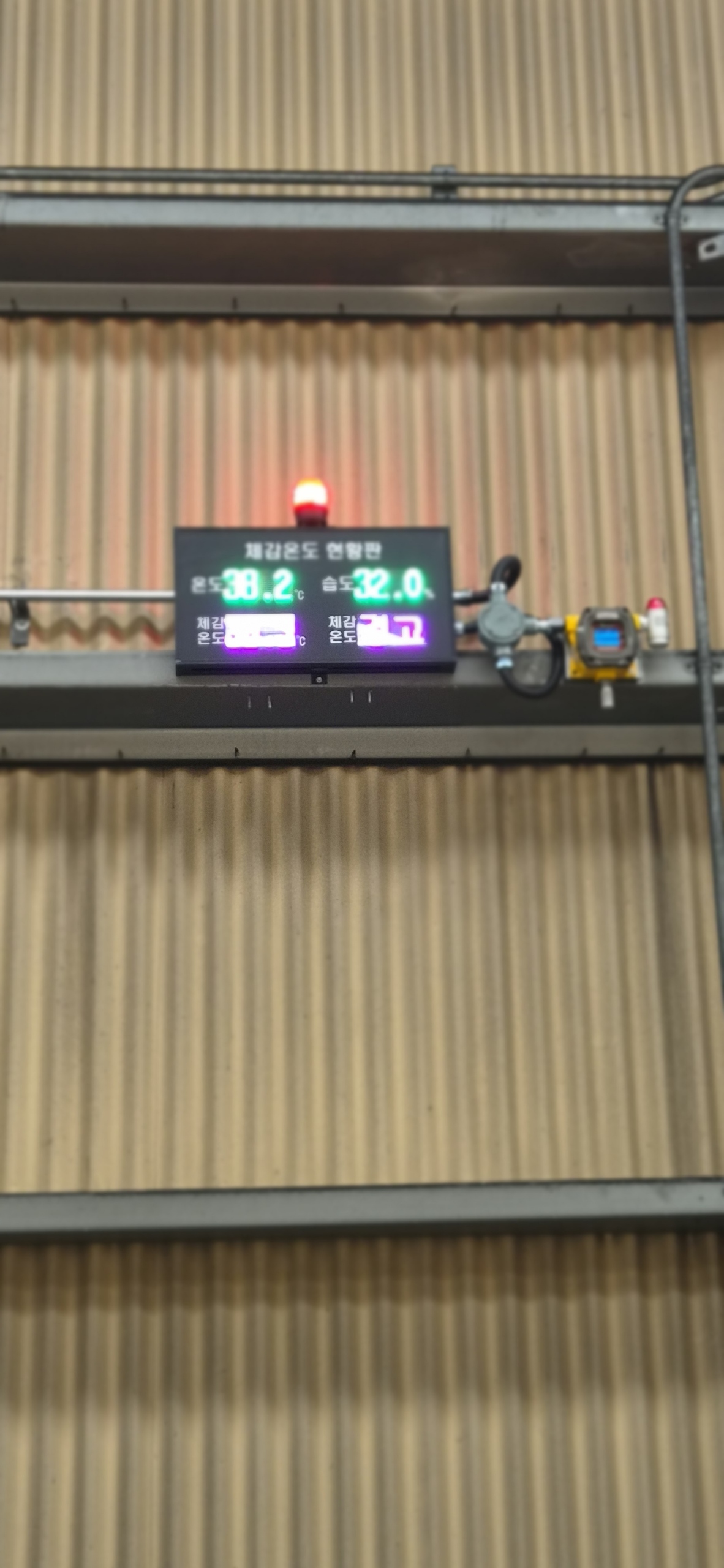
![[레이먼드] 오,폐수 처리실 유해가스 모니터링](https://wandi.co.kr/storage/construction-cases/YxFUQVBZ8Unnk7pJzzfsmezr6xNe0LZvQRDmt7TL.jpg)
![[브이피이코리아] 종합병원 지하 밀폐공간 가스 측정기 설치_FIX800 & FIX-DS](https://wandi.co.kr/storage/construction-cases/gNOA28xSlEy5uU3AOxyHDRH5UfAe0TpMTgAt4Uag.jpg)

