Applied Markets
Installed Gases
Project Details
Hello.
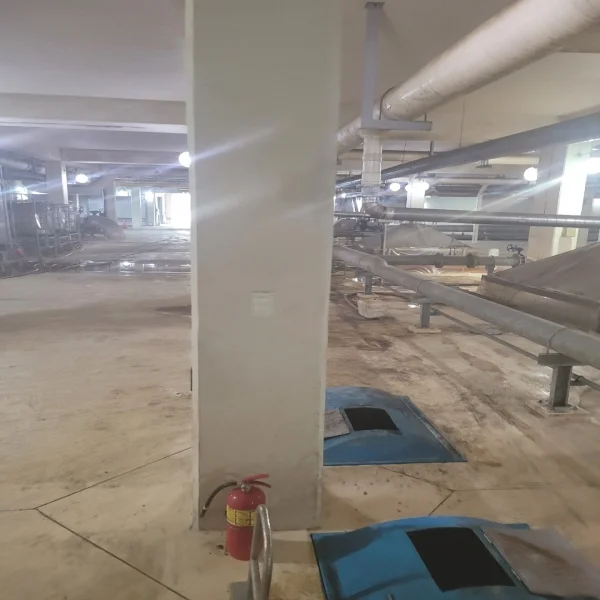
This case covers the installation of gas detectors at a water treatment facility operated by an environmental management corporation.
Most previous cases involving sewage and wastewater treatment have centered on confined-space gases such as O2, H2S, CO, and LEL. This site was different: chlorine (Cl2) and ammonia (NH3) detection was specifically requested, so we installed ammonia and chlorine detectors accordingly.
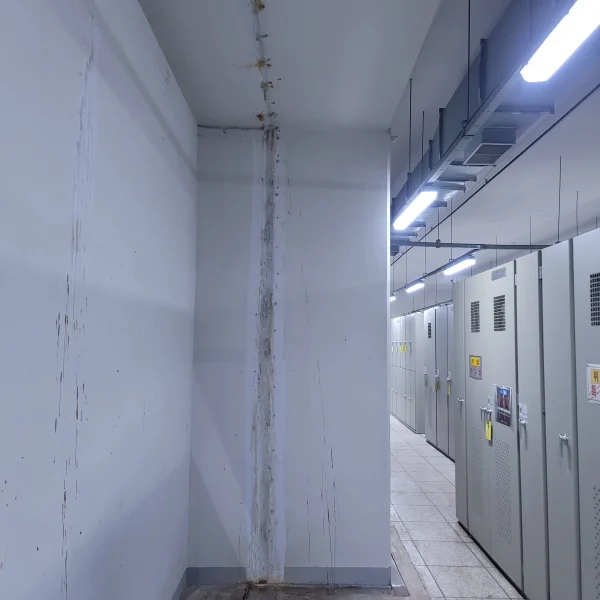
Why is Cl2 and NH3 monitoring necessary at wastewater and water treatment facilities?
First, some background: after septic treatment, wastewater passes through a treatment facility before being discharged into rivers. The key priority in this process is how thoroughly the water is purified before release.
Chlorine and ammonia are used to disinfect the water after treatment. Both are highly effective disinfectants, but both are also toxic gases. Let's look at just how hazardous each one is.
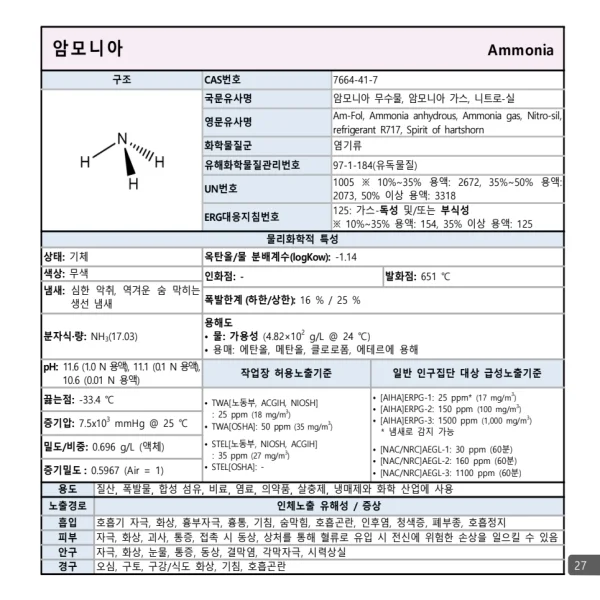
Ammonia is likely familiar to many people from the smell of older restrooms. It is a highly corrosive gas with a strong odor. The Korea Occupational Safety and Health Agency's exposure limit for ammonia is 25 ppm over an 8-hour period.
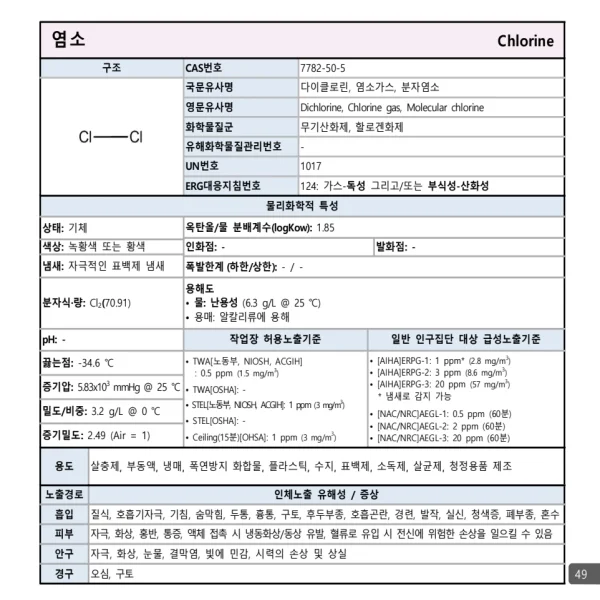
Chlorine is considerably more toxic than ammonia. While ammonia's national exposure limit is 25 ppm, chlorine's exposure limit is only 0.5 ppm — meaning even a very small leak can be harmful to human health.
Even so, both gases are essential to the water purification process. When Cl2 and NH3 are introduced for disinfection, a portion vaporizes into gas form. Any space where workers are stationed or spend time near this process therefore becomes a confined space requiring monitoring — which is why detectors were installed at this site.
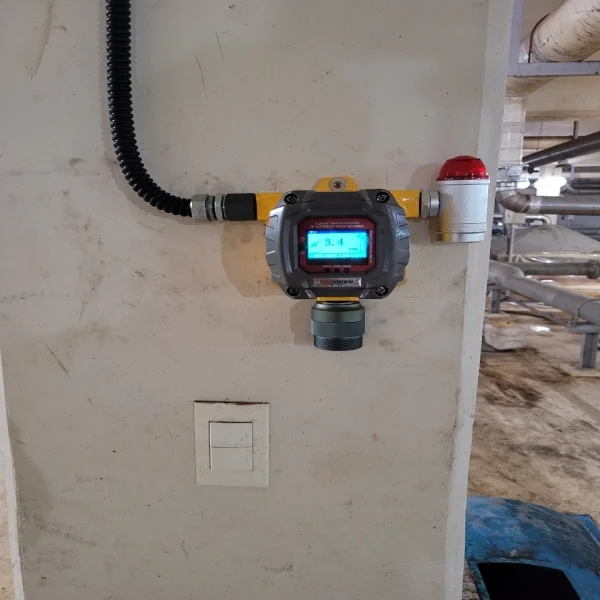
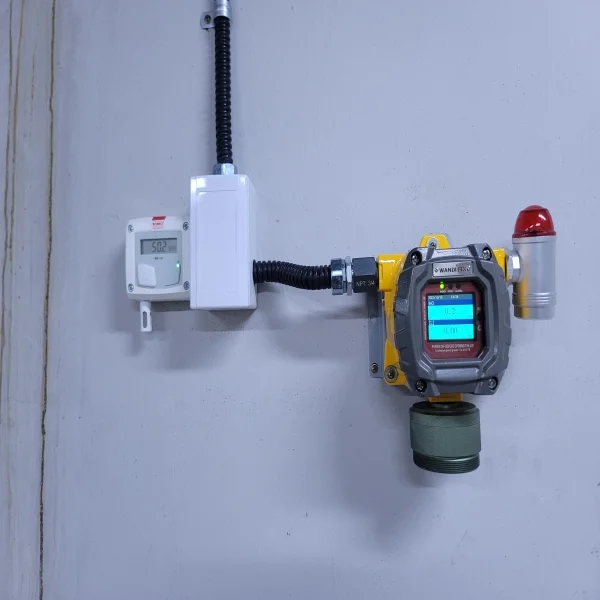
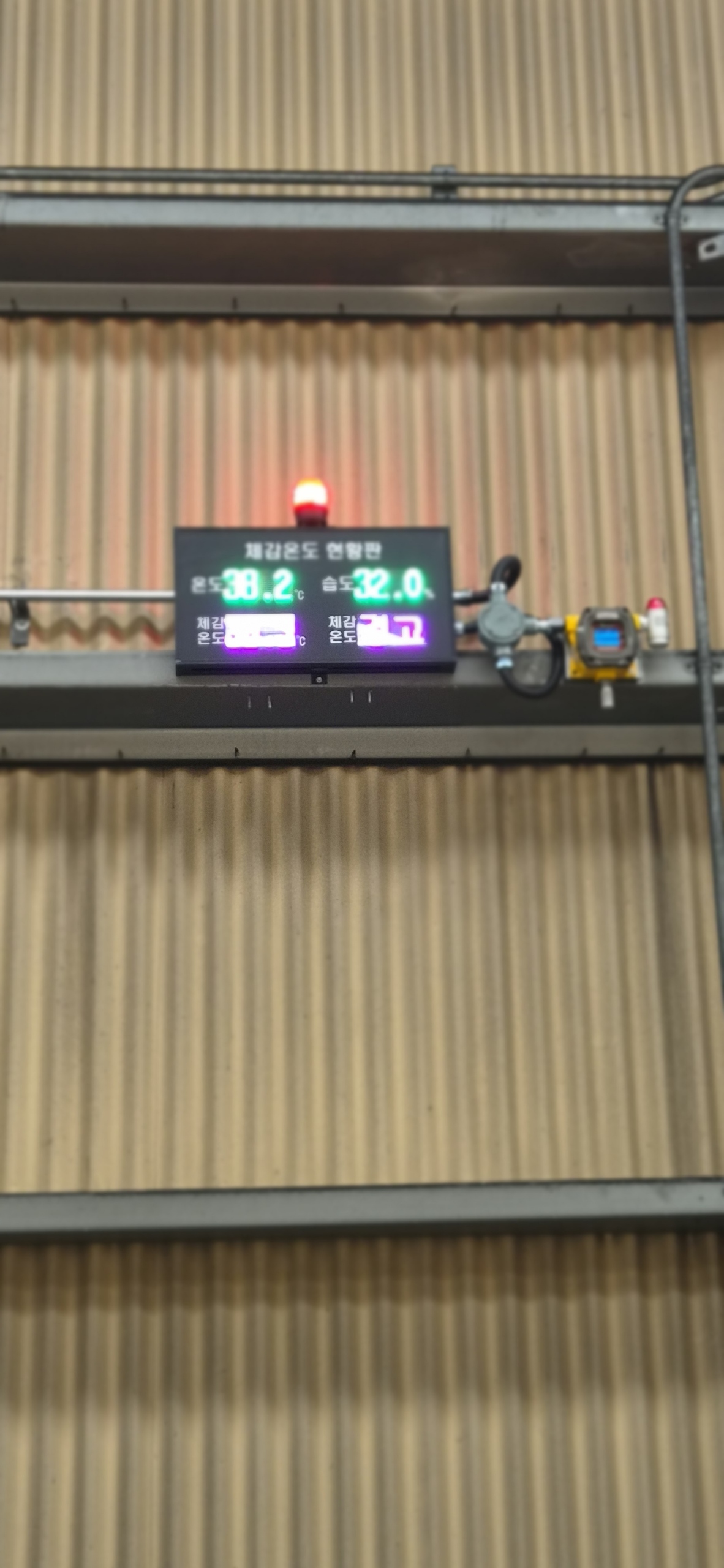
The FIX800 gas detector allows customers to select only the specific gas sensors needed for their site, making it a fully customizable instrument. With a single unit, it measures ambient ammonia and chlorine concentrations and displays the readings in real time.
Alarm thresholds are configured for each gas in line with occupational safety and health regulations. When a concentration exceeds the set threshold, the beacon on the unit triggers an audible and visual alarm.
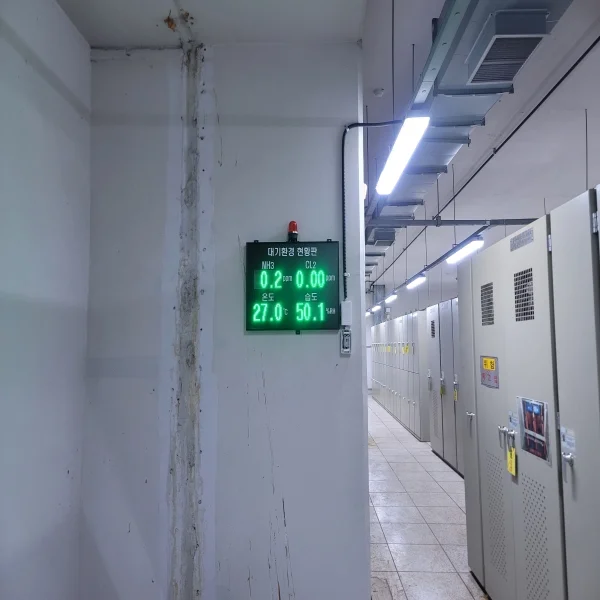
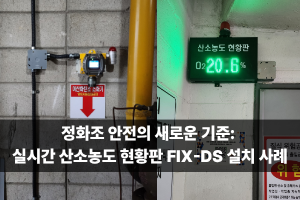
Finally, as with our other installations, an electronic display board was installed at the entrance so personnel can check gas concentrations before entering.
The main advantage of the display board is that it functions like a signal everyone can immediately understand: green text indicates safe concentration levels, while red text indicates hazardous levels. When the red display appears, it functions like a red traffic light — prompting an instinctive pause — helping to prevent gas-related accidents.
This concludes our installation case for chlorine and ammonia detectors at a water treatment facility.
Frequently Asked Questions (FAQ)
Q1. Why do wastewater and water treatment facilities need to monitor chlorine and ammonia?
Both gases are used for disinfection during the treatment process, and a portion vaporizes into the surrounding air, creating a potential confined-space hazard for nearby workers.
Q2. What is the difference in toxicity between ammonia and chlorine?
Ammonia's occupational exposure limit is 25 ppm over 8 hours, while chlorine's exposure limit is far lower at 0.5 ppm, making chlorine considerably more hazardous even in small leak quantities.
Q3. What gases can the FIX800 detector measure?
The FIX800 has up to 4 physical sensor slots and can detect up to 4 gases (5 when using a combined CO+H2S sensor), and it can be customized to the specific gases required at a given site.
Q4. What does the entrance display board do?
It shows real-time gas concentration readings in green (safe) or red (hazardous) text, allowing personnel to check conditions before entering a space.
#WANDI#FIX800#GasDetector#ChlorineDetector#AmmoniaDetector#WastewaterTreatment#WaterTreatmentFacility#ConfinedSpaceSafety#IndustrialSafety#GasMonitoring
![[레이먼드] 오,폐수 처리실 유해가스 모니터링](https://wandi.co.kr/storage/construction-cases/YxFUQVBZ8Unnk7pJzzfsmezr6xNe0LZvQRDmt7TL.jpg)
![[브이피이코리아] 종합병원 지하 밀폐공간 가스 측정기 설치_FIX800 & FIX-DS](https://wandi.co.kr/storage/construction-cases/gNOA28xSlEy5uU3AOxyHDRH5UfAe0TpMTgAt4Uag.jpg)

