Applied Markets
Installed Gases
Project Details
Hello, this is our team at RS Korea.
This time we visited a wastewater treatment facility. The installation took place on an extremely hot day — hot enough that the facility manager specifically asked us to make sure our crew wore helmets while also taking regular breaks and staying hydrated.
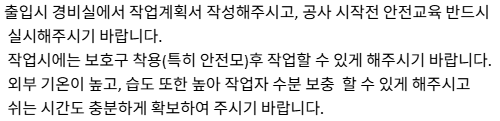
On this unbearably hot day, the gas detector installation was carried out alongside a separate air-conditioning installation happening at the same site — likely because the heat made conditions at the facility especially difficult.
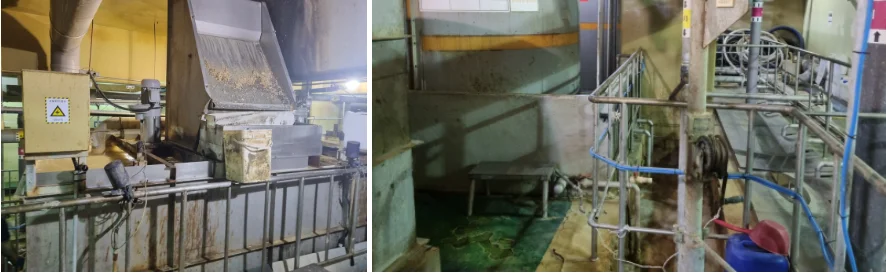
At this site, everywhere except the walkway used by workers was filled with wastewater — an environment where gas generation was essentially unavoidable. Because staff need to check gas levels before entering the facility room, they reached out to us about installing a detector.
Why a Gas Detector Was Needed at This Wastewater Facility
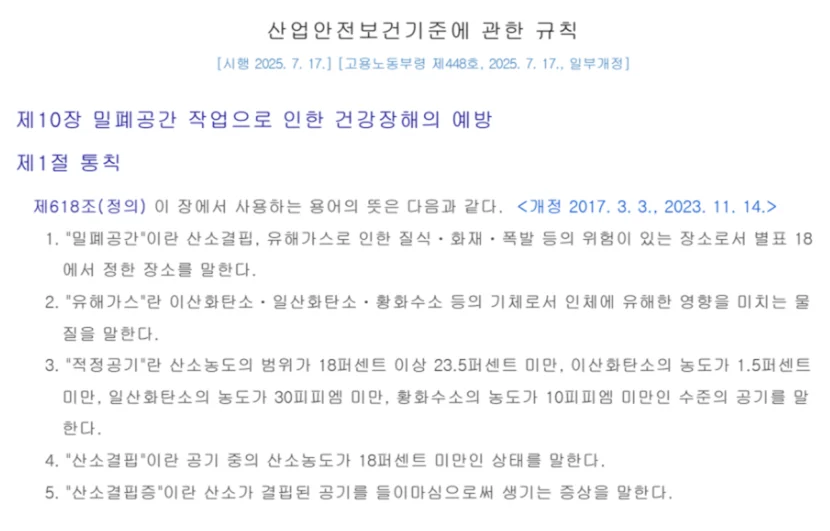
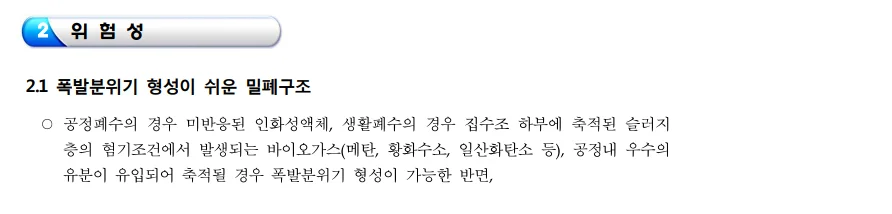
Beyond worker safety, wastewater treatment facilities are classified as confined spaces under Korea's Occupational Safety and Health Act, making gas measurement a mandatory requirement.
O2 (Oxygen): too little causes oxygen deficiency; too much increases the risk of oxygen toxicity and fire/combustion reactions.
CO2, CO (Carbon Monoxide), H2S (Hydrogen Sulfide): toxic gases harmful to the human body.
EX (Combustible/Explosive gas): indicates explosion risk — the closer to 100%, the greater the potential flame intensity and heat generated.
Installed Items
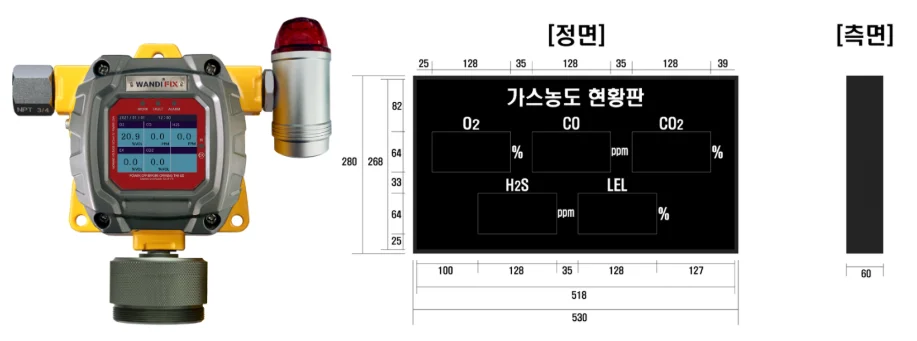
WANDI FIX800 fixed multi-gas detector.
A 5-gas fixed detector configuration, paired with a 5-channel status display so all five gas readings can be checked at a glance.
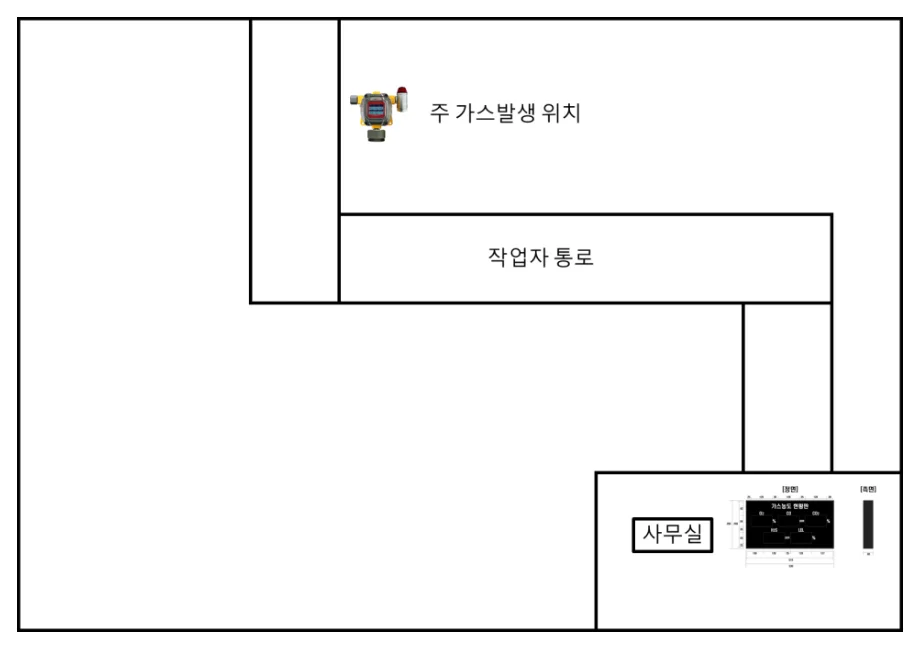
As shown in the layout diagram, the detector and display are positioned relatively close together on site.
We had hoped to finish quickly and enjoy a cool cup of coffee afterward, but the reality was more demanding — the space outside the worker walkway was filled with either wastewater or equipment, with multiple pipes running along the ceiling above. With the extreme heat causing sweat to run into our eyes, we prioritized safety and worked carefully and steadily rather than rushing.
During Installation
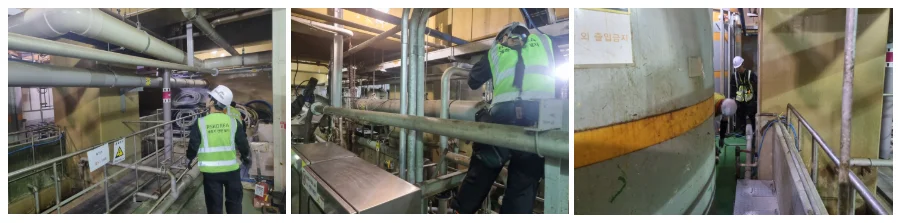
After reviewing the power supply and communication lines, we began routing the cable through the tray.
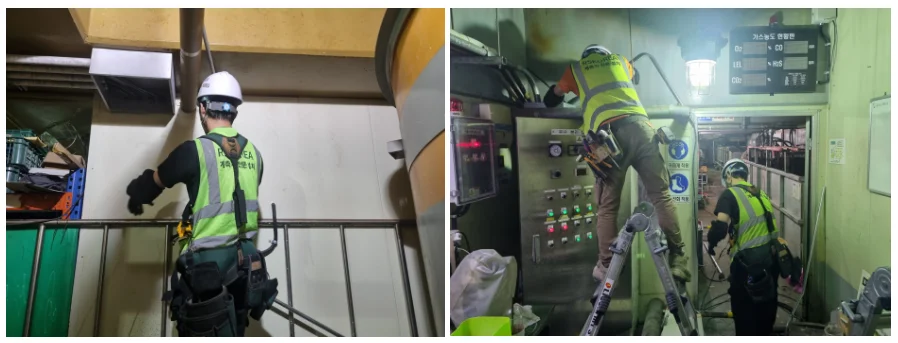
We ran the cable through an existing metal conduit leading to the office and completed the connection to the display.
Installation Complete
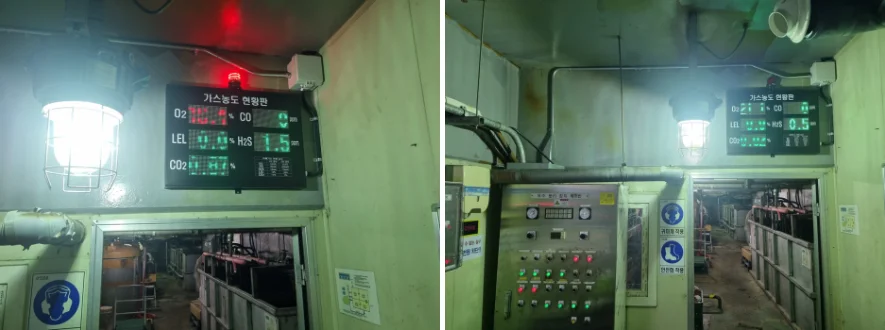
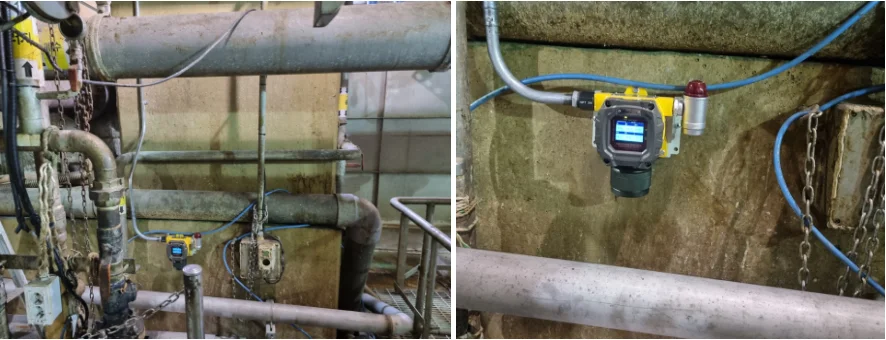
Once the installation was complete, we walked the site manager and facility staff through the alarm test, operating procedures, and manual before wrapping up.
By the time our gas detector installation was finished, the air-conditioning installation at the same site had also been completed — apparently replaced in response to heat-related illness prevention measures for the ongoing heatwave.
Spending time in that heat and humidity gave us a real sense of why heat-related illness is such a serious concern. It's an environment where working without regular breaks simply isn't feasible, and it reminded us that heat safety matters just as much as gas safety.
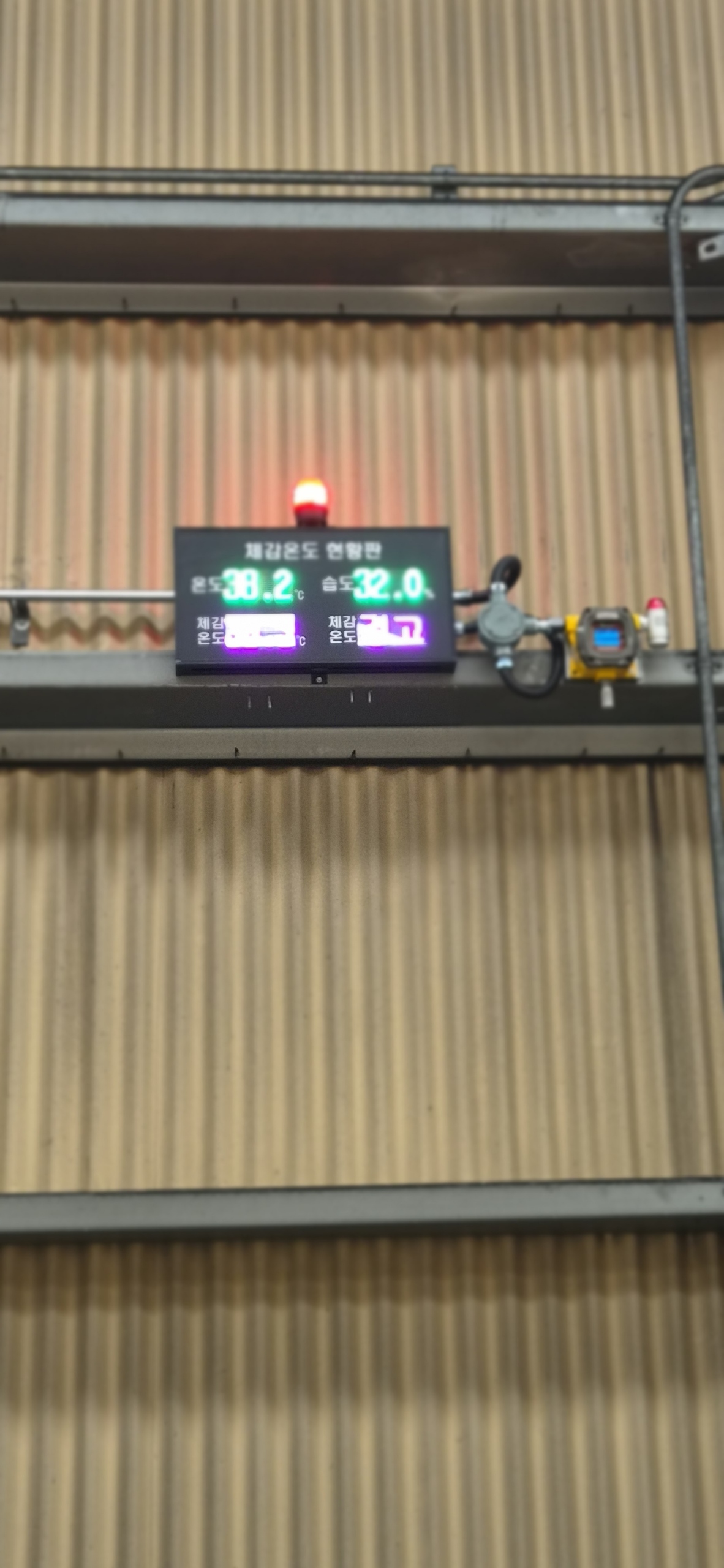
With that in mind, we'd like to briefly introduce a new product from RS Korea — a heat index (apparent temperature) and humidity meter built on the FIX800 platform, developed in response to Korea's 2025 heatwave safety regulations for industrial sites.
Feel free to reach out with any questions about gas or heat index measurement — we're always ready to respond quickly.
Thank you.
When you don't know what gases may be present in a given environment — or you know the gas type but aren't certain of the exact concentration — it can be difficult to select the right equipment before purchase. A thorough consultation with a specialist, taking into account environmental factors, the gases involved, frequency, and concentration, is the safest way to choose a gas detector with the correct measurement range.
RS Korea is a gas-detection specialist offering more than product sales alone — including in-house calibration, domestic repair service, custom manufacturing, and installation work. Drawing on experience across demonstrations, site surveys, deliveries, repairs, and installations in a wide range of environments, we provide tailored one-to-one solutions for each gas measurement environment.
자주 묻는 질문 (FAQ)
Q1. Why is gas measurement mandatory at wastewater treatment facilities?
Wastewater treatment facilities are classified as confined spaces under Korea's Occupational Safety and Health Act, which requires gas measurement to protect workers from hazards such as oxygen deficiency and toxic gas exposure.
Q2. What gases were configured for this installation?
The FIX800 was configured for 5 gases: O2 (oxygen), CO (carbon monoxide), H2S (hydrogen sulfide), LEL/EX (combustible gas), and CO2 (carbon dioxide), paired with a 5-channel status display.
Q3. Why is oxygen dangerous both at low and high concentrations?
Too little oxygen causes oxygen deficiency, which can be life-threatening, while too much oxygen increases the risk of oxygen toxicity and raises the risk of fire or combustion reactions.
Q4. What does the EX/LEL reading indicate?
EX (combustible gas) indicates the risk of explosion — the closer the reading is to 100%, the greater the potential flame intensity and heat if ignition occurs.
Q5. Does RS Korea offer solutions for heat safety as well as gas safety?
Yes. In response to Korea's 2025 heatwave safety regulations for industrial sites, RS Korea has introduced a heat index (apparent temperature) and humidity meter built on the FIX800 platform.
#OccupationalSafetyStandards #ConfinedSpace #WastewaterTreatment #5GasDetector #FIX800 #WANDI #SafetyManagement #GasDetector #HeatIndex #SiteSafety
![[레이먼드] 오,폐수 처리실 유해가스 모니터링](https://wandi.co.kr/storage/construction-cases/YxFUQVBZ8Unnk7pJzzfsmezr6xNe0LZvQRDmt7TL.jpg)
![[브이피이코리아] 종합병원 지하 밀폐공간 가스 측정기 설치_FIX800 & FIX-DS](https://wandi.co.kr/storage/construction-cases/gNOA28xSlEy5uU3AOxyHDRH5UfAe0TpMTgAt4Uag.jpg)

