Applied Markets
Installed Gases
Project Details
Hello. As always, our technical team headed out early to prepare for a visit to a crematorium facility.
It was 7 a.m. It had been dark and cold on arrival, but by the time the morning safety briefing was over, it had warmed up considerably — a temperature swing steep enough within just an hour to explain why the flu is going around.
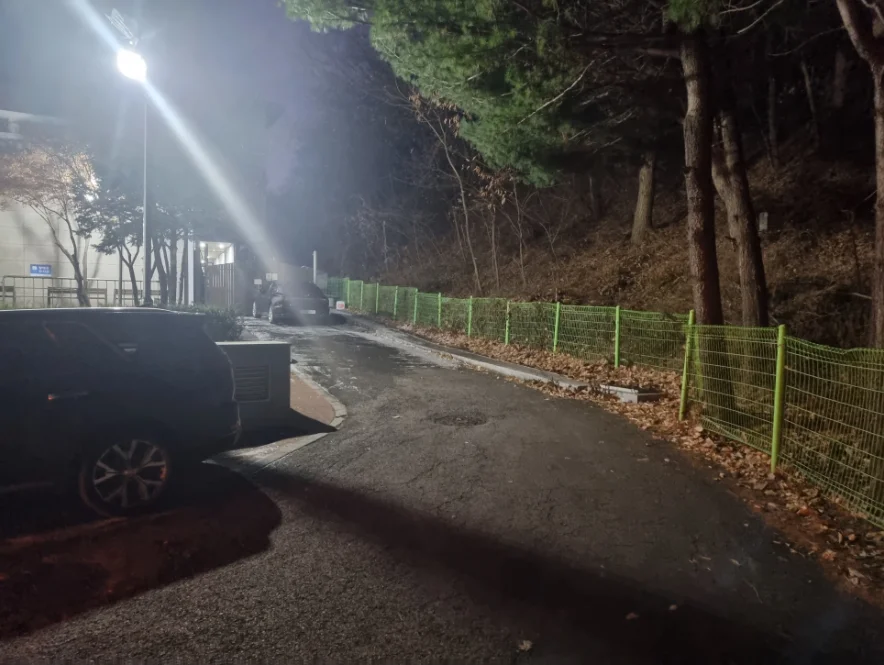
Installation Request
The request centered on three main points: installing an industrial safety gas detector for the confined-space wastewater treatment area; installing a status display so gas concentration levels at the remote wastewater treatment facility could be checked from the control room; and adding an option suited to the facility's high-humidity conditions.
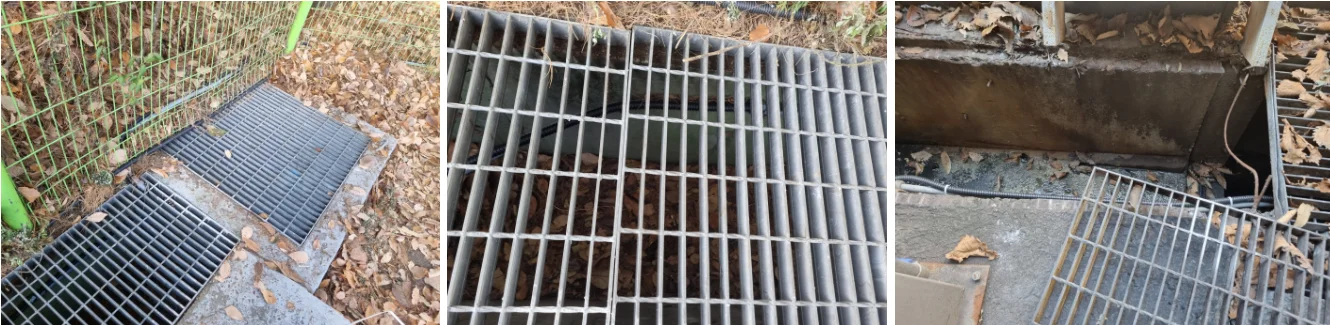
During the on-site survey, installing the gas detector and status display presented no issues. The main extra work involved clearing leaves from the drainage channel and securing the flexible conduit inside it while routing the cable through — a bit more labor, but nothing problematic.
Inside the wastewater treatment facility, humidity was not actually a concern. If anything, there were a lot of insects on site, so we advised against routing the sensing line together with the pre-treatment pump's suction — insects getting caught in it could overload the pump and prevent proper gas intake, making accurate readings unreliable. We recommended installing the detector as a stand-alone unit instead.
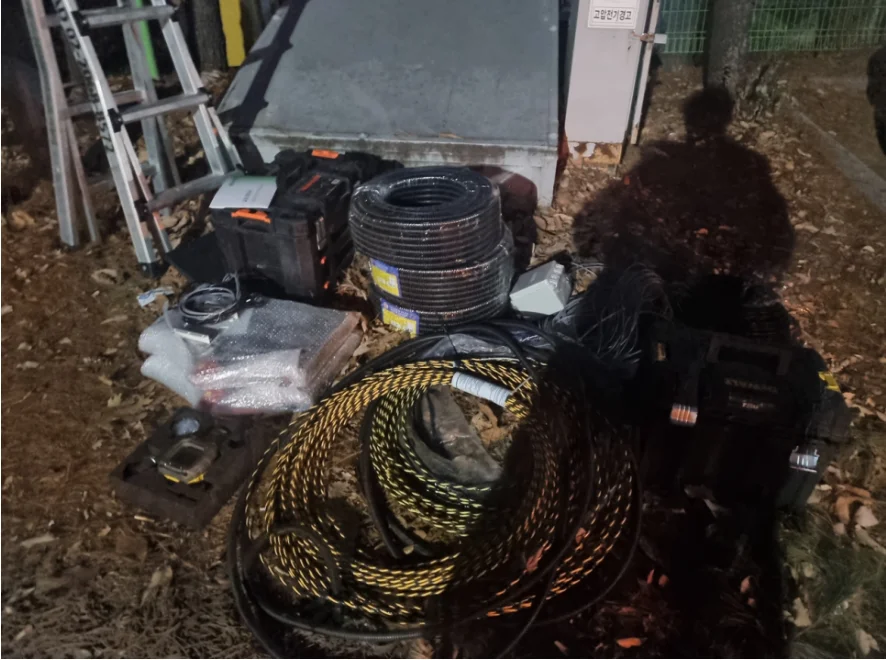
Installation Materials
The scope covered one detector unit and two remote display units — a fixed-type industrial safety detector configured for 5 gases (O2, CO, H2S, LEL, CO2).
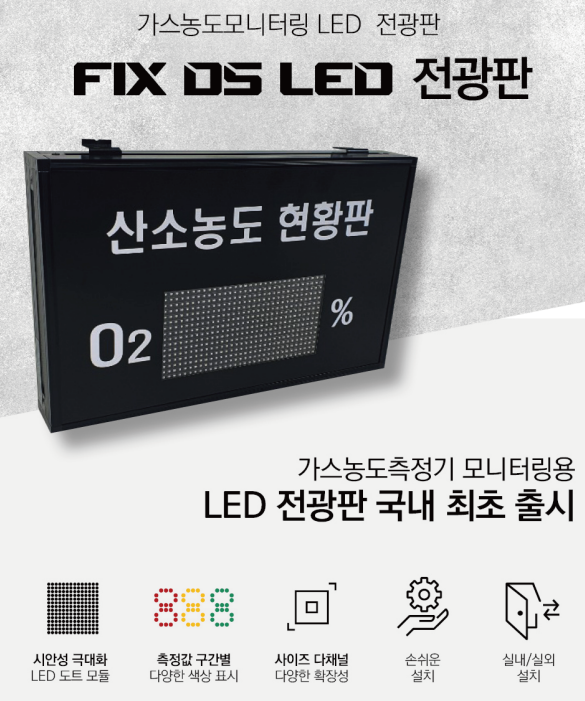
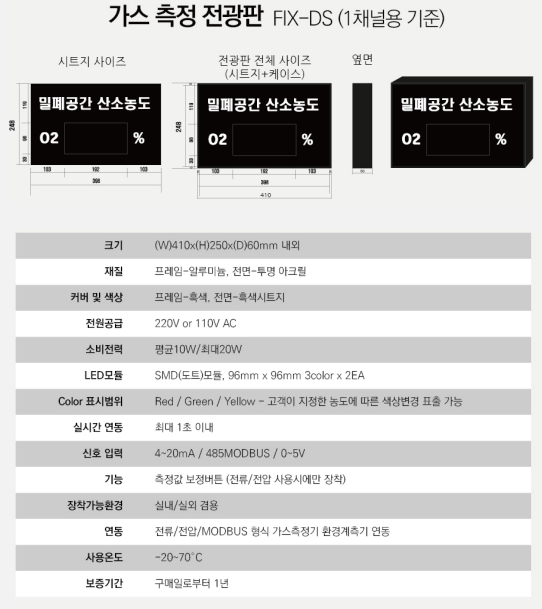
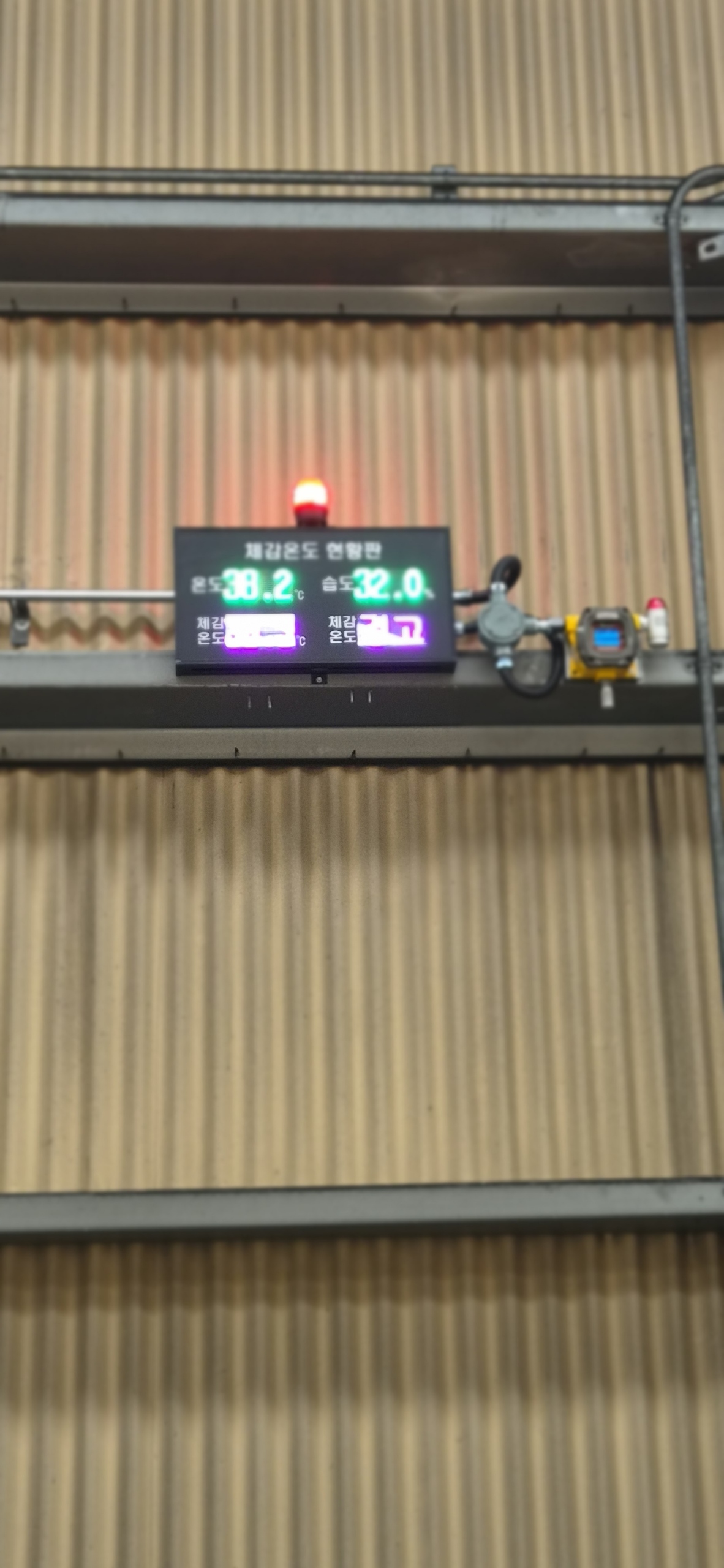
The WANDI FIX800 fixed multi-gas detector was installed at the wastewater treatment facility, paired with one display unit at the facility entrance and one in the control room.
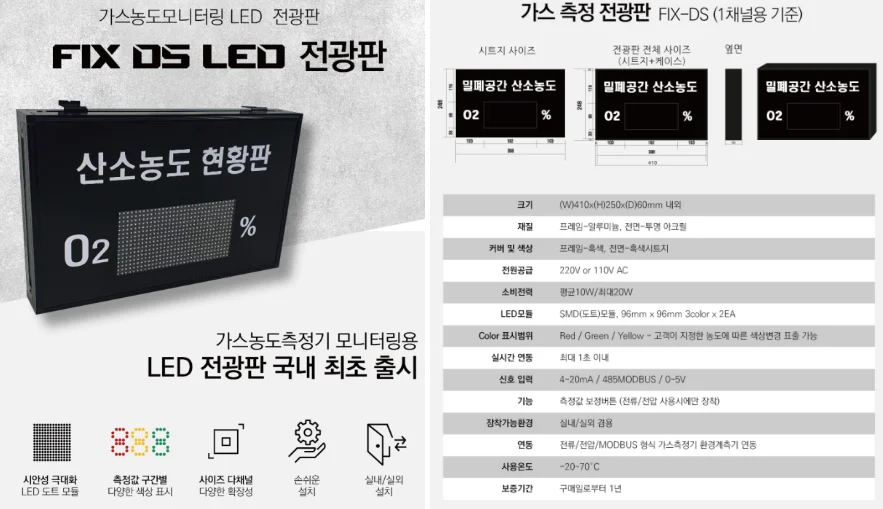
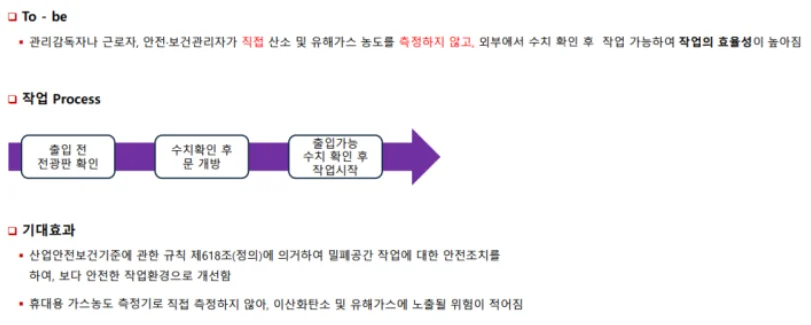
Pairing a remote display with the fixed detector is, in our view, the most important part of this configuration — it improves both work efficiency and safety. Measuring with a portable unit would require a worker to enter the confined space, which carries risk; with the fixed detector and display in place, readings can instead be checked from outside before work begins.
Installation
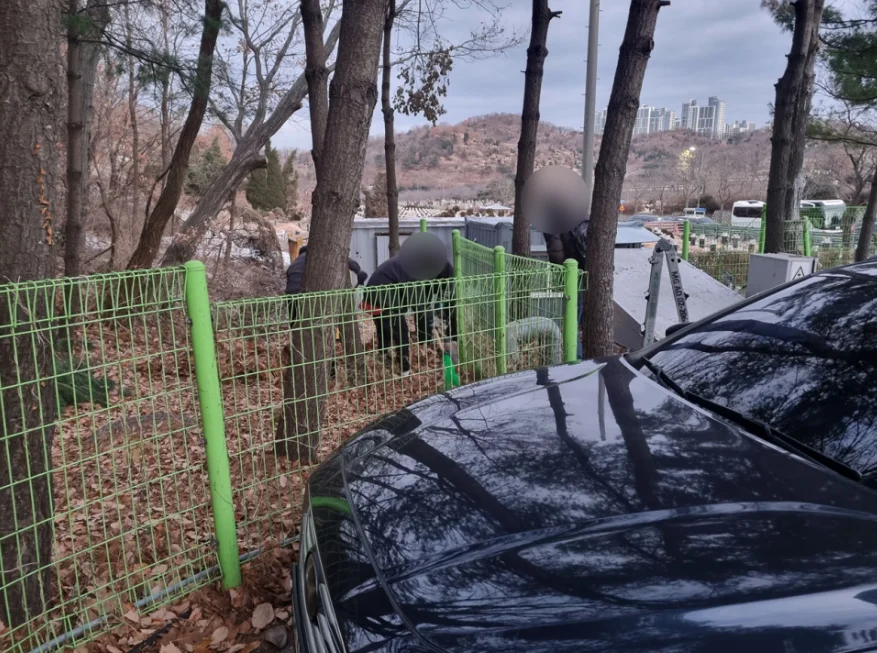
The first step was clearing away leaves, followed by securing the route for the communication and power line before running the flexible conduit through it. Staff at the facility came out, brought extra shovels, and helped clear the leaves — on a cold day like this, everyone pitched in to get it done quickly so work could begin.
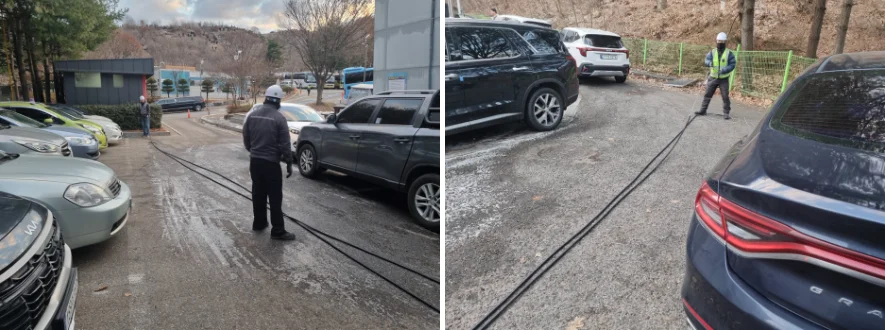
A test of patience: extending the flexible conduit — pushing and pulling, pushing and pulling.
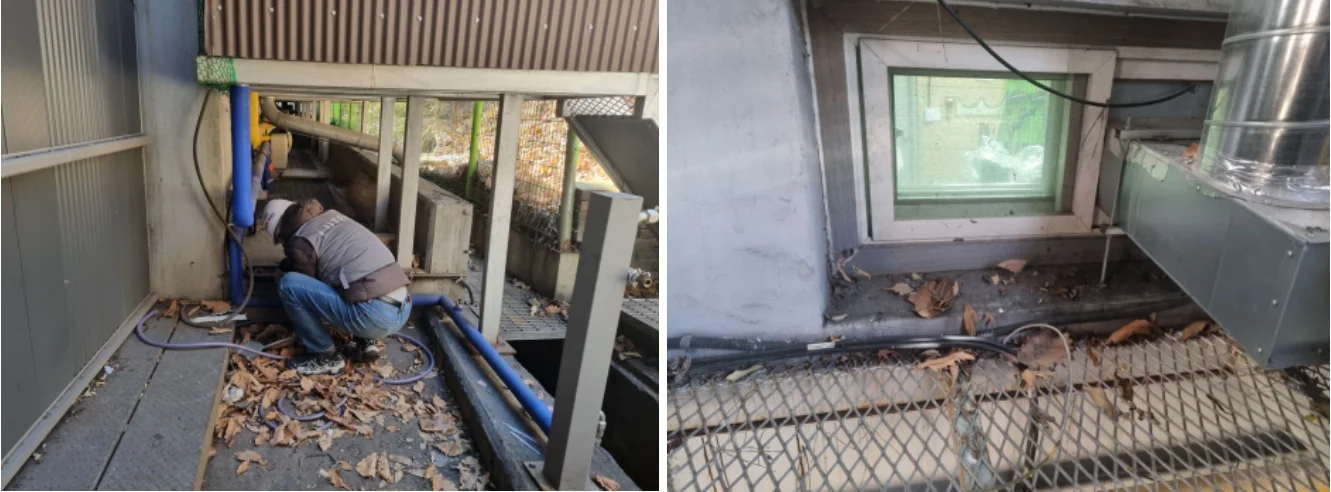
The communication and power line, routed through the drainage channel, reached all the way to the control room window. Everyone had mentioned the cold that morning, but by this point they were saying it felt warm from the work.
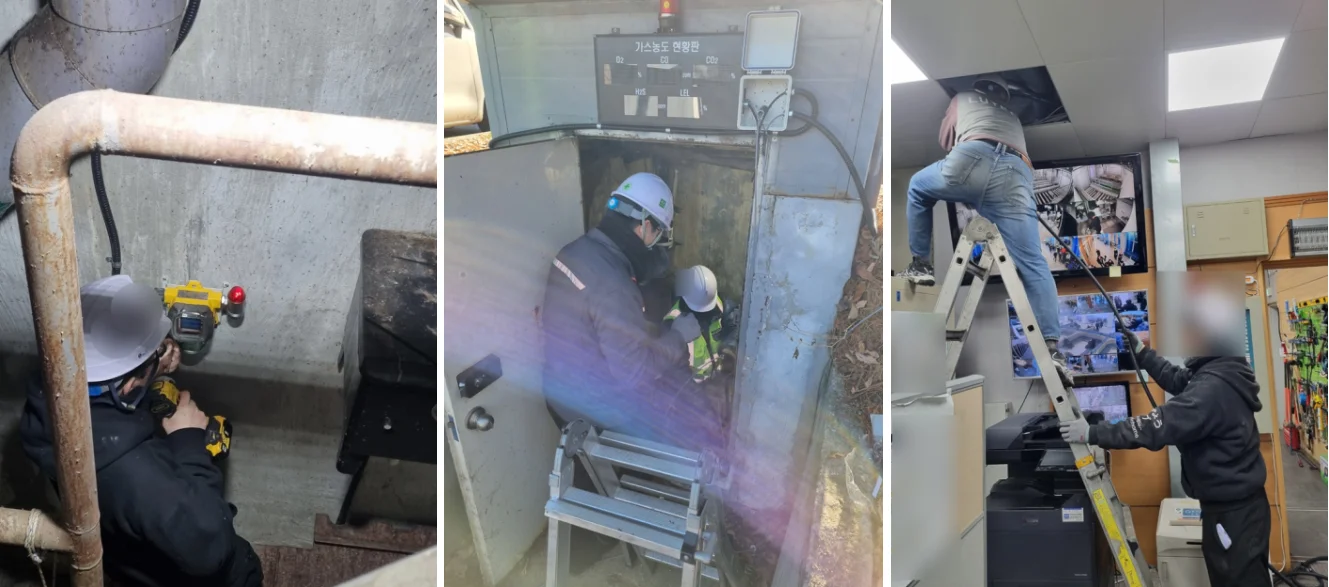
Installation summary: a fixed FIX800 5-gas detector inside the wastewater treatment facility, a 5-channel display at the facility entrance, and a 5-channel display in the control room.
Once installation was complete, we carried out testing and product training — the final step, and our favorite part. There's naturally a sense of "time to head home," but seeing the operators react the first time the display's alert sound goes off is always satisfying.
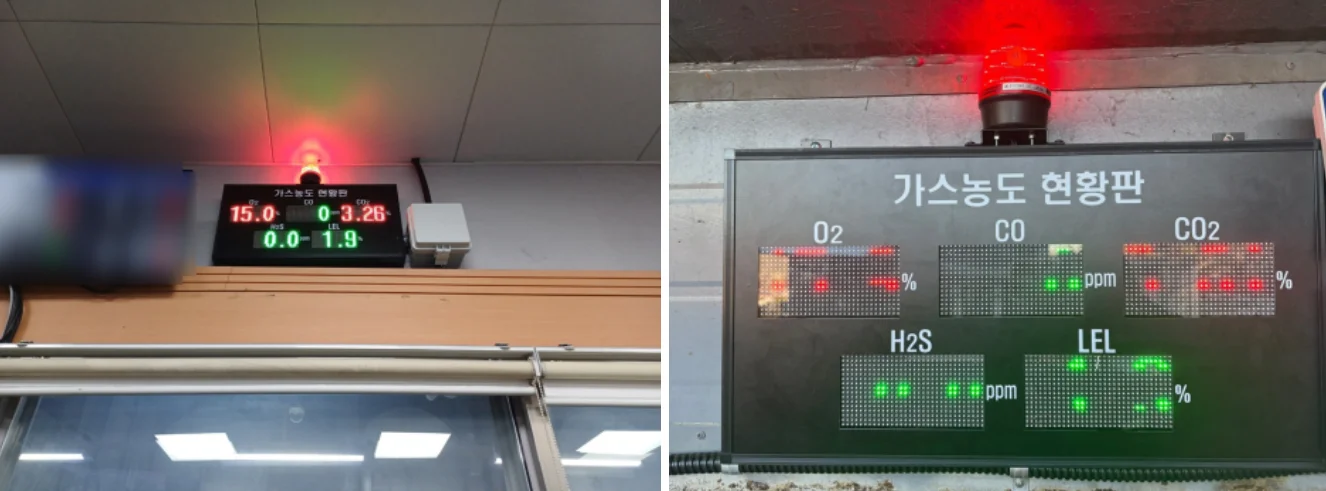
With that reaction from the facility staff, this wraps up the installation report for the crematorium site.
RS Korea coordinates on-site inspections and product briefings on a scheduled basis nationwide. Beyond standard product sales, we are a gas-specialized company offering in-house calibration, domestic after-sales repair, manufacturing, and installation services, drawing on experience across demonstrations, site surveys, deliveries, repairs, and installation projects to provide solutions tailored to each gas-monitoring environment.
Frequently Asked Questions
Q1. What type of facility was this FIX800 installed at?
The detector was installed in the wastewater treatment area of a crematorium facility — a confined space requiring industrial gas safety monitoring.
Q2. What gases does this configuration monitor?
The FIX800 was configured as a 5-gas detector covering O2, CO, H2S, LEL (combustible gas), and CO2.
Q3. How many display units were installed, and where?
Two 5-channel remote display units were installed — one at the entrance to the wastewater treatment facility and one in the control room — so gas readings could be checked without requiring staff to enter the confined space.
Q4. Why was the detector installed as a stand-alone unit rather than paired with the facility's pre-treatment pump?
The site had a high volume of insects. Routing the sensing line together with the pre-treatment pump's suction risked insects clogging the line, which could overload the pump and prevent accurate gas readings. The detector was installed on its own instead.
Q5. What did the installation process involve?
Work included clearing leaves from the drainage channel, securing flexible conduit for the sensing line, and running communication and power cabling from the wastewater facility to the control room window, followed by functional testing and operator training.
#GasDetector #FIX800 #WANDI #FixedGasDetector #MultiGasDetector #IndustrialSafety #ConfinedSpace #H2SDetector #CODetector #GasDetectorInstallation
![[레이먼드] 오,폐수 처리실 유해가스 모니터링](https://wandi.co.kr/storage/construction-cases/YxFUQVBZ8Unnk7pJzzfsmezr6xNe0LZvQRDmt7TL.jpg)
![[브이피이코리아] 종합병원 지하 밀폐공간 가스 측정기 설치_FIX800 & FIX-DS](https://wandi.co.kr/storage/construction-cases/gNOA28xSlEy5uU3AOxyHDRH5UfAe0TpMTgAt4Uag.jpg)

