Applied Markets
Project Details
Note: the R9600 data logger model used in this installation has since been discontinued and replaced by the newer RN3000 model.
Hello. This case covers a site visit and installation for a construction site that needed a level sensor to measure groundwater beneath the ground.
Why Groundwater Is Monitored at Construction Sites
During excavation, once the depth reaches below the groundwater table, water flowing into the site can cause settlement of the surrounding ground, which can seriously affect the progress of construction. Monitoring changes in groundwater level as work proceeds allows the site to respond to settlement or similar issues before they escalate. A shortage of groundwater can also lead to ground subsidence or sinkholes, which is why this construction site requested a groundwater measurement solution.
Requirements at the Quotation Stage
The level sensor needed to support RS485 communication, paired with a data logger capable of receiving readings from the sensor. The measurement range needed to be within 10 m, with the sensor installed about 15 m below ground level. Once all requirements were confirmed, we provided a quotation, completed safety training, and proceeded step by step from the site survey.
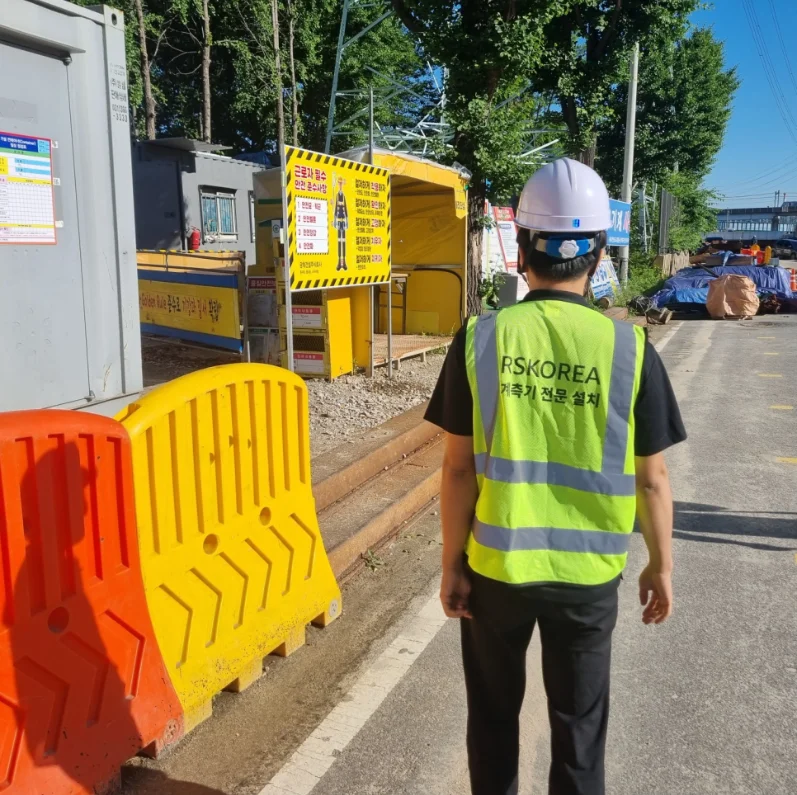
Safety first, always.
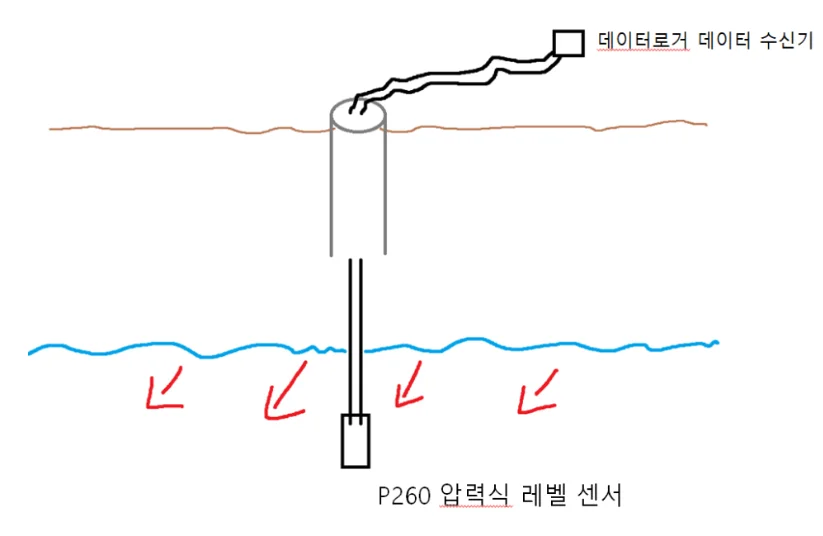
The sensor measures groundwater roughly 15 m below the surface. Readings are collected by the data logger, allowing the site to top up the water level whenever it runs short.
Installation
A casing pipe for the level sensor had already been set up at the site, so the sensor was lowered to the bottom of the pipe and connected to the data logger using a waterproof flexible connector.
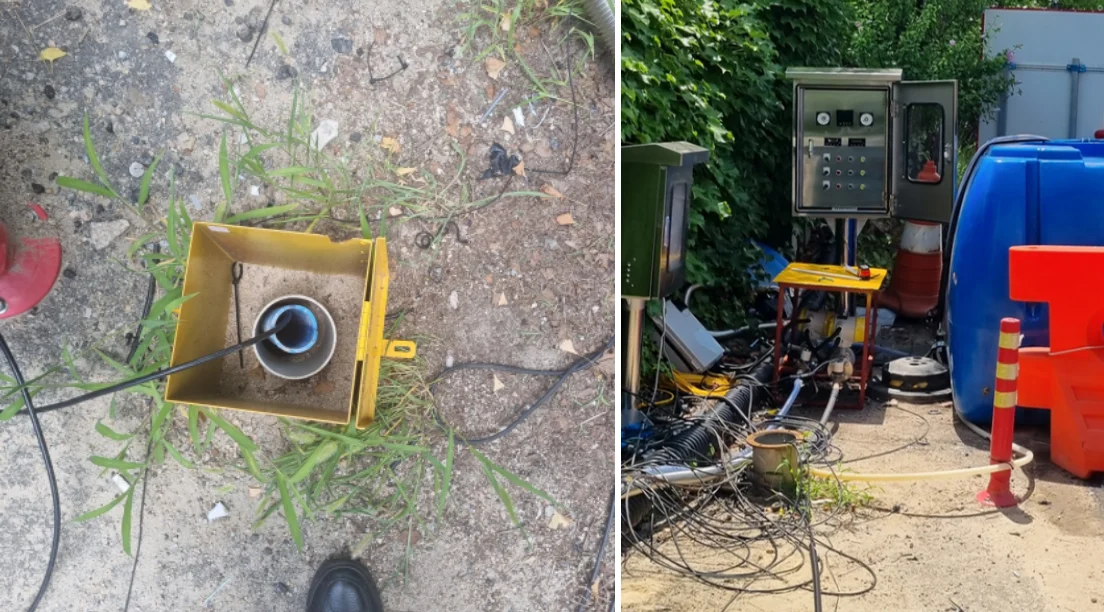
Because the sensor location was about 100 m from the data logger, most of the time on site went into running the cable between the two, but the installation itself was straightforward. Once the work was finished, the readings came through.
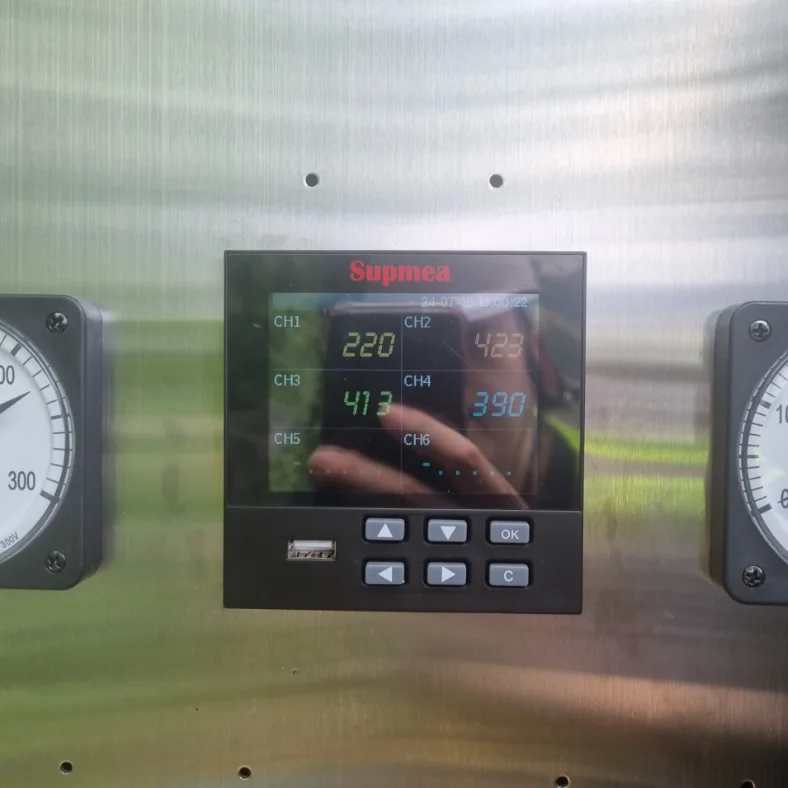
A Question from the Site Manager
The site manager noticed that the CH1/CH2 pair and the CH3/CH4 pair, installed only about 1 m apart from each other, were showing slightly different readings, and asked whether the values could be trusted.
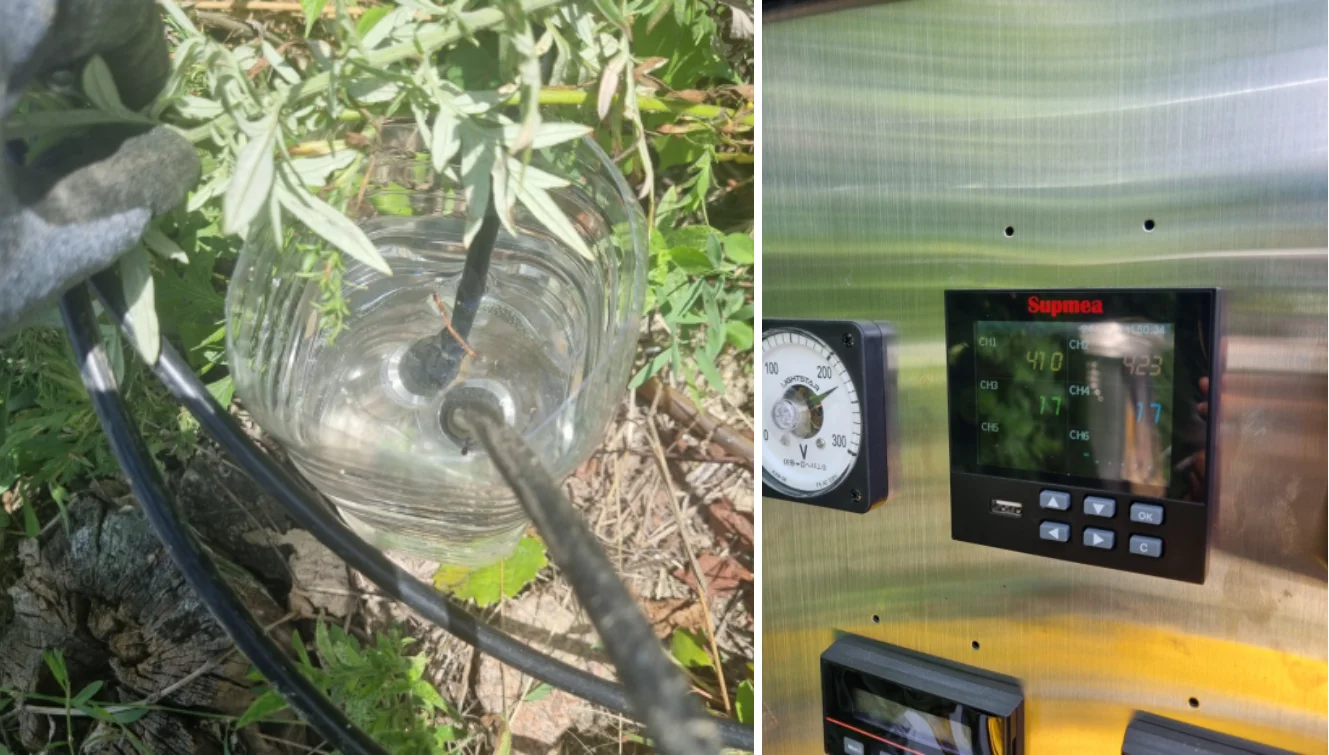
To demonstrate accuracy, one sensor was placed inside the same pipe housing a second sensor, and both units showed matching readings. The same two sensors were then tested together submerged in a PET bottle, again showing matching values, and the actual water level in the bottle was independently confirmed with a tape measure. This confirmed that the level sensors were working correctly and measuring accurately even at very shallow depths, and the site manager was satisfied with the result.
Working outdoors under direct summer sun on this job was a reminder of how comfortable indoor sites such as wastewater treatment plants and septic tank facilities can be by comparison for gas detector installation work.
Overall, the pressure-type level sensor performed accurately even in a small container such as a PET bottle, and the data logger allowed readings to be checked directly on site. We are available for site surveys, installation, and commissioning at any location.
Frequently Asked Questions (FAQ)
Q1. Why is groundwater level monitored at construction sites?
When excavation reaches below the groundwater table, water flowing into the site can cause settlement of the surrounding ground. Monitoring groundwater level changes during construction allows the site to respond to settlement or sinkhole risk before it becomes a larger problem.
Q2. What were the technical requirements for this installation?
The customer needed a level sensor supporting RS485 communication, paired with a data logger to collect readings, capable of measuring within a 10 m range and installed roughly 15 m below ground level.
Q3. How was the sensor connected to the data logger?
The level sensor was lowered through a pre-installed pipe to the bottom of the well, then connected to the data logger using a waterproof flexible connector. Because the sensor was about 100 m from the logger, most of the installation time went into running the cable.
Q4. Why did nearby sensors show slightly different readings?
To confirm accuracy, one sensor was placed inside the same pipe as another, and both showed matching readings. The same two sensors were then tested together in a PET bottle and again showed matching values, with the water level verified independently using a tape measure — confirming both sensors were working correctly even at very shallow depths.
Q5. What data logger is used, and is it still available?
This installation used the R9600 data logger, which has since been discontinued and replaced by the RN3000 model as its successor.
#WANDI #LevelSensor #PressureLevelSensor #DataLogger #RN3000 #RS485 #GroundwaterMonitoring #ConstructionSiteSafety #FieldInstallation #IndustrialMeasurement
![[레이먼드] 오,폐수 처리실 유해가스 모니터링](https://wandi.co.kr/storage/construction-cases/YxFUQVBZ8Unnk7pJzzfsmezr6xNe0LZvQRDmt7TL.jpg)
![[브이피이코리아] 종합병원 지하 밀폐공간 가스 측정기 설치_FIX800 & FIX-DS](https://wandi.co.kr/storage/construction-cases/gNOA28xSlEy5uU3AOxyHDRH5UfAe0TpMTgAt4Uag.jpg)

