Applied Markets
Installed Gases
Project Details
Hello.
Today's topic is hydrogen gas, which is gaining spotlight in this eco-friendly era.
Hydrogen is being highlighted as an eco-friendly fuel, and the hydrogen industry — including hydrogen-powered vehicles — is currently booming.
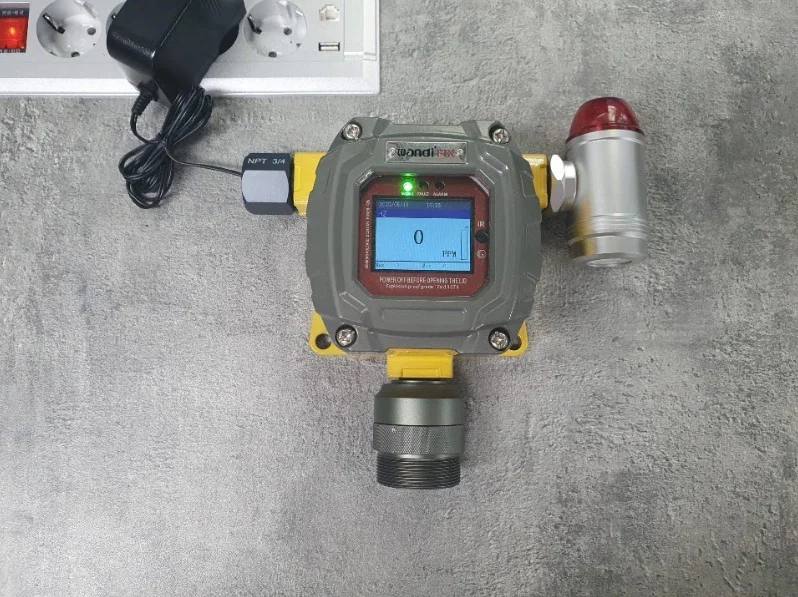
Hydrogen is an eco-friendly fuel and is colorless and odorless.
The only drawback of hydrogen is that it's highly explosive.
As shown in the table, if hydrogen leaks at just 4% (40,000ppm) and meets a heat source, it will explode.
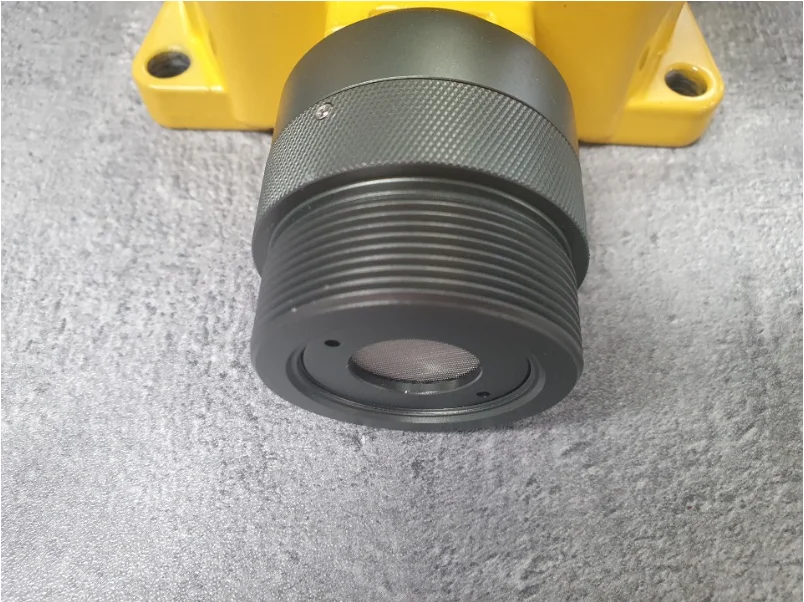
So above all, it's important to detect leaks of colorless, odorless hydrogen gas, and leak detection must always be done using a detector.
The round part at the bottom of the FIX800 detector is the sensor.
Here, it measures the hydrogen concentration in the air reaching the sensor in real time and displays it.
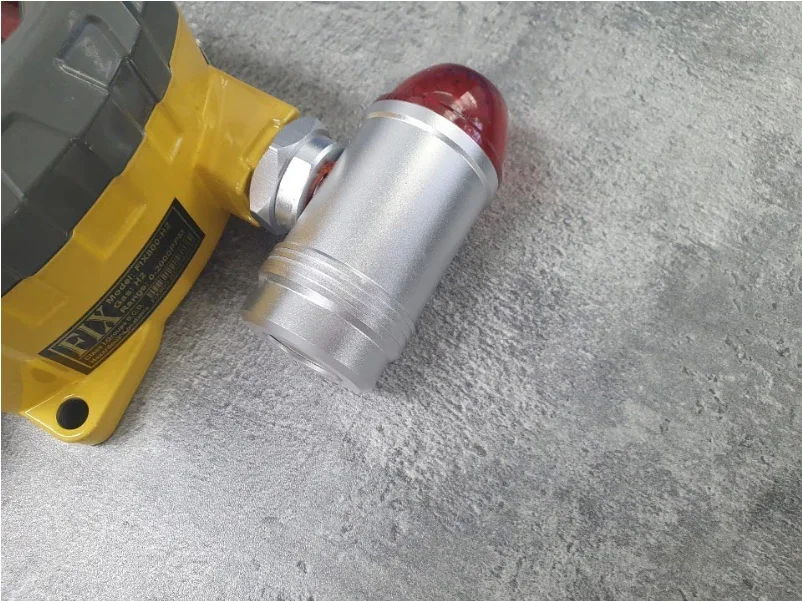
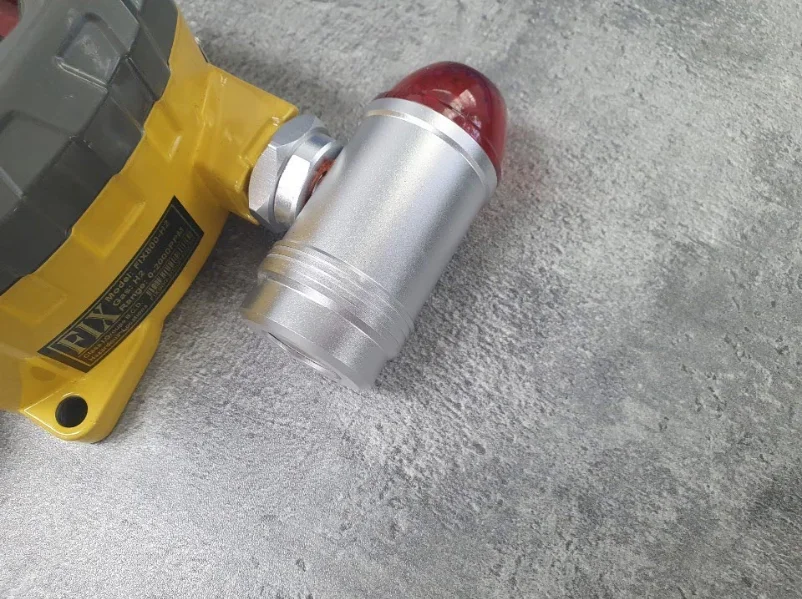
When a concentration higher than the level I set is detected, a sound & light alarm is triggered via the warning light on the right side.
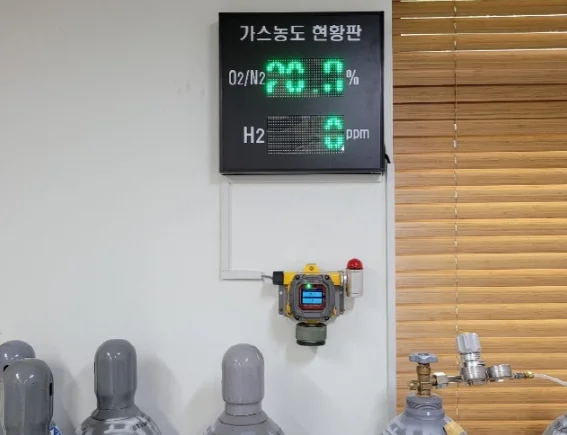
For hydrogen detectors, installation inquiries mostly come from schools and research institutes that work with hydrogen gas.
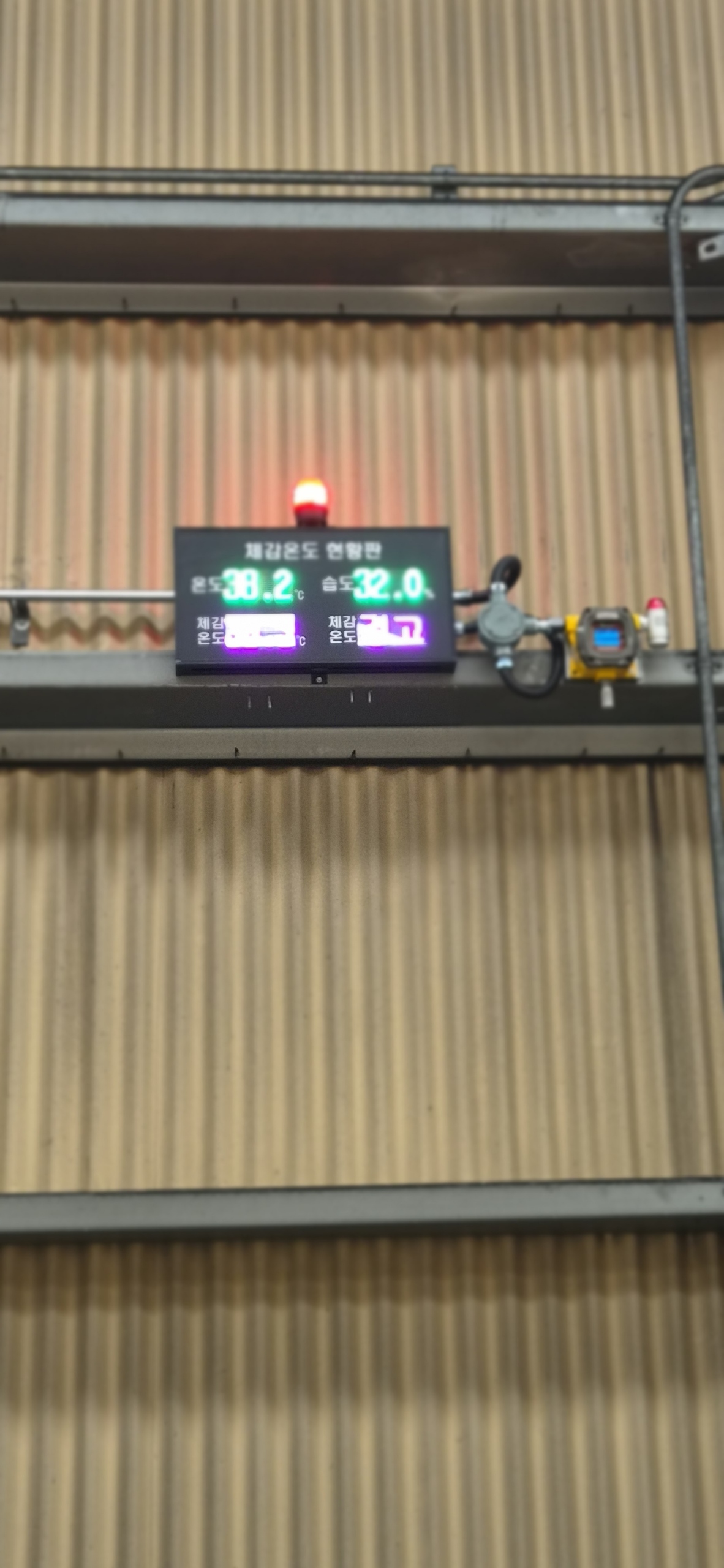
By configuring a display board alongside the detector, high-visibility monitoring is also possible.
Installing the display board in front of the laboratory entrance allows hydrogen leaks to be checked in advance before entering.
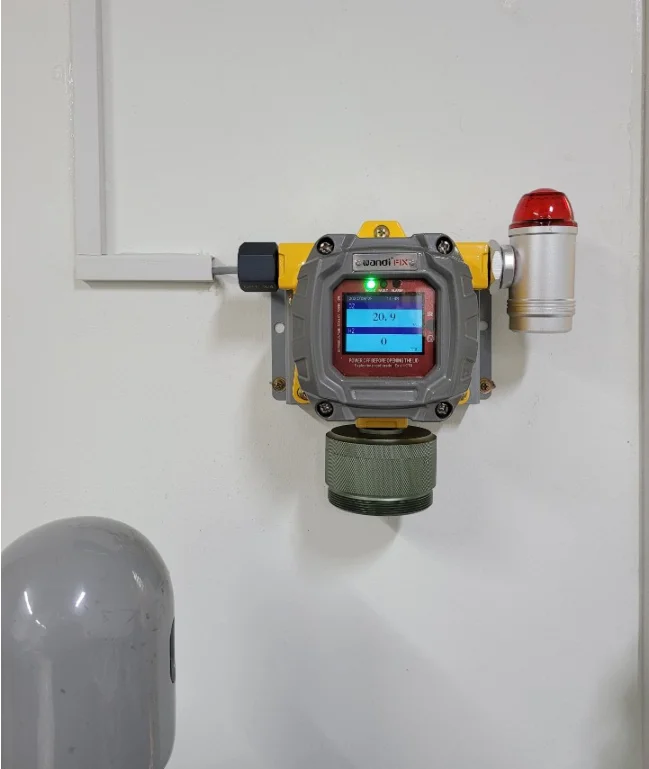
Hydrogen gas is lighter than air, so it rises when it leaks.
KOSHA recommends installing hydrogen detectors 20cm below the ceiling, but the most accurate approach is to install it directly above the actual gas source.
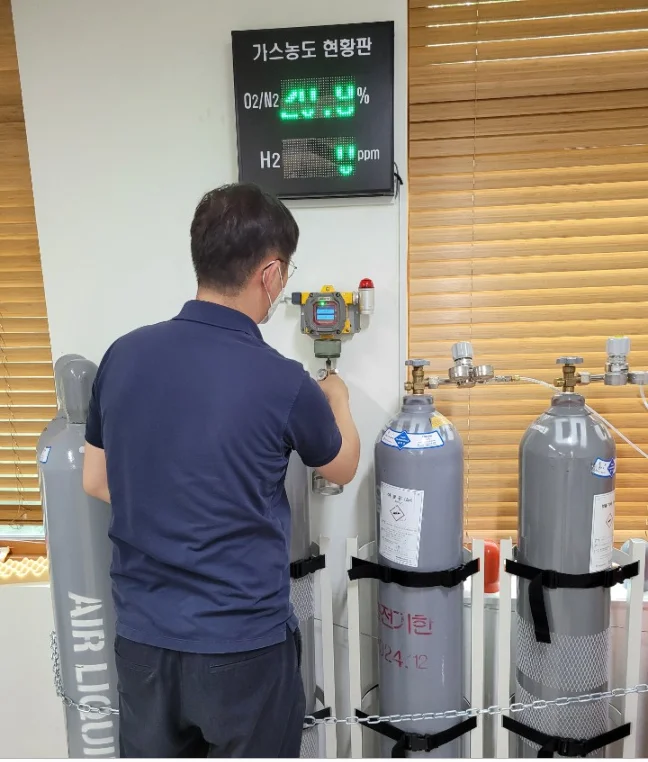
Once installation is complete, we also run a test using a portable standard gas we bring along.
This concludes the introduction of the FIX800 hydrogen detector installation.
Thank you.
Frequently Asked Questions (FAQ)
Q1. Why is hydrogen gas dangerous?
Hydrogen is an eco-friendly fuel and is colorless and odorless. Its only drawback is that it's highly explosive — a leak of just 4% (40,000ppm) can explode upon meeting a heat source.
Q2. What equipment was installed in this case?
A FIX800 hydrogen leak detector was installed. The round part at the bottom is the sensor, which measures the hydrogen concentration in the air reaching it in real time and displays the reading.
Q3. How does the detector work?
If a concentration higher than the set level is detected, a sound & light alarm is triggered via the warning light on the right side. A display board can also be configured for high-visibility monitoring, and installing one at the laboratory entrance allows hydrogen leaks to be checked before entering.
Q4. Where is the best place to install the detector?
Since hydrogen is lighter than air and rises when it leaks, KOSHA recommends installing it 20cm below the ceiling. However, the most accurate placement is directly above the actual gas source.
Q5. Is there a verification process after installation?
Once installation is complete, a test is run using a portable standard gas brought along for the job. Hydrogen detectors are most commonly requested by schools and research institutes working with hydrogen gas.
#WANDI #FIX800 #HydrogenLeakDetector #HydrogenGasSafety #EcoFriendlyEnergy #LaboratorySafety #GasConcentrationDisplayBoard #ExplosionRiskManagement #IndustrialSafetyEquipment #OccupationalSafety
![[레이먼드] 오,폐수 처리실 유해가스 모니터링](https://wandi.co.kr/storage/construction-cases/YxFUQVBZ8Unnk7pJzzfsmezr6xNe0LZvQRDmt7TL.jpg)
![[브이피이코리아] 종합병원 지하 밀폐공간 가스 측정기 설치_FIX800 & FIX-DS](https://wandi.co.kr/storage/construction-cases/gNOA28xSlEy5uU3AOxyHDRH5UfAe0TpMTgAt4Uag.jpg)

