Applied Markets
Installed Gases
Project Details
Hello.
Today we'd like to introduce a delivery case of a VOC (volatile organic compound) detector, used for indoor air quality, new-building syndrome, painting, and urethane work.
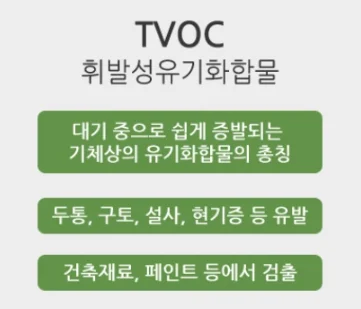
TVOC stands for total volatile organic compounds.
They're harmful gases generated from many substances used in our living environment, such as building materials, paint, urethane, and exhaust gas.
Representative examples include formaldehyde, benzene, toluene, and xylene.
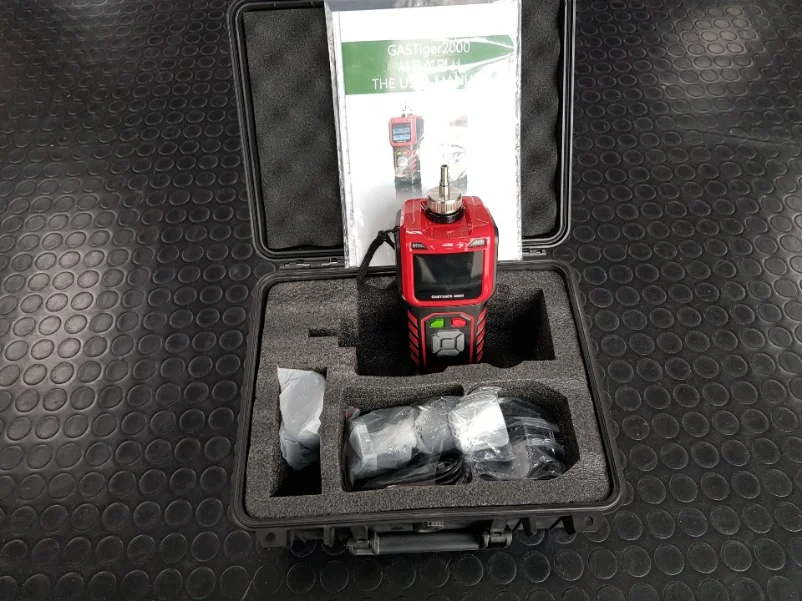
The GasTiger2000 is capable of measuring TVOC concentration in real time.
When you purchase the product, it comes with everything needed for basic measurement, including a case and manual, so there's no need to consider any separate optional items.
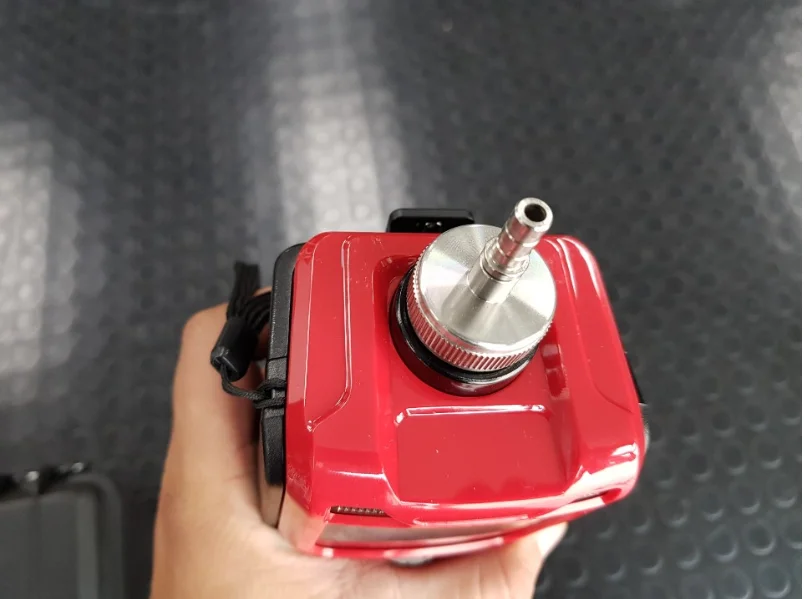
Through the intake port on top like this, the built-in pump draws in air.
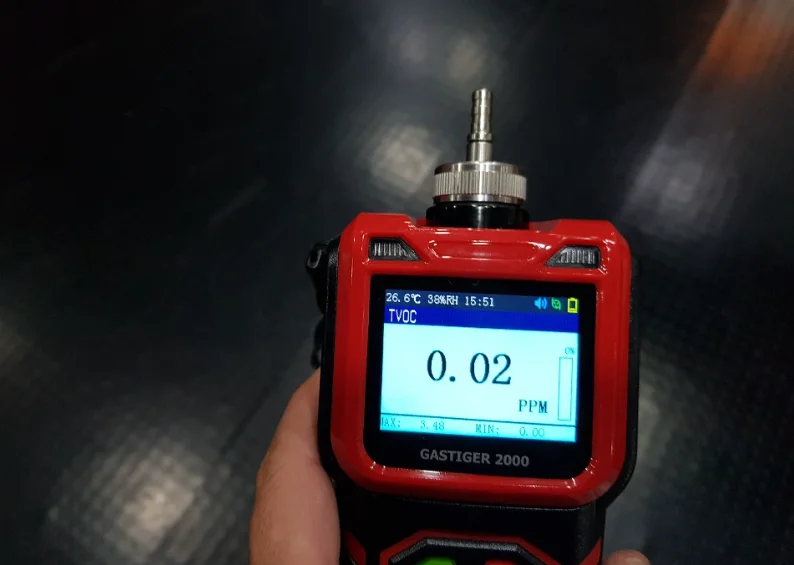
When VOC concentration is detected in the intake air, it's displayed as a number, and if the detected concentration exceeds a set threshold, a sound & light alarm is triggered.
This particular delivery is to a construction site.
Since VOCs can be generated during indoor urethane and paint work at construction sites, the product was purchased for worker safety management.
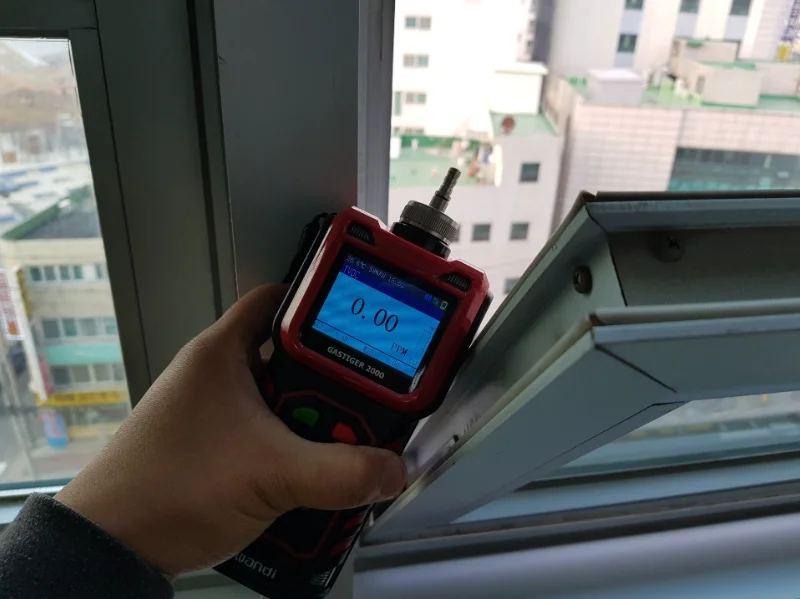
We ran a preliminary test before delivery.
First, we opened a window and let the detector draw in fresh air, and the TVOC concentration dropped all the way to 0ppm.
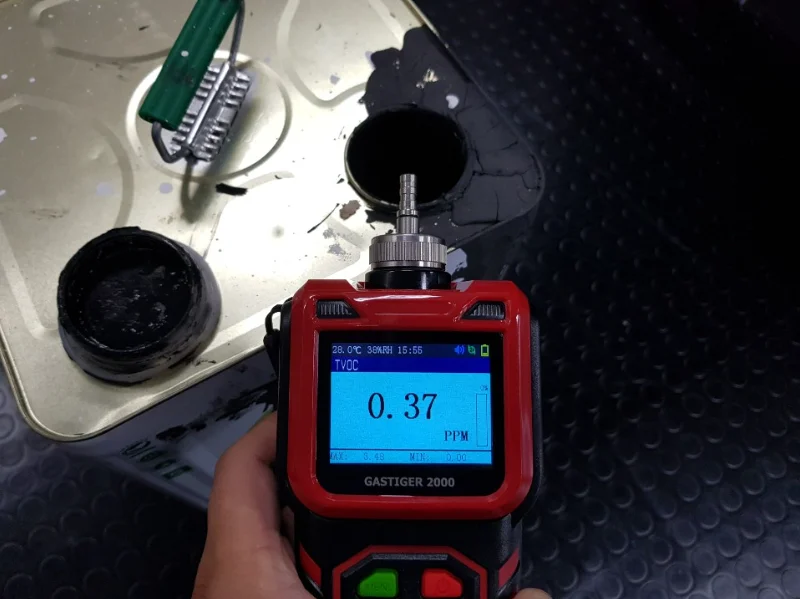
Then, when we opened the lid of a prepared paint can and brought the GasTiger2000 close to the can's opening, we could confirm the TVOC concentration rising.
Of course, many low-cost household VOC detectors are sold these days, but the GasTiger2000 uses a sensor called PID (photoionization detector), allowing precise measurement of VOC concentrations even below 1ppm.
Thank you.
Frequently Asked Questions (FAQ)
Q1. What is TVOC?
TVOC stands for total volatile organic compounds — harmful gases generated from many substances used in our living environment, such as building materials, paint, urethane, and exhaust gas. Representative examples include formaldehyde, benzene, toluene, and xylene.
Q2. What equipment was installed in this case?
The GasTiger2000, capable of measuring TVOC concentration in real time. It comes with everything needed for basic measurement, including a case and manual, so no separate optional items are needed.
Q3. How does the detector work?
A built-in pump draws in air through the intake port on top. When VOC concentration is detected in the intake air, it's displayed as a number, and a sound & light alarm is triggered if the concentration exceeds a set threshold.
Q4. What were the actual test results?
In a preliminary test before delivery, opening a window and drawing in fresh air brought the TVOC concentration down to 0ppm. Opening a paint can and bringing the intake port close to it showed the TVOC concentration rising.
Q5. How is it different from low-cost household VOC detectors?
The GasTiger2000 uses a sensor called PID (photoionization detector), enabling precise measurement of VOC concentrations even below 1ppm.
#WANDI #GasTiger2000 #VOCDetector #VolatileOrganicCompounds #IndoorAirQuality #ConstructionSiteSafety #PIDSensor #IndustrialSafetyEquipment #PortableGasDetector #OccupationalSafety
![[레이먼드] 오,폐수 처리실 유해가스 모니터링](https://wandi.co.kr/storage/construction-cases/YxFUQVBZ8Unnk7pJzzfsmezr6xNe0LZvQRDmt7TL.jpg)
![[브이피이코리아] 종합병원 지하 밀폐공간 가스 측정기 설치_FIX800 & FIX-DS](https://wandi.co.kr/storage/construction-cases/gNOA28xSlEy5uU3AOxyHDRH5UfAe0TpMTgAt4Uag.jpg)

