Applied Markets
Installed Gases
Project Details
Hello.
Today we're bringing you the GasTiger 2000 NH3 (ammonia) gas detector delivered to Yeoksam-dong, Gangnam-gu.
First, a brief introduction to NH3 ammonia gas. Ammonia is a compound of nitrogen and hydrogen. It is colorless with a pungent odor.
It has long been used as a raw material for fertilizer production, and is also used across a range of industrial fields including grenades and explosives, refrigerant, and semiconductor manufacturing.
The effects of ammonia on the human body vary depending on its concentration.
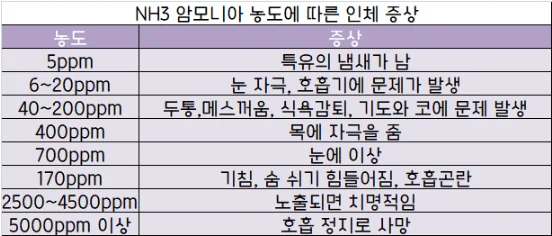
Ammonia is a toxic substance that can be extremely harmful to the human body. In Korea, the industrial reference limit for an ammonia leak is 20 ppm or below.
Ammonia gas can be fatal if not managed properly — it can be monitored with the GasTiger 2000 gas detector.
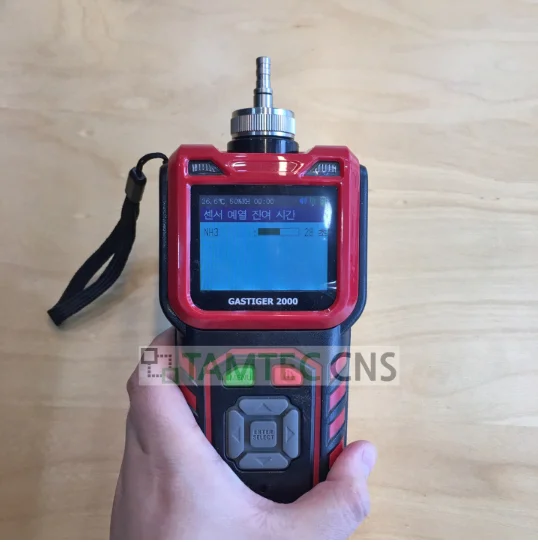
The GasTiger 2000 gas detector has a warm-up period after the power button is pressed. After about 30 seconds of loading, it vibrates and the screen displays the measured value.
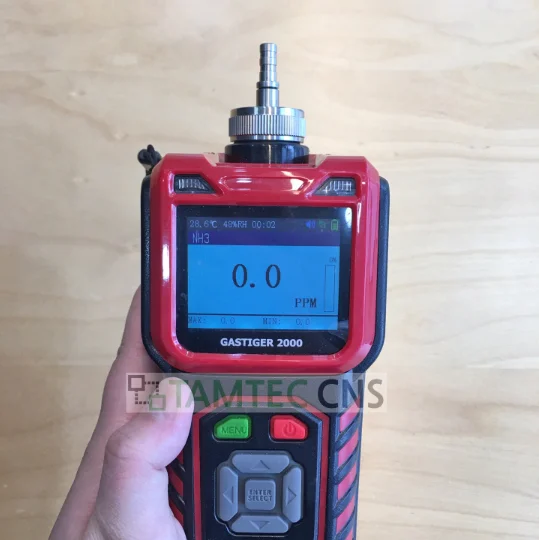
The NH3 ammonia gas reading is shown on the front of the screen, with temperature and humidity displayed in small text at the top. The measured MAX and MIN values are also shown at the bottom.
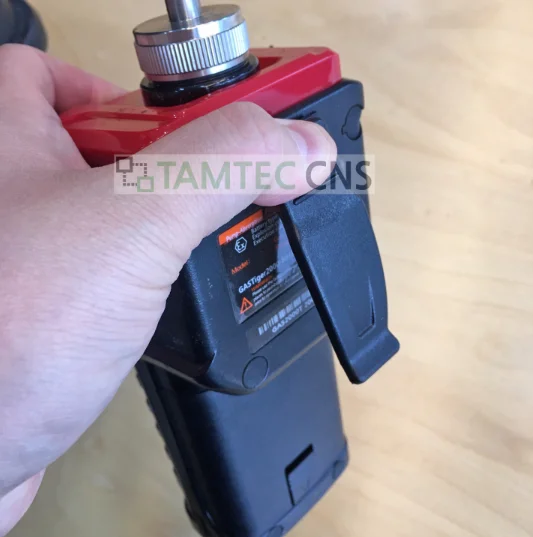
A clip on the back allows the unit to be attached to a pocket or belt so it can be carried on-site.
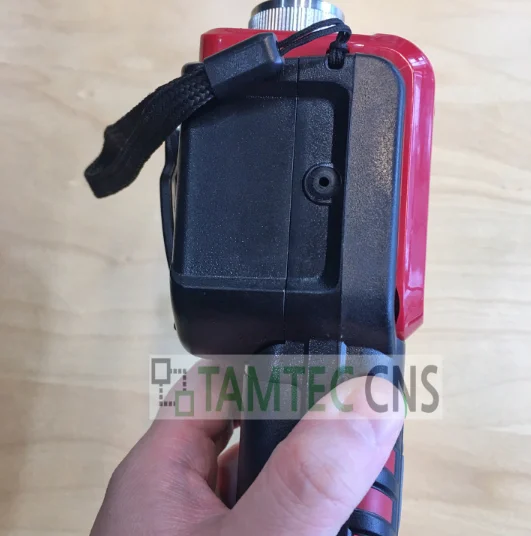
There is a gas outlet on the side. The GasTiger uses an internal pump for gas sampling, and the pump can be freely started or stopped as needed.
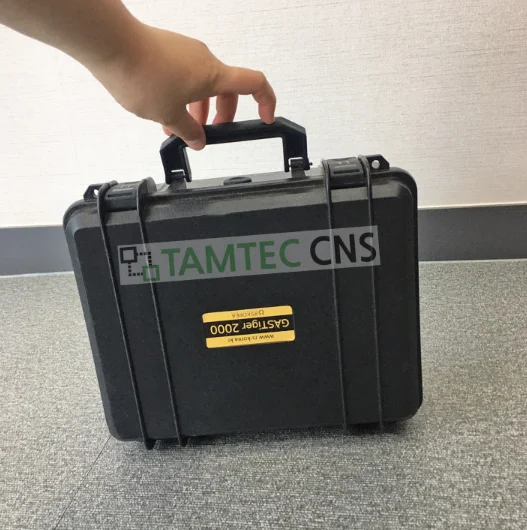
A sturdy hard case is included, making it convenient to carry or store for extended periods.
Today we introduced the GasTiger 2000 NH3 ammonia gas detector delivered to Yeoksam-dong, Gangnam-gu.
Thank you.
Frequently Asked Questions (FAQ)
Q1. Why is ammonia (NH3) gas hazardous?
Ammonia is a colorless compound of nitrogen and hydrogen with a pungent odor. It is a toxic substance that can be extremely harmful to the human body.
Q2. What is Korea's industrial reference limit for an ammonia leak?
In Korea, the industrial reference limit for an ammonia leak is known to be 20 ppm or below.
Q3. How does the GasTiger 2000 display its readings?
After the power is turned on, it goes through about a 30-second warm-up, then vibrates and displays the reading on screen, with temperature and humidity at the top and MAX/MIN values at the bottom.
Q4. Is it convenient to carry?
A clip on the back lets it attach to a belt or pocket, and it comes with a sturdy hard case for easy storage and transport.
Q5. Can the internal pump be controlled by the user?
Yes. The GasTiger supports pump-type gas sampling, and the pump can be started or stopped as needed.
#WANDI#GasTiger2000#AmmoniaDetector#NH3GasDetector#PortableGasDetector#ToxicGasMonitoring#IndustrialSafety#GasLeakDetection#ConfinedSpaceSafety#SemiconductorSafety
![[레이먼드] 오,폐수 처리실 유해가스 모니터링](https://wandi.co.kr/storage/construction-cases/YxFUQVBZ8Unnk7pJzzfsmezr6xNe0LZvQRDmt7TL.jpg)
![[브이피이코리아] 종합병원 지하 밀폐공간 가스 측정기 설치_FIX800 & FIX-DS](https://wandi.co.kr/storage/construction-cases/gNOA28xSlEy5uU3AOxyHDRH5UfAe0TpMTgAt4Uag.jpg)

