Applied Markets
Installed Gases
Project Details
Hello!
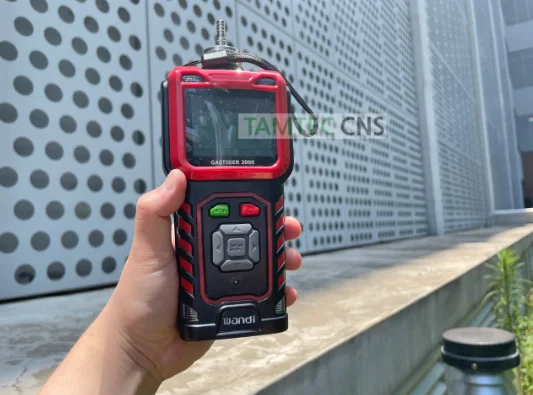
This is the portable multi-gas detector GASTIGER 2000 delivered to Bucheon, Gyeonggi!
One of its advantages is the ability to detect up to 4 gases simultaneously.
The gases to be measured can be selected by the user at the time of purchase.
This particular GASTIGER 2000 was purchased for CO2 (carbon dioxide) measurement.
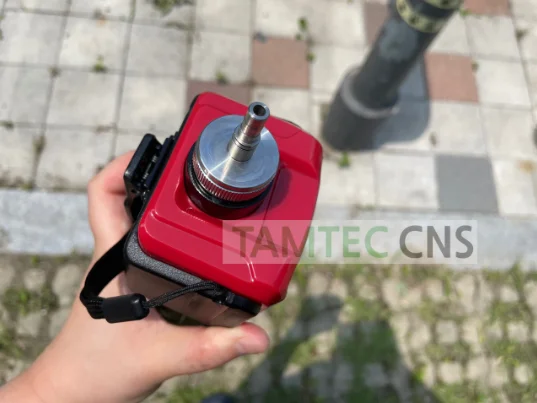
There is a pump on top of the unit that draws in gas for detection. The pump can be turned on or off according to the user's settings.
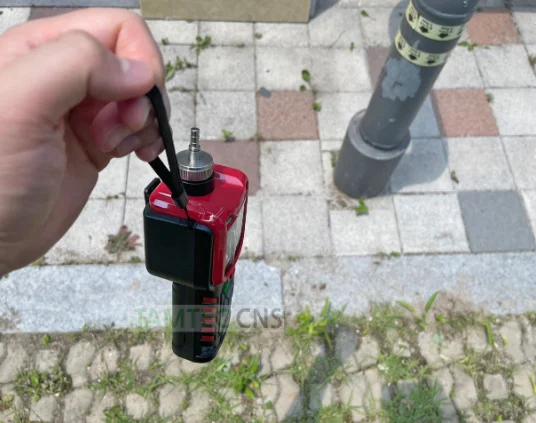
A strap can be attached to the side of the unit for carrying,
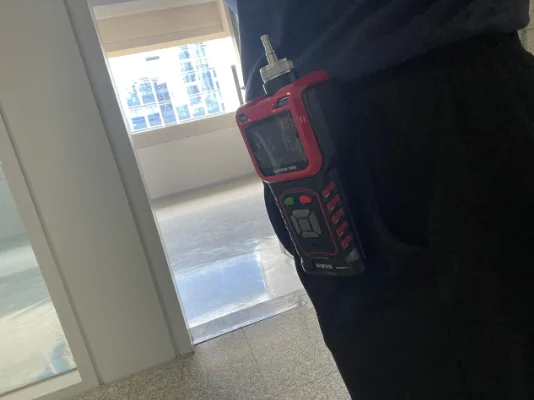
and the clip on the back allows it to be attached to a work vest, belt, or pants for hands-free carrying.
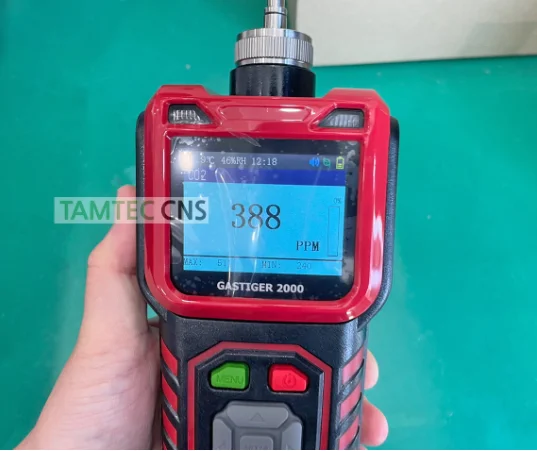
This shows the unit measuring CO2 (carbon dioxide). The reading is displayed prominently at the center of the screen.
*The GASTIGER's display is in Korean, making it easy to operate.
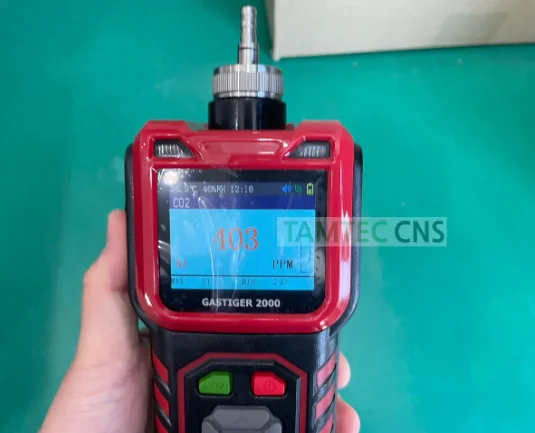
The upper threshold was set to 400ppm for this test. As soon as the reading exceeded 400ppm, a vibration and audible alarm sounded. The reading also changed from black to red, and the LED at the top flashed red.
This is how the GASTIGER 2000 gas detector works: when a reading exceeds the user-set threshold, it alerts the user through sound, vibration, and LED alarms.
Today we showed you the GASTIGER 2000 CO2 (carbon dioxide) gas detector delivered to Bucheon, Gyeonggi.
Thank you.
Frequently Asked Questions (FAQ)
Q1. How many gases can the GASTIGER 2000 detect simultaneously?
It can detect up to 4 gases simultaneously, and the gases to be measured are selected by the user at the time of purchase. This unit delivered to Bucheon, Gyeonggi was configured for CO2 (carbon dioxide) measurement.
Q2. How is the unit carried?
A strap can be attached to the side of the unit for carrying, or the clip on the back can be used to attach it to a work vest, belt, or pants.
Q3. Is the display in Korean?
Yes, the GASTIGER's display is in Korean, making it easy to operate.
Q4. How does it alert when a reading exceeds the set threshold?
It immediately alerts the user through sound, vibration, and LED alarms. For example, if the upper threshold is set to 400ppm, as soon as the reading exceeds it, a vibration and audible alarm sound, and the reading and LED turn red.
Q5. How does the gas intake process work?
There is a pump on top of the unit that draws in gas for detection, and the pump can be turned on or off according to the user's settings.
#WANDI #GASTIGER2000 #CO2Detection #CarbonDioxideDetector #PortableGasDetector #MultiGasDetector #KoreanLanguageDisplay #GasLeakAlarm #IndustrialSafetyEquipment #ThresholdAlarm
![[레이먼드] 오,폐수 처리실 유해가스 모니터링](https://wandi.co.kr/storage/construction-cases/YxFUQVBZ8Unnk7pJzzfsmezr6xNe0LZvQRDmt7TL.jpg)
![[브이피이코리아] 종합병원 지하 밀폐공간 가스 측정기 설치_FIX800 & FIX-DS](https://wandi.co.kr/storage/construction-cases/gNOA28xSlEy5uU3AOxyHDRH5UfAe0TpMTgAt4Uag.jpg)

