Applied Markets
Installed Gases
Project Details
Hello!
Today we would like to introduce [Confined Space Gas Detection Equipment], designed to meet industrial safety and health requirements.
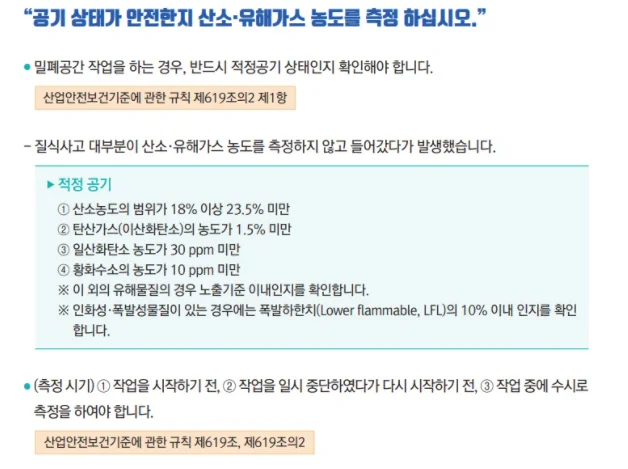
"To comply with the Serious Accidents Punishment Act, workplaces must be equipped with gas detection equipment to prevent gas poisoning accidents."
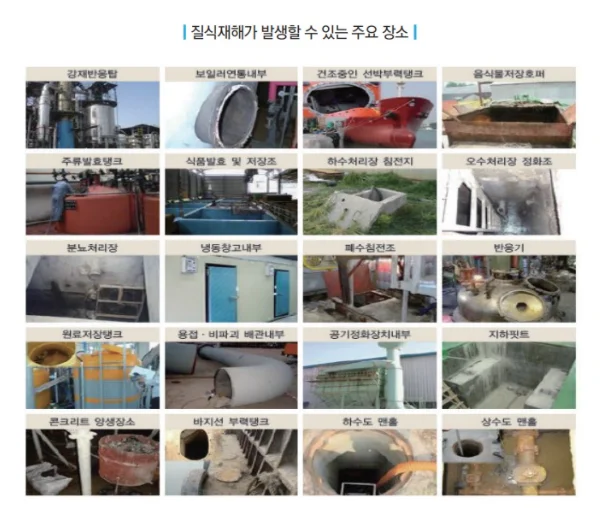
During manufacturing operations and confined space work, asphyxiation accidents can occur due to inert gases and other hazardous gases.
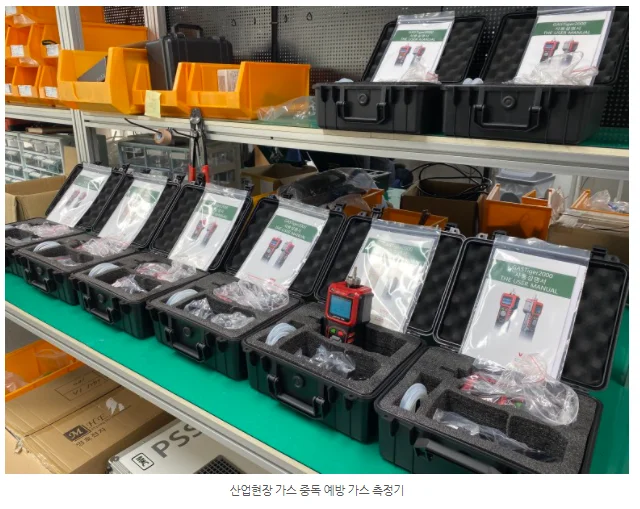
The model shown is the GasTiger2000 gas detector, which can measure five gases simultaneously.
5 Gases: O2 (Oxygen), CO (Carbon Monoxide), H2S (Hydrogen Sulfide), Ex (Combustible Gas), CO2 (Carbon Dioxide)
A powerful built-in pump allows measurement through a hose before entering a manhole or confined space.
Confined space safety equipment is available in two configurations: 4-gas or 5-gas measurement.
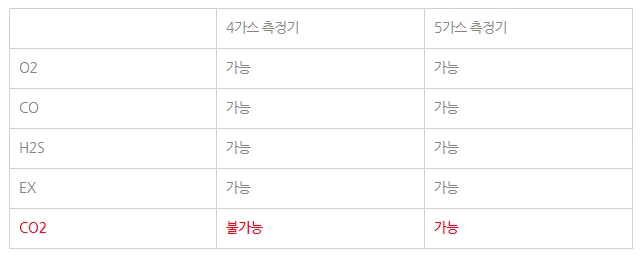
★ Key Difference: Whether CO2 (Carbon Dioxide) Can Be Measured ★
The colorless, odorless inert gas CO2 must also be measured.
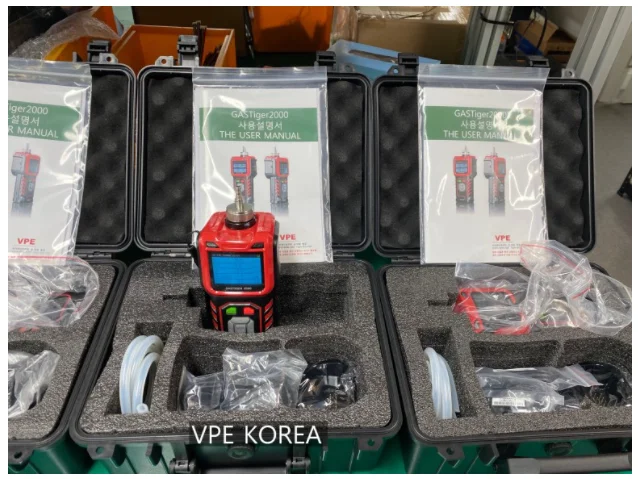
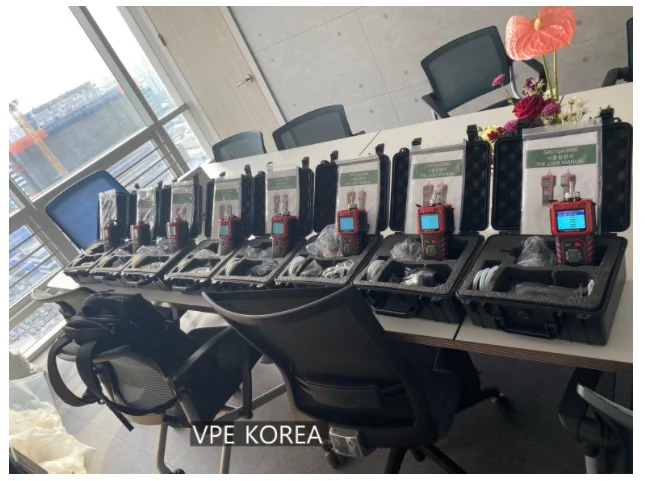
We carry out thorough inspection of every unit before shipment, so customers can use the equipment without issues.
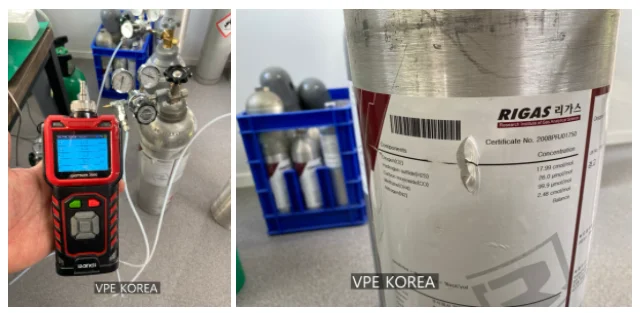
Measurement reproducibility and accuracy management based on standard gases are essential.
In addition to portable units, we also supply installed (fixed) gas detectors, providing integrated monitoring solutions for a wide range of gases.
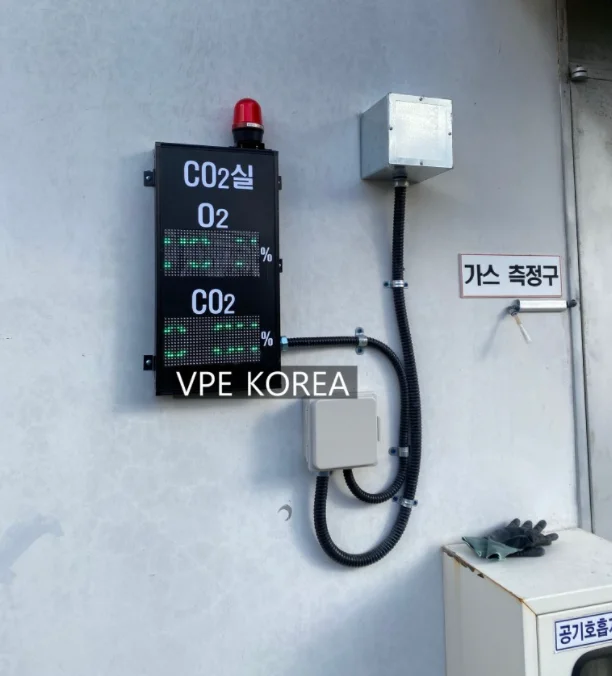
Installed gas detection systems also enable ongoing monitoring of inert gases along with full installation service.
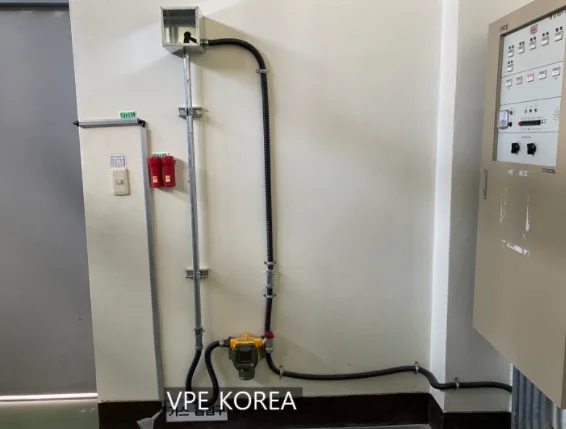
This concludes our introduction of confined space gas detection equipment that meets industrial safety and health requirements.
Frequently Asked Questions (FAQ)
How many gases can this detector measure at the same time?
The GasTiger2000 gas detector can simultaneously measure five gases: O2 (Oxygen), CO (Carbon Monoxide), H2S (Hydrogen Sulfide), Ex (Combustible Gas), and CO2 (Carbon Dioxide).
What is the difference between the 4-gas and 5-gas configurations?
The difference is whether CO2 (Carbon Dioxide) can be measured. For sites that need to monitor the colorless, odorless inert gas CO2, the 5-gas configuration is recommended.
Can gas levels be checked before entering a confined space?
Yes. The detector has a powerful built-in pump, allowing measurement through a hose before entering a manhole or confined space.
Are installed (fixed) gas detectors available in addition to portable units?
Yes. Installed gas detectors are supplied alongside portable units, and integrated monitoring solutions for a variety of gases are also available.
How is the accuracy of the equipment maintained?
Every unit undergoes thorough inspection before shipment, and measurement reproducibility and accuracy are managed based on standard gases.
#WANDI#GasTiger2000#ConfinedSpaceGasDetector#IndustrialSafety#GasDetection#OxygenMonitor#H2SDetector#CombustibleGasDetector#CO2Monitoring#WorkplaceSafety
![[레이먼드] 오,폐수 처리실 유해가스 모니터링](https://wandi.co.kr/storage/construction-cases/YxFUQVBZ8Unnk7pJzzfsmezr6xNe0LZvQRDmt7TL.jpg)
![[브이피이코리아] 종합병원 지하 밀폐공간 가스 측정기 설치_FIX800 & FIX-DS](https://wandi.co.kr/storage/construction-cases/gNOA28xSlEy5uU3AOxyHDRH5UfAe0TpMTgAt4Uag.jpg)

