Applied Markets
Installed Gases
Project Details
Hello!
Chlorine Gas (CL2) Measurement
Tap Water Disinfectant Gas Detector
GasTiger 2000 – CL2 (Chlorine)
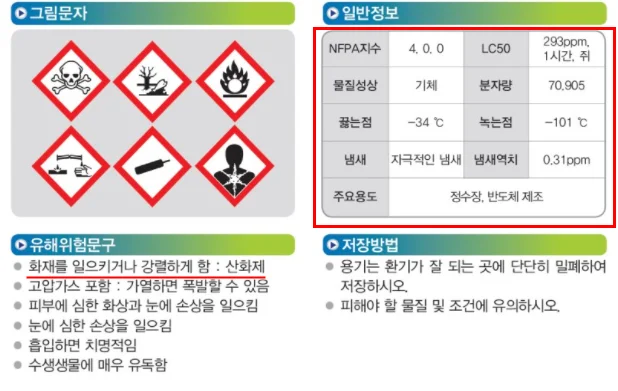
★ CL2 (Chlorine) Gas ★
: An acute / toxic substance that is also an oxidizing gas that intensifies fire,
and is mainly used in semiconductor processes and as a tap water disinfectant.
We supply chlorine measurement equipment primarily to facilities that manage water supply or wastewater treatment, helping engineers work safely.
[ Chlorine, CL2 ] and CLO2 (Chlorine Dioxide) are mainly used at sites and production facilities requiring sterilization and disinfection. They act to eliminate viruses, making them among the most highly toxic and hazardous gases.
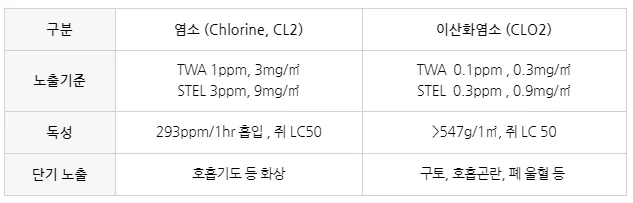
※ CL2 (Chlorine): TWA: 1ppm / STEL: 3ppm
※ CLO2 (Chlorine Dioxide): TWA: 0.1ppm / STEL: 0.3ppm
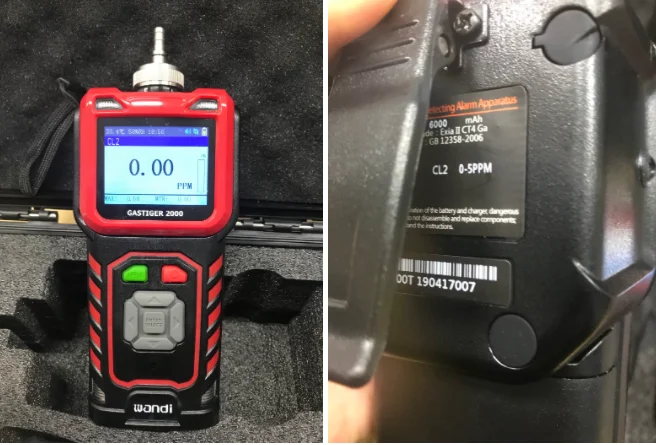
Because even concentrations as low as 5ppm and below can severely affect the surrounding environment and human health, it is essential to use a device equipped with a CL2 (chlorine) gas sensor capable of accurately detecting the lowest possible concentrations.
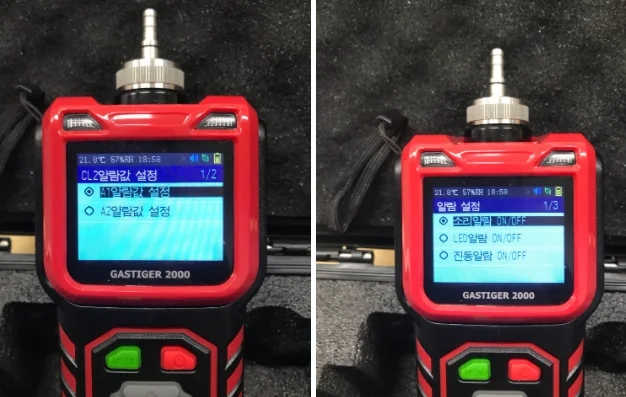
The device detects even minute leaks of CL2 (chlorine) gas and alerts the worker. An audible alarm of 95 decibels or higher along with a vibration alarm is a critical feature that protects engineers from toxic gas leaks.
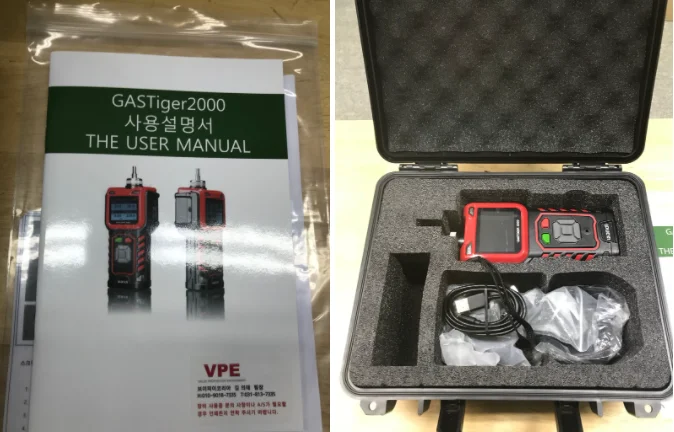
Check List
① Korean-language support available
② Data logging and graph review available
③ Domestic after-sales service available – repairs typically within 1 week
④ Calibration certificate issuance available (additional cost)
⑤ Up to 3 toxic gas sensors can be installed
* Equipment may vary depending on the type of gas
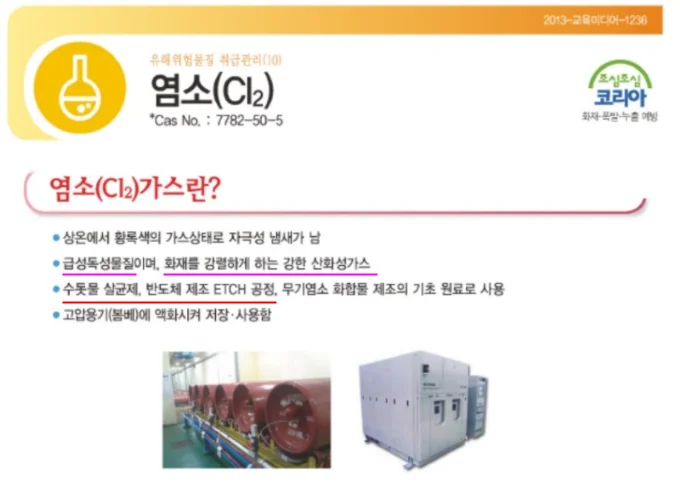
For gas measurement, selecting the right sensor for the target gas is critical. EC (electrochemical) sensors can produce inaccurate readings due to cross-sensitivity with other gases, so we strongly recommend consulting with a specialist before finalizing equipment selection.
That concludes this post on CL2 (Chlorine) gas.
Frequently Asked Questions (FAQ)
Q1. What are CL2 (Chlorine) and CLO2 (Chlorine Dioxide) gases?
CL2 (Chlorine) is an acute, toxic, oxidizing gas that intensifies fire, widely used in semiconductor processes and as a tap water disinfectant. CLO2 (Chlorine Dioxide) is mainly used at sterilization and disinfection sites and production facilities to eliminate viruses, and is a highly toxic gas.
Q2. What are the exposure limits (TWA/STEL)?
CL2 (Chlorine) has a TWA of 1ppm and STEL of 3ppm, while CLO2 (Chlorine Dioxide) has a TWA of 0.1ppm and STEL of 0.3ppm. Even very low concentrations can severely affect human health and the surrounding environment.
Q3. Can low concentrations be detected accurately?
Yes, the device is equipped with a CL2 (chlorine) gas sensor capable of accurately detecting concentrations as low as 5ppm and below, detecting even minute leaks, with an audible alarm of 95 decibels or higher plus a vibration alarm to protect worker safety.
Q4. What are the key features of this equipment?
Korean-language support, data logging and graph review, domestic after-sales service (repairs typically within 1 week), calibration certificate issuance (additional cost), and installation of up to 3 toxic gas sensors.
Q5. What should be considered when selecting a sensor?
EC (electrochemical) sensors can produce inaccurate readings due to cross-sensitivity, so equipment should be carefully selected based on the specific target gas. We recommend consulting with a specialist before making a final decision.
#WANDI #GasTiger2000 #ChlorineGasDetection #CL2Detector #ChlorineDioxideDetection #ToxicGasDetector #WaterTreatmentSafety #SemiconductorGasMonitoring #PortableGasDetector #GasLeakAlarm
![[레이먼드] 오,폐수 처리실 유해가스 모니터링](https://wandi.co.kr/storage/construction-cases/YxFUQVBZ8Unnk7pJzzfsmezr6xNe0LZvQRDmt7TL.jpg)
![[브이피이코리아] 종합병원 지하 밀폐공간 가스 측정기 설치_FIX800 & FIX-DS](https://wandi.co.kr/storage/construction-cases/gNOA28xSlEy5uU3AOxyHDRH5UfAe0TpMTgAt4Uag.jpg)

