Applied Markets
Installed Gases
Project Details
Livestock Building (Pig Farm) Odor Measurement Equipment
Today we'd like to share a case involving odor measurement equipment for a pig farm (livestock building).
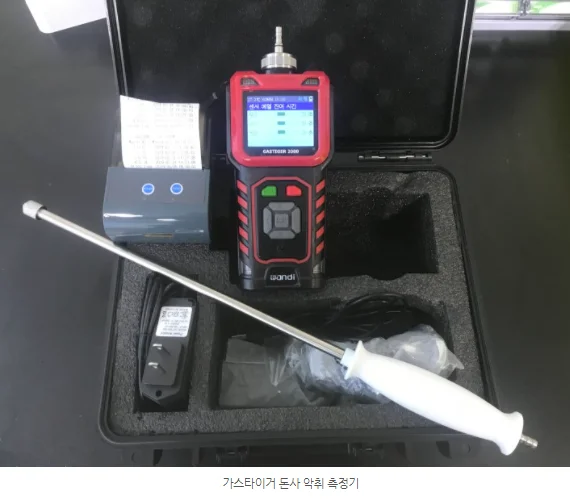
To accurately measure odor inside a pig farm, it is very important to confirm which gases are being detected and at what concentration (ppm).
< Product information supplied >
Model: GasTiger2000 gas detector
Gas sensors:
NH3 (Ammonia): 0 – 50ppm
H2S (Hydrogen Sulfide): 0 – 50ppm
VOC (Volatile Organic Compounds): 0 – 10ppm
< Reference image >
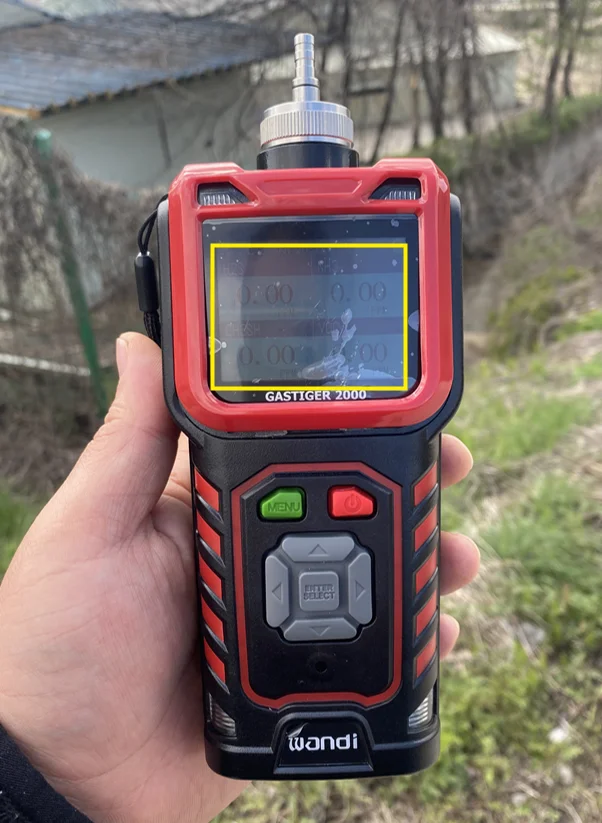
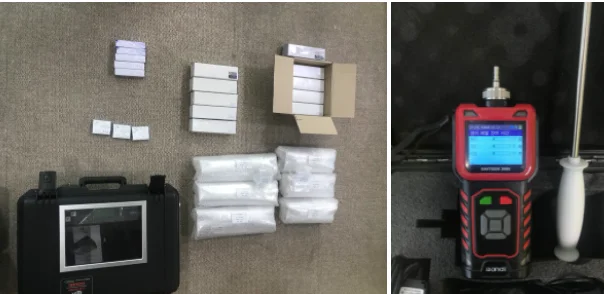
Beyond on-site odor measurement, to ensure sampling met the required odor-testing standards, tetra sampling bags of various capacities were supplied together with an automatic suction pump.
The automatic suction pump can be set to 1 / 2 / 5 / 10 L, and once sampling is complete, the pump automatically stops.
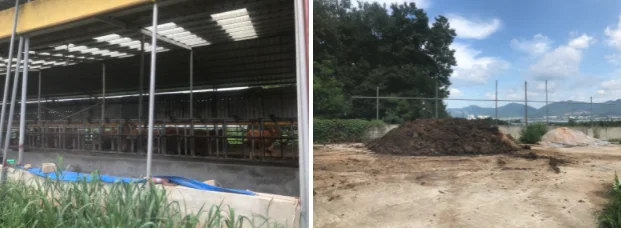
The measurement location was inside a pig farm building. Proper safety protocol was followed: protective gear was worn and disinfection was carried out before entering the facility.
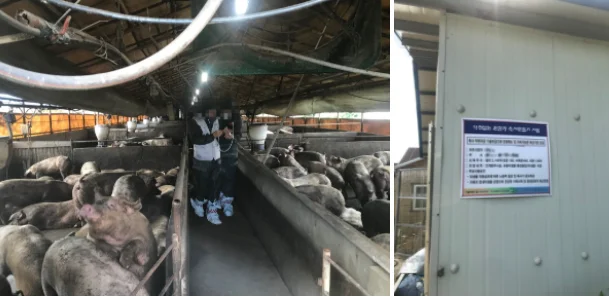
The GasTiger2000 odor detector demonstrated highly accurate measurement and responsiveness, and everyone on site was satisfied with the results.
Odor measurement equipment for pig farms, cattle barns, and poultry houses is available. We recommend consulting with a specialist to select the right product for your site.
That concludes this post on pig farm odor measurement.
Frequently Asked Questions (FAQ)
Q1. What gases are measured for pig farm odor?
Multiple odor-causing gases are measured together, including ammonia (NH3), hydrogen sulfide (H2S), and volatile organic compounds (VOC).
Q2. What is the measurement range of the GasTiger2000?
The supplied model measures NH3 at 0–50ppm, H2S at 0–50ppm, and VOC at 0–10ppm.
Q3. How is sampling performed?
Tetra sampling bags of various sizes were supplied together with an automatic suction pump. Once a set volume (1/2/5/10L) is collected, the pump automatically stops.
Q4. Where was the measurement conducted?
The measurement was conducted inside a pig farm in Anseong, Gyeonggi Province, following safety protocols including protective gear and disinfection before entry.
Q5. Can this equipment be used for other livestock facilities besides pig farms?
Yes, odor measurement equipment can also be supplied for cattle barns and poultry houses. We recommend consulting with a specialist to choose the right product.
#WANDI #GasTiger2000 #LivestockOdorMeasurement #AmmoniaDetection #HydrogenSulfideDetection #VOCDetection #PigFarmOdorControl #PortableGasDetector #AutomaticSuctionPump #TetraBag
![[레이먼드] 오,폐수 처리실 유해가스 모니터링](https://wandi.co.kr/storage/construction-cases/YxFUQVBZ8Unnk7pJzzfsmezr6xNe0LZvQRDmt7TL.jpg)
![[브이피이코리아] 종합병원 지하 밀폐공간 가스 측정기 설치_FIX800 & FIX-DS](https://wandi.co.kr/storage/construction-cases/gNOA28xSlEy5uU3AOxyHDRH5UfAe0TpMTgAt4Uag.jpg)

