Installed Gases
Project Details
FIX800 Fixed Gas Detector Installation — Public Water Treatment Plant, NH₃/O₃/H₂S/CO (Jeju) [Part 1]
This is the first of a two-part series covering FIX800 installations at public water treatment facilities in Jeju.
Installation Specification
- Product: FIX800 fixed gas detector
- Sensors: NH₃ (ammonia), O₃ (ozone), H₂S (hydrogen sulfide), CO (carbon monoxide)
- Options: Weatherproof enclosure for corrosion prevention / pump + sampling line / LED display board + beacon alarm
- Crew: 4 personnel / Planned duration: 4–6 hours
Installation Notes
- The detector (process area) and the monitoring location (office) are in separate buildings — wall penetration and elevated work required
- The detector mounting point differs from the gas generation area — pump and sampling line connection required
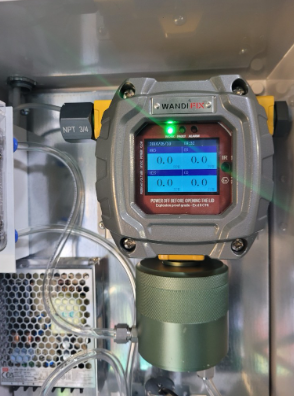
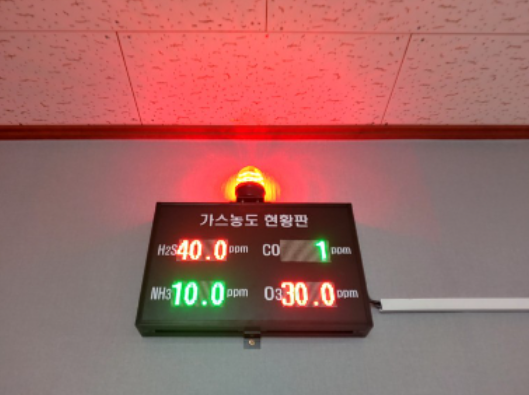
The FIX800 measures multiple gases simultaneously in one instrument. Display board readings shown are generated via test signal for commissioning verification.
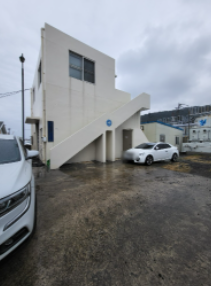
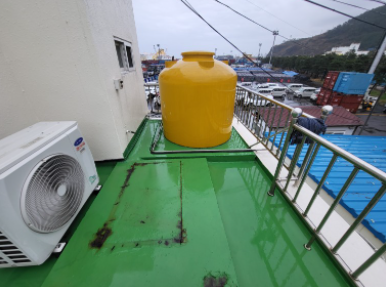
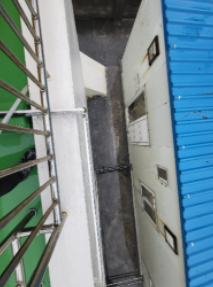
Site Arrival and Installation Point Verification
The crew arrived at 8:30 AM to confirm installation points, inspect existing wall penetrations, and plan cable routing. The proximity of the adjacent building allowed existing conduit paths to be utilized for a clean installation.
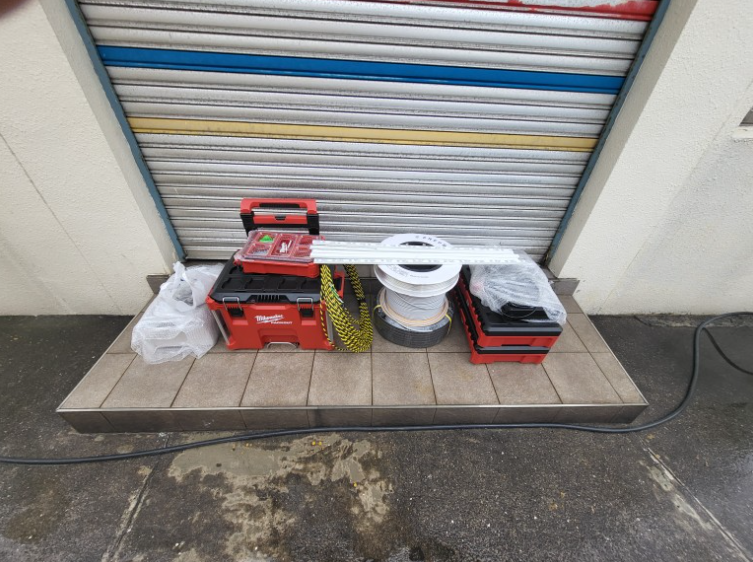
After a meeting with the facility manager and safety briefing, tools and products were organized and the installation plan was communicated to the full crew.
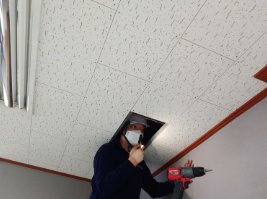
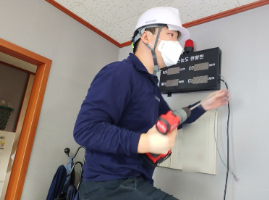
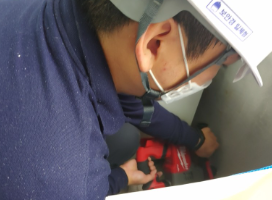
The display board was installed at the requested location and the surrounding area cleaned.
Wiring — Waterproof Flexible Conduit Along Existing Pipework
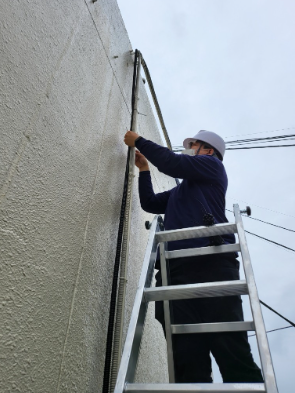
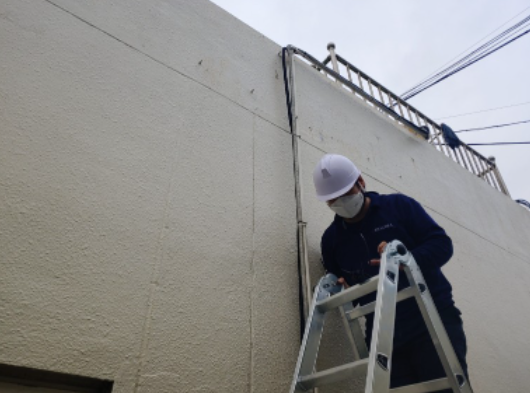
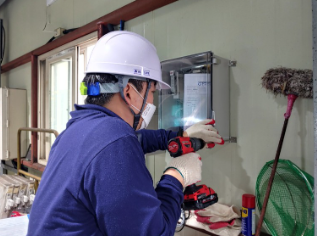
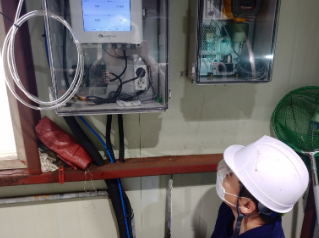
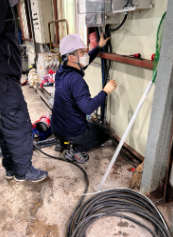
Waterproof flexible conduit was secured along the existing piping runs. The detector was mounted and wiring completed.
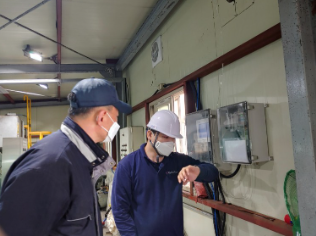
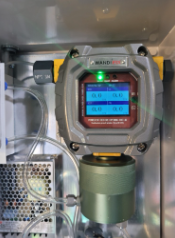
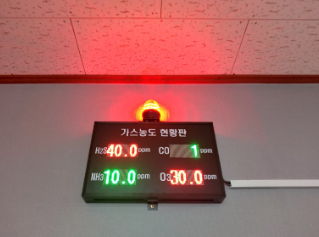
After installation, operator training was conducted. Power was verified and the test signal button was used to confirm correct display board operation.
Summary and Application Context
- Crew: 4 personnel
- Duration: 9:00–13:00, approximately 4 hours
- Materials: approximately 100 m of waterproof flexible conduit, communication cable, and power cable
The sensor combination — H₂S, NH₃, O₃, CO — differs from the standard 4/5-gas confined-space configuration. In water treatment and collection tank environments, H₂S and NH₃ are generated continuously from organic decomposition. This facility uses ozone (O₃) injection for odor reduction, making post-injection O₃ monitoring mandatory. The system therefore serves three purposes: worker safety compliance (OSHA), residual ozone verification after injection, and ongoing odor reduction monitoring.
Frequently Asked Questions
Q1. Why are NH₃, O₃, H₂S, and CO measured together at water treatment facilities?
H₂S and NH₃ are generated continuously from organic decomposition in water treatment and sewage collection tanks. Where ozone injection is used for odor control, O₃ concentration must also be monitored to confirm levels remain within safe limits after injection. CO is included as a standard confined-space safety measurement.
Q2. How is wiring managed when the detector and display board are in separate buildings?
A preliminary site survey identifies existing conduit paths and wall penetration points. Waterproof flexible conduit protects the RS-485 communication and power cables. Only 4 wires are needed — power and RS-485 A/B — making cross-building routing manageable with careful planning.
Q3. Why is a pump and sampling line used instead of diffusion sensing?
The FIX800 is installed in a protected indoor enclosure, while the gas generation point (process tank) is in a separate space. The pump actively draws sample gas through the sampling line to the sensor — enabling accurate concentration measurement without placing the detector in the hazardous environment.
Q4. Why is a weatherproof enclosure required in water treatment environments?
Water treatment facilities operate at very high humidity. Without enclosure protection, condensation and corrosion can damage electronic components. An IP-rated weatherproof enclosure protects the FIX800, and a moisture filter integrated with the sampling line removes condensate from the sample gas before it reaches the sensor.
Q5. How does ozone reduce ammonia odor, and why must O₃ be monitored afterward?
Ozone's strong oxidizing properties react with NH₃ to break it down into odorless compounds, reducing odor. However, ozone itself is a regulated toxic gas (TWA 0.1 ppm). After ozone injection, residual O₃ must be confirmed to have fallen below safe limits before workers enter the treated area — which is exactly what the FIX800 O₃ channel provides.
#WaterTreatmentGasDetector #FIX800 #AmmoniaOzoneMonitor #H2SDetector #PublicWaterTreatment #GasDisplayBoard #PumpSamplingLine #RSKorea #WANDI #Jeju
![[레이먼드] 오,폐수 처리실 유해가스 모니터링](https://wandi.co.kr/storage/construction-cases/YxFUQVBZ8Unnk7pJzzfsmezr6xNe0LZvQRDmt7TL.jpg)
![[브이피이코리아] 종합병원 지하 밀폐공간 가스 측정기 설치_FIX800 & FIX-DS](https://wandi.co.kr/storage/construction-cases/gNOA28xSlEy5uU3AOxyHDRH5UfAe0TpMTgAt4Uag.jpg)

