Applied Markets
Installed Gases
Project Details
Hello.
Today's post covers a job that took two 950 km round trips to complete — installing gas detection equipment in a confined space at an animal feed manufacturing plant.
First visit: confirming the installation location and meeting with the site manager.
Second visit: installing the gas detector and display boards.
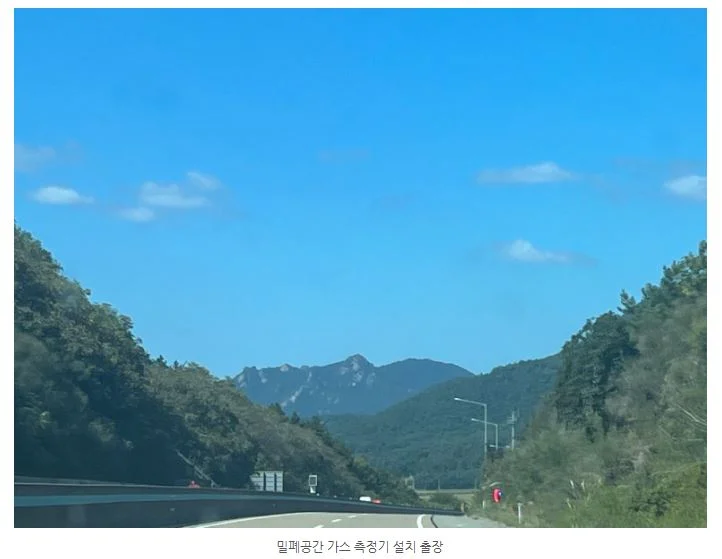
Setting off happily to check out the installation site!!
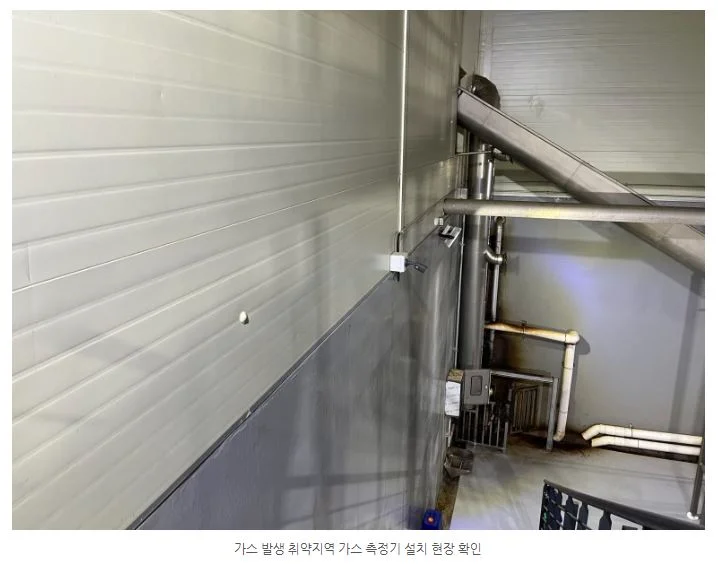
The scope for this installation was: 1 gas detector, 2 gas display boards, roughly 100 meters of cable run, with cable runs finished using rigid conduit, among other tasks.
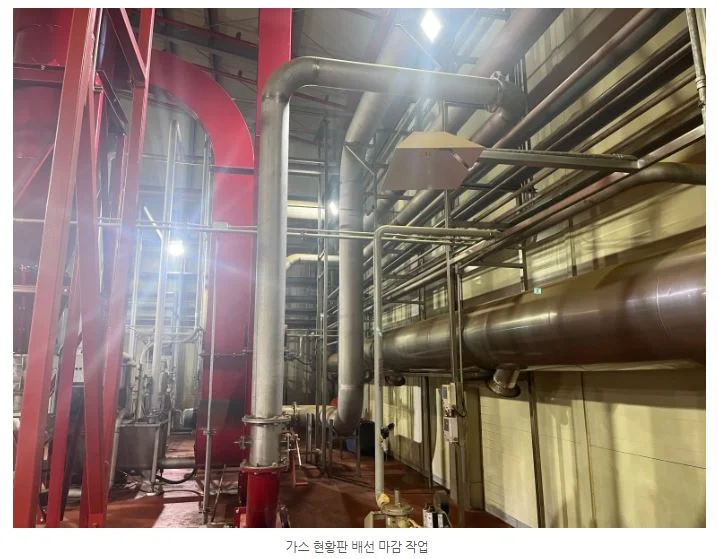
Since we would also need to secure rigid conduit and run cable at a height of about 3 meters, we visited the site beforehand to confirm the exact distances and calculate the materials needed.
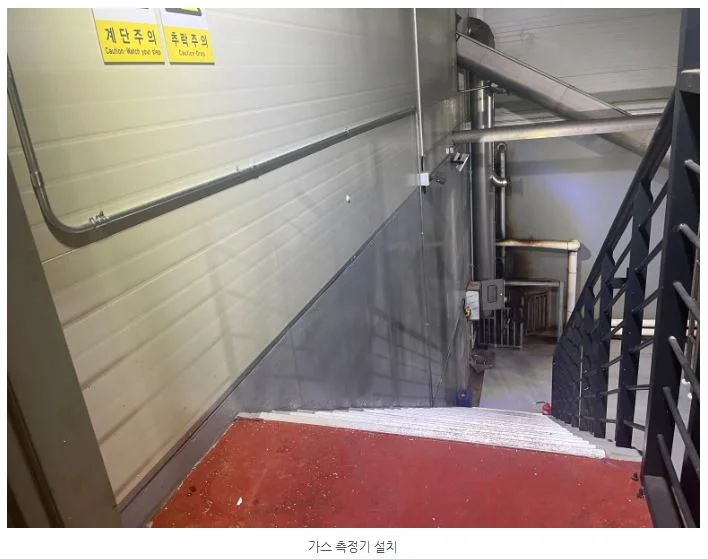
Installation work begins!! Since the underground work area is a confined space where various hazardous gases are generated, we installed the gas detector next to the switchgear panel there. The wiring between the gas display boards and the detector was finished using rigid conduit.
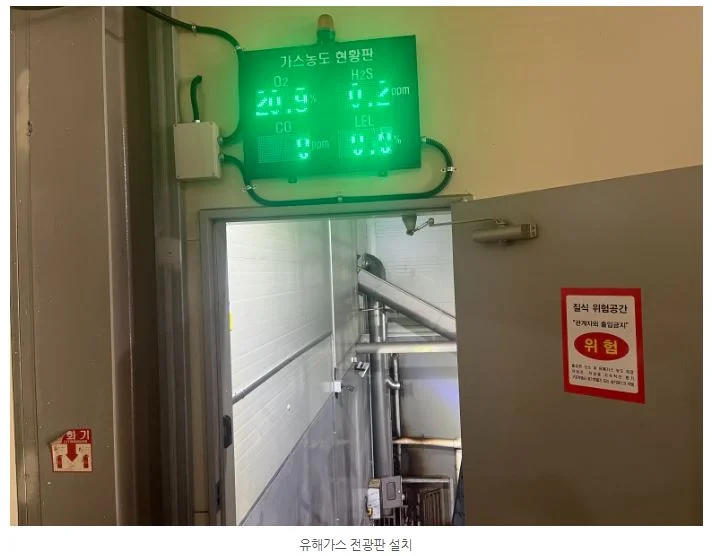
Gas Display Board Installation
1. Confined-space entrance
2. Control room
Gas Detector Installation
Vulnerable area — asphyxiation risk zone
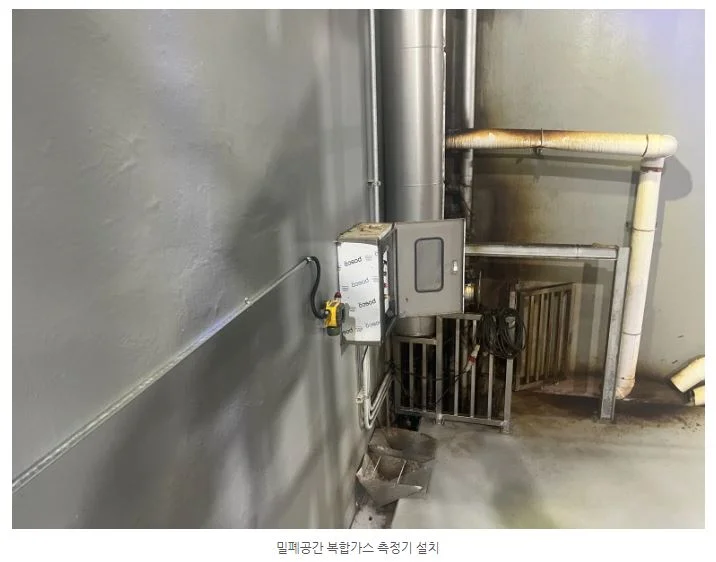
Because this installation is intended for real-time safety monitoring, the FIX800 fixed combined gas detector was configured to measure:
- O₂ (Oxygen): 0–30% Vol
- H₂S (Hydrogen Sulfide): 0–100 ppm
- CO (Carbon Monoxide): 0–1,000 ppm
- EX (Combustible Gas): 0–100% LEL
We installed the model equipped with a total of four sensors.
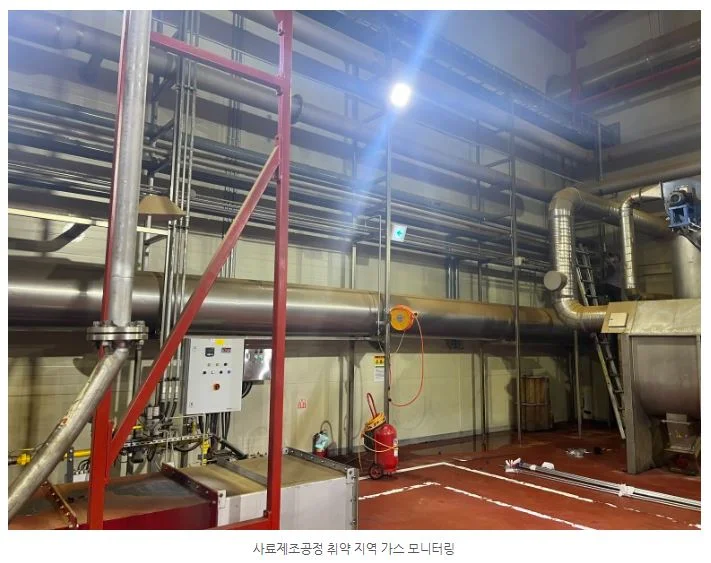
The power and data cabling connecting the central control room to the confined space was finished using steel conduit. Because the installation location was elevated and the cable run was long, the work took longer than expected.
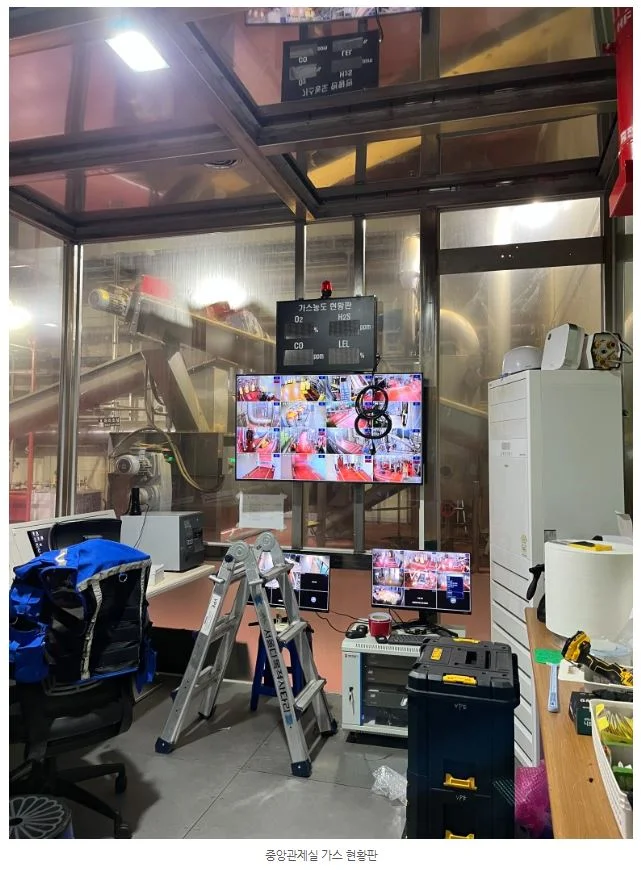
Inside the control room, the gas monitoring display board was mounted above the CCTV monitor so that workers could check it easily.
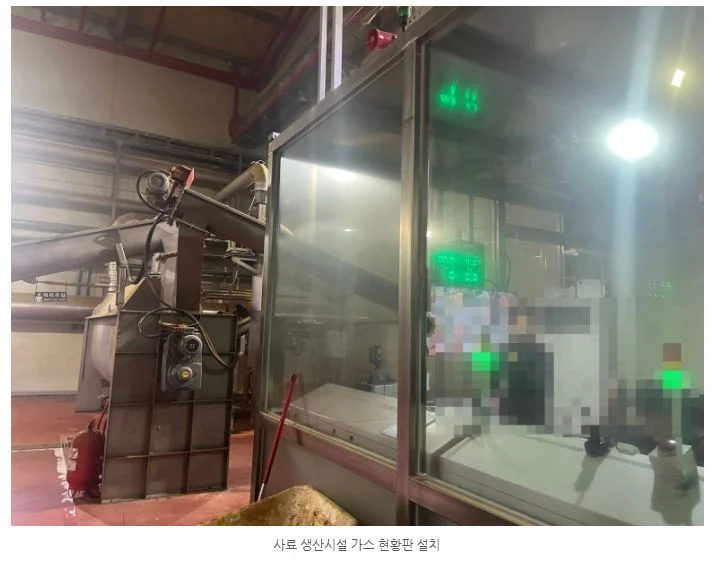
With the installation complete, we finished commissioning and equipment training! Unexpected variables and challenging working conditions can make installations like this difficult, but it's always rewarding to confirm that everything is working properly once the job is done!! ^^
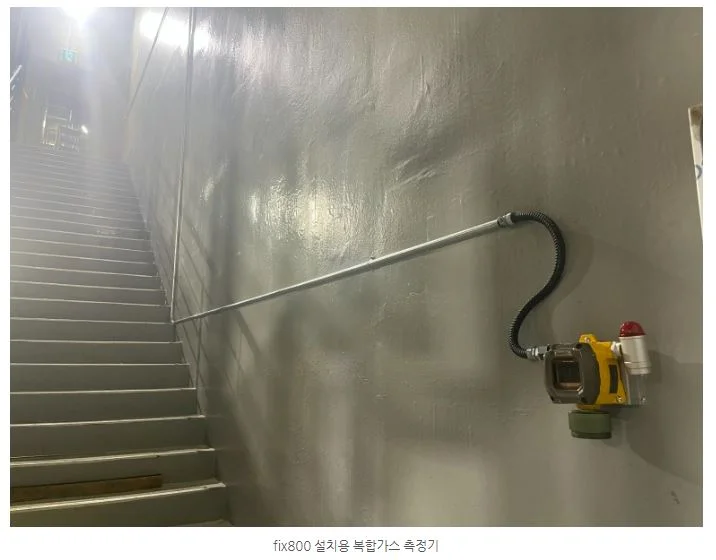
The FIX800 combined gas detector — helping protect worker safety!!
If you have any questions about gas monitoring for confined spaces or other vulnerable areas, please feel free to reach out anytime.
Frequently Asked Questions (FAQ)
Q1. Why did this installation require two 950 km round trips?
Because the animal feed manufacturing plant was located far away, we made two separate 950 km round trips — a first visit to confirm the installation location and meet with the site manager, and a second visit to install the gas detector and display boards.
Q2. Which gases does the installed detector measure?
A FIX800 fixed combined gas detector was installed with a total of four sensors: O₂ (Oxygen, 0–30% Vol), H₂S (Hydrogen Sulfide, 0–100 ppm), CO (Carbon Monoxide, 0–1,000 ppm), and EX (Combustible Gas, 0–100% LEL).
Q3. Where were the gas display boards installed?
Two display boards were installed — one at the confined-space entrance and one in the control room. The control room unit was mounted above the CCTV monitor for easy viewing by workers.
Q4. How was the cabling for this installation handled?
Power and data cabling ran roughly 100 meters from the central control room to the confined space, finished using rigid/steel conduit. Because the installation points were elevated and the distance was long, the work took longer than expected.
Q5. Why was the gas detector installed next to the switchgear panel?
The underground work area is a confined space and a vulnerable, asphyxiation-risk zone where various hazardous gases are generated, so the detector was installed there, next to the switchgear panel, for continuous monitoring.
#WANDI #FIX800 #CombinedGasDetector #ConfinedSpaceSafety #GasConcentrationDisplay #AnimalFeedPlant #OxygenMonitoring #AsphyxiationPrevention #OccupationalSafety #JangheungInstallation
![[레이먼드] 오,폐수 처리실 유해가스 모니터링](https://wandi.co.kr/storage/construction-cases/YxFUQVBZ8Unnk7pJzzfsmezr6xNe0LZvQRDmt7TL.jpg)
![[브이피이코리아] 종합병원 지하 밀폐공간 가스 측정기 설치_FIX800 & FIX-DS](https://wandi.co.kr/storage/construction-cases/gNOA28xSlEy5uU3AOxyHDRH5UfAe0TpMTgAt4Uag.jpg)

