Applied Markets
Installed Gases
Project Details
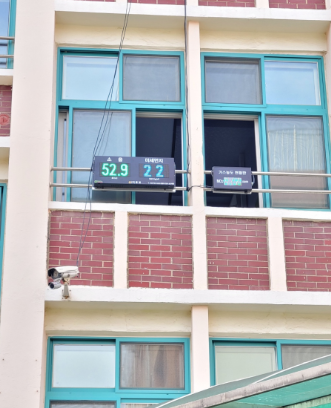
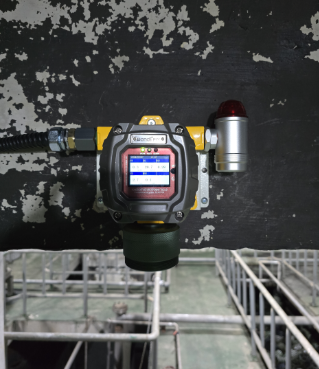
CO₂ Fire Suppression Rooms — 7-Point Detector Network + 2 Display Board Installation
Fire suppression rooms and protected zones using CO₂ gaseous suppression systems discharge high-concentration carbon dioxide during fire suppression, instantly depleting oxygen within the enclosed space and creating a life-threatening asphyxiation risk for anyone inside. This factory installation in Chungcheongnam-do featured multiple independently protected zones distributed throughout the facility. FIX800 detectors were installed at seven measurement points, with FIX-DS LED display boards positioned at two locations, creating a comprehensive facility-wide monitoring system. The entire project — design, supply, installation, and commissioning — was completed by VPE Korea.
Installation Specifications
| Item | Details |
|---|---|
| Detectors | FIX800 (CO₂ or O₂ sensor) × 7 units |
| Display boards | FIX-DS LED gas display board × 2 units (main entrance and control room) |
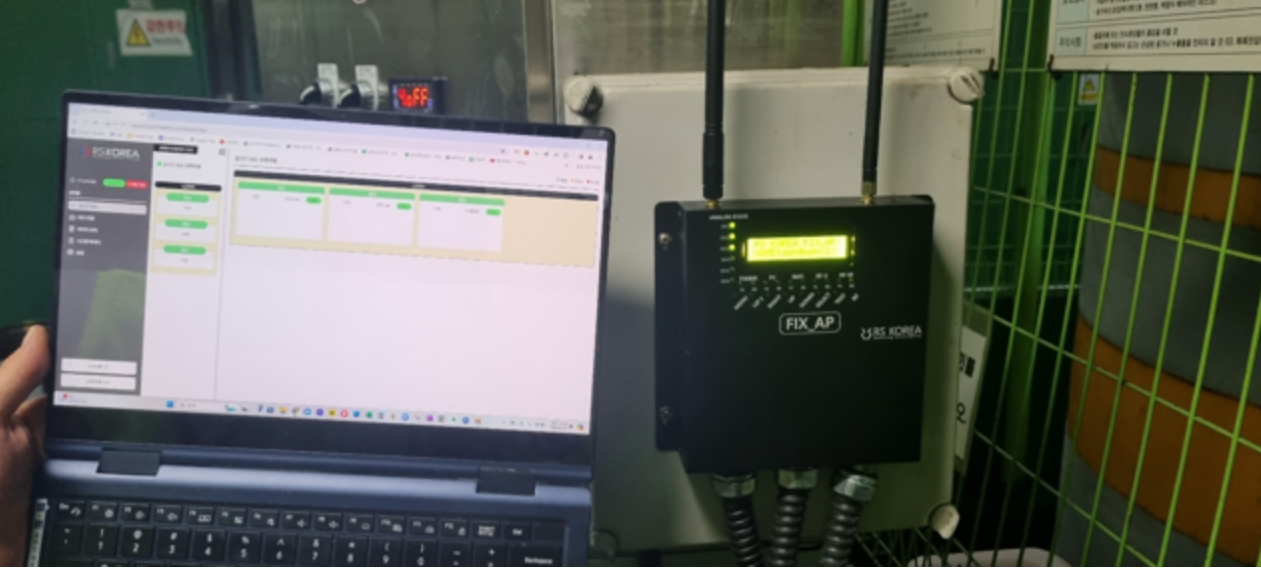
| Communication | RS-485 Modbus — 7-point integrated network |
| Installation environment | CO₂ fire suppression agent rooms and protected zones (multiple zones) |
| Location | Chungcheongnam-do |
Detector Placement Principles for CO₂ Suppression Rooms
- CO₂ sensor configuration: Directly measures CO₂ concentration — provides numerical confirmation of suppression gas leakage or discharge into the protected zone
- O₂ sensor configuration: Indirectly detects CO₂ discharge by monitoring oxygen depletion — alarms when O₂ falls below 18%
- CO₂ is denser than air and accumulates at floor level — detector installation height of 30 cm to 1 m above floor is recommended
- Display boards positioned outside the access door of each protected zone — pre-entry gas verification is mandatory
Regulatory Requirement — CO₂ Suppression System Mandatory Installation
- Revised October 2022; fully effective from October 18, 2024
- Gas concentration detectors and alarm systems are mandatory in all protected zones served by CO₂ fire suppression systems
- Non-compliance is subject to administrative sanctions under the Occupational Safety and Health Act and Fire Facilities Act
- Applies to all facility types and sizes without exception
Frequently Asked Questions
Which sensor type — CO₂ or O₂ — satisfies the regulatory requirement?
The revised Occupational Safety and Health Standards permit either CO₂ or O₂ concentration monitoring. A CO₂ sensor provides direct numerical measurement of leaked suppression gas; an O₂ sensor indirectly detects CO₂ discharge by monitoring the resulting oxygen depletion. Both approaches satisfy the legal requirement; the choice depends on site conditions, and dual deployment is also permissible.
Is a separate detector required for each protected zone?
Yes. Each protected zone operates as an independent suppression zone with its own gas discharge path, requiring at minimum one dedicated detector per zone. As in this installation, RS-485 Modbus communication allows all detectors to be integrated into a single display board for centralized management.
What is the measurement range of the FIX800 CO₂ sensor for suppression room applications?
FIX800 units for CO₂ suppression room monitoring are typically configured with sensors in the 0–5% vol or 0–10% vol range — significantly higher than indoor air quality sensors (0–5,000 ppm) — to capture rapid concentration increases from suppression gas discharge or leakage.
Why were display boards installed at two separate locations?
With multiple protected zones distributed across the facility, positioning a display board at both the main entrance and the control room ensures that both workers and facility managers can verify all seven monitoring points simultaneously from wherever they are stationed. Display board placement is determined by facility layout and personnel movement patterns.
Does the retroactive installation obligation apply to facilities with existing CO₂ suppression systems?
Yes. From October 18, 2024, all facilities — including those with existing CO₂ suppression systems already in operation — are required to install gas detectors and alarm equipment in all protected zones. Both new and legacy facilities must achieve compliance within the regulatory deadline.
#CO2SuppressionRoomDetector #FIX800SevenPoint #ProtectedZoneGasDetection #CO2FireSuppressionRegulation #RS485IntegratedMonitoring #OxygenDeficiencyPrevention #ChungnamFactory #FireSuppressionSafety #WANDIKorea #VPEKorea
![설치] 원주 국토5호선 신림~판부간 터널공사 밀폐공간 안전용 가스측정기 FIX800 4GAS O2 CO CO2 LEL 설치!](https://wandi.co.kr/storage/construction-cases/Ekn7PulFgplHqjZgJUfOsevvzH0Kawa1G0h9NlH8.png)
![설치] 약품 폐수탱크 수위계와 인디게이터 설치 그리고 무선 모니터링까지 MP + SUP1100 + FIX-AP](https://wandi.co.kr/storage/construction-cases/UjHcHl5kWktnCXlnvMIgk6eQhh7pqwuf3u65iKLO.png)