Applied Markets
Installed Gases
Project Details
Project Overview
- Scope: Installation of a gas concentration detector and status display board for confined-space asphyxiation prevention
- Confined space: Fuel oil storage room
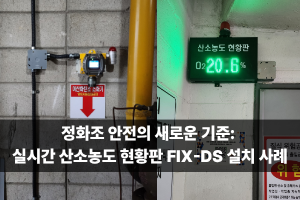
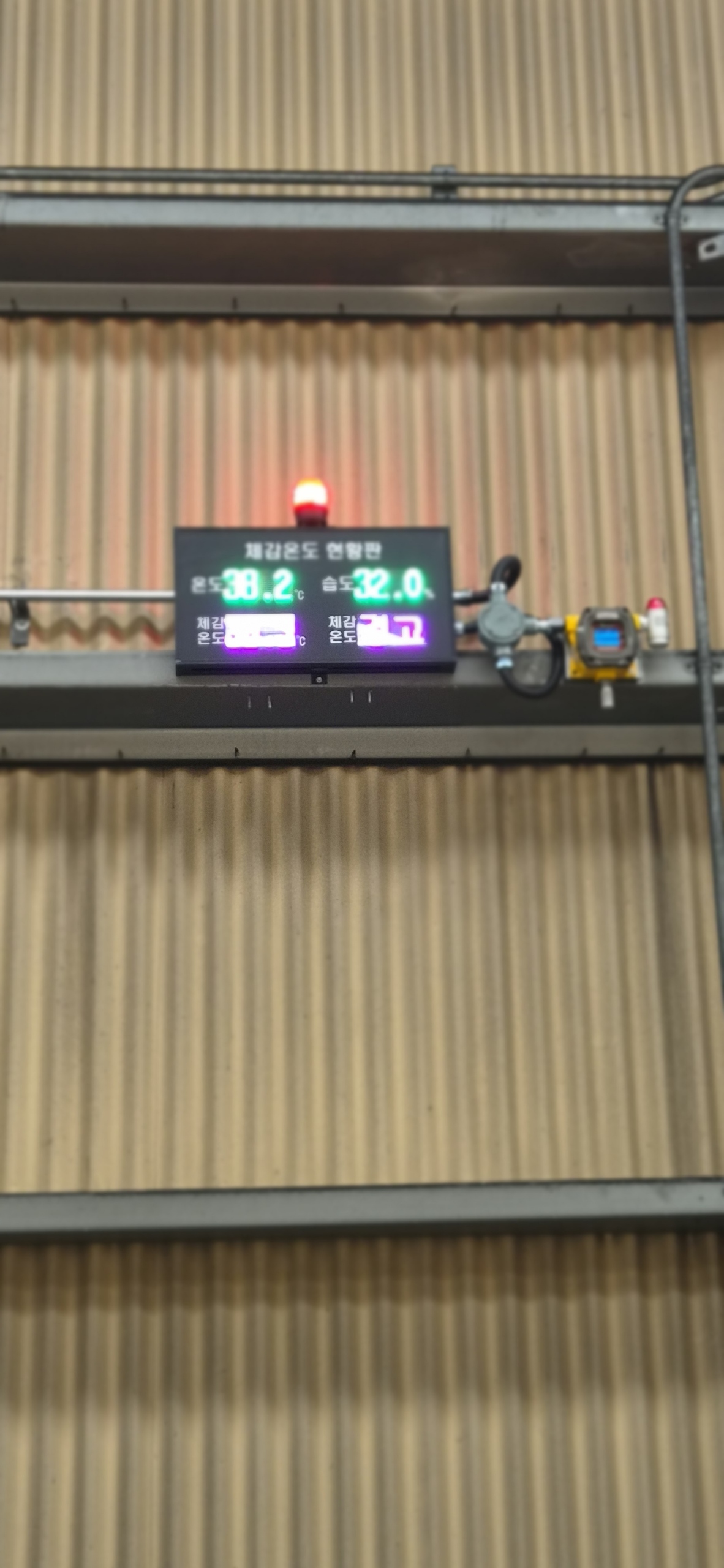
- Equipment: FIX800 fixed multi-gas detector (5-gas: O2, CO, CO2, H2S, EX) with dedicated FIX-DS 5-channel display board
- Location: Underground utility room at a telecom branch building in Changwon
- Crew: One site supervisor, two field technicians
- Duration: Approximately 4 hours
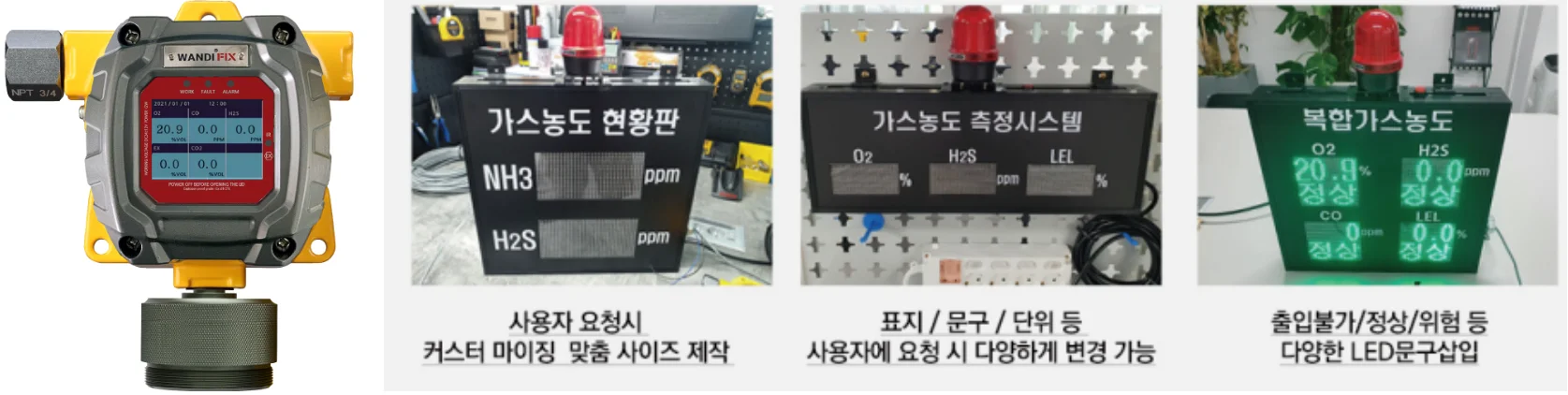
This project marks the final installation in a nationwide program launched in the second half of last year to install fixed multi-gas detectors for confined-space asphyxiation prevention across a telecommunications company's regional branch buildings.
This site's confined space was a fuel oil storage room rather than a septic tank room. Buildings maintain a supply of diesel or similar fuel to run emergency backup generators during power outages — these fuels contain VOCs that are both hazardous to health and combustible, requiring ongoing monitoring to prevent fire or explosion.
Before Work
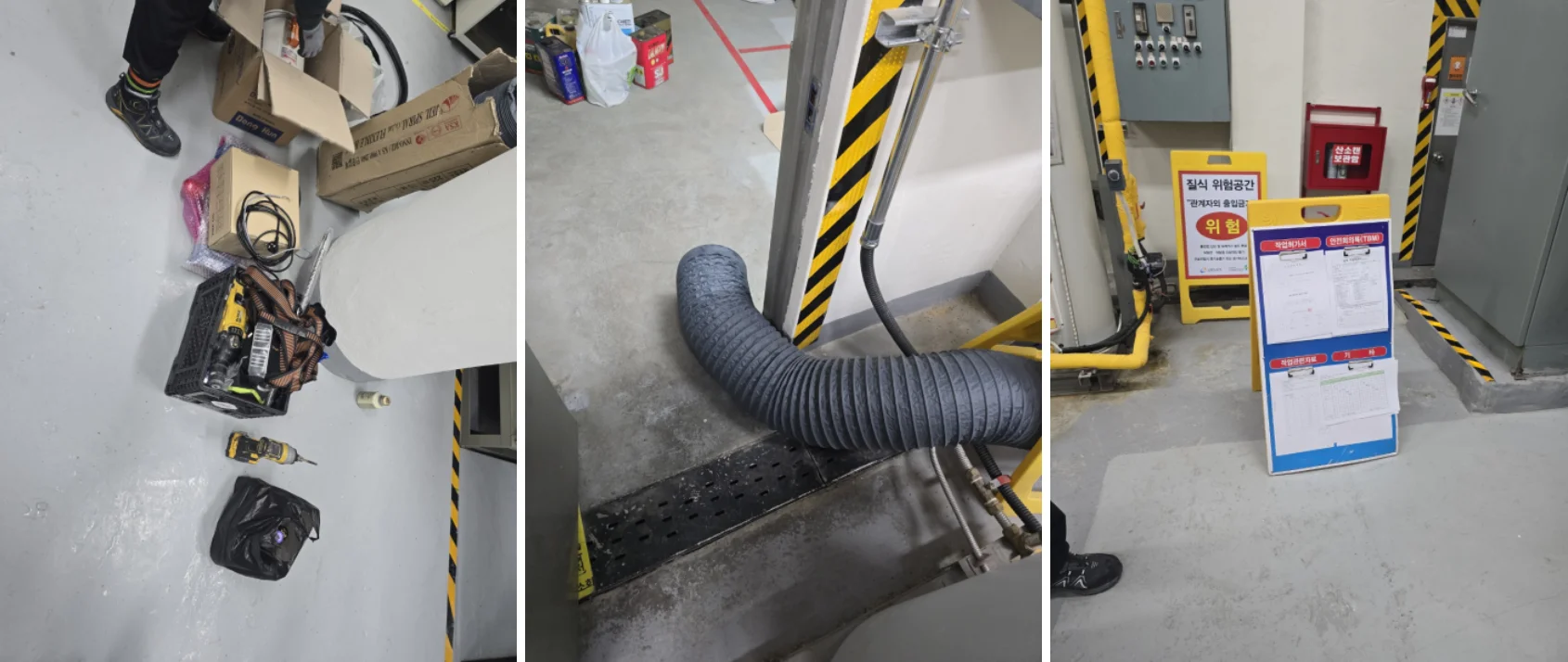
The process began with equipment unloading, itself a recognized risk activity requiring adherence to lifting procedures such as elevator use and two-person handling for heavy loads.
A blower ventilated the confined space for approximately 30 minutes beforehand to clear any accumulated combustible or toxic gas, creating a safe working environment. Safety signage and work documentation restricted access to authorized personnel only.
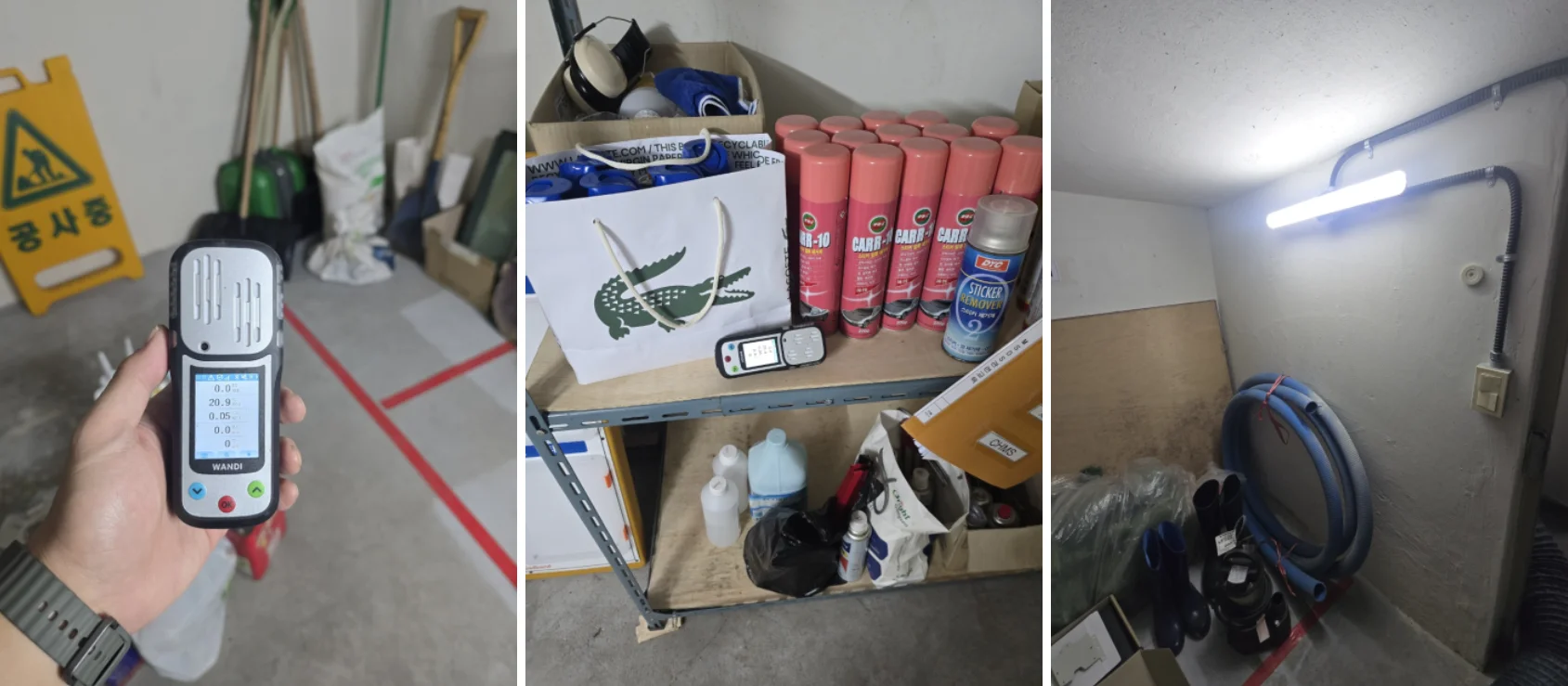
Once preparation was complete, a portable EDW500 five-gas detector was used to verify ventilation status before entry. After the initial measurement, the unit was left in place, since its LTE connectivity allows continuous remote monitoring even after the crew leaves. The team then did a final check of the installation points before beginning the main work.
During Work
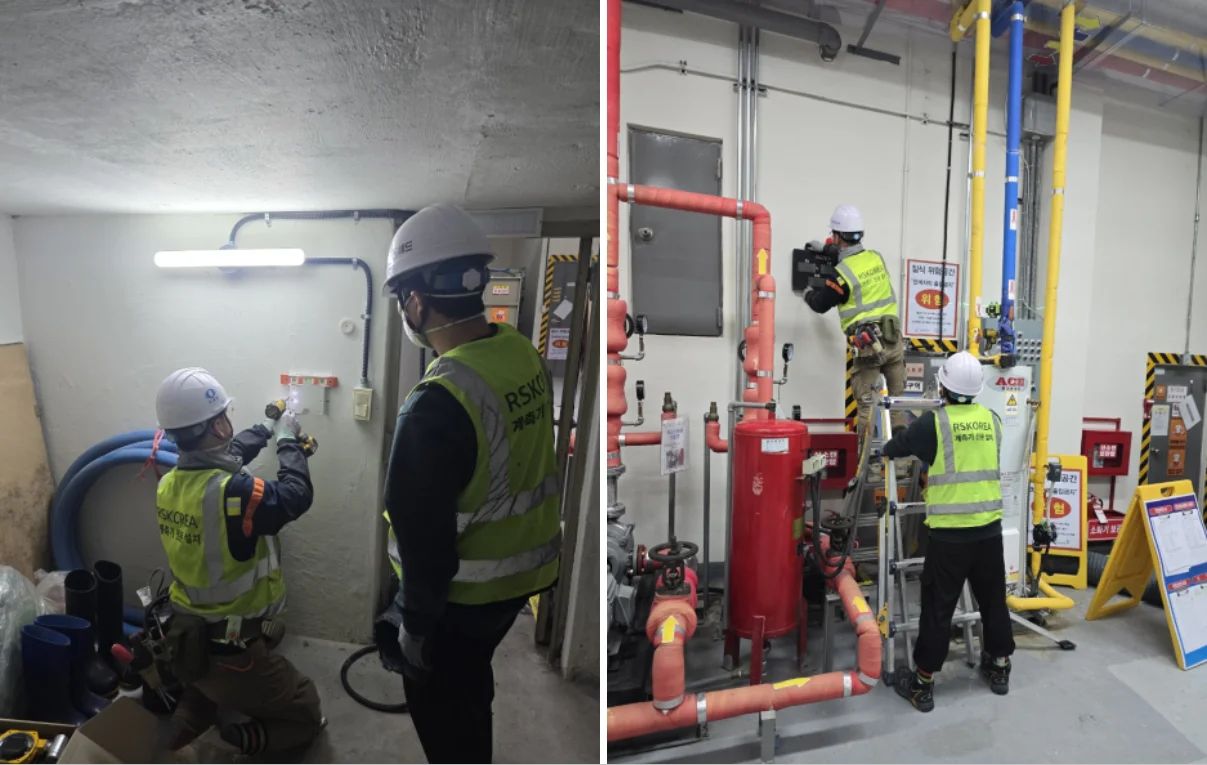
The work sequence followed detector installation, then display board installation, then cable routing. Mobile ladders were limited to 3.5 m maximum height and required two-person operation to prevent falls and enable a quick response if an incident occurred.
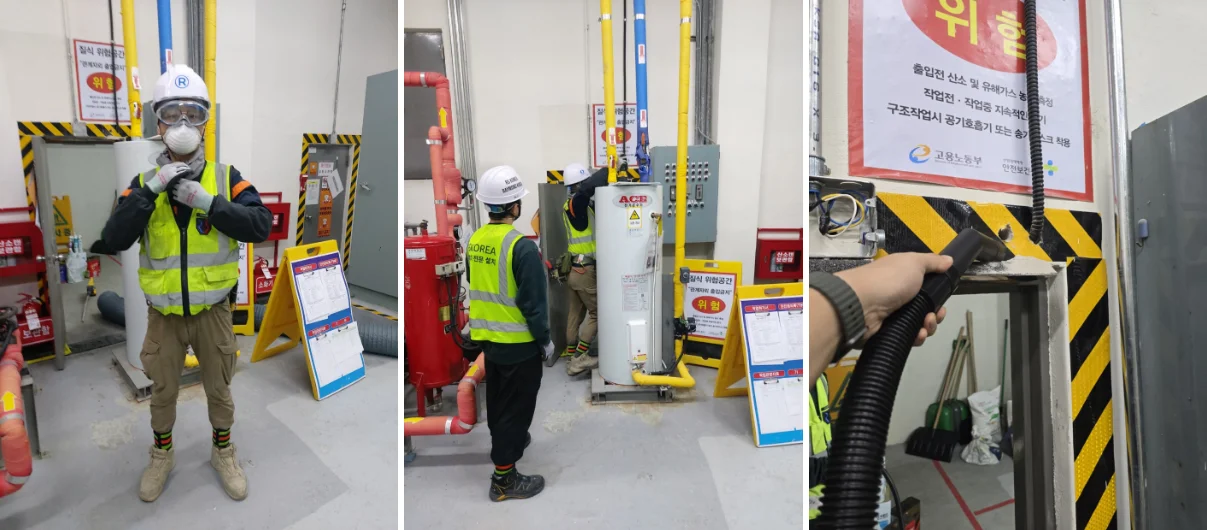
Since the detector sits inside the room and the display board outside, a wall penetration was required. Safety glasses were mandatory during concrete drilling and window-frame caulking work to prevent eye injury from debris, and the work area was cleaned afterward as standard practice.
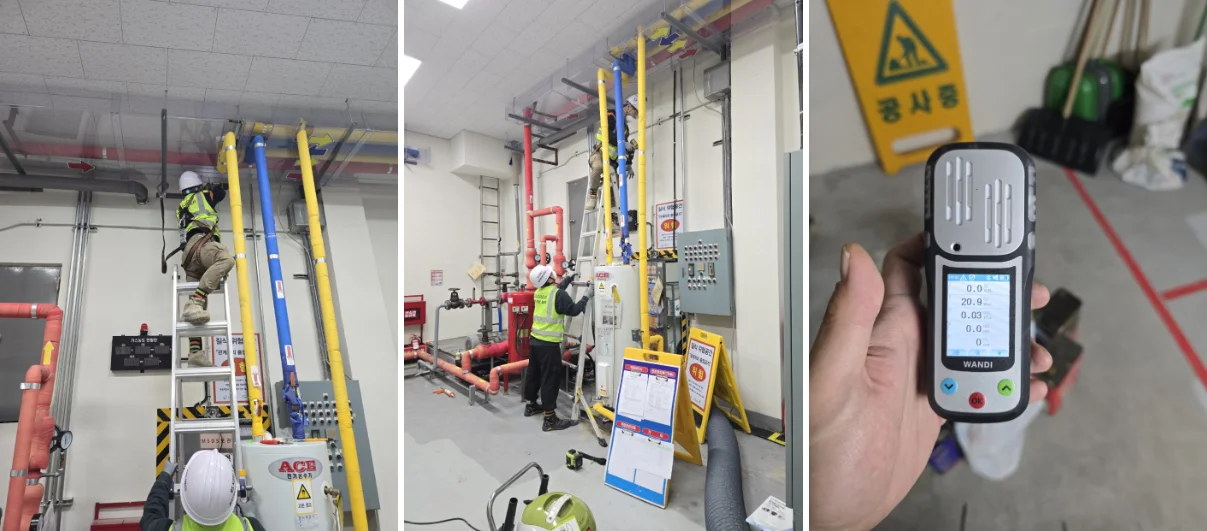
Given the site's high ceiling, fall-arrest harnesses were required above 2 meters. The safety supervisor monitored compliance with safety procedures and measured gas concentrations at regular intervals throughout the job.
After Work
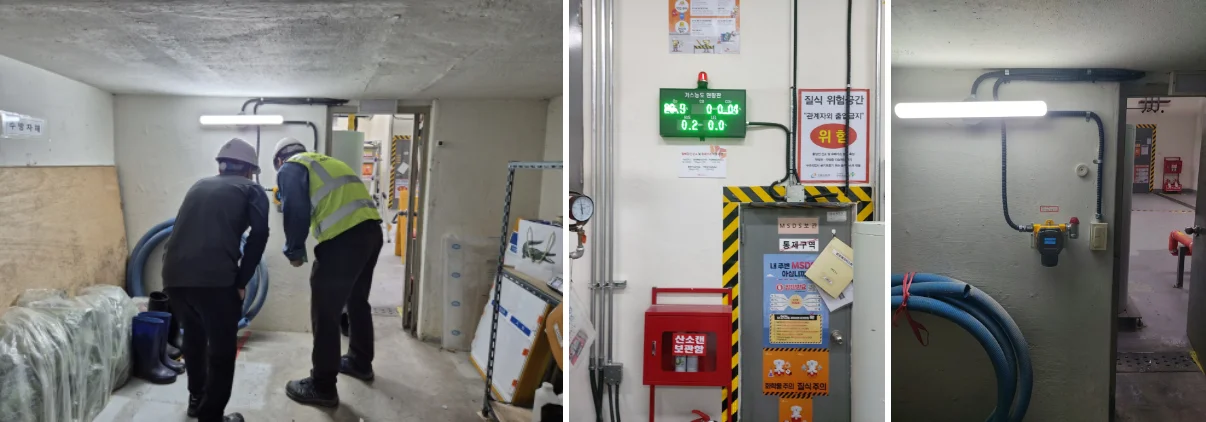
The team provided instruction on system operation and maintenance, performed a functional test, and — at the site manager's request — labeled the equipment with its maintenance schedule before completing the job.
Closing
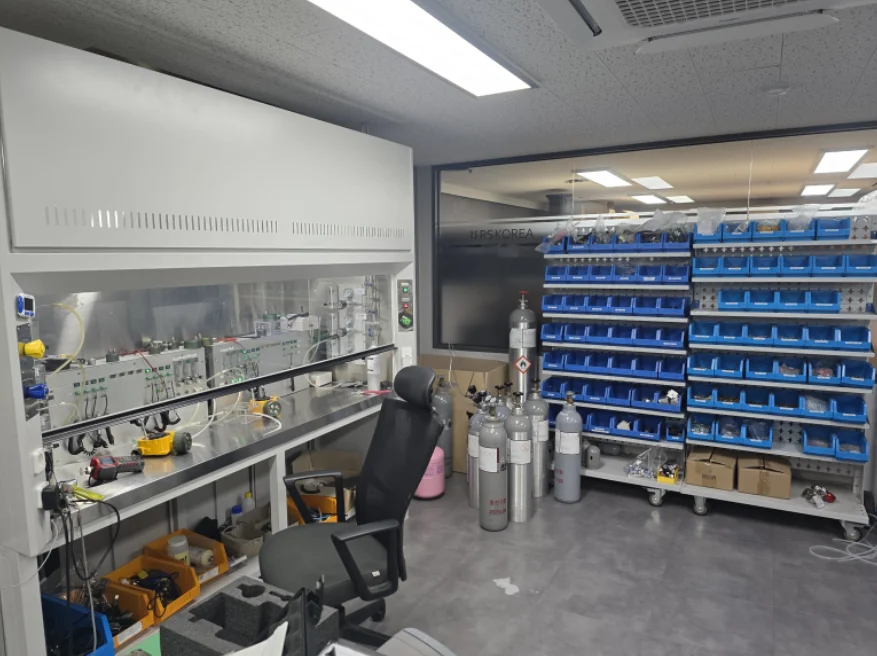
RS Korea's gas detection service combines quotation, site survey, fabrication, installation, and maintenance into a single all-in-one system, aiming to minimize the effort and uncertainty involved in selecting the right equipment from start to finish. In-house calibration capability and a complete stock of repair parts support both quality assurance and fast after-sales service.
#WastewaterTreatmentFacility #GasDetector #FixedGasDetector #FixedGasMonitor #MultiGasDetector #FoodWastewaterGasDetector #WaterTreatmentPlantGasDetector #IndustrialSafetyAndHealthAct #5Gas #FiveGasDetector #5GAS #5GASDetector #IndustrialSafetyGasDetector #FixedMultiGasDetector #ConfinedSpaceGasDetector #Wandi #FIX800 #GasMonitoring #FuelOilStorage #FuelStorageTank #VOC #ExplosionRisk
![[레이먼드] 오,폐수 처리실 유해가스 모니터링](https://wandi.co.kr/storage/construction-cases/YxFUQVBZ8Unnk7pJzzfsmezr6xNe0LZvQRDmt7TL.jpg)
![[브이피이코리아] 종합병원 지하 밀폐공간 가스 측정기 설치_FIX800 & FIX-DS](https://wandi.co.kr/storage/construction-cases/gNOA28xSlEy5uU3AOxyHDRH5UfAe0TpMTgAt4Uag.jpg)

