Applied Markets
Installed Gases
Project Details
Hello, this is our team.
Today's post covers an ammonia and hydrogen sulfide odor gas detector installation at a piglet housing facility.
When manure management inside livestock housing is inadequate — for example, when waste stays too long inside the barn or a large amount of sludge accumulates without being removed separately — these materials become anaerobic and generate odor-causing gases such as ammonia, hydrogen sulfide, methyl mercaptan, and volatile amines.
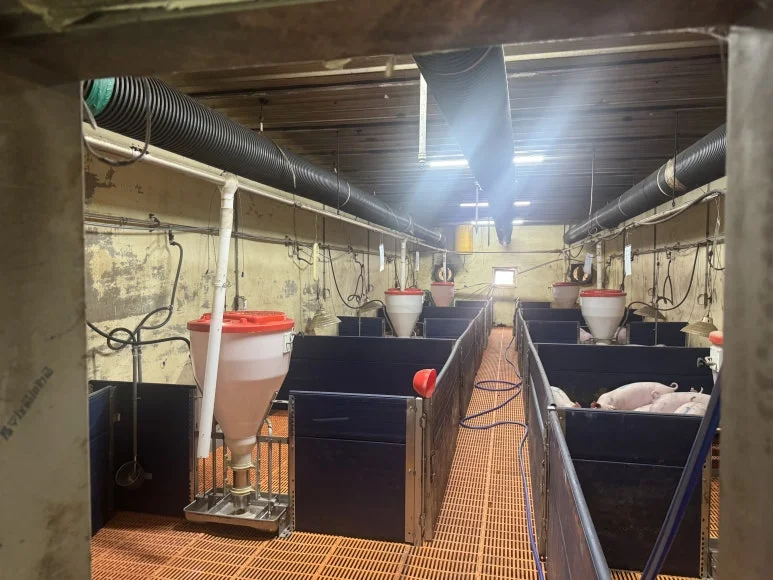
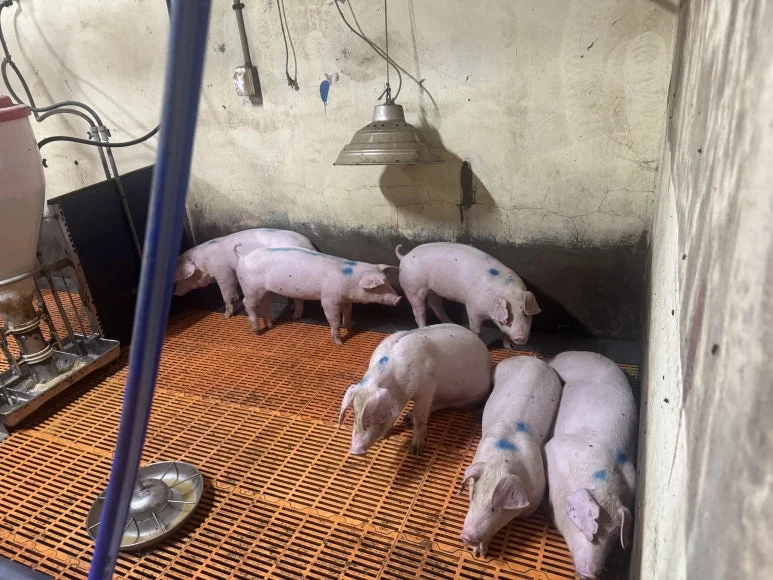
This site was inside a piglet house where young pigs are raised.
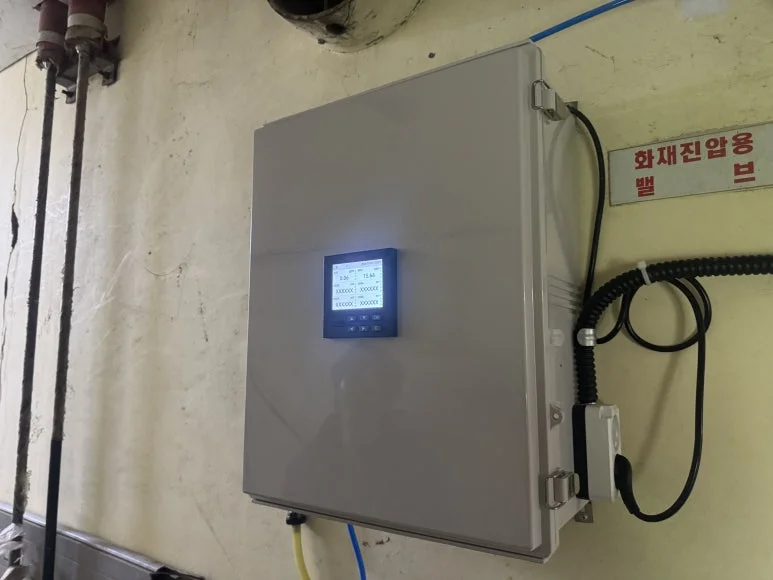
The gas detector was built with a structure that draws in gas from outside the housing. Since water spraying is regularly carried out inside the pig house to reduce odor, a sampling structure that removes moisture before drawing in gas is very important.
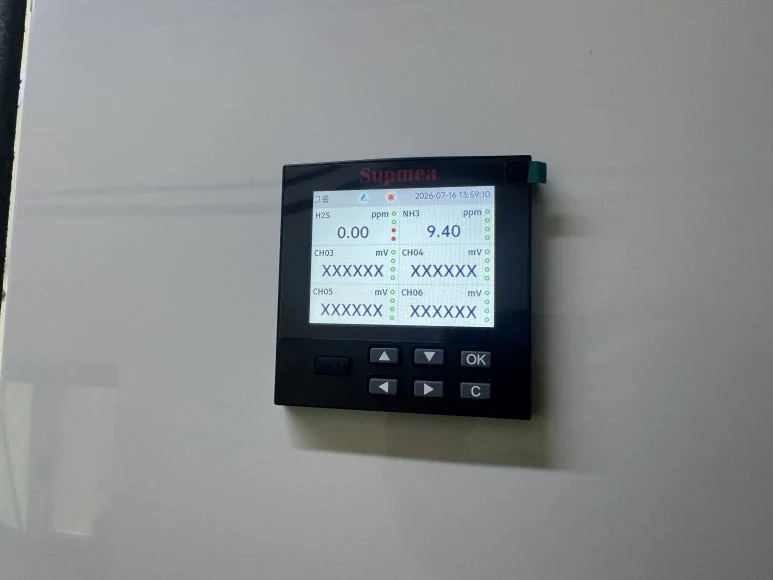
Ammonia and hydrogen sulfide measurements from inside the piglet house are stored on an RN3000 data logger, allowing analysis of odor gas concentration by day and by time of day.
For demonstration testing, this setup can also be used to analyze how odor gas levels decrease depending on ventilation rate.
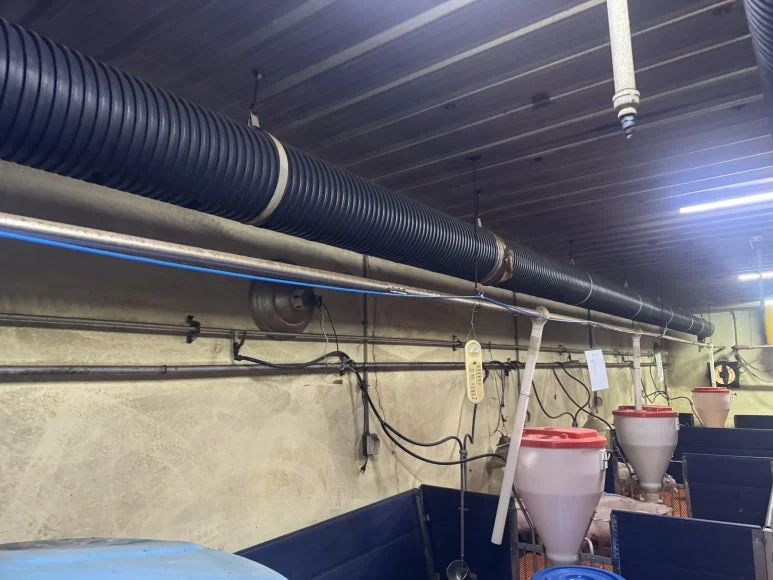
A polyurethane hose was fixed to draw gas in from inside the piglet house. When a gas detector is installed indoors, continuous exposure to moisture and ammonia gas can cause corrosion, so in harsh environments like this, outdoor installation is recommended.
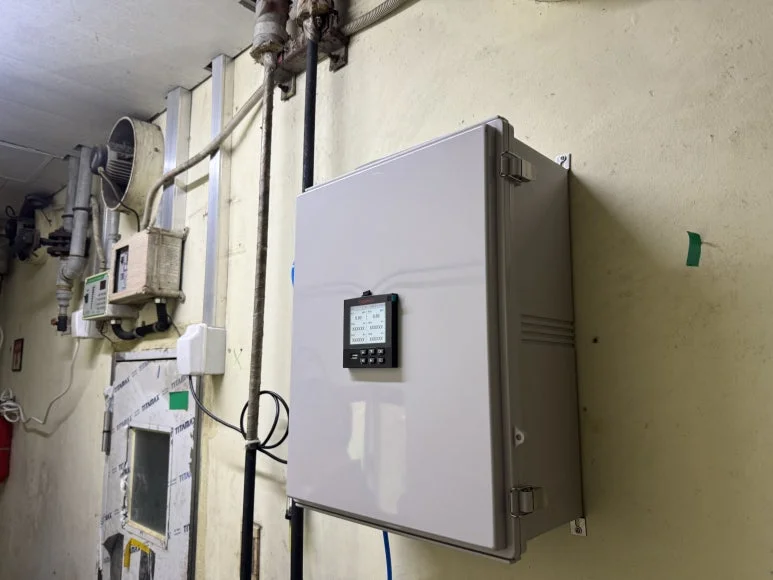
Piglet House Odor Gas Detector Configuration
· Detector: FIX800 fixed-type gas detector
· Gases measured: NH3 (Ammonia) 50 ppm / H2S (Hydrogen Sulfide) 50 ppm
· Gas sampling: Standard sample conditioning unit (2-stage moisture removal)
· Data storage: Data logger, over 2 years of data retention
· Sample flow rate: 1 LPM
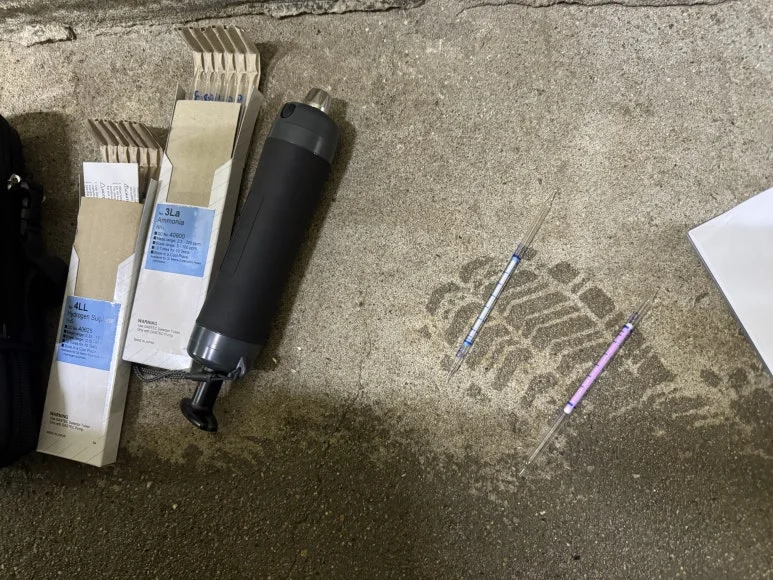
After completing the installation, a side-by-side comparison was carried out against a detector tube tester. The measured values were consistent within the margin of error, and when used for more than a year, installing a fixed detector proves more cost-effective than continuing to purchase detector tubes.

We wish everyone a safe workday.
Frequently Asked Questions (FAQ)
Q1. Why is an ammonia and hydrogen sulfide detector needed in a piglet house?
When manure management inside livestock housing is inadequate, waste becomes anaerobic and generates odor gases such as ammonia and hydrogen sulfide, which can affect worker health and animal housing conditions — making real-time monitoring necessary.
Q2. What are the specifications of the detector installed in this case?
A FIX800 fixed-type gas detector measuring NH3 (Ammonia) at 50 ppm and H2S (Hydrogen Sulfide) at 50 ppm, with gas drawn in through a 2-stage moisture-removal sample conditioning unit.
Q3. Why is the detector installed outside rather than inside the piglet house?
Continuous exposure to moisture and ammonia gas inside the housing can cause corrosion, so the detector was built to draw in gas from outside, which is the recommended approach for such harsh environments.
Q4. How is the measurement data managed?
Measurements are stored on an RN3000 data logger, allowing analysis of odor gas concentration by day and by time of day, with over two years of data retention.
Q5. How does the accuracy compare to detector tubes?
A side-by-side comparison with a detector tube tester after installation showed consistent values within the margin of error, and installing a fixed detector is more cost-effective than purchasing detector tubes when used for more than a year.
#FIX800 #WANDI #AmmoniaDetector #HydrogenSulfideDetector #LivestockOdorMonitoring #GasDetectorInstallation #PigFarmGasMonitoring #FixedGasDetector #DataLogging #IndustrialSafety