Applied Markets
Installed Gases
Project Details
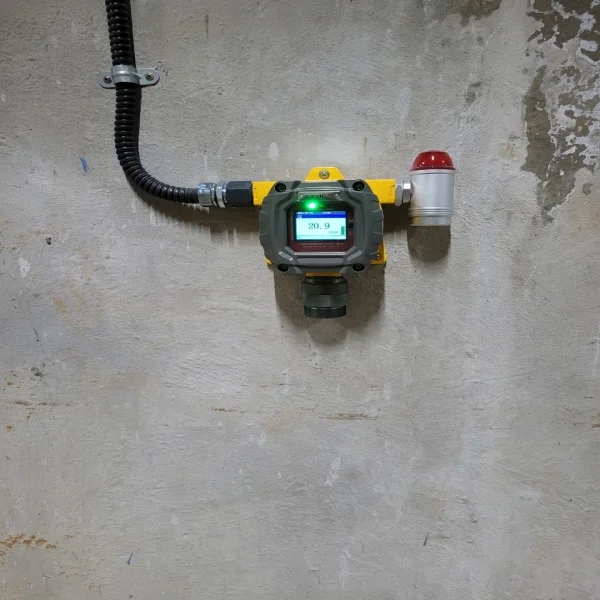
Hello. This case introduces the installation of a fixed gas detector and an entrance gas concentration display board in a wastewater treatment room located inside a power plant.
A power plant's wastewater septic tank is a confined space with a higher risk of gas accumulation than an ordinary building or factory. Wastewater left over from plant processes collects in the tank, and when wastewater containing various chemicals from different processes meets, chemical reactions can generate a range of harmful gases. This is also why workers entering power plant septic tanks for cleaning work have, in the past, died from gas poisoning with some frequency.
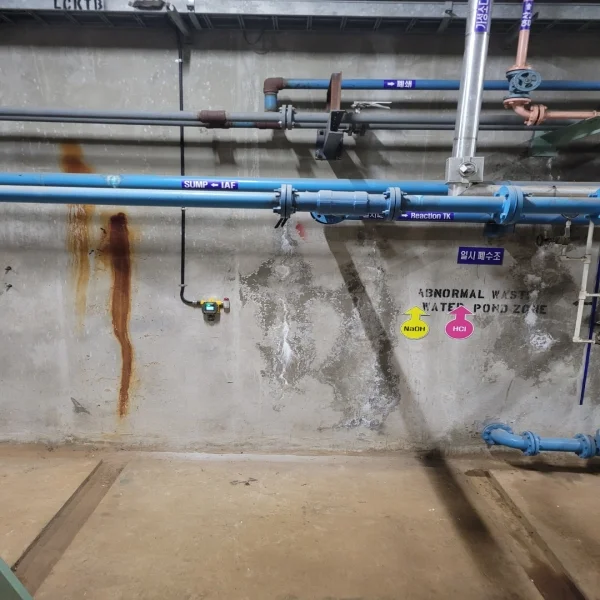
How Should a Power Plant Septic Tank Confined Space Be Managed?
The most important point is the nature of the space: a septic tank and wastewater treatment area is one that most workers are reluctant to enter, and no one is stationed there. Strong odors are common, and because it is located underground, the indoor air quality is very poor.
For this reason, the right way to protect against gas accidents is to keep a fixed gas detector running at all times, able to measure harmful gases continuously, 24 hours a day, 365 days a year, in the wastewater treatment room.
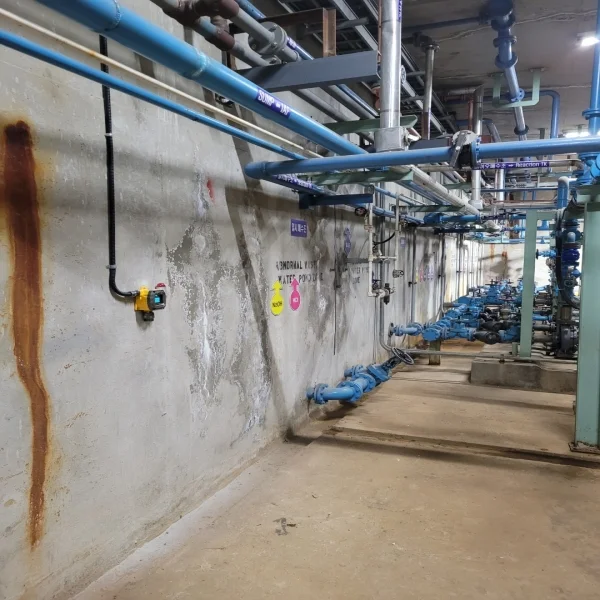
Installation Considerations
Most septic tank and wastewater treatment facilities are designed so that entry is through a half-flight of steps down, or through an anteroom with double doors. Once the final door is opened, the septic tank facility lies in an open-floor layout.
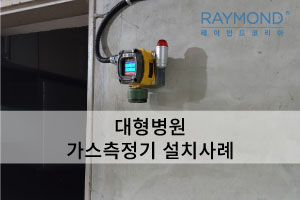
Because the tank equipment itself is usually located at floor level, the installation point is selected at a suitable height or around the middle of the wall, taking into account the airflow direction of the ventilation fan.
Which gases to measure is also important. The essential gases are O₂ (oxygen) and H₂S (hydrogen sulfide). If the budget allows, a detector that measures five gases in total, adding methane, carbon monoxide and carbon dioxide, is also a good choice.
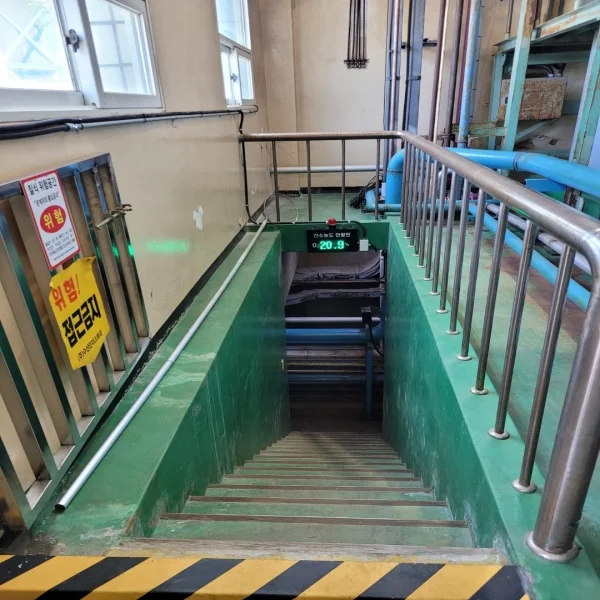
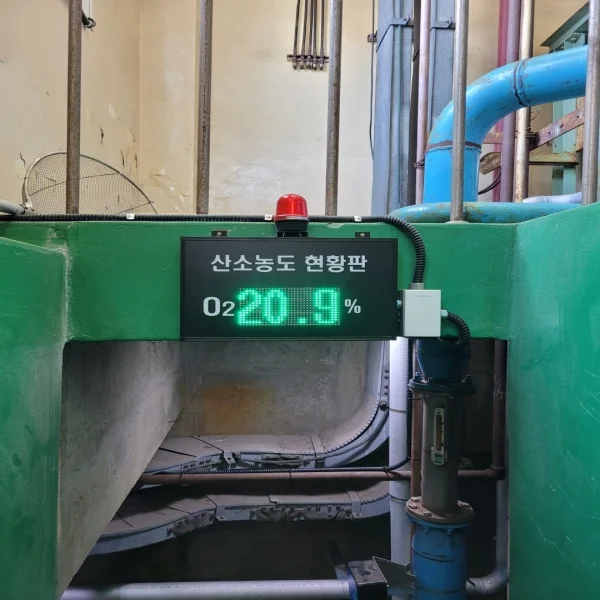
Gas Concentration Display Board at the Entrance
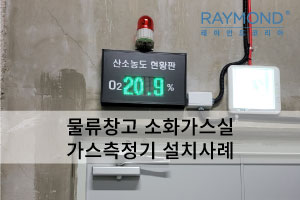
A gas concentration display board was installed together with the detector in front of the entrance, outside the confined space where an oxygen concentration of 20.9% is not maintained at all times. Requests are sometimes made to install it in front of the final door after the anteroom, just before entering the septic tank, but this is not appropriate: if gas leaks from the tank, it can fill even the anteroom, which is a fully enclosed space.
Because anyone entering or passing by can see the gas concentration inside the wastewater treatment room on the display board, a problem can be reported and acted on even by a person other than the staff member in charge of the room.
A simple configuration of a gas detector and a display board like this can effectively prevent gas poisoning accidents.
Thank you.

Frequently Asked Questions (FAQ)
Why is a septic tank at a power plant considered a high-risk confined space?
Residual wastewater from plant processes collects in the tank. When wastewater containing various chemicals from different processes meets, chemical reactions can generate harmful gases, which makes the space more prone to gas accumulation than an ordinary building or factory.
Which gases should be measured in a septic tank or wastewater treatment room?
The essential gases are O₂ (oxygen) and H₂S (hydrogen sulfide). If the budget allows, a five-gas detector that adds methane, carbon monoxide and carbon dioxide may also be installed.
Where should the detector be installed?
Since the tank equipment is usually located at floor level, the installation point is chosen at a suitable height or around the middle of the wall, taking the airflow direction of the ventilation fan into account.
Where should the gas concentration display board be placed?
It should be placed in front of the entrance, outside the confined space where a 20.9% oxygen concentration is not maintained at all times, rather than in front of the final door just before the tank. If gas leaks from the tank, it can fill even the fully enclosed anteroom.
Why is continuous measurement recommended?
The wastewater treatment room is an unattended confined space with poor indoor air quality, so a fixed detector operating 24 hours a day, 365 days a year is the appropriate way to guard against gas accidents.
#GasDetector#OxygenDetector#H2SDetector#ConfinedSpace#SepticTank#WastewaterTreatment#PowerPlant#GasDisplayBoard#FixedGasDetector#WANDI