Applied Markets
Installed Gases
Project Details
Hello.
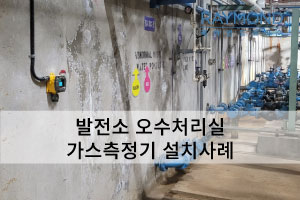
Today's post covers a case of installing a gas detector to monitor ozone at a water treatment plant.
Characteristics of Ozone (O3) Gas
Ozone is used in water treatment and air purification because of its strong disinfecting and oxidizing properties.
Hazards of Ozone (O3) Gas
· Respiratory and lung damage
· Irritation of mucous membranes and sensory organs
· Weakened immunity and overall health decline
· Equipment corrosion and environmental pollution
Prolonged exposure can cause fatal respiratory conditions such as pulmonary edema, asthma, and reduced lung function.
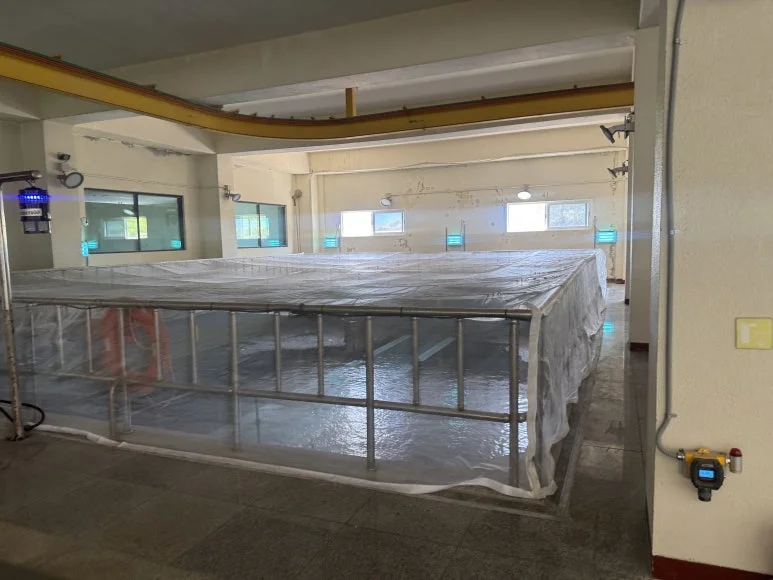
Why Ozone (O3) Gas Is Used in Water Treatment Facilities
· Its strong oxidizing and disinfecting power can fully resolve water quality issues that chlorine disinfection alone cannot solve
· Completely removes musty and earthy odor-causing compounds such as 2-methylisoborneol and geosmin
· Kills viruses and bacteria hundreds of times faster than chlorine gas
· Rapidly eliminates pathogenic protozoa that are resistant to chlorine disinfection
· Oxidizes color-causing substances to produce clear, clean water
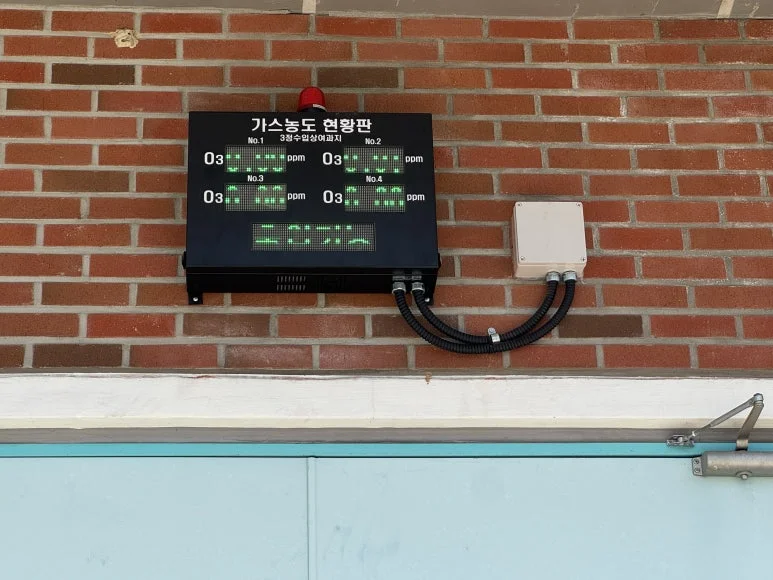
Why Ozone Gas Must Be Monitored Inside Water Treatment Facilities
· Ministry of Employment and Labor workplace O3 ozone gas exposure standards
Time-Weighted Average (TWA): 0.1 ppm
→ the average concentration that does not adversely affect the human body even with 8 hours of daily exposure
Short-Term Exposure Limit (STEL): 0.3 ppm
→ the limit concentration that does not cause physical harm during a single 15-minute exposure
An ozone gas detector and display board should be installed so that workers can quickly recognize when ozone gas is present.
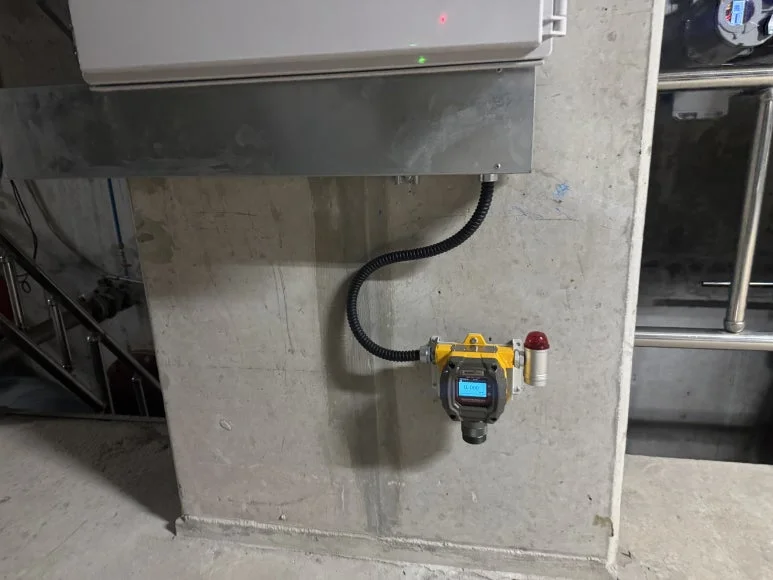
Advantages of the FIX800 Ozone (O3) Gas Detector
· Sensors available from low concentrations (0–5 ppm) up to high concentrations of 20,000 ppm
· Can also measure the five confined-space safety gases
· Simple remote-control operation
· Can be linked to a dedicated O3 display board to monitor gas levels at entrances
· Allows managers to check on-site O3 gas concentrations via PC or smartphone (optional)
· Sensor expansion available
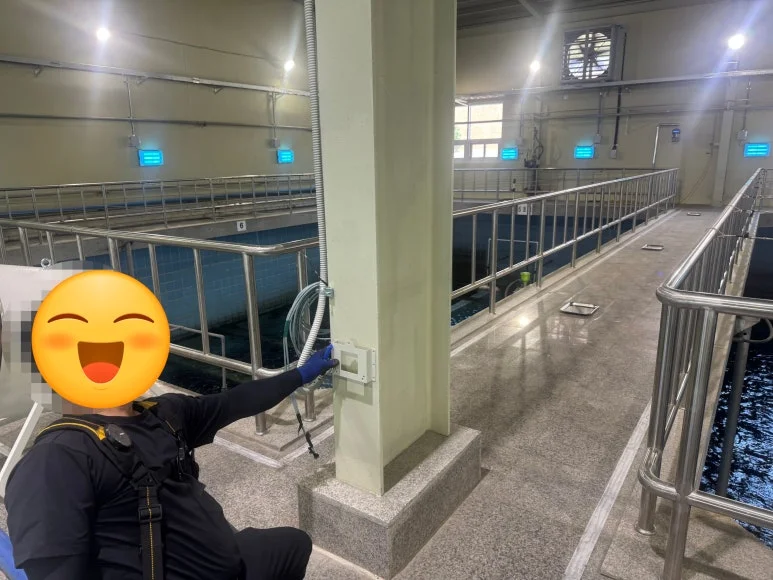
Why Professional Gas Detector Supply and Installation Matters
· Extensive installation experience across a wide range of confined spaces
· Capable of installing various equipment, including gas detectors, flow meters, and pressure gauges
· Secondary inspection performed with reference equipment after installation
· Appropriate equipment selected based on site conditions
· Fast on-site service available regardless of region
· KOLAS calibration available for gas detectors
· Annual scheduled maintenance support provided
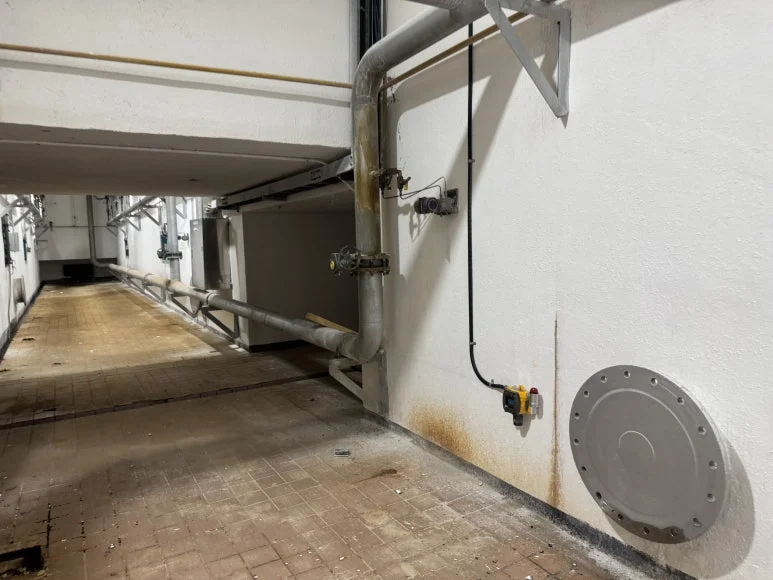
How to Respond to an Ozone Gas Leak
· If the ozone alarm activates or a strong pungent odor is detected, stop work immediately and evacuate
· Since ozone is denser than air, move upward or toward the direction the wind is blowing from
· Activate emergency ventilation fans to quickly exhaust the leaked ozone gas
· Immediately cut power when ozone is detected
· After taking all measures, confirm that the on-site ozone concentration has returned to below the legal limit of 0.1 ppm
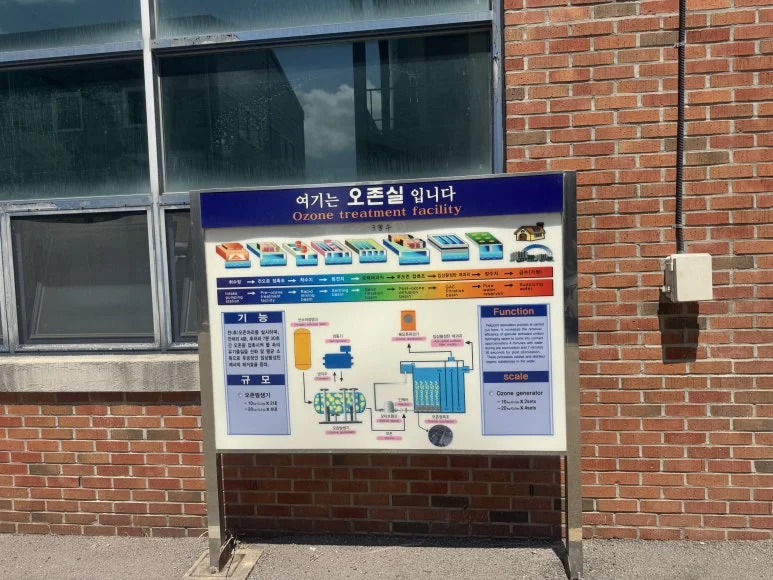
If you have any questions about installing an ozone gas detector, please feel free to reach out to our team.
Wishing you a safe workday, always!

FAQ
Why is ozone gas dangerous?
Ozone gas can cause respiratory and lung damage, mucous membrane irritation, weakened immunity, equipment corrosion, and environmental pollution. Prolonged exposure can lead to fatal respiratory conditions such as pulmonary edema, asthma, and reduced lung function.
Why is ozone gas used in water treatment facilities?
Its strong oxidizing and disinfecting power resolves water quality issues that chlorine alone cannot address, removes musty and earthy odor-causing compounds, and kills viruses and bacteria hundreds of times faster than chlorine.
What are the exposure limits for ozone gas?
Under Ministry of Employment and Labor standards, the Time-Weighted Average (TWA) is 0.1 ppm and the Short-Term Exposure Limit (STEL) is 0.3 ppm.
What is the measurement range of the FIX800 ozone detector?
Sensors are available from low concentrations of 0–5 ppm up to high concentrations of 20,000 ppm.
What should be done if ozone gas leaks?
If the alarm activates or a strong odor is detected, stop work immediately and evacuate, move upward or toward the direction the wind is blowing from since ozone is denser than air, activate ventilation fans to exhaust the gas, and cut power immediately.
#FIX800#OzoneDetector#OzoneGas#WaterTreatment#WaterTreatmentSafety#ConfinedSpaceSafety#OccupationalSafety#GasLeakResponse#WANDI#FieldSafetyEquipment