Applied Markets
Installed Gases
Project Details
Hello.
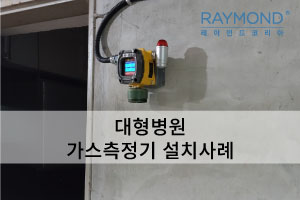
We specialize in installing gas detectors and monitoring equipment at general hospitals nationwide to help prevent asphyxiation accidents in confined spaces such as wastewater treatment facilities and drainage tanks.
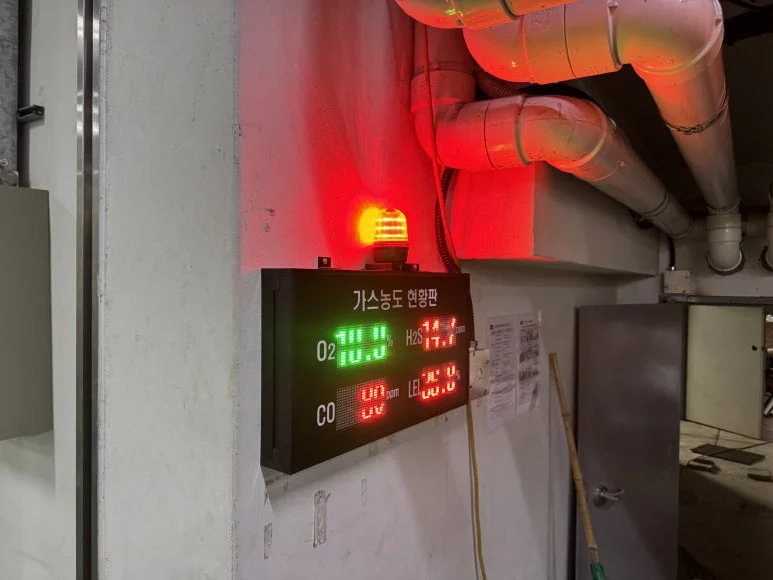
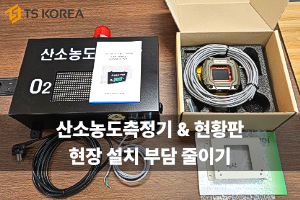
At this site, we installed a gas status display board at the entrance of the drainage tank and ran a data cable more than 50 meters to connect it to the fixed gas detector.
After installation, we always use calibration gas to run a responsiveness test with the facility manager and walk through the relevant safety management procedures.
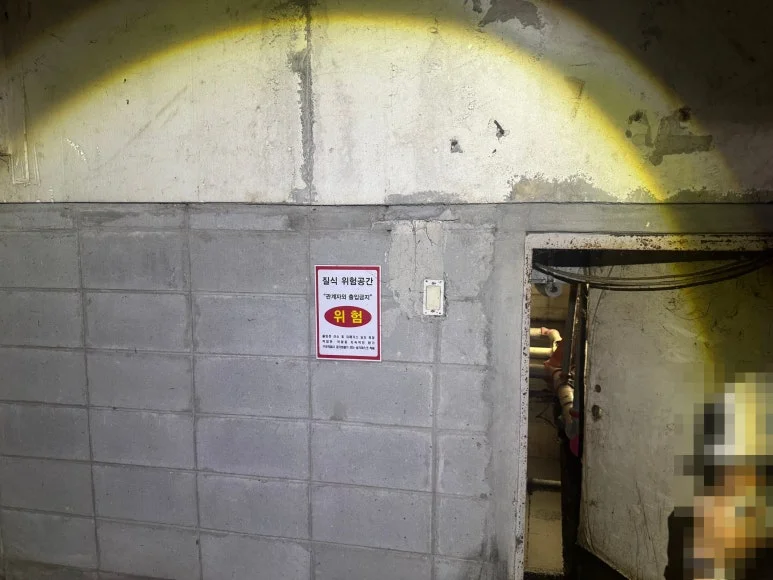
This is the entrance to the drainage tank where the gas detector was installed. Because ventilation was inadequate and the tank was located deep underground, this site required constant caution.
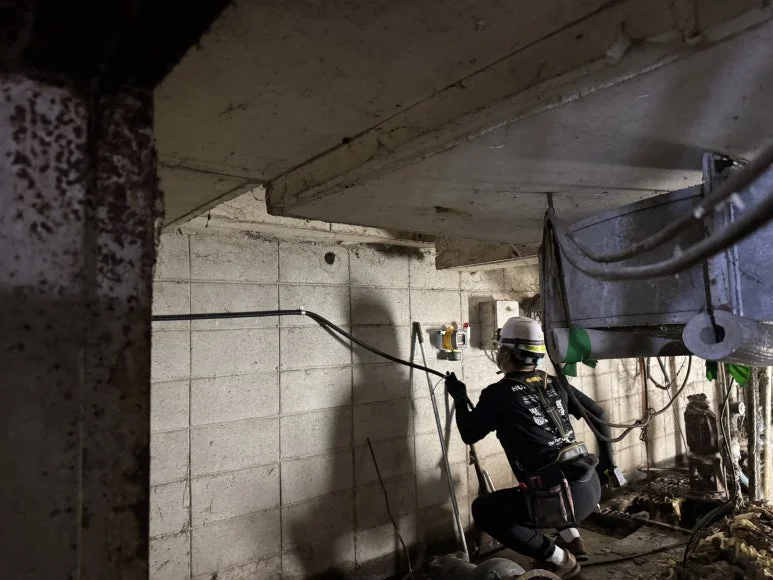
We selected an appropriate location within the confined space and installed the gas detector there.
Criteria for selecting the gas detector's installation location:
· A location where workers can quickly recognize a hazard
· A spot unaffected by water work or cleaning
· An appropriate height selected with gas density in mind
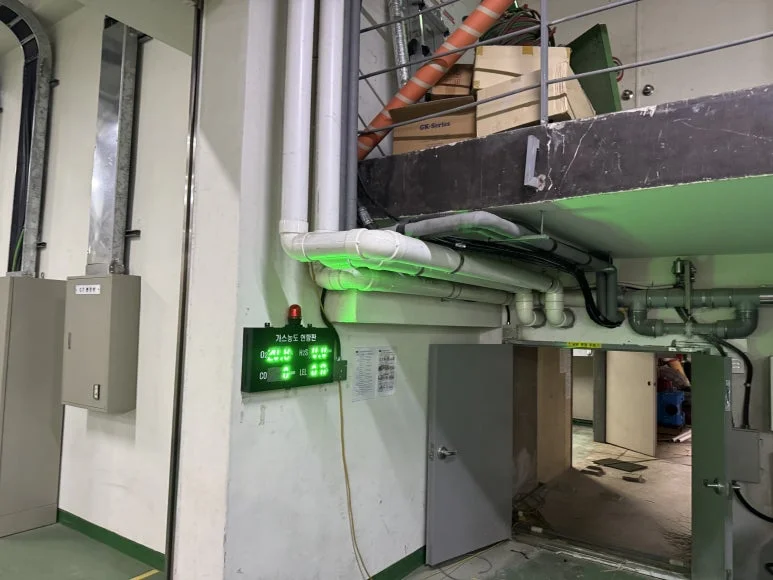
Operating a fixed gas detector helps with safety, but when entering or working in a confined space, it is essential to also carry a portable gas detector to prepare for any unexpected situation.
If you need a gas detector installed in an area at risk of asphyxiation accidents, feel free to reach out for a quick consultation.
Always work safely!
Frequently Asked Questions (FAQ)
Q1. What kind of installation case is this?
This case covers the installation of a FIX800 fixed gas detector and an entrance gas status display board in a confined-space drainage tank located underground at a general hospital.
Q2. Why is a hospital drainage tank considered an asphyxiation risk area?
It is a high-risk confined space because ventilation is inadequate and the tank is located deep underground.
Q3. How is the gas detector's installation location chosen?
The location is chosen based on where workers can quickly notice a hazard, where it won't be affected by water work or cleaning, and at an appropriate height that accounts for gas density.
Q4. What checks are performed after installation?
Calibration gas is used to run a responsiveness test with the facility manager, along with a walkthrough of the relevant safety management procedures.
Q5. Is a fixed gas detector alone sufficient?
A fixed gas detector helps with overall safety, but a portable gas detector should always be carried as well whenever entering or working in a confined space.
#WANDI#FIX800#GasStatusDisplay#ConfinedSpaceGasDetector#AsphyxiationPrevention#HospitalDrainageTank#FixedGasDetector#PortableGasDetector#ConfinedSpaceSafety#IndustrialSafety