Applied Markets
Installed Gases
Project Details
Hello. This is our team.
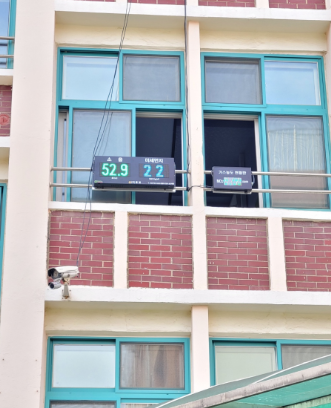
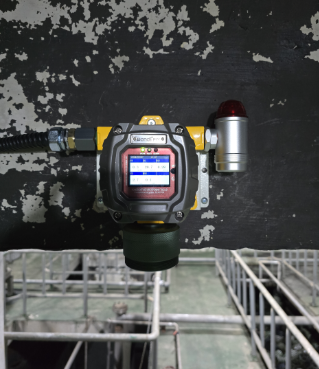
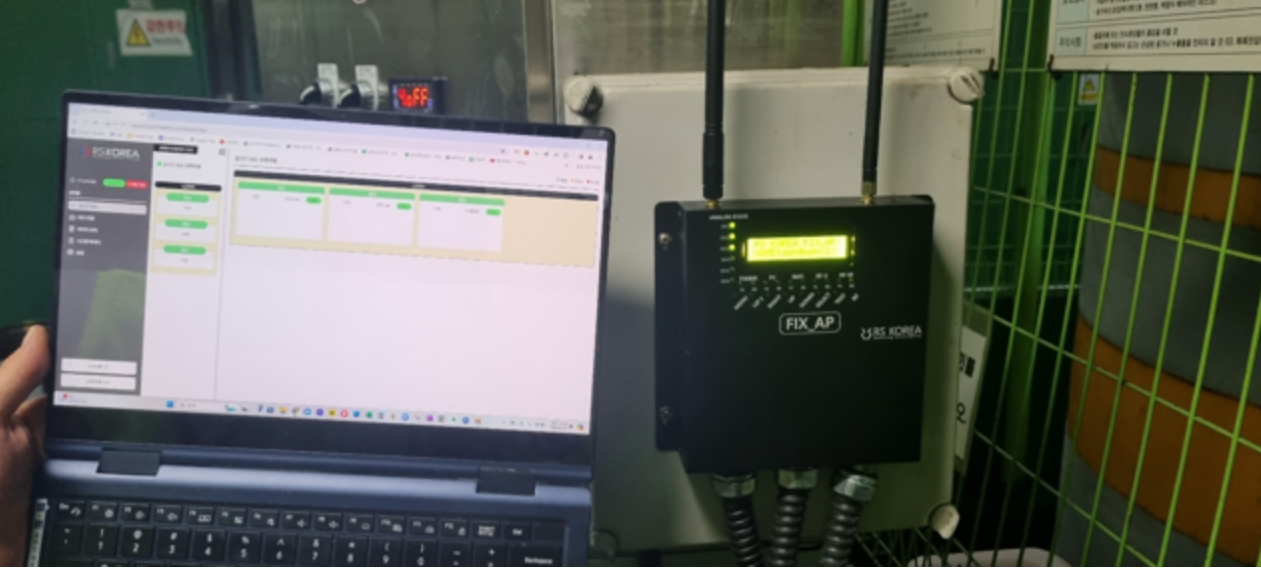
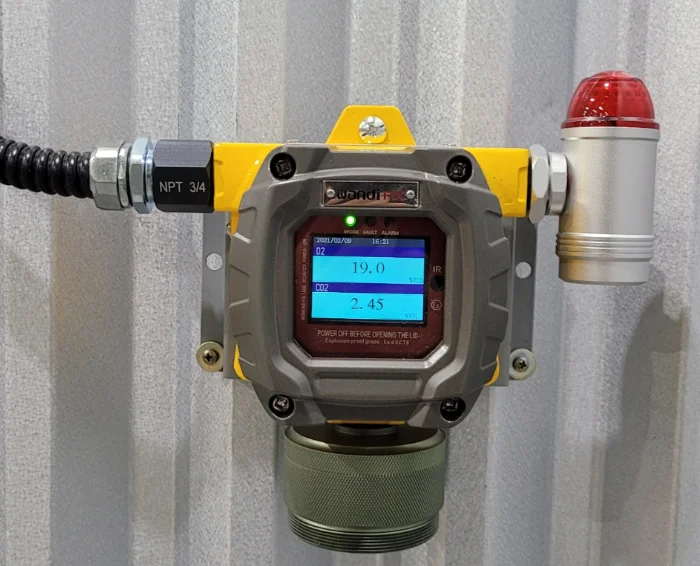
Today we'd like to introduce a FIX800 gas detector installed at a cold storage warehouse, along with the communication-based monitoring system built around it.
[Physiological Effects of CO2 Concentration]
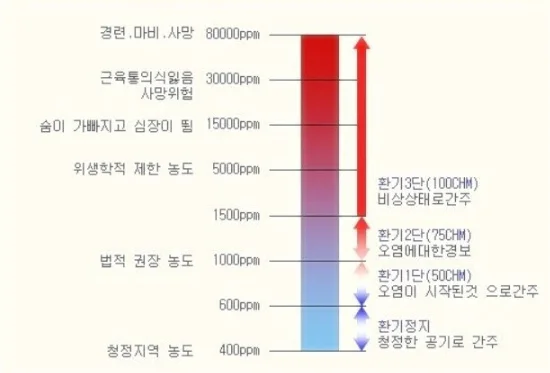
Cold storage warehouses are classified as confined spaces, and since dry ice is sometimes stored inside them, managing both oxygen and carbon dioxide concentration is essential.
[Physiological Effects of Oxygen Concentration]
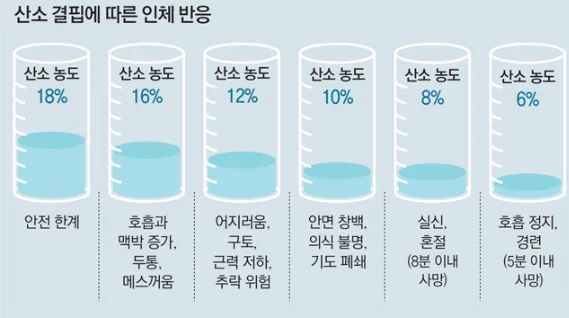
At this site, both CO2 concentration and oxygen concentration were managed together.
The oxygen concentration in normal air is about 21%. When another gas (in this case, CO2) is generated and its concentration rises, the proportion of oxygen naturally decreases as a result.
This reduced oxygen concentration can then have physiological effects on the human body.
Frequently Asked Questions (FAQ)
Q1. Why is managing oxygen and CO2 concentration essential in cold storage warehouses?
Cold storage warehouses are classified as confined spaces, and dry ice is sometimes stored inside them. If CO2 concentration rises, the oxygen proportion naturally decreases, which can affect the human body.
Q2. What is the normal oxygen concentration in air?
The oxygen concentration in normal air is about 21%. When another gas, such as CO2, is generated and its concentration rises, the oxygen proportion decreases correspondingly.
Q3. Which gases were managed together at this site?
Both CO2 concentration and oxygen concentration were managed together.
Q4. What detector was used?
A FIX800 gas detector was installed at the cold storage warehouse, along with a communication-based monitoring system.
Q5. Where was this installation carried out?
It was carried out at cold storage warehouse sites in Gyeonggi-do and Gyeongsang-do.
#WANDI #FIX800 #ColdStorageSafety #OxygenDetector #CO2Detector #ConfinedSpaceSafety #MonitoringSystem #GasDetector #IndustrialSafety #GasMonitoring
![설치] 원주 국토5호선 신림~판부간 터널공사 밀폐공간 안전용 가스측정기 FIX800 4GAS O2 CO CO2 LEL 설치!](https://wandi.co.kr/storage/construction-cases/Ekn7PulFgplHqjZgJUfOsevvzH0Kawa1G0h9NlH8.png)
![설치] 약품 폐수탱크 수위계와 인디게이터 설치 그리고 무선 모니터링까지 MP + SUP1100 + FIX-AP](https://wandi.co.kr/storage/construction-cases/UjHcHl5kWktnCXlnvMIgk6eQhh7pqwuf3u65iKLO.png)