Applied Markets
Installed Gases
Project Details
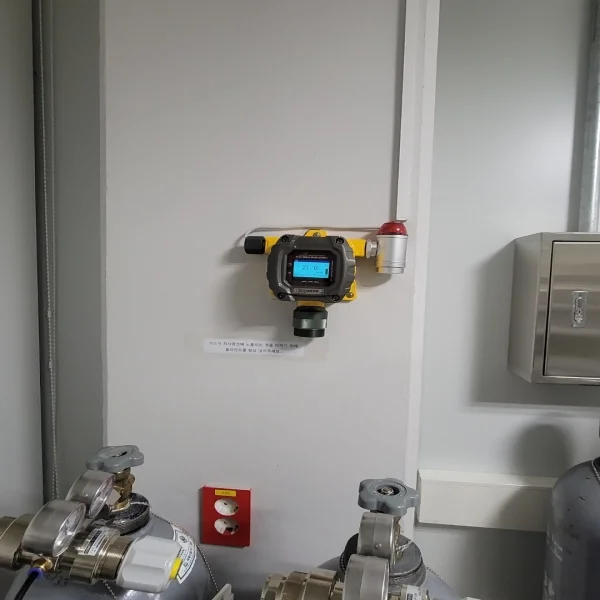
Hello. This is a review of a gas detector installation in the research laboratories of a science-related public institution.
The site is a national science institution where cylinder gases are used throughout the laboratories for experiments and research. Before installation, a site survey was carried out to agree on the types of gas detectors and the installation points.
National research institutes and university laboratories like this one typically use large amounts of high-concentration, high-pressure gases such as nitrogen, carbon dioxide, helium and hydrogen.
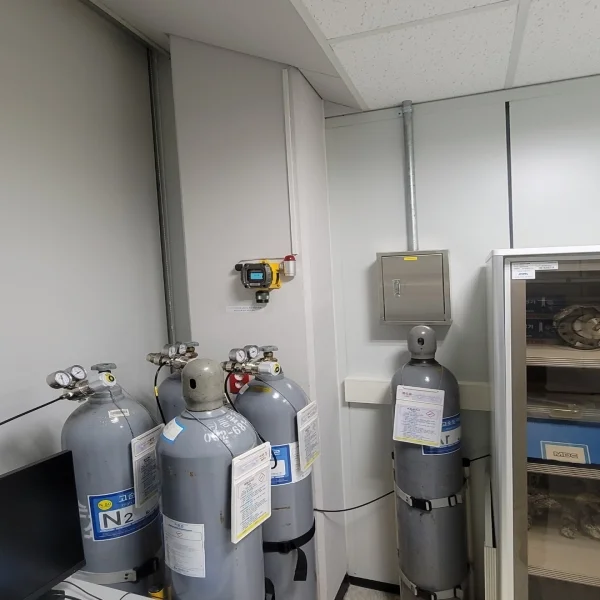
Because gas from high-pressure cylinders is drawn through valves, the valves wear over time and small leaks can develop. In the case of colorless, odorless gases, a leak may go unnoticed even after it starts, until the oxygen concentration drops.
For this reason, preventing gas accidents in advance with gas detectors is essential in research laboratories that use or store high-pressure gas cylinders.
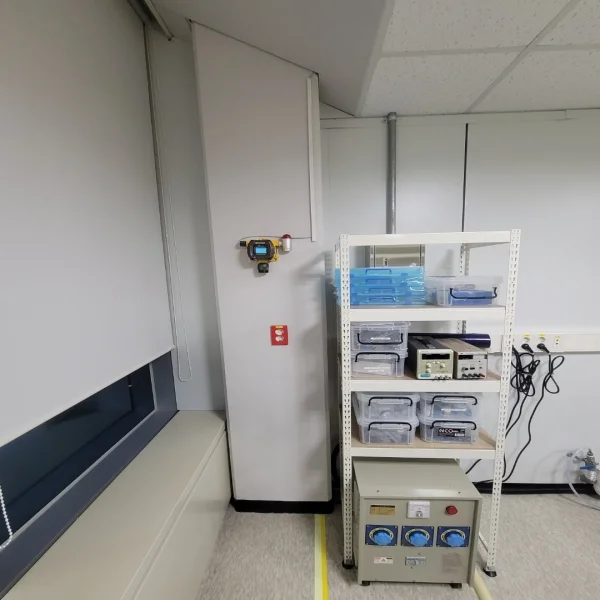
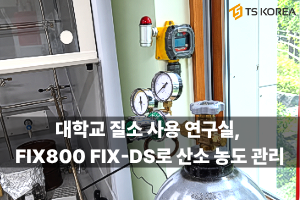
The most appropriate installation location for a gas detector is above the gas cylinders.
If gas is supplied through a separate MFC (mass flow controller), it is also advisable to install a detector at the end point where the gas is finally discharged. The most essential gas to monitor is oxygen (O2).
The air we breathe consists of 21% oxygen and 78% nitrogen. When high-pressure gas leaks in a laboratory, the oxygen level drops sharply. Since any high-concentration gas leak reduces oxygen regardless of the gas type, oxygen is a mandatory measurement item in environments that use high-concentration gases.
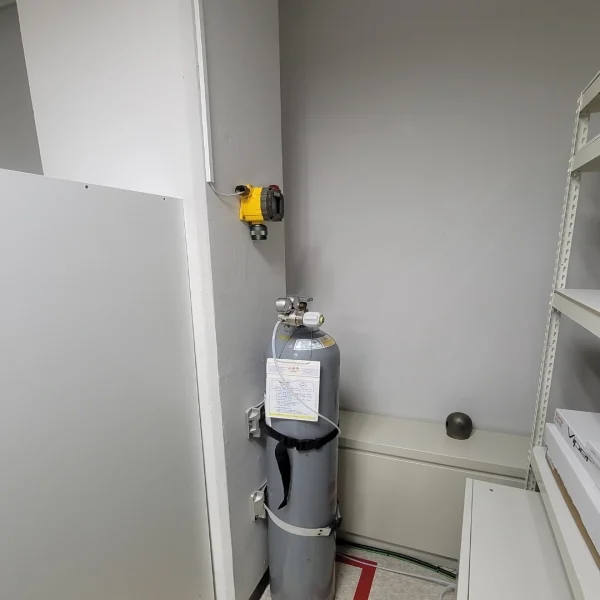
If hydrogen gas is used separately, installing a hydrogen sensor instead of an oxygen sensor is also a good choice.
Hydrogen is colorless, odorless and non-toxic, but if it leaks above a concentration of 4% it can explode on contact with a heat source.
Because hydrogen leaks need to be detected from very small amounts, fitting a dedicated hydrogen sensor to detect the leak directly is the right choice, rather than relying on a drop in oxygen.
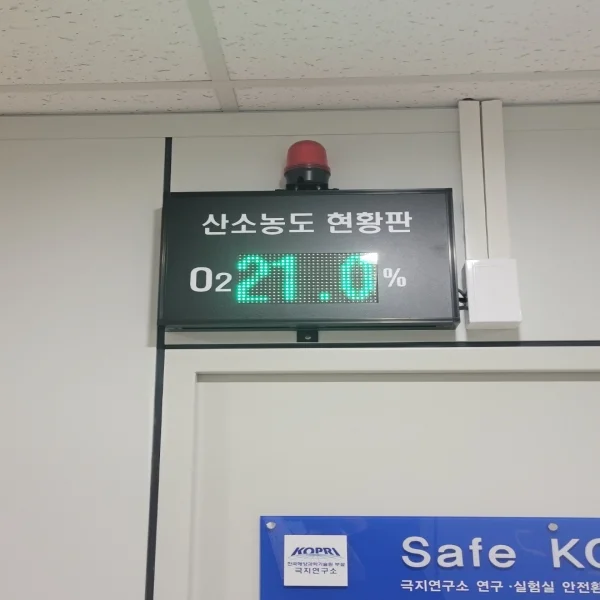
Unlike sewage treatment rooms or machine rooms, research laboratories are very quiet, so even with only a gas detector installed, its 90 dB audible alarm can be heard outside the door.
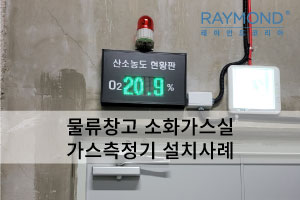
However, for more complete prevention of gas leak accidents, a display board can also be installed at the laboratory entrance, as shown here, to provide dual monitoring.
This concludes our laboratory gas detector installation case. From free on-site surveys and solution proposals to installation, as well as after-sales service and ongoing maintenance, we support the entire process.
Thank you.

Frequently Asked Questions (FAQ)
Q1. Is a gas detector really necessary in a research laboratory?
Gas from high-pressure cylinders is drawn through valves that wear over time, which can cause small leaks. Colorless, odorless gases may go unnoticed until the oxygen concentration drops, so preventive monitoring with gas detectors is essential.
Q2. Where should gas detectors be installed?
The most appropriate location is above the gas cylinders. If gas is supplied through a separate MFC, it is also advisable to install a detector at the end point where the gas is discharged.
Q3. Why is oxygen (O2) measurement essential?
Air consists of 21% oxygen and 78% nitrogen. When high-concentration, high-pressure gases such as nitrogen, carbon dioxide or helium leak, the oxygen level drops sharply regardless of the gas type. Oxygen must therefore be measured in any environment using high-concentration gases.
Q4. What should laboratories that use hydrogen do?
Hydrogen can explode on contact with a heat source if it leaks above a 4% concentration, so leaks must be detected from very small amounts. In this case, fitting a dedicated hydrogen sensor to detect the leak directly is the right choice rather than measuring the drop in oxygen.
Q5. Why install an additional display board at the laboratory entrance?
Laboratories are very quiet, so the detector's 90 dB alarm can be heard outside the door. For more reliable prevention of gas leak accidents, a display board at the entrance provides dual monitoring.
#GasDetector#OxygenDetector#LaboratorySafety#ResearchLab#GasCylinder#HydrogenSensor#GasLeakDetection#GasDisplayBoard#Incheon#WANDI