Applied Markets
Installed Gases
Project Details
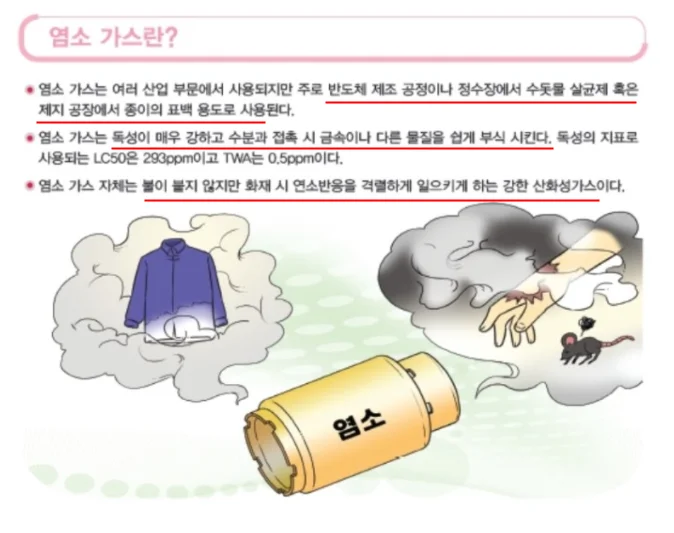
We'd like to introduce a measurement device for one of the toxic gases found in industrial environments and laboratories: chlorine (Cl₂).
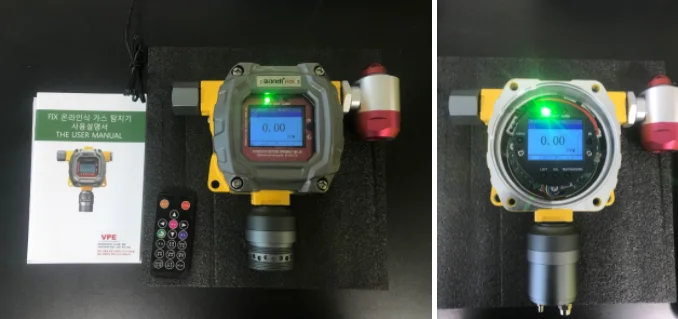
The FIX800 is a fixed-installation model well suited to continuous measurement and monitoring.
Using analog output, RS-485, relay, and a warning light, it is a toxic-gas leak detector that keeps workers safe by triggering a sound and light alarm if a toxic gas leaks.
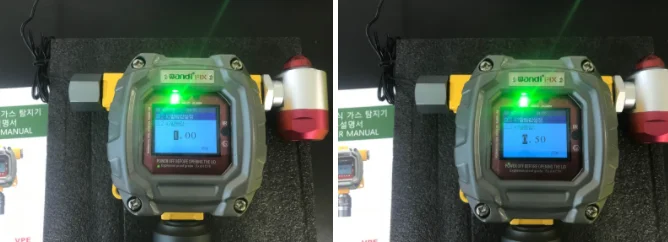
Alarm thresholds can be set directly by the user, and the unit is supplied with default settings pre-configured based on STEL and TWA exposure limits.
> The FIX800 installed-type detector is configured using a wireless remote control. <
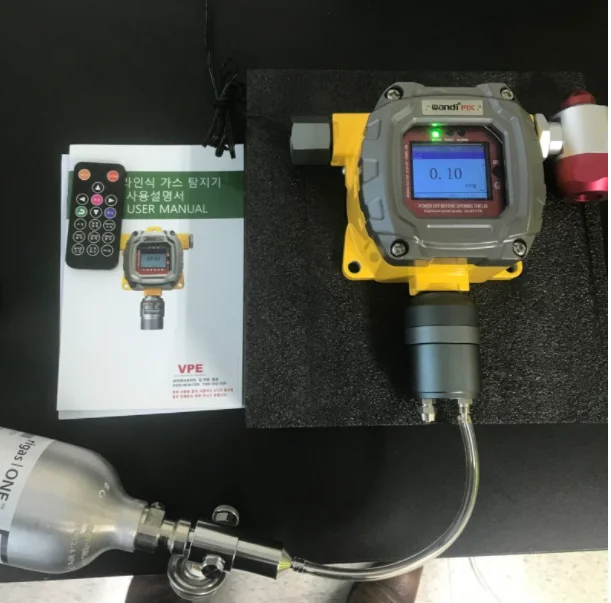
★ Before delivery and installation, every unit is always tested with a standard gas to confirm the detector is functioning correctly. ★
Reactivity and standard-gas testing are essential steps.
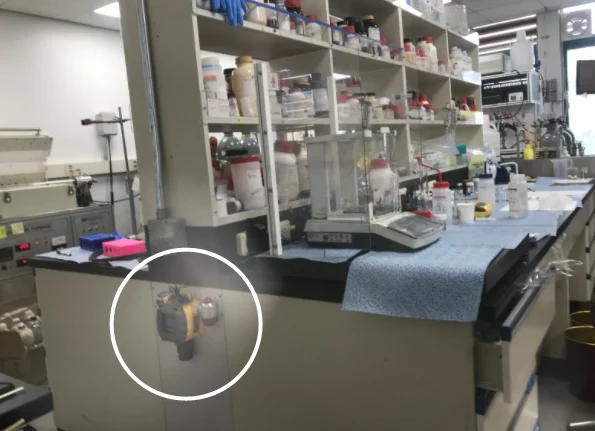
If a toxic gas escapes from an area outside a fume hood, it can be extremely dangerous — which is why toxic-gas leak detection in such areas is essential.
The installation photo above shows the detector installed in a hazardous area; depending on conditions, its position may be relocated for measurement.
We configure and supply installation and monitoring solutions across multiple points, and we're happy to consult on any inquiries related to toxic gases or our products.
Frequently Asked Questions (FAQ)
Q1. How does the FIX800 output its signal?
It uses analog output, RS-485, relay, and a warning light, triggering a sound and light alarm to alert workers if a toxic gas leaks.
Q2. How are alarm threshold values set?
Users can set alarm values directly, and each unit is supplied with default initial settings based on STEL and TWA exposure limits.
Q3. How is the FIX800 installed-type detector configured?
It can be easily configured using a wireless remote control.
Q4. What checks are performed before delivery?
Before delivery and installation, every unit is tested with a standard gas to confirm it is functioning correctly.
Q5. Why is toxic-gas detection needed outside fume hoods as well?
If toxic gas leaks from an area outside a fume hood, it can be extremely dangerous, so a toxic-gas leak detector should also be installed in those areas.
#WANDI #FIX800 #ChlorineDetector #Cl2Monitoring #ToxicGasDetector #LabSafety #IndustrialSafety #GasLeakDetection #GasDetector #GasMonitoring
![[레이먼드] 오,폐수 처리실 유해가스 모니터링](https://wandi.co.kr/storage/construction-cases/YxFUQVBZ8Unnk7pJzzfsmezr6xNe0LZvQRDmt7TL.jpg)
![[브이피이코리아] 종합병원 지하 밀폐공간 가스 측정기 설치_FIX800 & FIX-DS](https://wandi.co.kr/storage/construction-cases/gNOA28xSlEy5uU3AOxyHDRH5UfAe0TpMTgAt4Uag.jpg)

