Why a Fixed H2S Detector Is Essential — The Importance of 24/7 Unmanned Monitoring
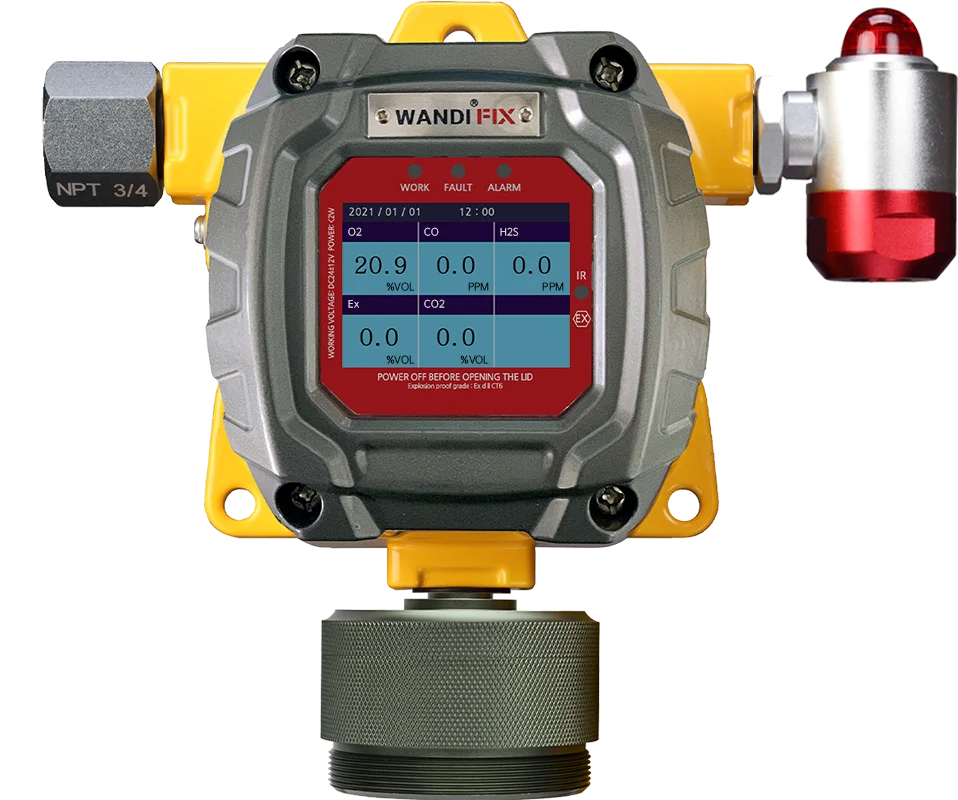
Hydrogen sulfide (H2S) occurs randomly and suddenly in sewage treatment plants, pump rooms, petrochemical processes, and livestock facilities. Gas can leak even at night or on holidays when no workers are present. In these environments, portable detectors alone have limits, and continuous monitoring with fixed gas detectors is essential. The WANDI FIX800 is a fixed-type industrial gas detector that simultaneously senses up to 5 gases including H2S.
💡 Fixed vs. Portable
Portable detectors protect individual workers, while fixed detectors provide facility-wide continuous monitoring. Operating both together is the safest response.
H2S Health Effects — Symptom Table by Concentration
| Concentration (ppm) | Exposure Symptoms | Risk Level |
|---|---|---|
| 0.5–1 | Rotten-egg odor begins to be detectable | ⬜ Safe |
| 2–5 | Headache and nausea with prolonged exposure | 🟡 Caution |
| 10 | Eye, nose, and throat irritation, olfactory fatigue | 🟠 Alert |
| 50–100 | Risk of conjunctivitis, pulmonary edema | 🔴 Dangerous |
| 150–200 | Complete olfactory paralysis | 🔴 Very Dangerous |
| 300–500 | Pulmonary edema, loss of consciousness | ☠️ Life-threatening |
| 700 or above | Respiratory paralysis and death within minutes | ☠️ Immediately fatal |
※ Korean Occupational Safety and Health Act H2S exposure limits: TWA 1 ppm / STEL 5 ppm (Korea MoEL Notice)
Real Incident Cases — H2S Accidents Caused by the Absence of Fixed Detectors
Case 1: Hydrogen Sulfide Leak in a Refinery Pump Room (2018, Ulsan)
At an oil refinery pump room in Ulsan, a worker was found collapsed during a night patrol. A post-incident investigation confirmed that H2S had leaked at a concentration exceeding 100 ppm, but no fixed H2S detector was installed in the area, so no automatic alarm was triggered. (Source: Korea Ministry of Employment and Labor, Serious Accident Investigation Report, 2018)
Case 2: Hydrogen Sulfide Accumulation in an Underground Sewage Pump Room (2022, Busan)
At an underground pump room of a sewage treatment facility in Busan, two workers lost consciousness due to gas accumulation. A fixed H2S detector was present at the facility, but the alarm setpoint had been set too high, delaying the effective alarm and worsening the outcome. (Source: KOSHA Accident Case Database, 2022)

How WANDI FIX800 Prevents H2S Accidents
FIX800 — Fixed Industrial Gas Detector for Simultaneous Detection of Up to 5 Gases
The WANDI FIX800 is a fixed-type gas detector that simultaneously senses up to 5 gases including H2S, EX (combustible), CO, O2, and VOC. It provides 24-hour continuous monitoring, detecting hazards even when no workers are present, and can link alarm signals to a central control room or external systems.
Simultaneous Detection
Continuous Monitoring
Control Room Integration
Prevention Scenario — If FIX800 Had Been in Use
- 1Continuous monitoring: FIX800 installed in the pump room and underground space measures H2S concentration in real time, 24 hours a day.
- 2Automatic alarm: Siren and warning light activate automatically when H2S reaches 10 ppm, prompting workers to evacuate before entry.
- 3Control room integration: 4–20mA analog output and relay signals connect to the central control room's DCS/SCADA, enabling remote monitoring.
- 4Automatic ventilation interlock: The alarm signal is linked to ventilation fans, triggering forced ventilation immediately as gas concentration rises.
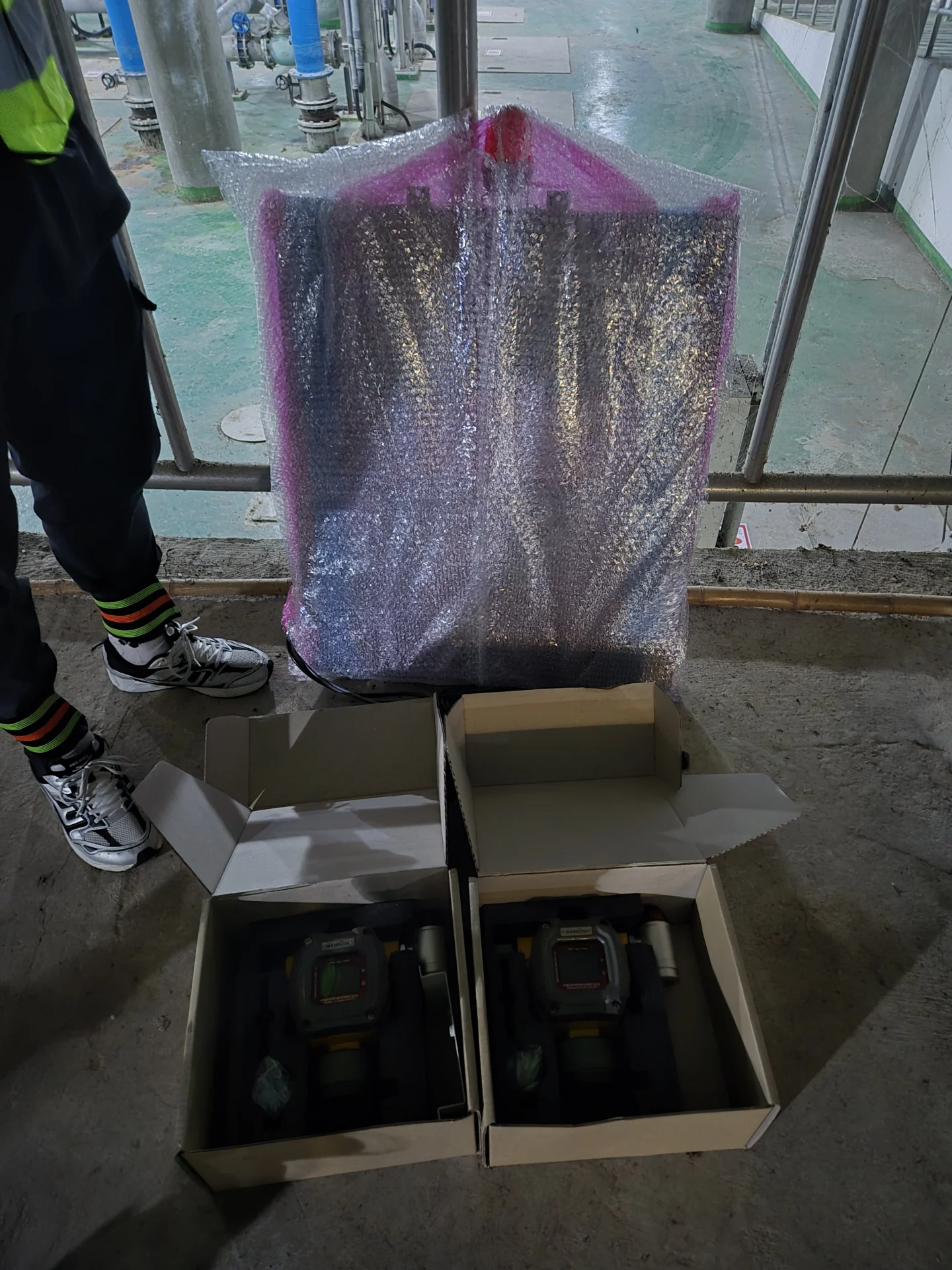
Actual Installation Case — Fixed H2S Monitoring in a Power Plant Pump Room
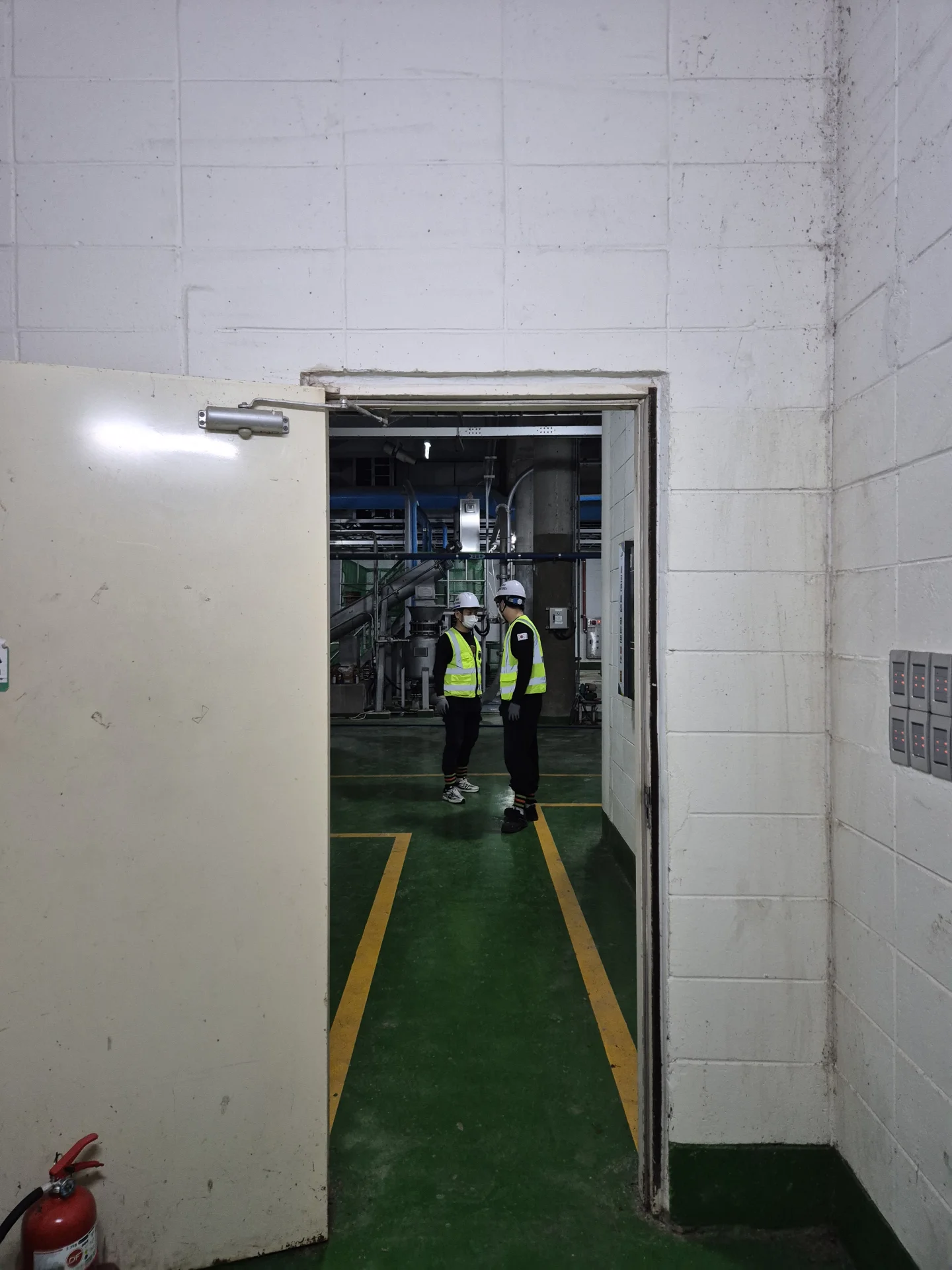
Confined Space Fixed H2S Detection Site (Pohang)
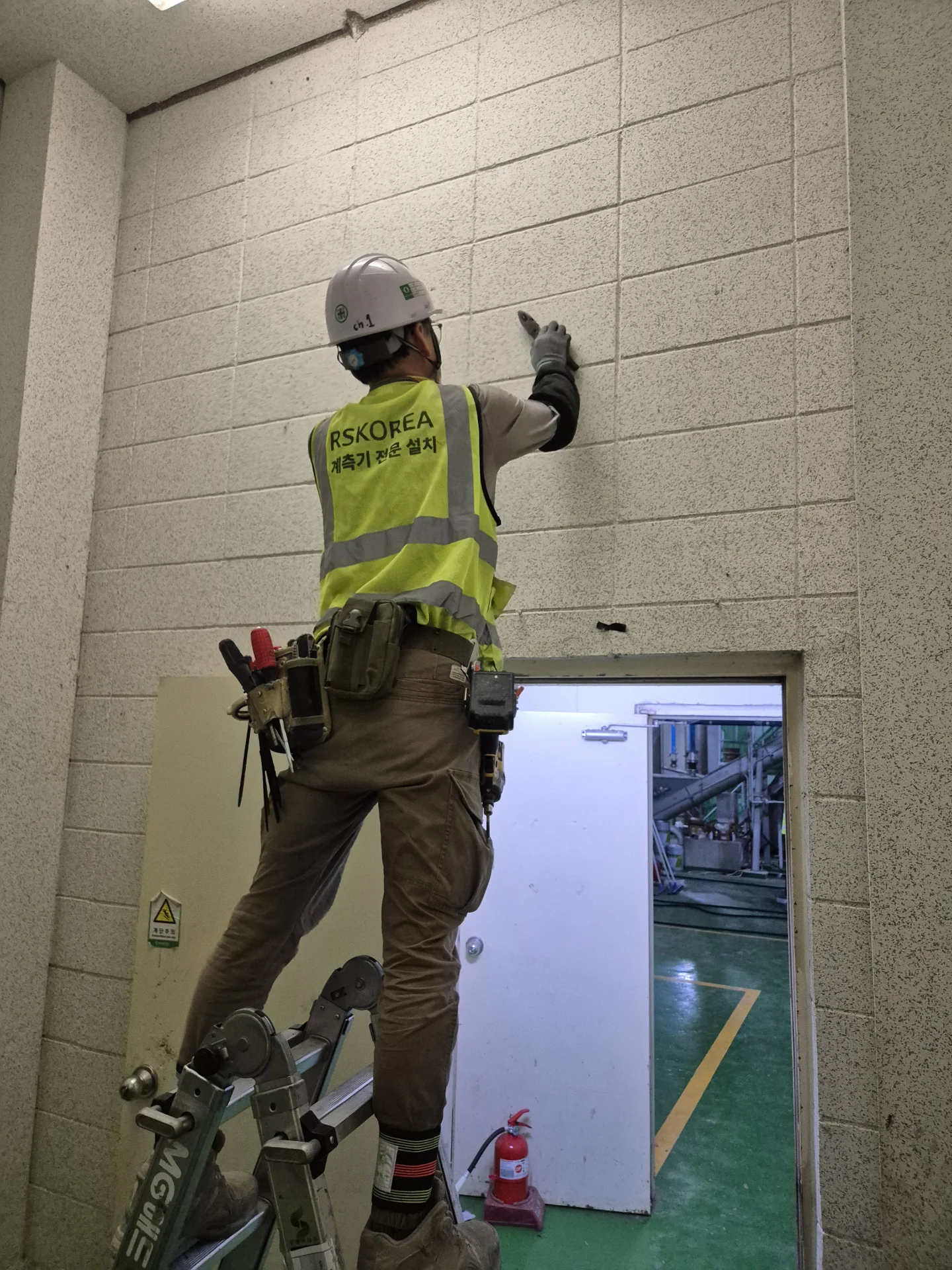
FIX800 Specifications (H2S Detection)
| Item | Specification |
|---|---|
| Model | FIX800 |
| Detection Type | Fixed installation |
| Detectable Gases | H2S, EX (combustible), CO, O2, VOC — up to 5 gases simultaneously |
| H2S Measurement Range | 0–100 ppm |
| Output Signal | 4–20mA analog / relay contact output |
| Alarm Setting | Independently configurable Stage 1 / Stage 2 |
| Power Supply | DC 24V |
| Ingress Protection | IP65 or above |
A Closer Look at the WANDI FIX800 Product and Installation
Below are real photos of the WANDI FIX800 fixed multi-gas detector.