Phosgene (COCl₂) — A WWI Chemical Weapon Still Used in Factories Today
Phosgene (COCl₂, carbonyl chloride) gained infamy as a chemical weapon in World War I. Today it is a critical industrial feedstock for polycarbonates, polyurethanes, agrochemicals, and pharmaceuticals, with global annual production running into millions of tonnes. The danger: phosgene smells faintly of freshly cut hay — meaning workers can already be exposed to many times the permissible limit before any odor is perceived. Korea's TWA limit is just 0.1 ppm.
💡 Key Point
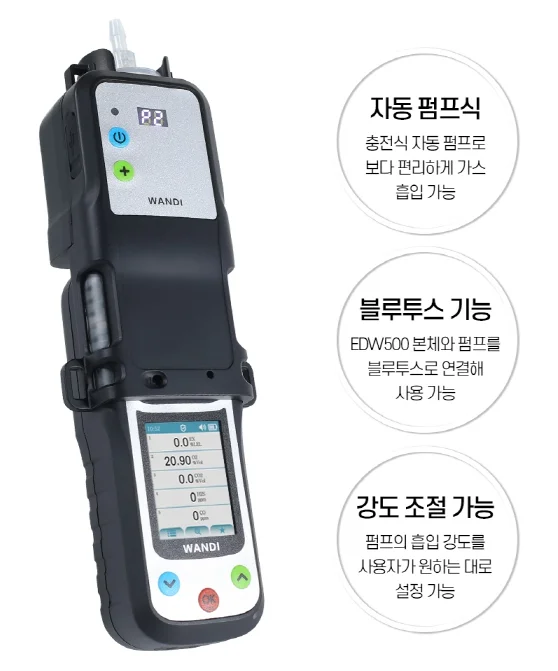
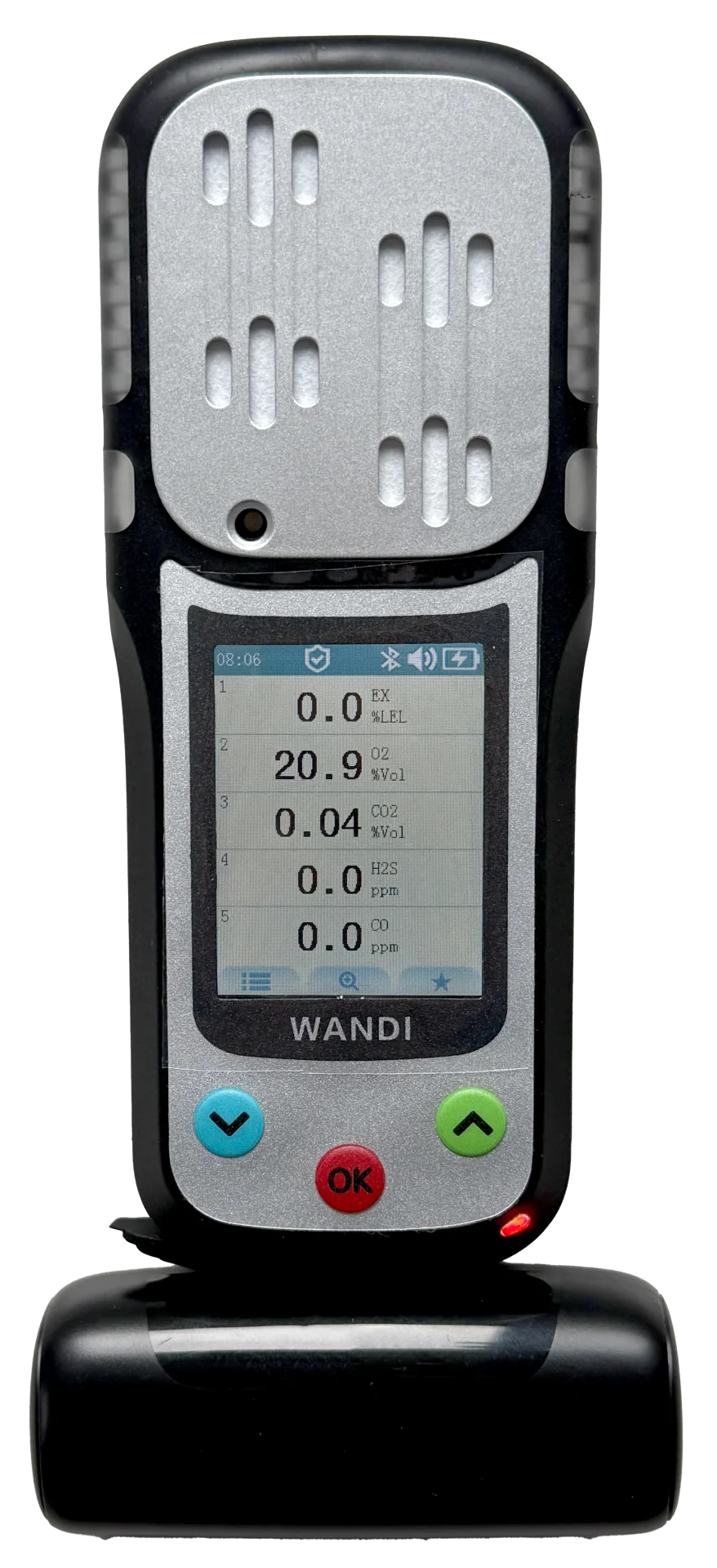
Phosgene cannot be reliably detected by smell at its permissible limit. The WANDI EDW500 — IECEx explosion-proof certified, 5-gas simultaneous detection — is essential before any work in phosgene-handling areas.
Health Effects of Phosgene Exposure

| Concentration (ppm) | Duration | Health Effects |
|---|---|---|
| 0.1 | 8 h TWA | Korean legal limit — onset of eye and throat irritation |
| 0.5–1 | Short-term | Coughing, tearing, chest tightness |
| 2 (STEL) | 15 min | Short-term exposure limit — severe respiratory irritation |
| 2–5 | Delayed (1–4 h) | Delayed pulmonary edema — potentially fatal |
| 25 (IDLH) | Immediately | Immediately life-threatening |
Sources: NIOSH Pocket Guide to Chemical Hazards (CDC/NIOSH); Korean MoEL Chemical Exposure Standards
Real-World Accident Cases
1984 Bhopal Disaster — Phosgene-Related Precursor
The release of methyl isocyanate (MIC, a phosgene-derived intermediate) at a Union Carbide plant in Bhopal, India, killed approximately 4,000 people immediately and permanently injured hundreds of thousands — the worst industrial disaster in history. Failure of gas detection systems and non-adherence to safety procedures were primary causes. (Source: Union Carbide Corporation Accident Investigation Report, 1985)
Prevention Scenario with WANDI EDW500
- 1Alert before smell: EDW500 triggers alarm when phosgene exceeds 0.1 ppm — well before odor perception
- 2Prevents delayed toxicity: Evacuation before exposure prevents pulmonary edema hours later
- 3IECEx explosion-proof: Safe use in explosive chemical process atmospheres
- 4Cloud evidence: Stored exposure data supports industrial accident claims and legal proceedings
WANDI EDW500 — IECEx Certified 5-Gas Portable Detector
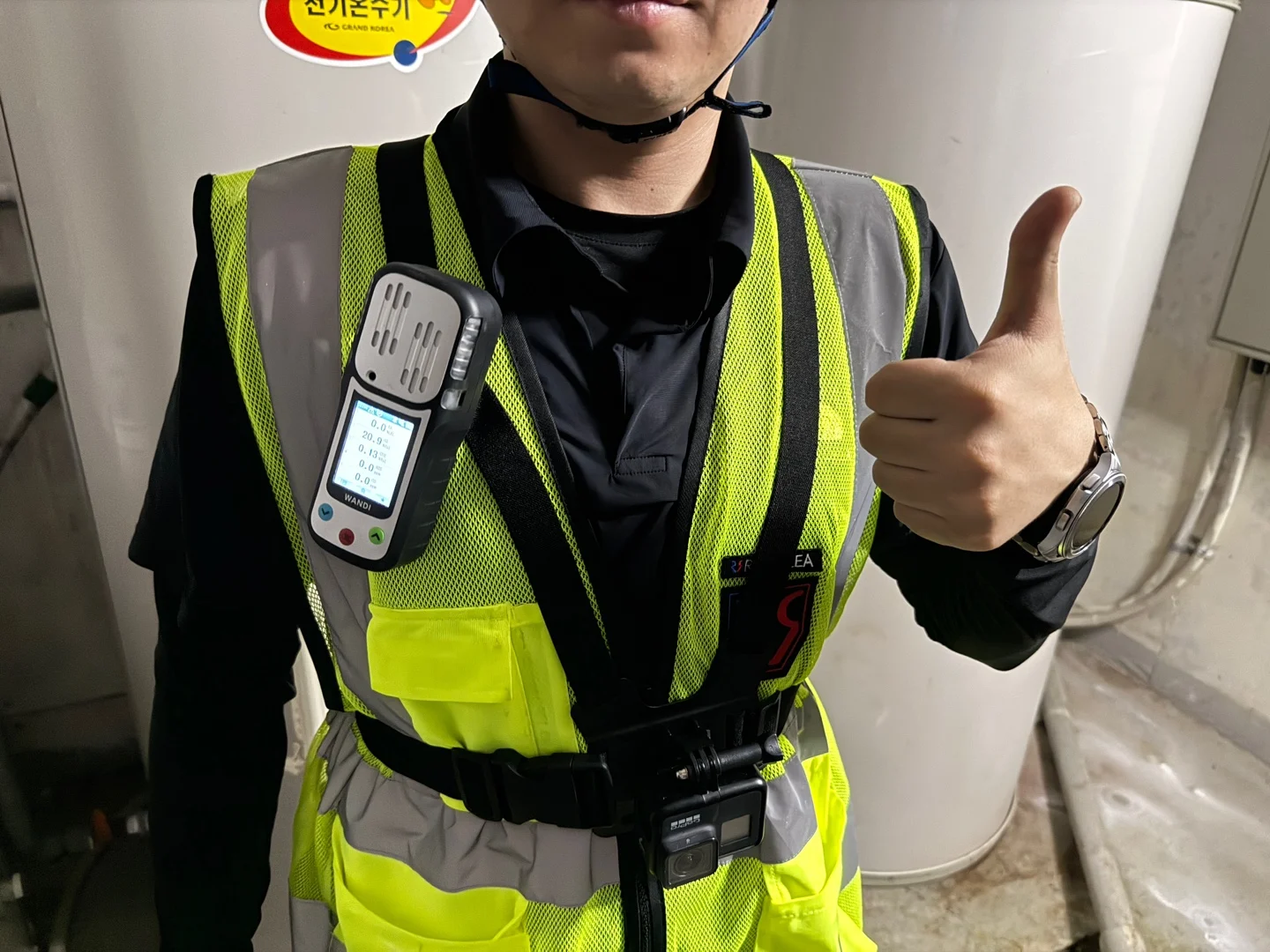
WANDI EDW500 holds IECEx TPS 25.0057X certification and simultaneously detects up to 5 gases including phosgene. A single device covers COCl₂, O₂, CO, H₂S, and LEL, with LTE/Wi-Fi cloud connectivity for remote monitoring — essential for the complex hazard profiles of chemical processing facilities.
A Closer Look at the WANDI EDW500
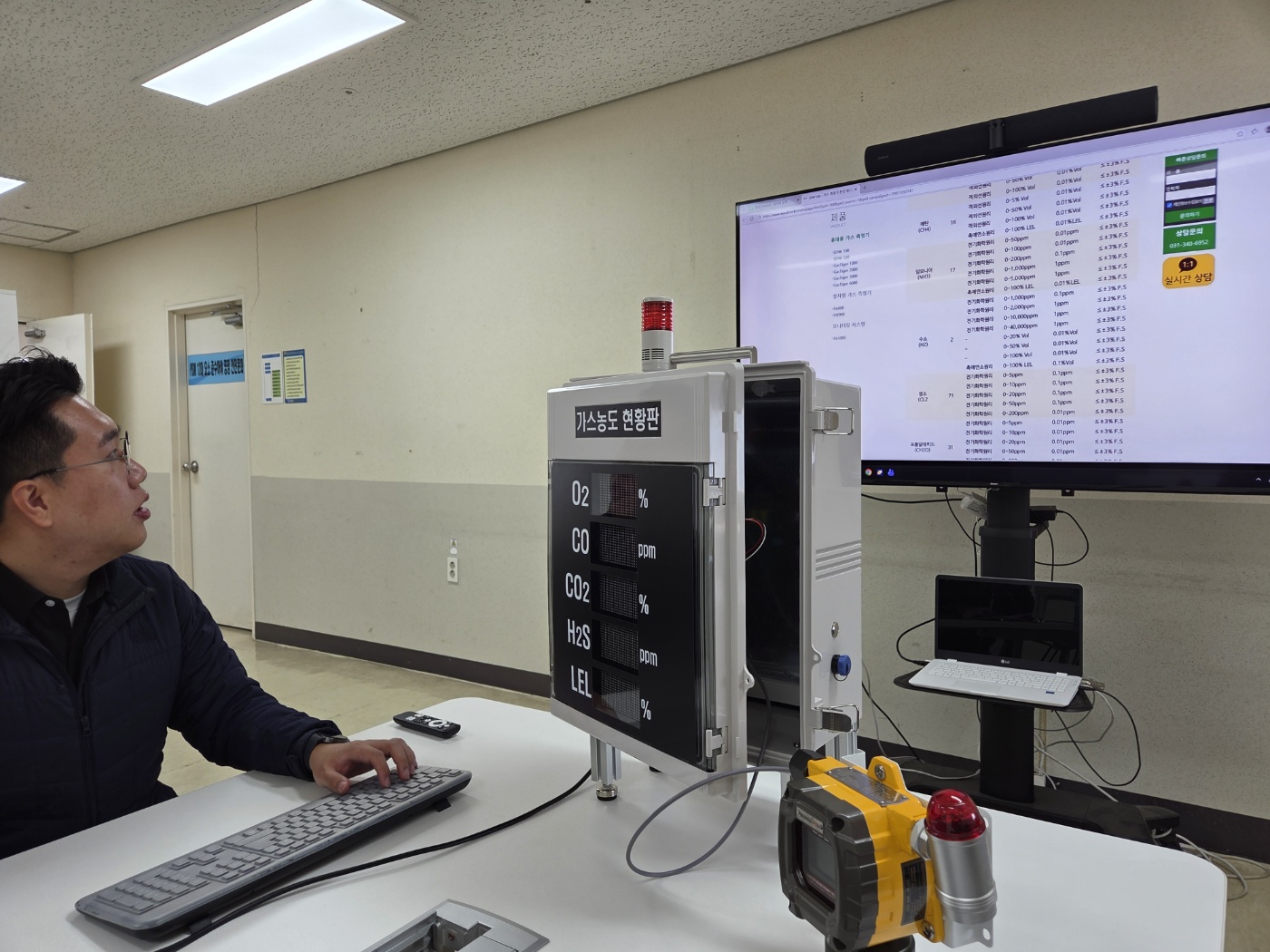
Below are real photos of the WANDI EDW500 portable multi-gas detector and its use on site.