Home
/
Resources
/
Phosphine (PH3) Fixed Gas Detector FIX800 — Safety Solution for Grain Warehouses, Silos and Port Fumigation
Phosphine (PH3) Fixed Detection — Why FIX800 Is Essential for Grain Warehouses and Ports
Phosphine (PH₃) is the most widely used fumigant gas for grain storage pest control. During or immediately after fumigation, PH₃ concentrations can reach dangerous levels in and around storage facilities. Fixed 24-hour monitoring with FIX800 is essential to detect external gas migration and protect workers and neighboring areas.
PH3 Health Effects Table

| Concentration (ppm) | Duration | Health Effects |
|---|---|---|
| 0.3 ppm | 8 hr TWA | Korean OSHA limit |
| 2–4 ppm | Short | Headache, nausea, chest pain |
| 50 ppm | 30–60 min | Pulmonary edema, cardiac arrest |
| 400 ppm | Immediately | IDLH — fatal |
Real PH3 Accident Cases
🇺🇸 USA — Goodyear Family Deaths from Phosphine (2015)

In Goodyear, Arizona, a family of three died after phosphine gas from a nearby food storage facility fumigation leaked into their home's basement. Poor facility sealing and lack of external leak monitoring were identified as key causes. (Source: U.S. EPA Enforcement Case, 2015 / Associated Press)
How FIX800 Could Have Prevented It
- 1External leak monitoring: FIX800 installed outside the warehouse immediately detects PH₃ migration during fumigation.
- 2Safe re-entry confirmation: FIX800 monitors PH₃ concentration decline to automatically confirm when safe re-entry is possible.
- 35-gas monitoring: Simultaneously tracks PH₃ + O₂ + EX + CO + H₂S for comprehensive hazard coverage.
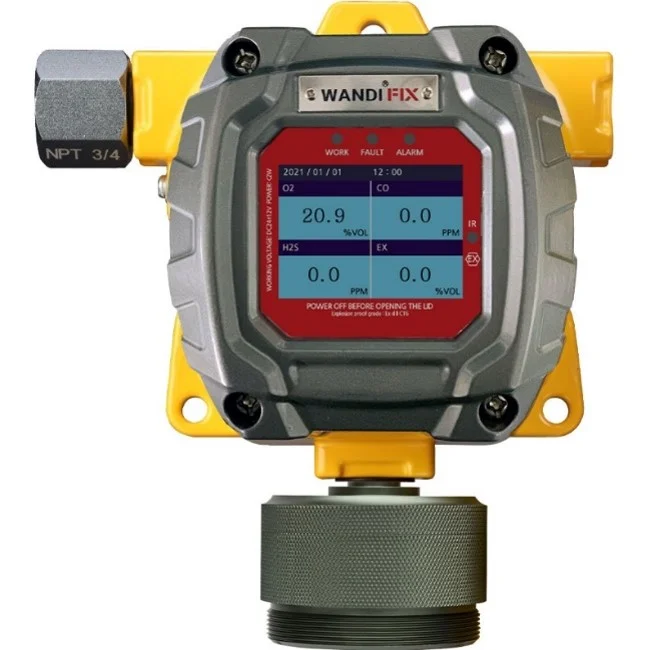
WANDI FIX800 — 5-Gas Fixed Phosphine Detector
| Specification | FIX800 (PH₃ configuration) |
|---|---|
| Gas detection | PH₃, O₂, EX, CO, H₂S — up to 5 simultaneously |
| Operation | Fixed / 24-hour continuous monitoring |
| Alarm output | Audible + visual + relay output |
| Display | FIX-DS LED panel compatible |
A Closer Look at the WANDI FIX800
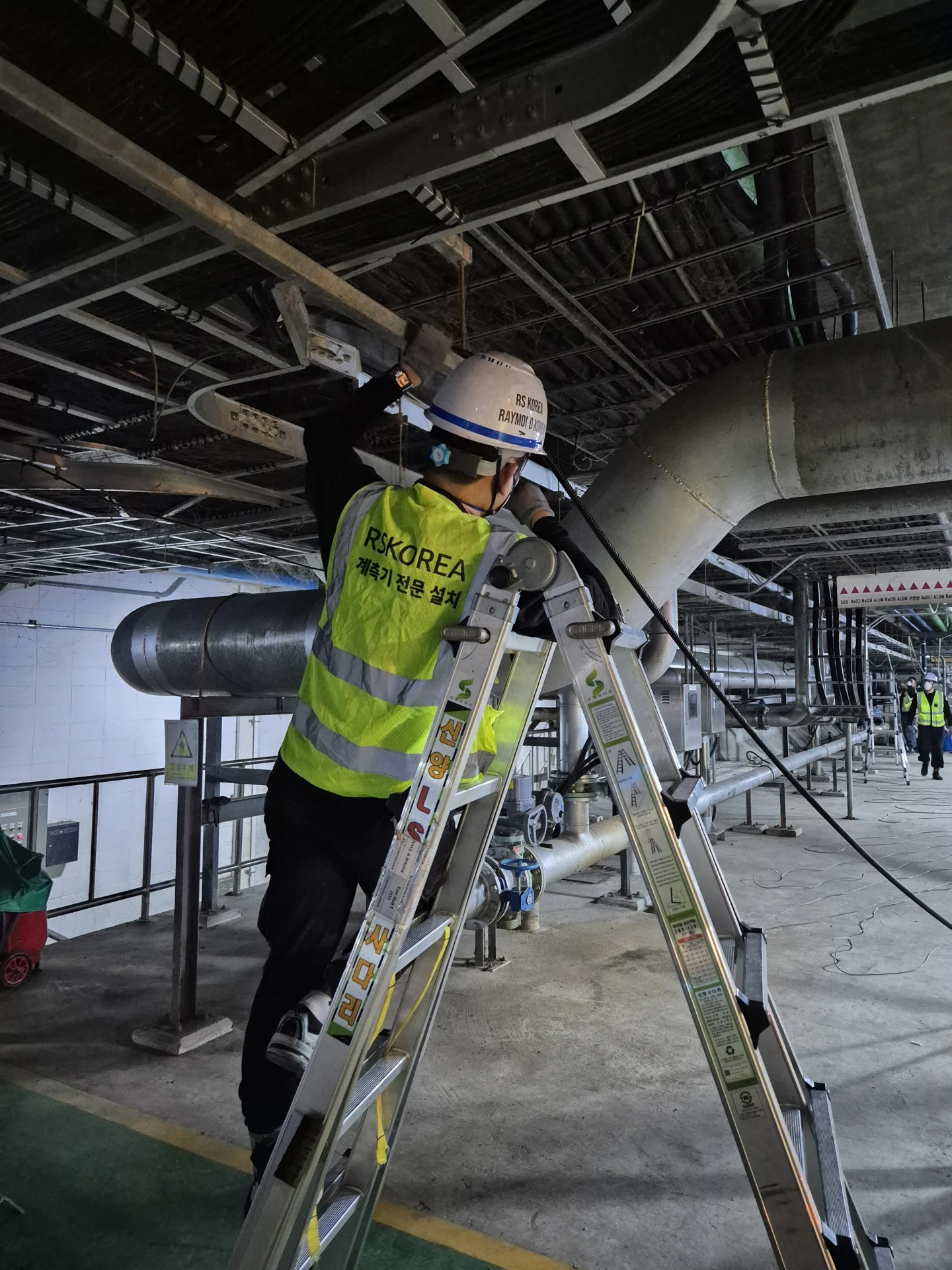
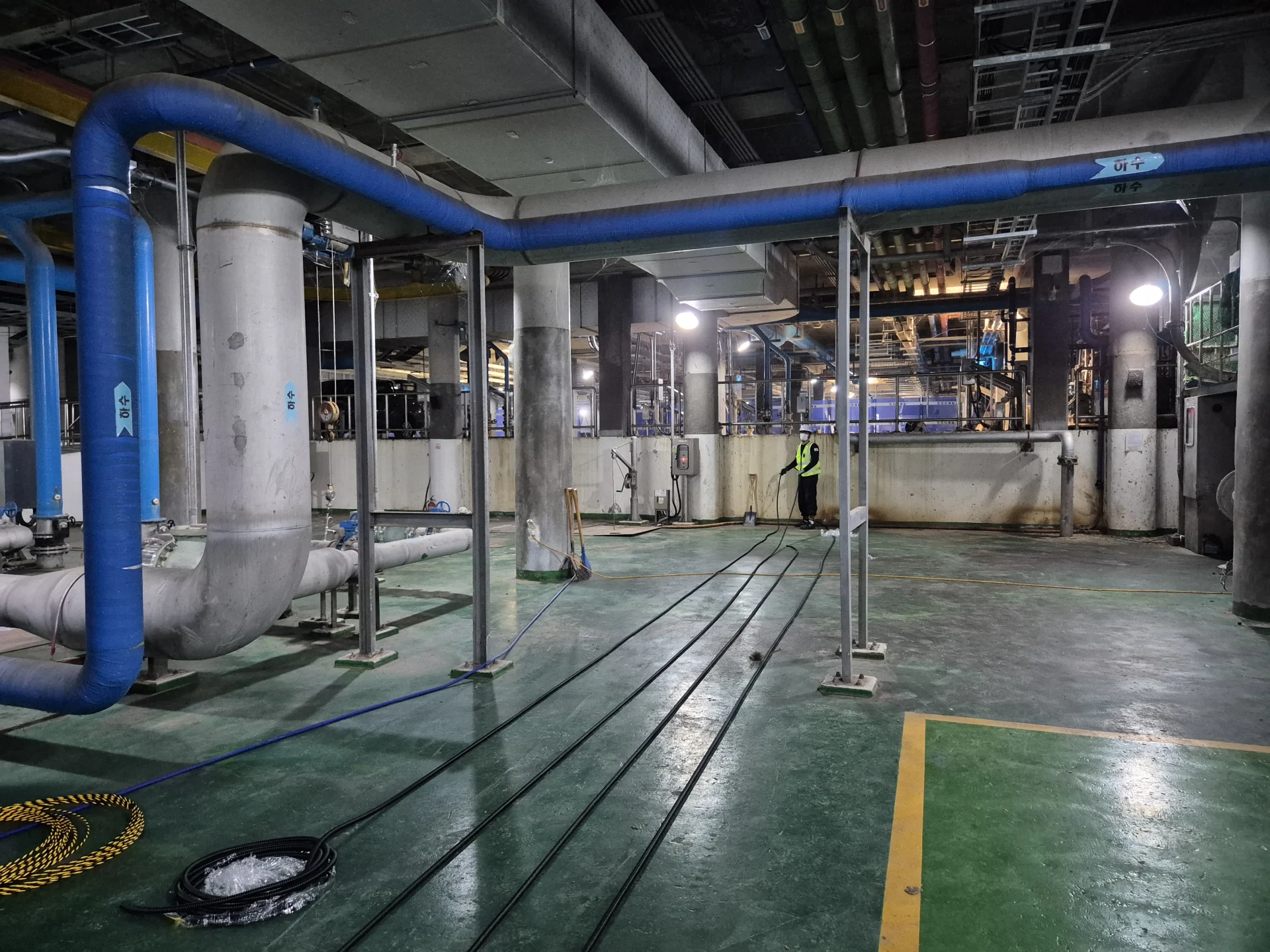
Below are real photos of the WANDI FIX800 fixed multi-gas detector.
FAQ
Phosphine (PH₃) is the most widely used fumigant gas for grain storage pest control. During or immediately after fumigation, PH₃ concentrations can reach dangerous levels in and around storage facilit...
사일로·곡물 창고는 포스핀 훈증으로 인한 가스 누출 위험이 항시 존재 (출처: Unsplash / Timon Reinhard) Concentration (ppm)DurationHealth Effects 0.3 ppm8 hr TWAKorean OSHA limit 2–4 ppmShortHeadache, na...
🇺🇸 USA — Goodyear Family Deaths from Phosphine (2015) 곡물·농산물 저장 시설에서 FIX800으로 포스핀 상시 모니터링 구현 (출처: Unsplash / Cyrus Crossan) In Goodyear, Arizona, a family of three died after...
1External leak monitoring: FIX800 installed outside the warehouse immediately detects PH₃ migration during fumigation. 2Safe re-entry confirmation: FIX800 monitors PH₃ concentration decline to automat...
SpecificationFIX800 (PH₃ configuration) Gas detectionPH₃, O₂, EX, CO, H₂S — up to 5 simultaneously OperationFixed / 24-hour continuous monitoring Alarm outputAudible + visual + relay output DisplayFIX...
Below are real photos of the WANDI FIX800 fixed multi-gas detector.WANDI FIX800 fixed multi-gas detectorFIX800 installation site — building a 24/7 monitoring system
Save this article
#phosphine
#FIX800
#fixed gas detector
#fumigation safety
#grain silo gas monitoring