Applied Markets
Installed Gases
Project Details
Hello, this is RS Korea.
Our previous post, "Back to Jeju Again — Part 1," covered the installation at a septic tank room. Please see the earlier post for that installation: FIX800 4-Gas Fixed-Type Detector and Display Board Installation at a Septic Tank Room, Public Institution, Jeju.
Today's post covers the installation of WANDI's FIX800 fixed-type gas detector and a display board at the fire-suppressant agent storage room of a public institution in Jeju.
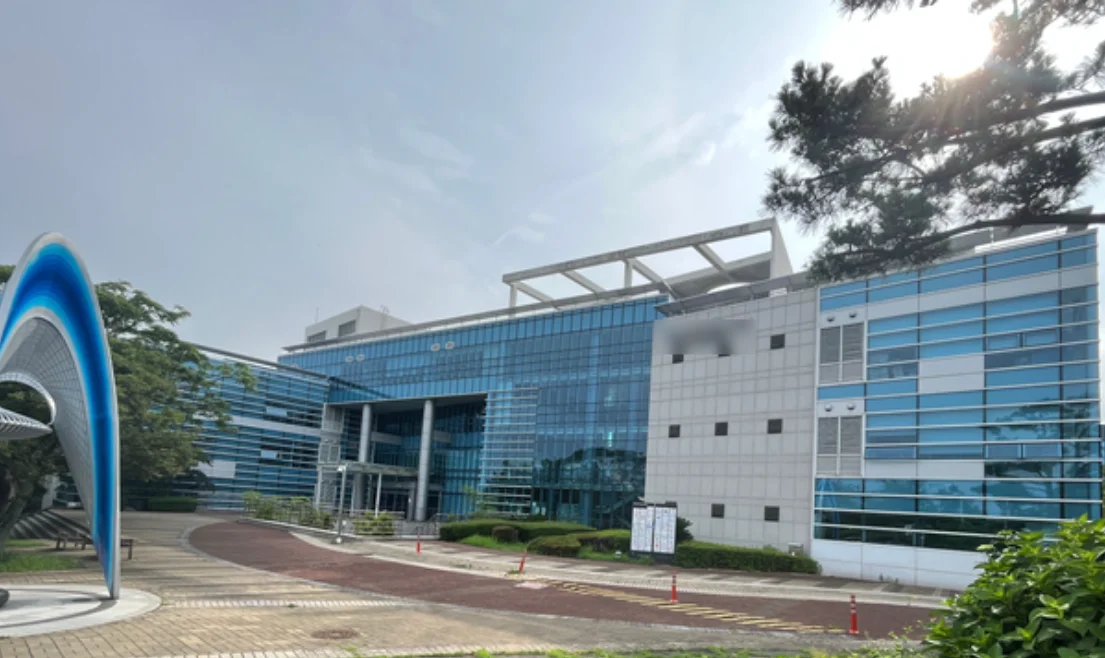
This project covers three buildings in total. Each building has three installation points, planned for the septic tank room, the fire-suppressant agent room, the sewage pump room, and the pit room.
Product
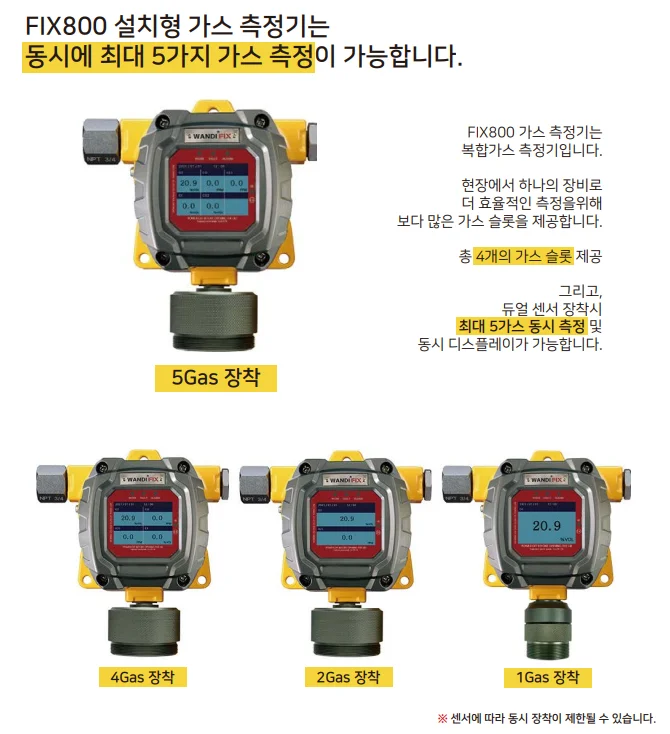
This is WANDI's fixed-type gas detector, the FIX800. It supports simultaneous measurement and display. To make on-site measurement more efficient with a single device, it offers a larger number of gas slots — four gas slots in total, expandable to up to five gases when dual sensors are installed.
Fire-Suppressant Agent Room
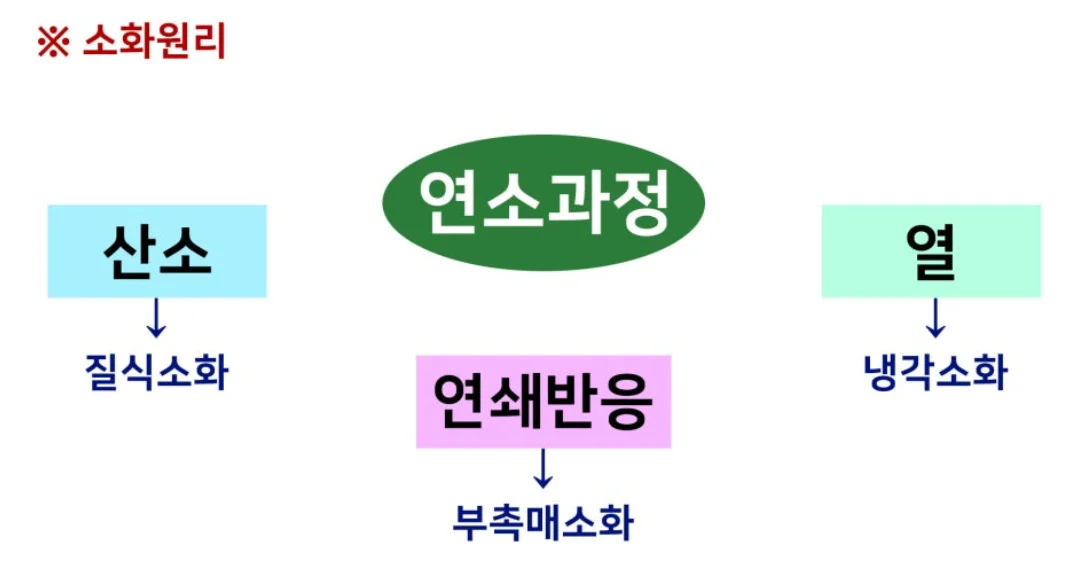
There are three basic principles of fire suppression: asphyxiant suppression (cutting off oxygen), cooling suppression (removing heat), and inhibition suppression (interrupting the chain reaction).
The fire-suppressant agent room is where cylinders containing CO2 fire-suppressant agent are stored. CO2 fire-suppression systems work on the asphyxiant-suppression principle of cutting off oxygen.
Under Korea's Fire Safety Standard for CO2 Fire-Suppression Systems (NFSC 106), Article 4 (Storage Containers for Fire-Suppressant Agent), CO2 fire-suppressant storage containers must be installed in a location outside the protected zone. (An amended version of this regulation, effective from August 13, 2019, is available for reference: Fire Safety Standard for CO2 Fire-Suppression Systems, NFSC 106, National Fire Agency Notice No. 2019-46.)
In other words, CO2 fire-suppressant storage containers may not be placed just anywhere — regulations require a dedicated storage room for their protection.
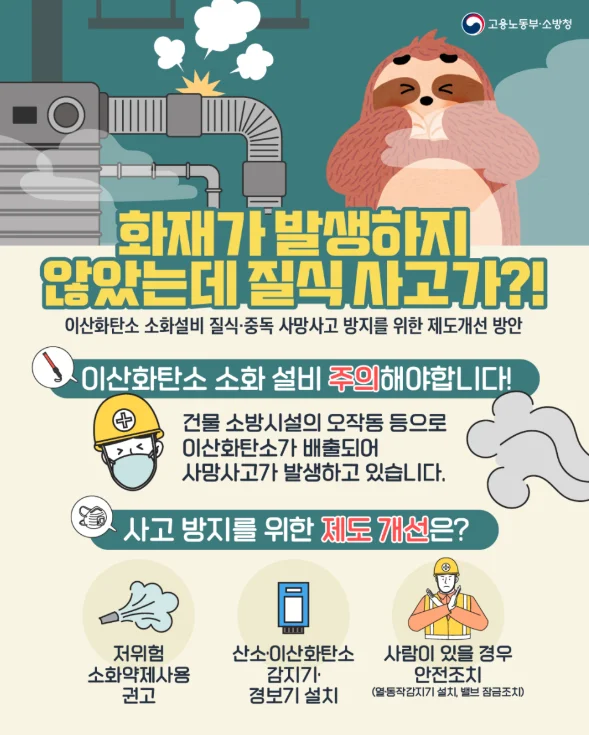
In addition, any space equipped with a CO2 fire-suppression system requires a gas detector to be installed, with readings continuously monitored, in order to prevent asphyxiation, poisoning, and fatal accidents — because even a leak alone can cause a fatal asphyxiation accident.
Installation Points
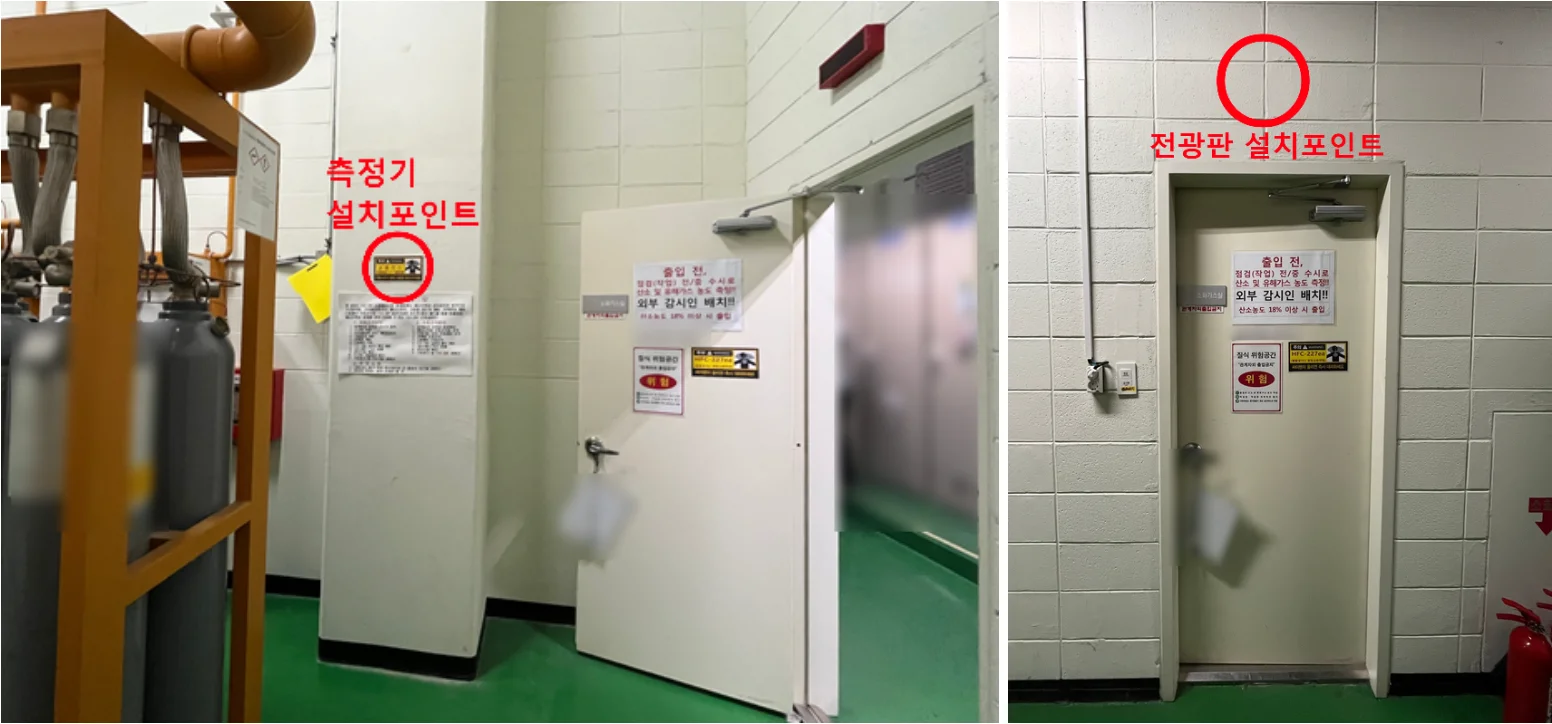
There are two installation points in this phase, since the fire-suppressant agent room exists only in Buildings A and B. The FIX800 was positioned near the storage containers inside the fire-suppressant agent room, and the gas status display board was positioned at the top center of the exterior entrance door.
Installation
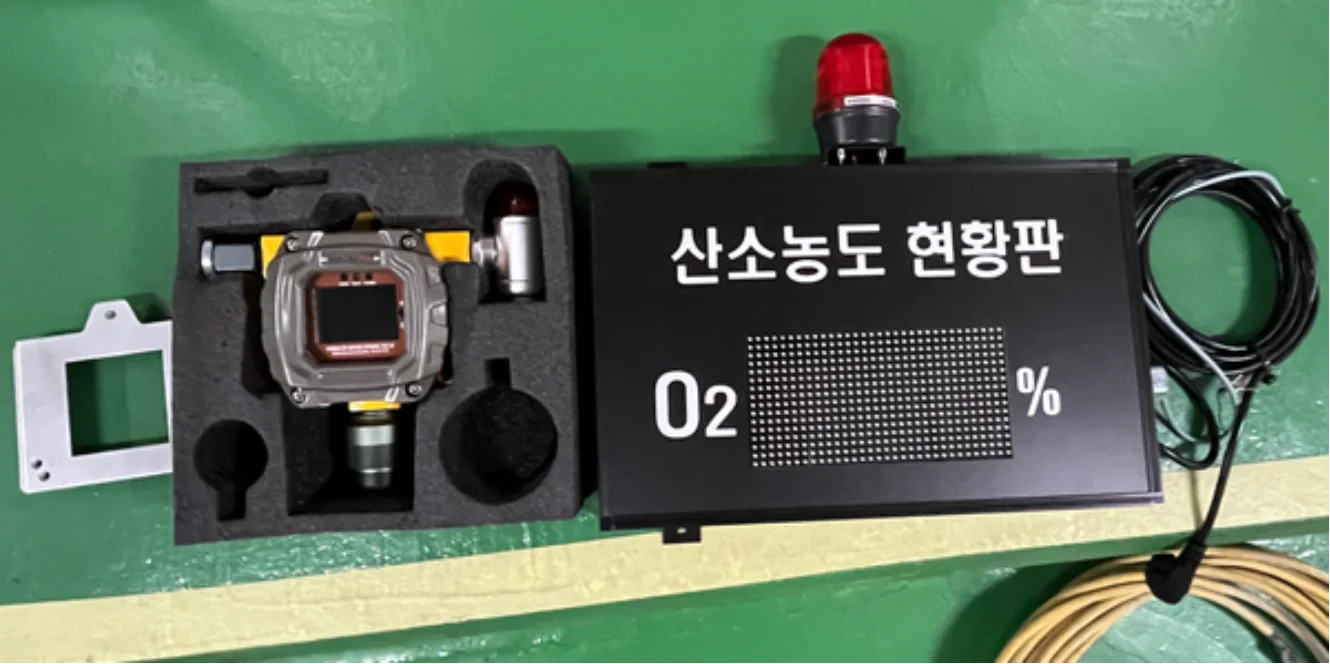
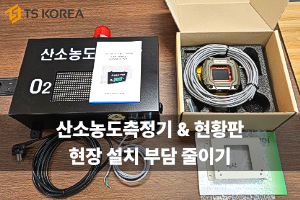
Here is the installation equipment: the fixed-type FIX800 gas detector with an O2 sensor rated for 0–30%, suited for the safety range needed in the fire-suppressant agent room, along with the display board.
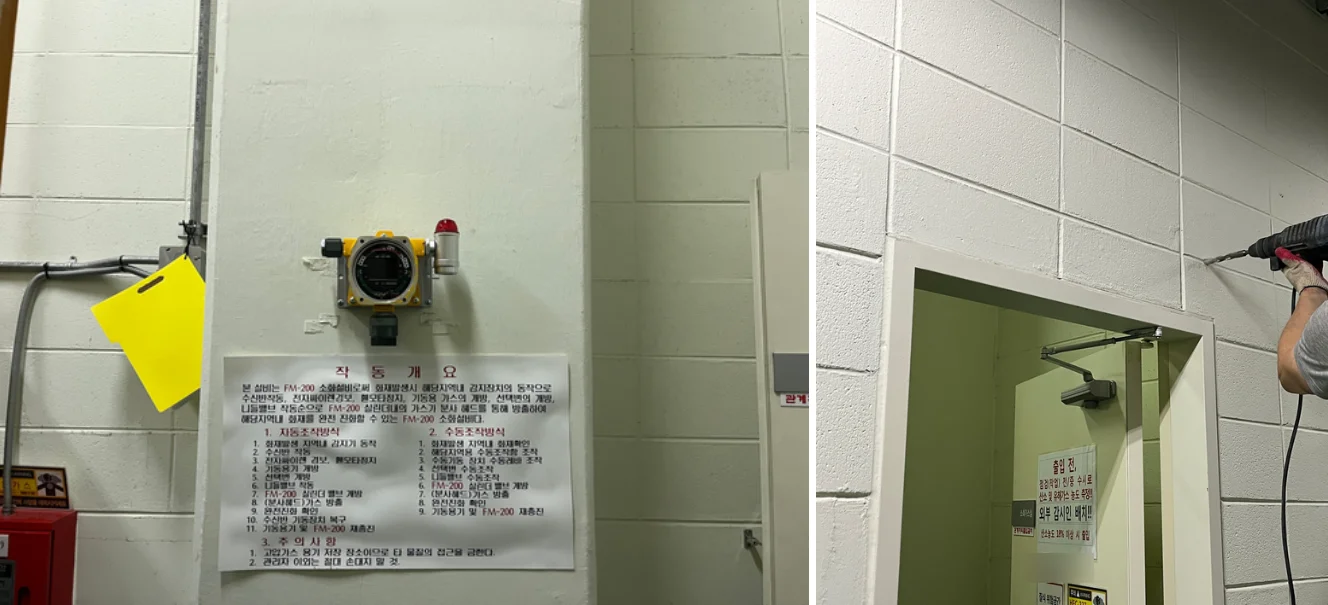
The detector is being installed at the point inside the fire-suppressant agent room. Drilling was carried out for the connection to the exterior display board. Since the wall was built of brick, which can crack under strong pressure, the work was carried out carefully.
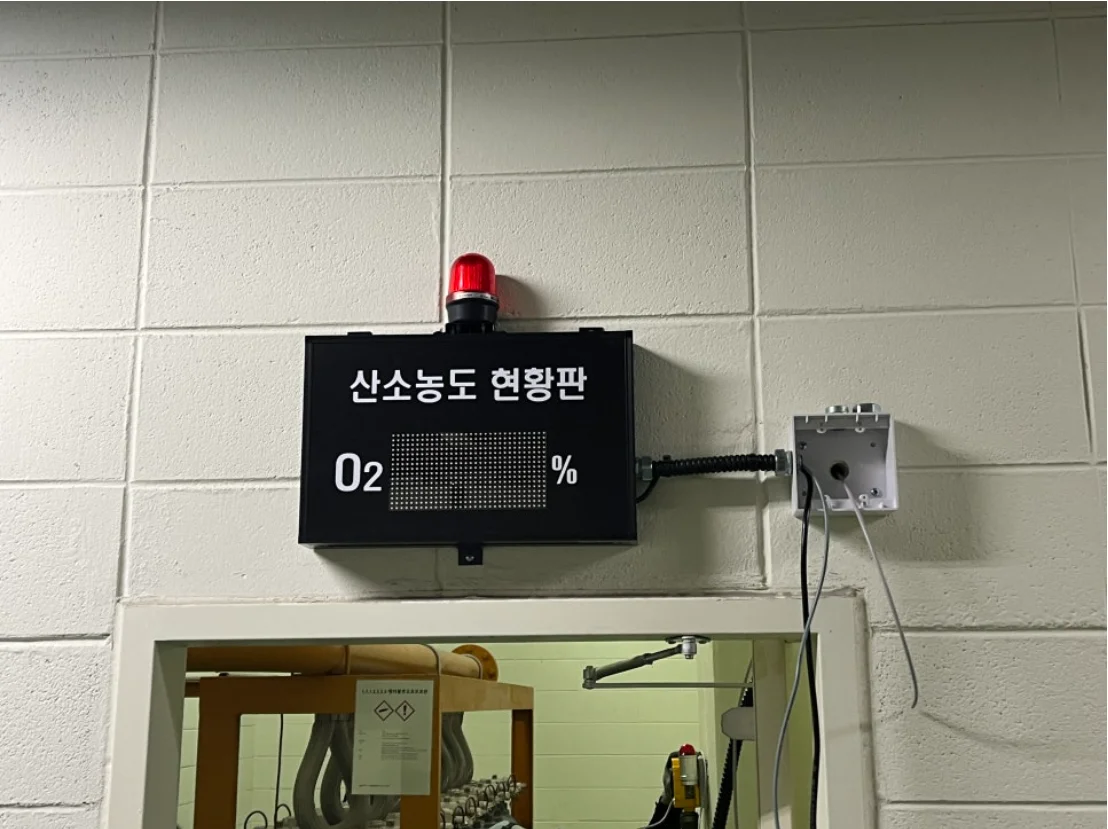
Power lines from the detector and the display board are organized through a junction box.
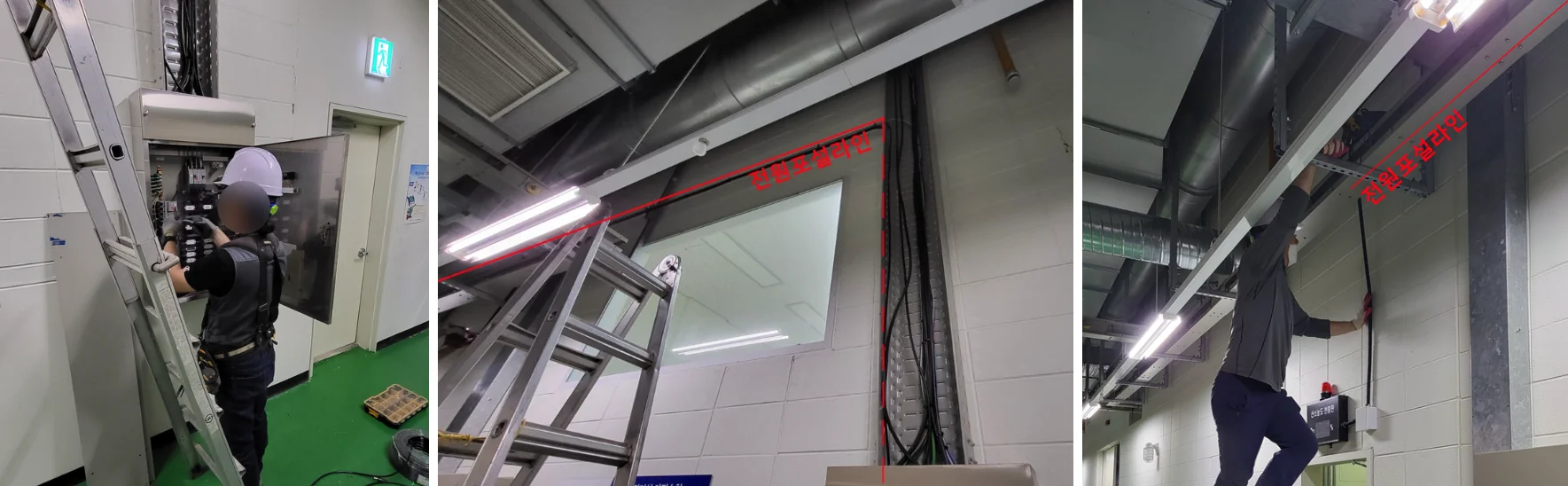
Although a 220V outlet was available near the display board installation point, power was instead supplied from the distribution panel at the client's request. The display board and the distribution panel were close together, but the high ceiling meant the elevated work and power connection took some additional time.
Installation Completed
Building A
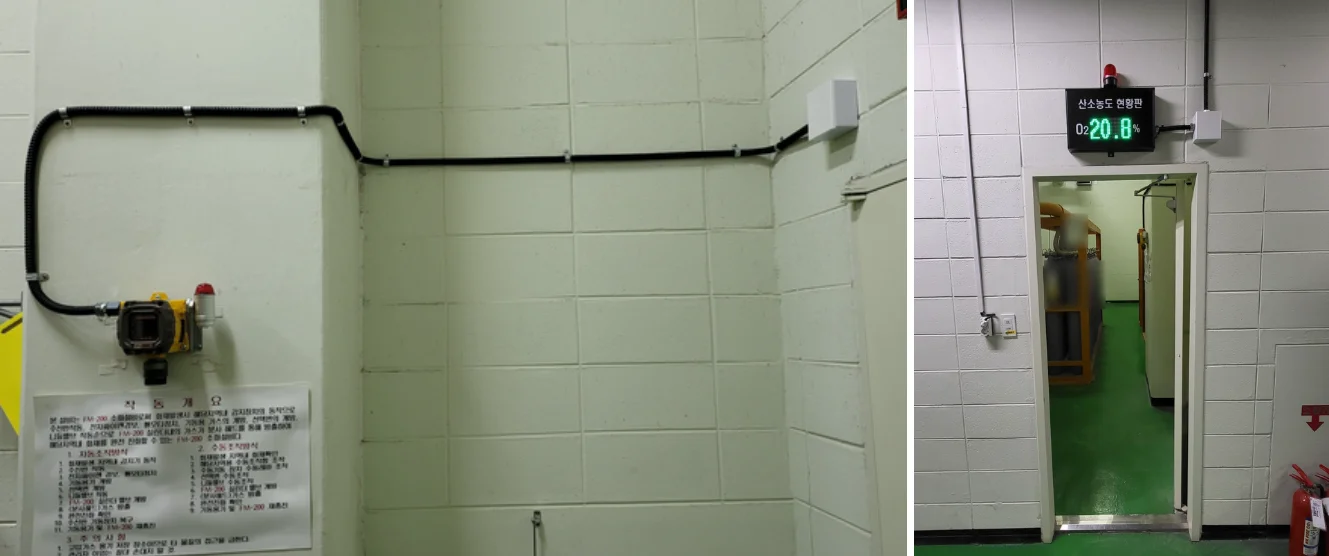
Building B
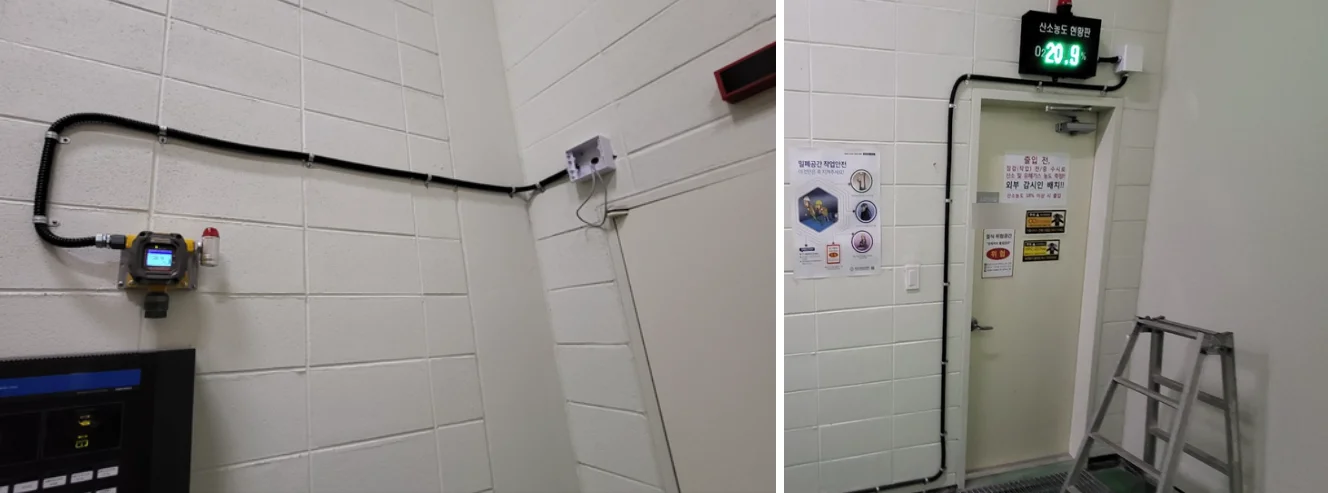
Installation of the FIX800 O2 (0–30%) detector and the gas status display board is now complete in the fire-suppressant agent storage rooms of both buildings.
The fixed-type FIX800 gas detector can be powered via DC24V, enabling continuous 24-hour measurement. Once power is applied to the display board, the detector operates simultaneously, allowing the measured values to be checked in real time.
RS Korea operates an official Korean branch. Beyond simple product sales, we are a gas-specialized company offering in-house calibration, domestic after-sales service, and fabrication and shipping. Drawing on our experience delivering and installing equipment across a wide range of environments, we configure 1:1 customized systems — including moisture and high-temperature pre-treatment units (gas sampling systems) — to match each measurement environment.
Today's summary
Location: Jeju-do
Environment: Fire-suppressant agent room inside a building
Product: WANDI FIX800, gas/range: O2 (Oxygen) 0–30%
Notes: 4 people, 6 hours; 2 of the 9 total installation points (fire-suppressant agent rooms) completed in this phase; brick walls drilled carefully to avoid cracking; power supplied from the distribution panel; elevated work required for cabling; waterproof corrugated conduit used for cable runs.
If you have any questions about gas detector installation or other environmental monitoring instruments, please feel free to reach out to our team. We'll be back with "Back to Jeju Again — Part 3."
Frequently Asked Questions (FAQ)
Q1. Why is a gas detector required in a CO2 fire-suppressant agent storage room?
Because CO2 fire suppression works by displacing oxygen (asphyxiant suppression), a leak from the storage containers can quickly lower oxygen levels in the room and create an asphyxiation risk, so continuous monitoring is required.
Q2. What does Korea's NFSC 106 fire safety standard require for CO2 suppressant storage?
Under Article 4 of NFSC 106, CO2 fire-suppressant storage containers must be kept in a dedicated storage room located outside the protected zone, not placed arbitrarily within it.
Q3. What measurement range does the FIX800 O2 sensor used here support?
The units installed in this project measure oxygen concentration from 0–30%, matched to the safety monitoring range required for this application.
Q4. Why was power supplied from the distribution panel instead of the nearby outlet?
Although a 220V outlet was available closer to the display board, the client requested that power be drawn from the distribution panel instead, which required additional elevated work due to the high ceiling.
Q5. Can the FIX800 operate continuously?
Yes. The fixed-type FIX800 can be powered via DC24V, allowing uninterrupted 24-hour operation, and it starts measuring as soon as power is applied to the connected display board.
#WANDI #FIX800 #FireSuppressantRoom #CO2FireSuppression #OxygenDetector #GasDetectorInstallation #FixedGasDetector #DisplayBoard #ConfinedSpaceSafety #JejuInstallation