Installed Gases
Project Details
Tunnel construction where wireless signals don't reach...
Hello. This is our team.
During subway or tunnel construction, underground tunnels are classified as confined spaces.
In the early stages of construction, tunnels typically have no communication signal, so building out a hazardous-gas detection system for rapid emergency response is essential.
Here's roughly how the system works:
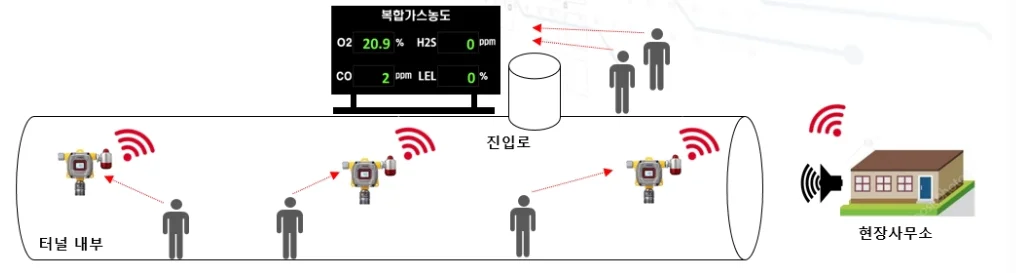
1. Gases generated during blasting or welding are detected inside the tunnel.
2. The concentration values are sent by wire to a wireless AP transceiver.
3. The received values are then sent from the wireless AP to a server, enabling remote monitoring from a personal phone or PC.
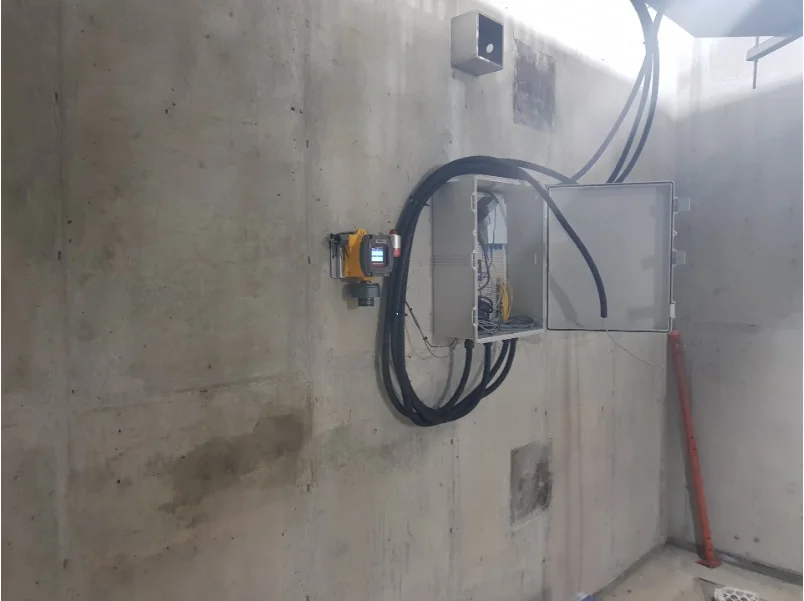
Once installed this way, the gas detector only needs a power supply and about two communication wires connected to the router to operate.
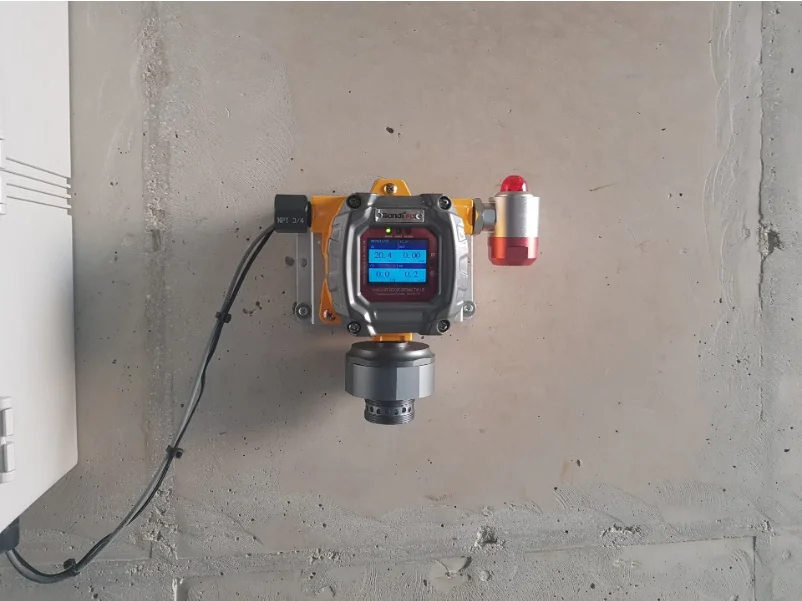
This way, the 4 essential gases inside the tunnel — O2, CO, H2S, and LEL — are detected in real time, and concentration values are transmitted remotely. Of course, on site, the detector itself also triggers a sound and light alarm if an abnormal concentration is detected.
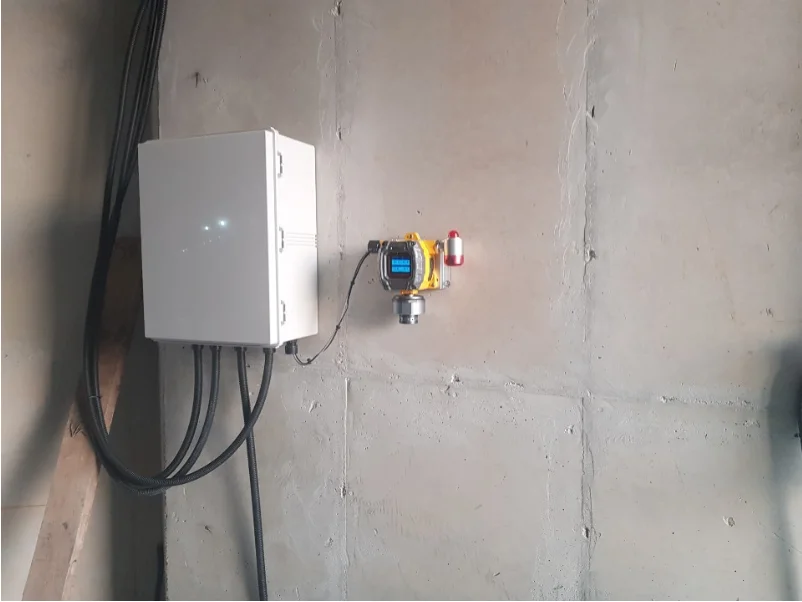
A router and LAN setup must always be completed inside the tunnel beforehand for the gas detector installation to proceed. The values from multiple detectors are then aggregated by a single wireless AP unit. Everything up to this point is the wired portion of the setup.
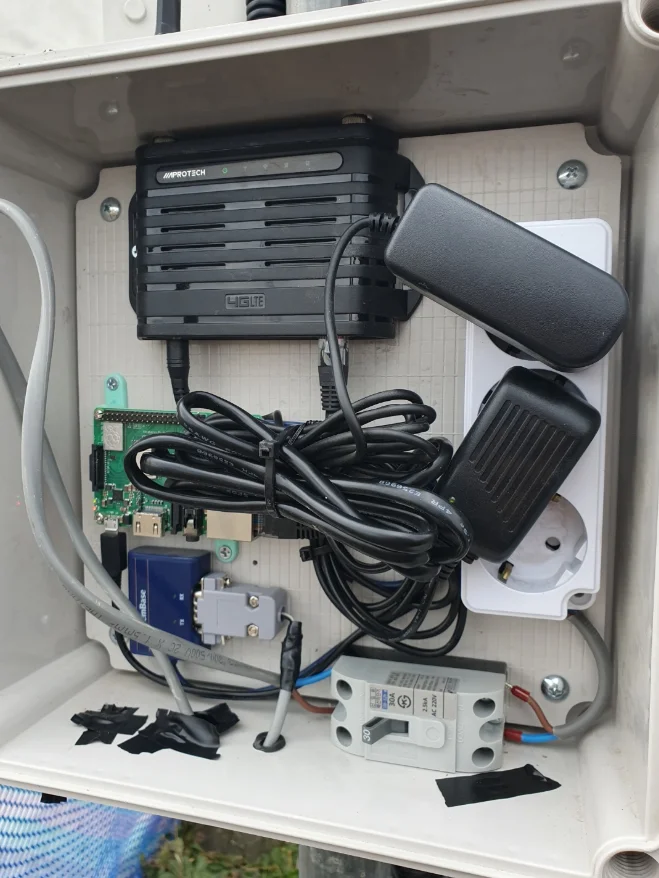
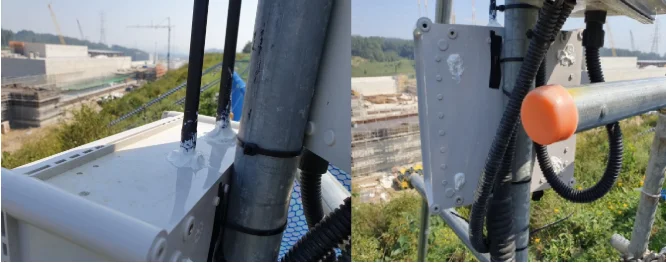
From here, a wireless AP unit can be mounted anywhere — indoors or outdoors — where a communication signal is available, allowing remote transmission of concentration data.
Of course, if a Wi-Fi network is already active inside the tunnel, the gas system can be operated simply by assigning an IP address, without needing a separate wireless AP unit.
A server must be prepared to receive the detector data, and the gas concentration values can then be forwarded to a mobile app or a wireless control room.
Thank you.
Frequently Asked Questions (FAQ)
Q1. Why is a wireless gas-transmission system needed at tunnel construction sites?
Underground tunnels are classified as confined spaces, and in the early stages of construction, communication signals are often unavailable. A hazardous-gas detection and wireless transmission system is essential for rapid emergency response.
Q2. Which gases are detected?
The 4 essential gases inside the tunnel — O2, CO, H2S, and LEL — are detected in real time.
Q3. How is the data transmitted?
Detectors send concentration values by wire to a wireless AP transceiver, which forwards them to a server, enabling remote monitoring from a personal phone or PC.
Q4. What infrastructure is needed before installation?
A router and LAN setup must be completed inside the tunnel beforehand. Values from multiple detectors are then aggregated by a single wireless AP unit.
Q5. How are abnormal gas concentrations detected?
On site, the detector itself triggers a sound and light alarm, and the concentration values are also transmitted remotely, viewable via a mobile app or a wireless control room.
#WANDI #FIX800 #WirelessGasMonitoring #TunnelConstructionSafety #ConfinedSpaceSafety #4GasDetector #RemoteMonitoring #GasDetector #IndustrialSafety #ConstructionSiteSafety
![[레이먼드] 오,폐수 처리실 유해가스 모니터링](https://wandi.co.kr/storage/construction-cases/YxFUQVBZ8Unnk7pJzzfsmezr6xNe0LZvQRDmt7TL.jpg)
![[브이피이코리아] 종합병원 지하 밀폐공간 가스 측정기 설치_FIX800 & FIX-DS](https://wandi.co.kr/storage/construction-cases/gNOA28xSlEy5uU3AOxyHDRH5UfAe0TpMTgAt4Uag.jpg)

