Why Phosgene (COCl2) Plants Absolutely Need a Fixed Detector
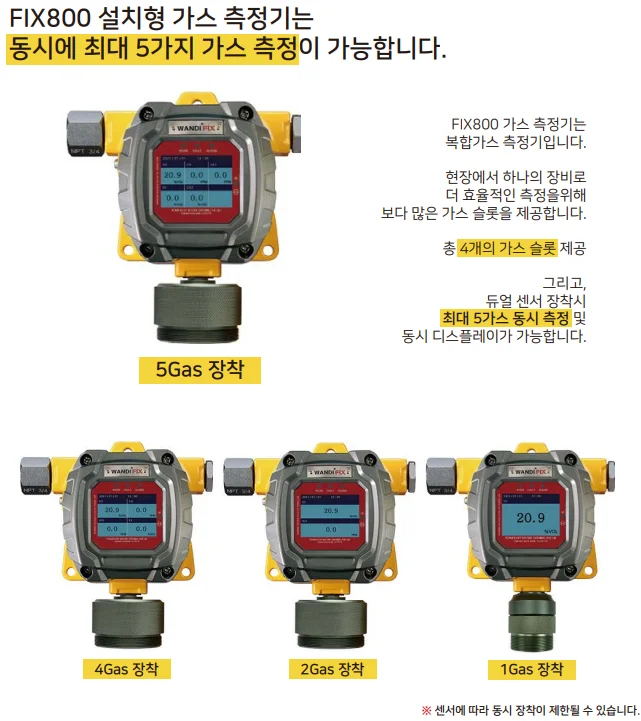
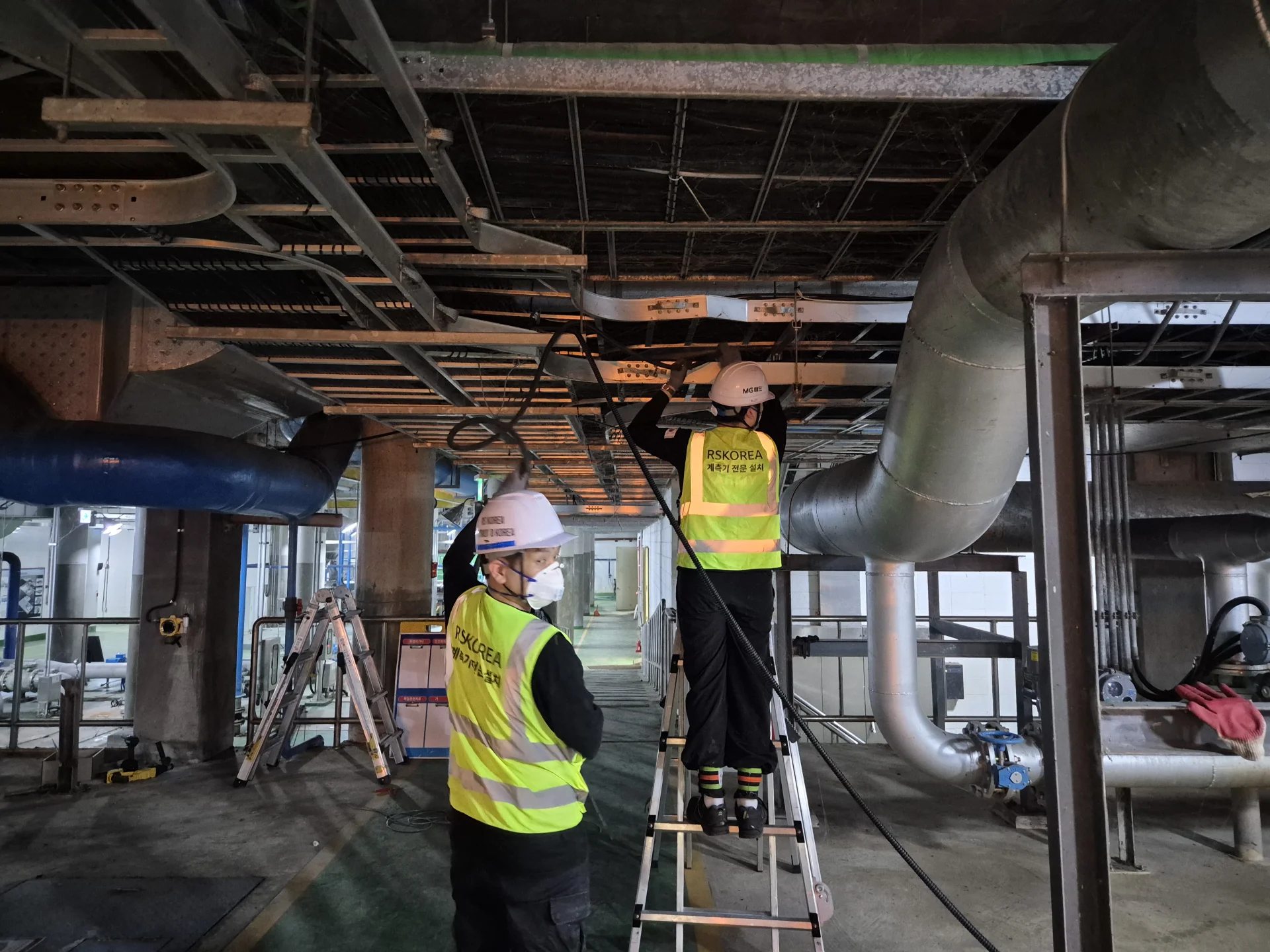
Chemical plants that manufacture phosgene (COCl₂) or use it as an intermediate raw material require a 24-hour continuous monitoring system. Phosgene is especially dangerous because even when a pipe-fatigue leak occurs during unmanned night operation, its odor is faint and symptom onset can be delayed up to 24 hours, amplifying the harm. The WANDI FIX800 fixed multi-gas detector continuously monitors up to 5 gases including COCl₂, and linked with the FIX-DS display board, it lets you instantly check for a leak before entering from outside.
💡 Key Point
The FIX800 is a fixed multi-gas detector capable of simultaneously measuring up to 5 gases. The more a gas has delayed-symptom characteristics — like phosgene — the more 24/7 fixed monitoring saves lives.
Phosgene (COCl2) Health Effects Table
| Exposure Concentration (ppm) | Exposure Time | Health Effect | Risk Level |
|---|---|---|---|
| 0.1 | 8 hours | NIOSH TWA — permissible limit | ⚠️ Caution |
| 0.5~1 | Short-term | Mucous irritation, possible delayed symptoms | 🟡 Warning |
| 2 | Short-term | IDLH — pulmonary edema, delayed up to 24 hours | 🔴 Immediate danger |
| 3~5 | 30~60 min | Acute lung injury, cyanosis | 💀 Fatal |
| 50+ | Immediately | Sudden death possible | 💀💀 Extremely fatal |
Source: NIOSH Pocket Guide to Chemical Hazards (2024), ACGIH TLV standard
Real Phosgene-Related Accident Cases
🇩🇪 Phosgene Leak at an Isocyanate Plant in Germany's Ruhr Industrial Region (2016)
At a large chemical plant in Germany's Ruhr region, a phosgene-intermediate pipe rupture during isocyanate synthesis caused a large leak. Because there were no immediate symptoms, the initial response was delayed, and several hours later many workers were hospitalized with pulmonary edema. The investigation identified poor inspection of the fixed phosgene detection system as the cause. (Source: Berufsgenossenschaft Rohstoffe und chemische Industrie, German occupational safety casebook 2016)
🇰🇷 Minor COCl2 Leak at a Domestic Pesticide-Material Plant (2022, Chungnam)
At a pesticide-material plant in Chungnam, a trace leak occurred during inspection of a phosgene reaction facility. With no fixed detector present, a worker was exposed for about 30 minutes, and after leaving work visited the emergency room with chest pain and coughing, where phosgene exposure was confirmed. (Source: National Institute of Chemical Safety annual chemical-accident report, 2022)

WANDI FIX800 — Fixed Multi-Gas Detector with 5-Gas Simultaneous Measurement
| Item | FIX800 Specification |
|---|---|
| Simultaneous gases | Up to 5 (COCl₂, O₂, CO, H₂S, EX, etc. combinable) |
| Installation | Wall-mounted fixed (continuous power, unmanned operation possible) |
| Alarm interlock | Warning light, siren, FIX-DS display board, remote alarm |
| Data | Concentration history logging, web monitoring integration |
| Main application environments | Polyurethane/PC plants, pesticide-material facilities, refrigerant-handling spaces |
What If FIX800 Had Been Installed? — Phosgene Accident Prevention Scenario
- 1Instant detection during unmanned night monitoring: COCl₂ leaks at night from a pipe defect → the FIX800 raises an alarm the moment it reaches 0.1 ppm
- 2RED display at the entrance board: A worker arriving the next morning sees the alarm status on the FIX-DS board → fundamentally prevents entering without a mask
- 3Instant alert to the remote manager: A web alarm is sent immediately to the on-call manager's mobile → enabling nighttime emergency response
- 4Automatic logging of leak time and concentration: Automatically retained as evidence for root-cause analysis and risk-management-plan compliance
📋 Relevant Regulations
Phosgene is an accident-preparedness substance under the Chemicals Control Act (No. 39); handling facilities are required to install detectors and submit a risk-management plan. Under Article 38 of the Occupational Safety and Health Act, installing the FIX800 is recognized as an engineering-control means for fulfilling this duty.
A Closer Look at the WANDI FIX800
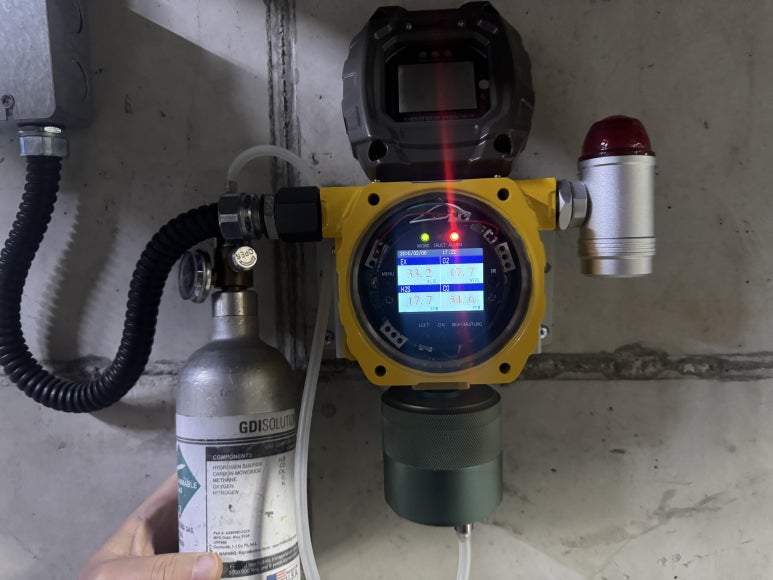
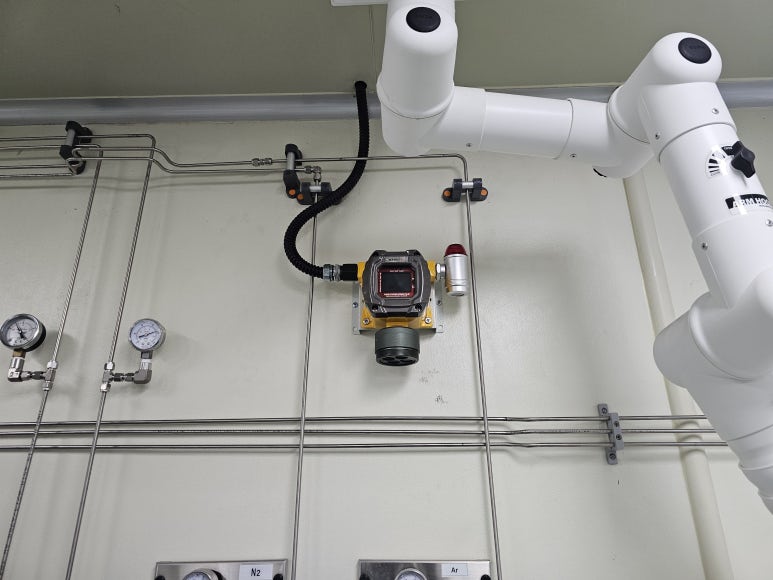
Below are real photos of the WANDI FIX800 fixed multi-gas detector.