CONSTRUCTION CASE

FIX800 Confined-Space Oxygen Detector with LED Display Board — Underground Septic Tank Room Installation (Seoul/Gyeonggi-do)

Seoul / Gyeonggi-do · 2021.06.02

Applied Markets

Research Factory Construction

Installed Gases

O2 (Oxygen)

Project Details

FIX800 Confined-Space Oxygen Detector with LED Display Board — Underground Septic Tank Room Installation

This case covers a confined-space oxygen (O₂) detector installation at a building's underground septic tank room.

Pre-Installation Site Survey

가스측정기 전문 완디코리아 WANDI®

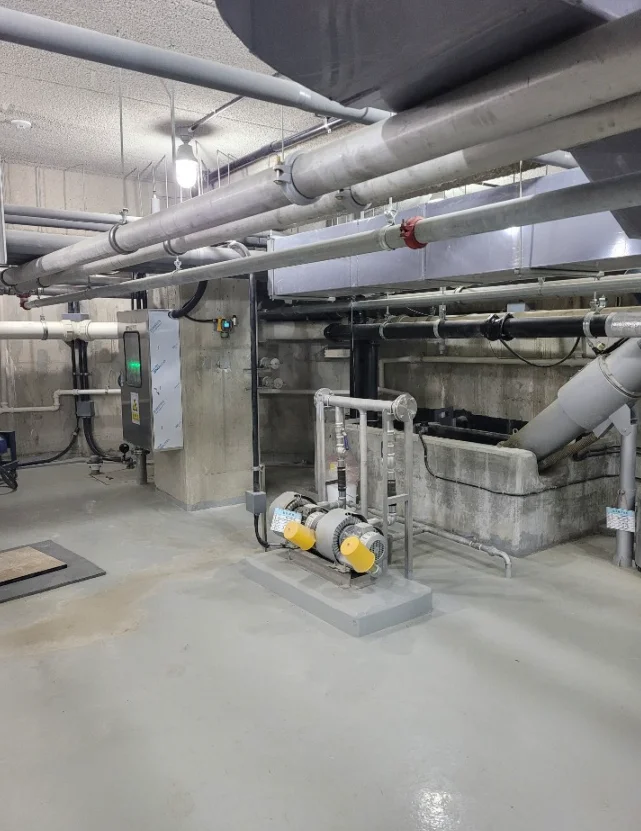
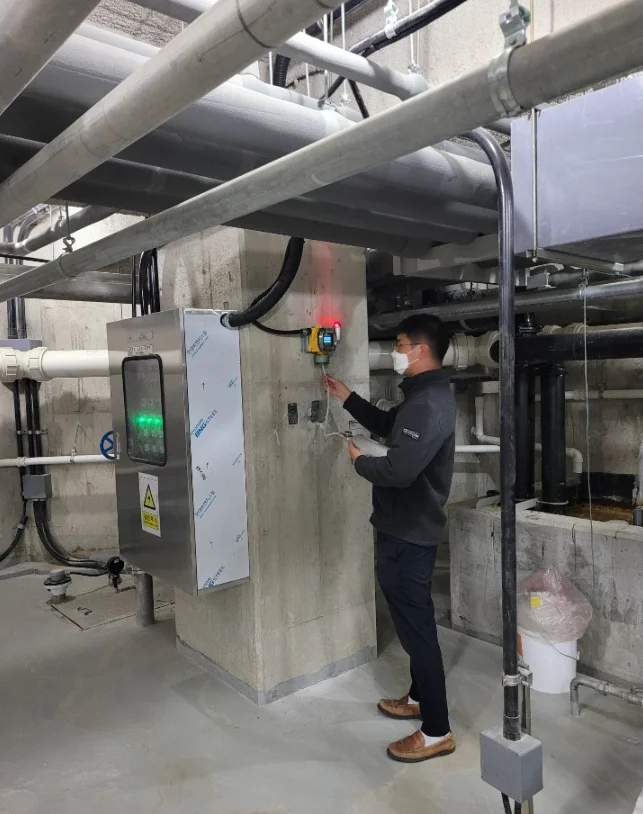
A preliminary site visit is always conducted before any installation to identify electrical routing points and the optimal detector mounting location. Confirming the required waterproof conduit type and cable distances on-site enables accurate and cost-optimized installation planning.

FIX800 Detector Installation

가스측정기 전문 완디코리아 WANDI®

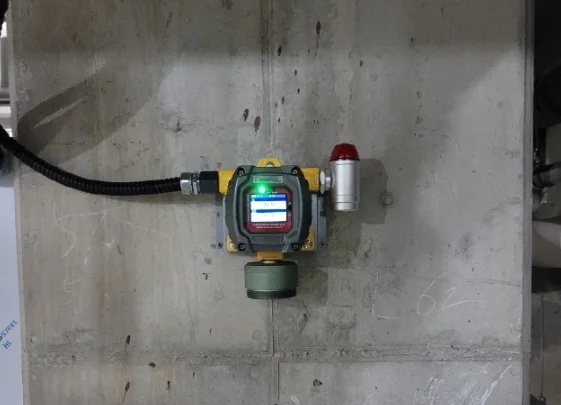
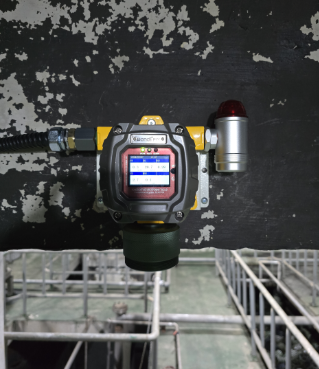
The detector was installed first, positioned at the most suitable oxygen sampling location within the confined space.

가스측정기 전문 완디코리아 WANDI®

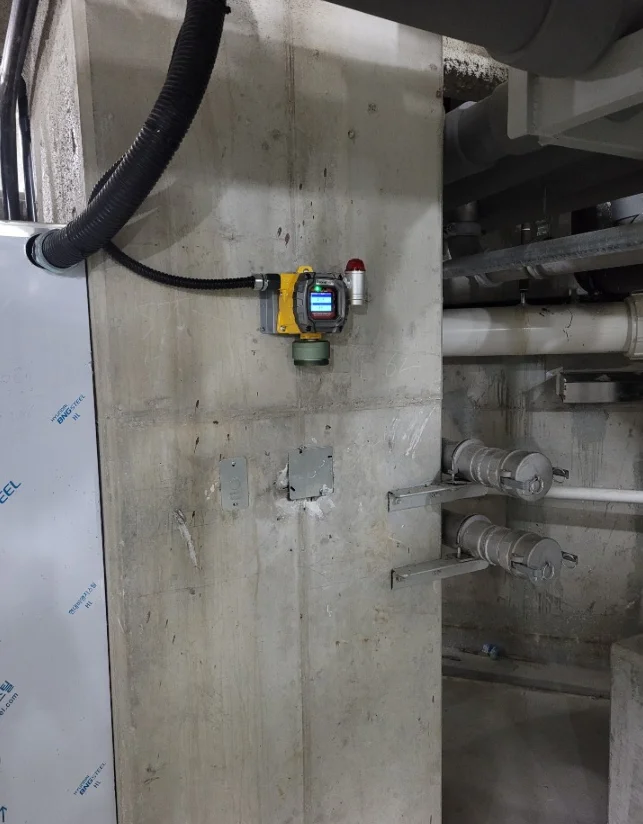
This septic tank room had significant internal moisture. GW liquid-tight flexible conduit was used throughout to fully protect the communication wiring between the detector and LED display board from moisture and dust ingress.

LED Display Board at the Entrance

가스측정기 전문 완디코리아 WANDI®

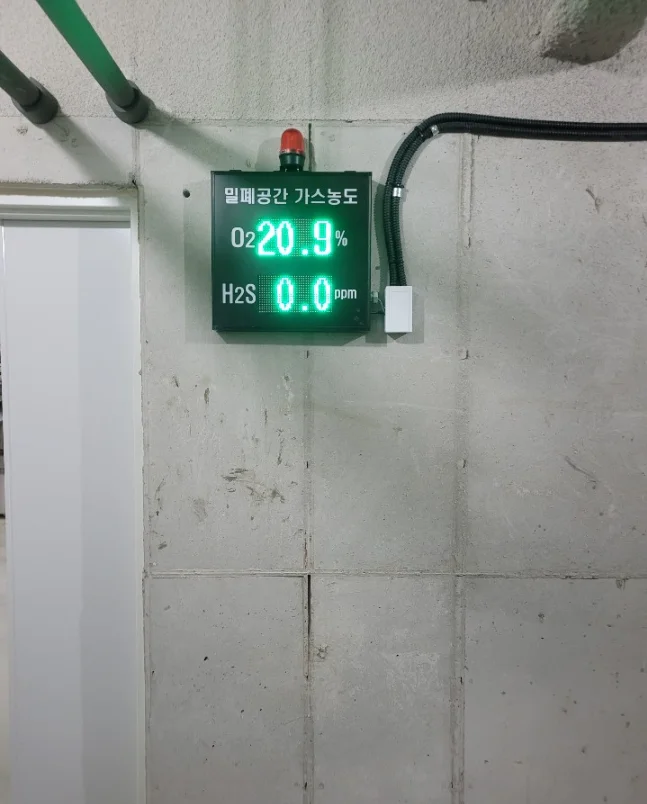
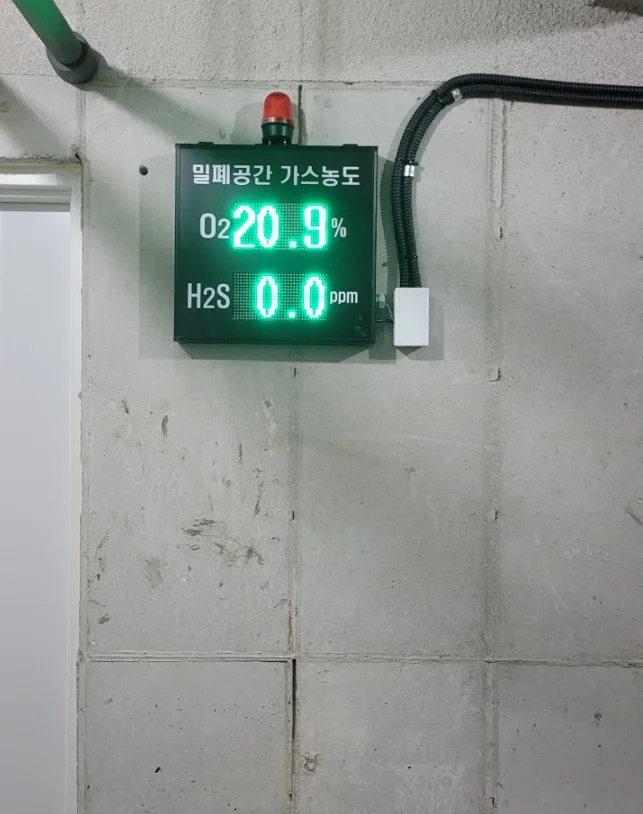
An LED display board was installed at the entrance to the septic tank room. Workers and facility managers can check the internal oxygen concentration before entering — enabling effective prevention of asphyxiation incidents and early detection of any hazardous gas presence.

Color-Coded Alarm Display — Green (Normal) / Red (Alert)

가스측정기 전문 완디코리아 WANDI®

Per Korea's industrial safety guidelines, the normal oxygen concentration range is 18.5% to 23.5%.

  • Within normal range: display shows green LED text
  • Outside configured limits: display switches immediately to red LED
가스측정기 전문 완디코리아 WANDI®

After installation was complete, a span gas functional test was performed under the supervision of the site manager to verify correct sensor response and alarm operation.

Frequently Asked Questions

Q1. Why is a septic tank room classified as a confined space?

Organic matter decomposition in septic tanks generates H₂S, CH₄, and CO₂ while consuming oxygen. The enclosed structure limits natural ventilation, causing oxygen levels to fall. Under Korea's OSHA, septic tank rooms are designated confined spaces — gas concentration verification before worker entry is mandatory.

Q2. Is the pre-installation site survey really necessary?

Yes, without exception. Every septic tank room differs in structure, electrical infrastructure, and moisture conditions. A site survey confirms the optimal mounting location, the correct waterproof conduit type, and the actual cable runs required — enabling a clean, complete installation in a single visit and accurate cost estimation.

Q3. Why is liquid-tight flexible conduit (GW conduit) required?

Septic tank rooms are highly humid environments. Standard conduit exposed to moisture and condensation can cause cable degradation, short circuits, and signal failures over time. GW liquid-tight conduit fully seals the communication wiring, ensuring long-term signal integrity between the detector and display board.

Q4. What should be done when the display board shows red?

Entry must be suspended immediately and ventilation equipment activated. An oxygen concentration below 18.5% indicates oxygen deficiency; above 23.5% indicates oxygen enrichment — both conditions are hazardous. Entry must not resume until the concentration has returned to the normal range and stabilized.

Q5. Why must span gas testing be performed after installation?

Installation errors in wiring or sensor positioning could prevent alarms from activating when they should. Span gas testing is the final verification step — it confirms that the sensor responds correctly to the target gas and that alarm outputs activate at the configured thresholds before the system goes into service.


#ConfinedSpaceOxygenDetector #FIX800 #SepticTankMonitor #GasDisplayBoard #AsphyxiationPrevention #OxygenMonitoring #WaterproofConduit #IndustrialSafety #WANDI #SeoulGyeonggi

Other Cases

Back to List