Where a Fixed PH3 Detector Is Needed: Silos, Ports, Warehouses
Phosphine (PH₃) is slowly released as aluminum phosphide fumigant reacts with moisture. Residual gas is emitted over days to weeks even after fumigation is complete, and in large silos or sealed warehouses an especially uneven concentration distribution forms. Because accidents in which workers are accidentally exposed to high-concentration pockets recur, continuous monitoring with a permanently installed FIX800 is essential.
💡 FIX800 Fixed-Type Advantages
24-hour automatic monitoring → instantly detects phosphine release even during night and unmanned hours. Can be used as the criterion for deciding whether to open up after fumigation is complete. Real-time concentration check at the entrance via the FIX-DS display board.
PH3 Health Effects Table
| Exposure Concentration | Exposure Time | Health Effect |
|---|---|---|
| 0.3 ppm | 8-hr TWA | Korea exposure limit — headache, fatigue |
| 1 ppm | Short-term | Nausea, respiratory irritation |
| 10 ppm | Tens of minutes | Chest pain, breathing difficulty |
| 50 ppm | Immediately | IDLH — immediate threat to life |
| 400 ppm+ | Immediately | Pulmonary edema, cardiac arrest, sudden death |
(Source: NIOSH Pocket Guide to Chemical Hazards; Korea MoEL exposure limit notice)
Real Accident Cases
🇰🇷 Fumigation Container Poisoning Accident at a Domestic Port
In 2022, during work to open a fumigation container at the Port of Incheon, exposure to residual PH₃ caused 1 death and 2 serious injuries. With no permanently installed detector, the residual gas was not identified in advance. (Source: Korea MoEL serious-accident investigation results, 2022)
🇦🇺 Death of a Grain Silo Fumigation Manager in Australia (2015)
At a large wheat silo in Queensland, Australia, a manager conducting an inspection during fumigation was exposed to a high-concentration PH₃ zone and died. The absence of a zone-by-zone continuous detection system was the cause. (Source: Safe Work Australia Incident Report, 2015)

Continuous PH3 Monitoring with WANDI FIX800
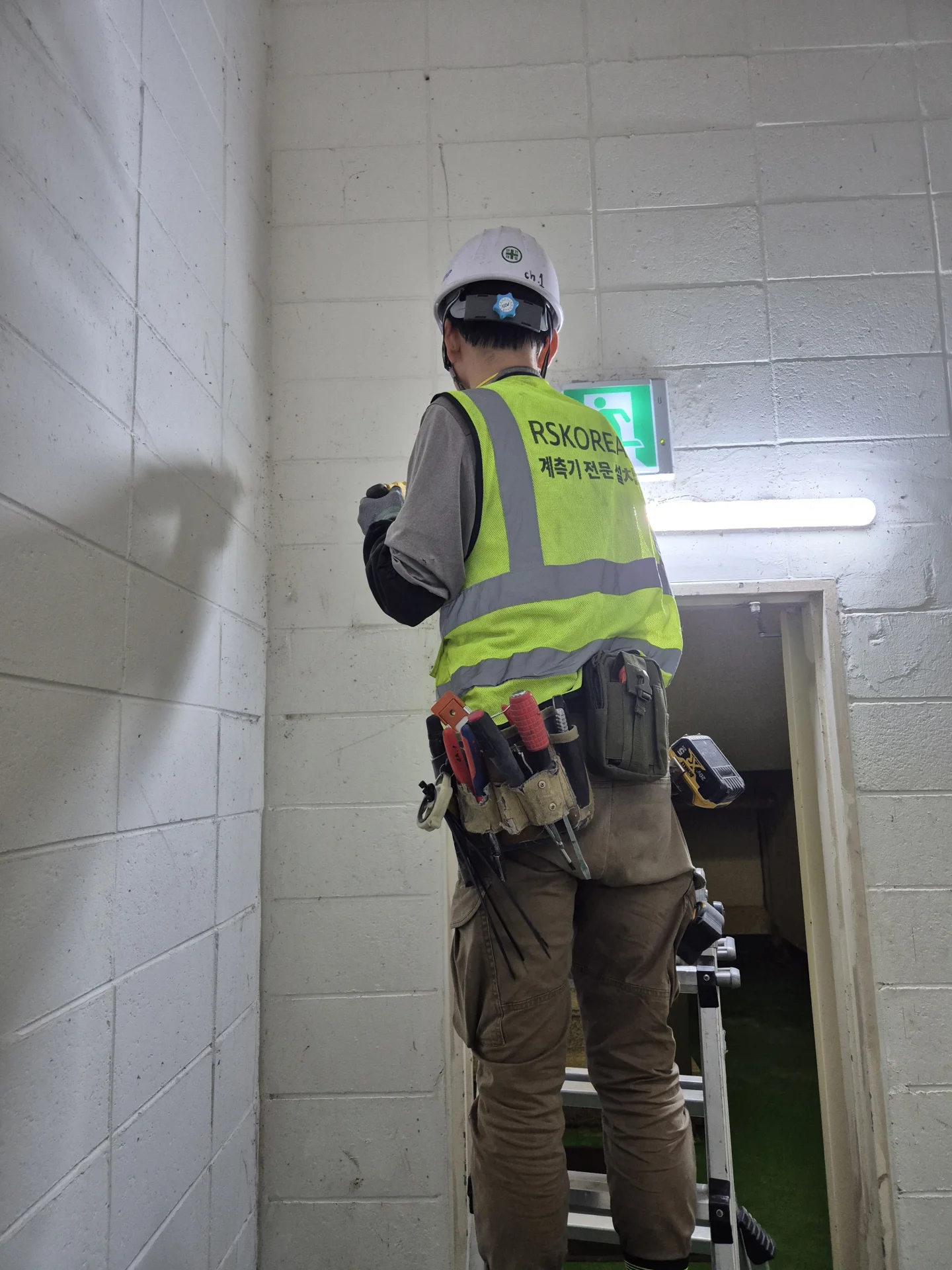
FIX800 Key Features (PH₃ Measurement)
- Simultaneous detection of up to 5 gases: PH₃, O₂, CO, H₂S, EX (combustible gas) monitored together
- Electrochemical PH₃ sensor: detects from 0.1 ppm, alarm configurable below the 0.3 ppm exposure limit
- FIX-DS display board: real-time concentration monitoring outside the warehouse or in the office
- Continuous operation: automatic measurement and alarm 24 hours a day, 365 days a year
- Web monitoring: remote monitoring from PC/smartphone, history logging
FIX800 Prevention Scenario: Silo Fumigation Situation
- 1Right after fumigant is introduced: The FIX800 detects the rapidly rising PH₃ concentration and issues a no-entry alarm
- 2During the fumigation period: 24-hour continuous concentration monitoring, with an instant alarm on any abnormal concentration change
- 3After fumigation is complete: The FIX800 confirms below 0.3 ppm → provides a safe-to-open signal
- 4When opening/entering: Entry permitted after checking the concentration on the FIX-DS display board
- 5Data retention: The full concentration history is saved automatically → meeting the legal record obligation
A Closer Look at the WANDI FIX800
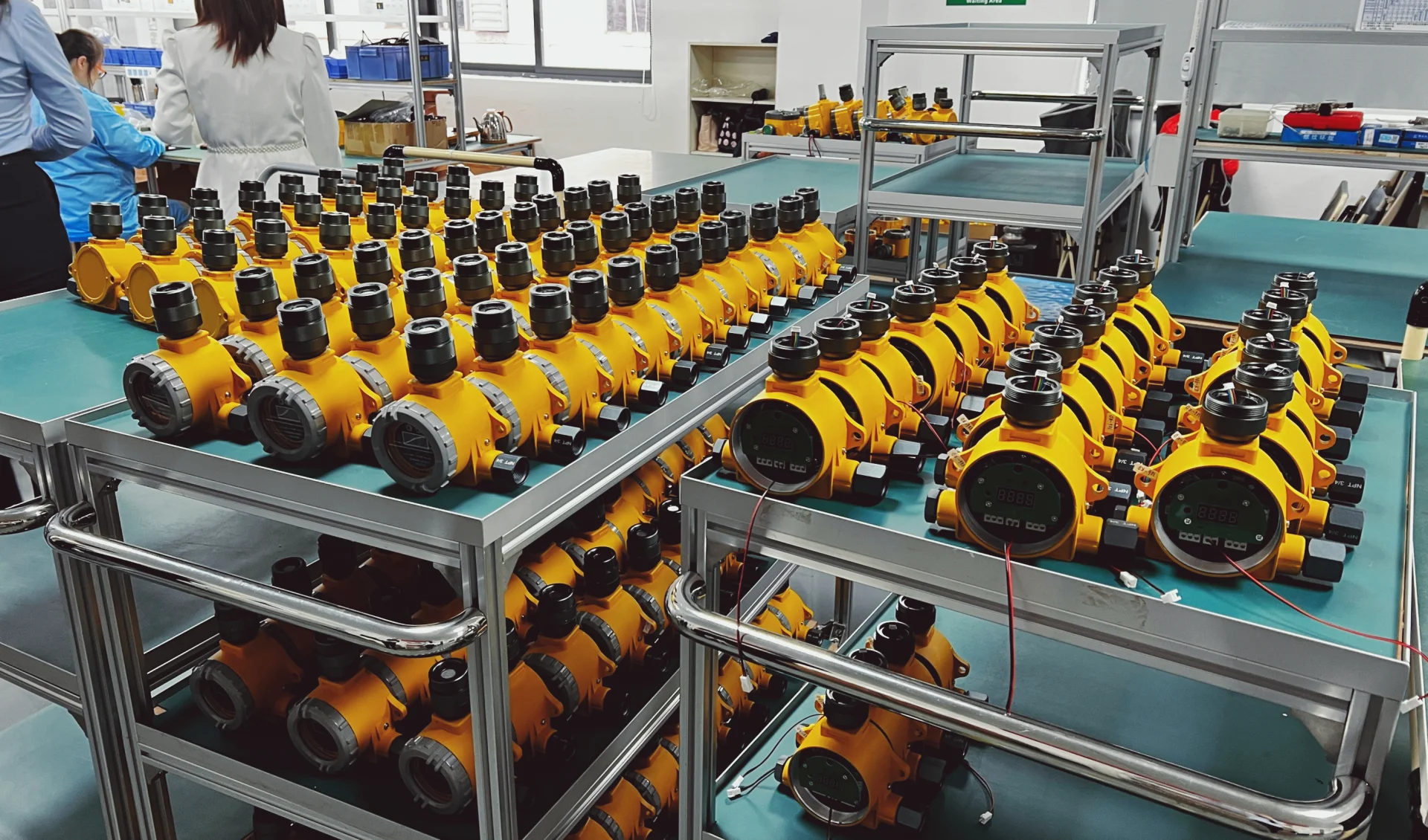
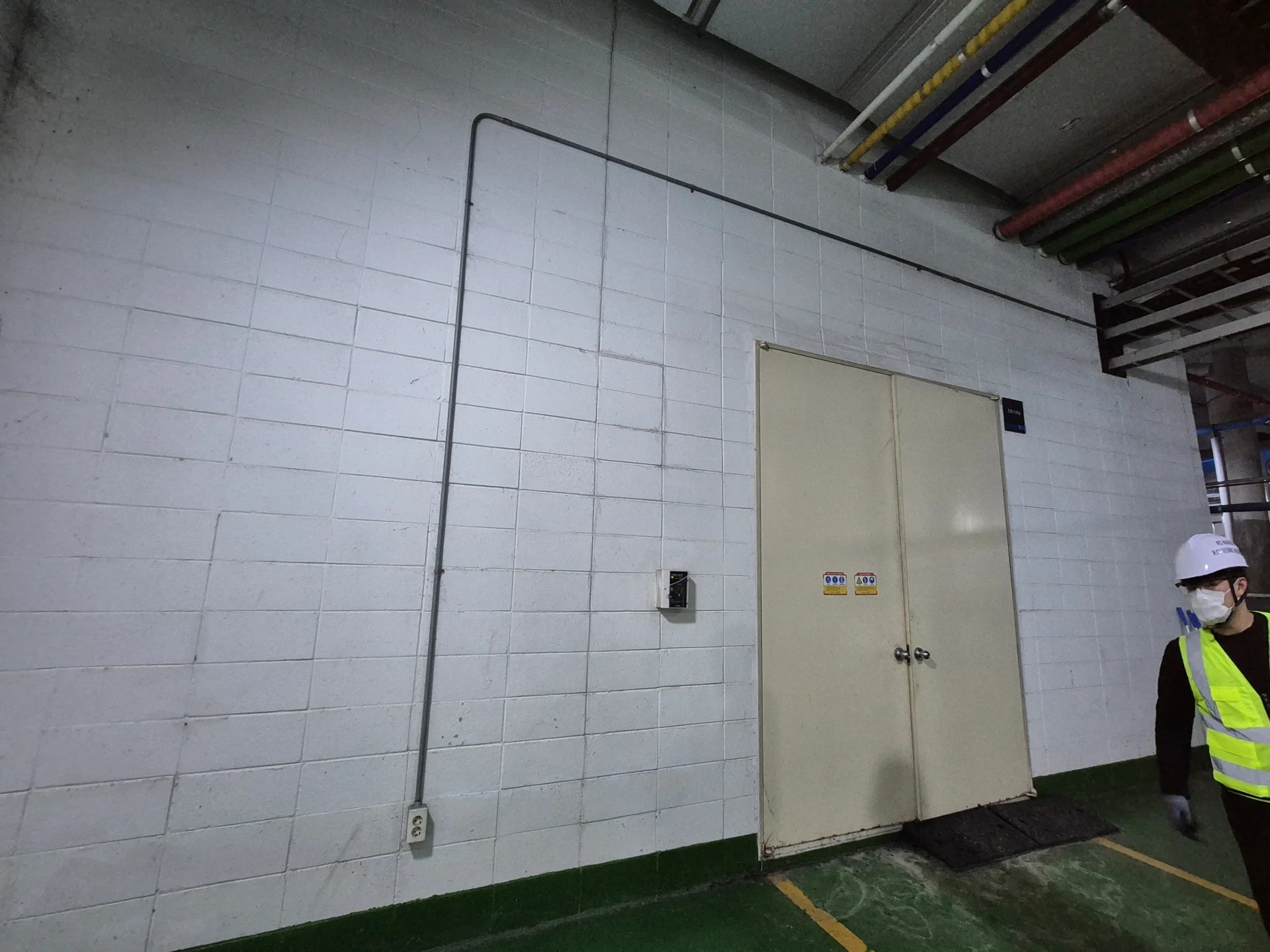
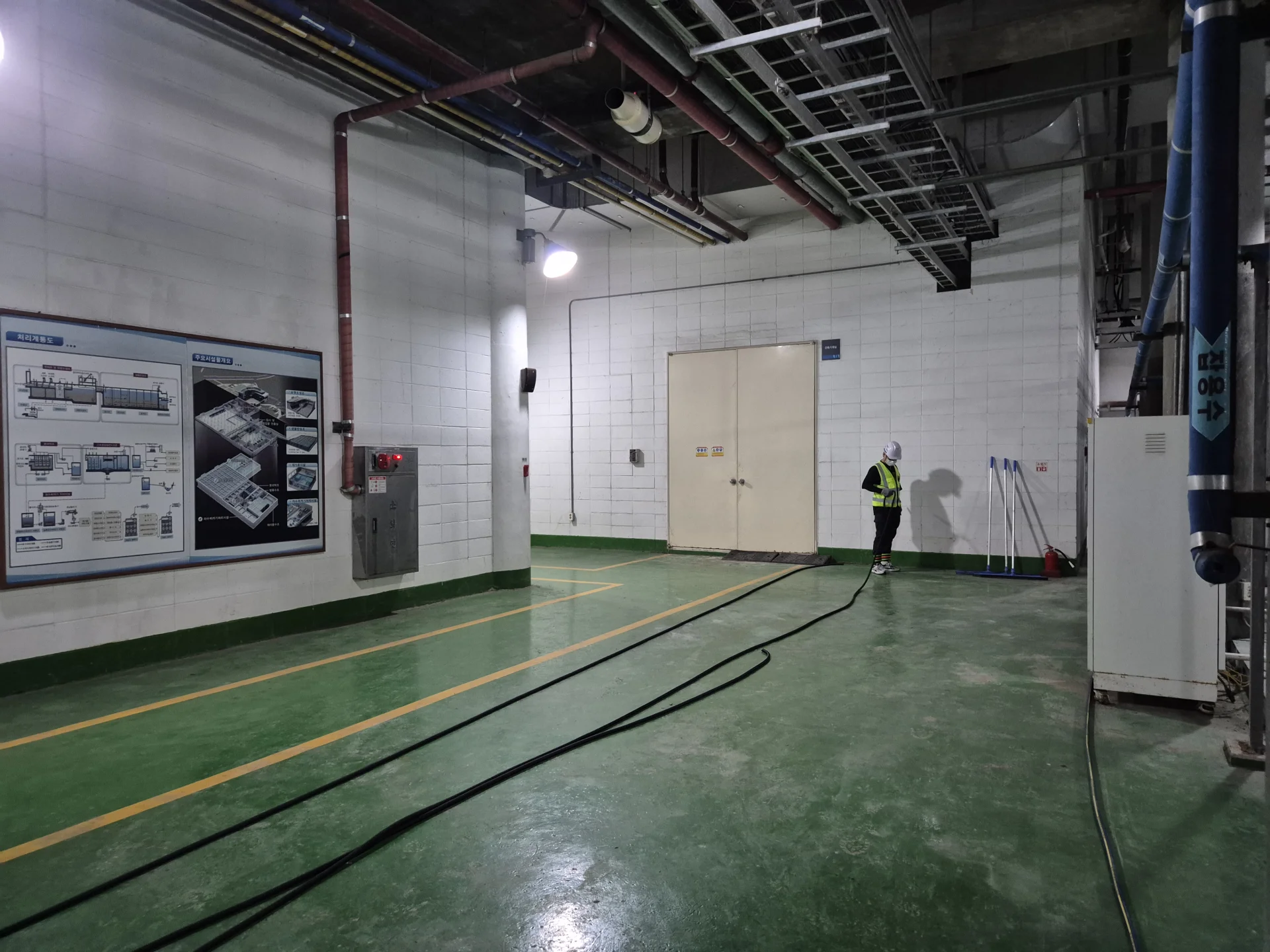
Below are real photos of the WANDI FIX800 fixed multi-gas detector.