RESOURCES
Resources
Browse blogs, manuals, catalogs, software downloads and more.
Search
Posts
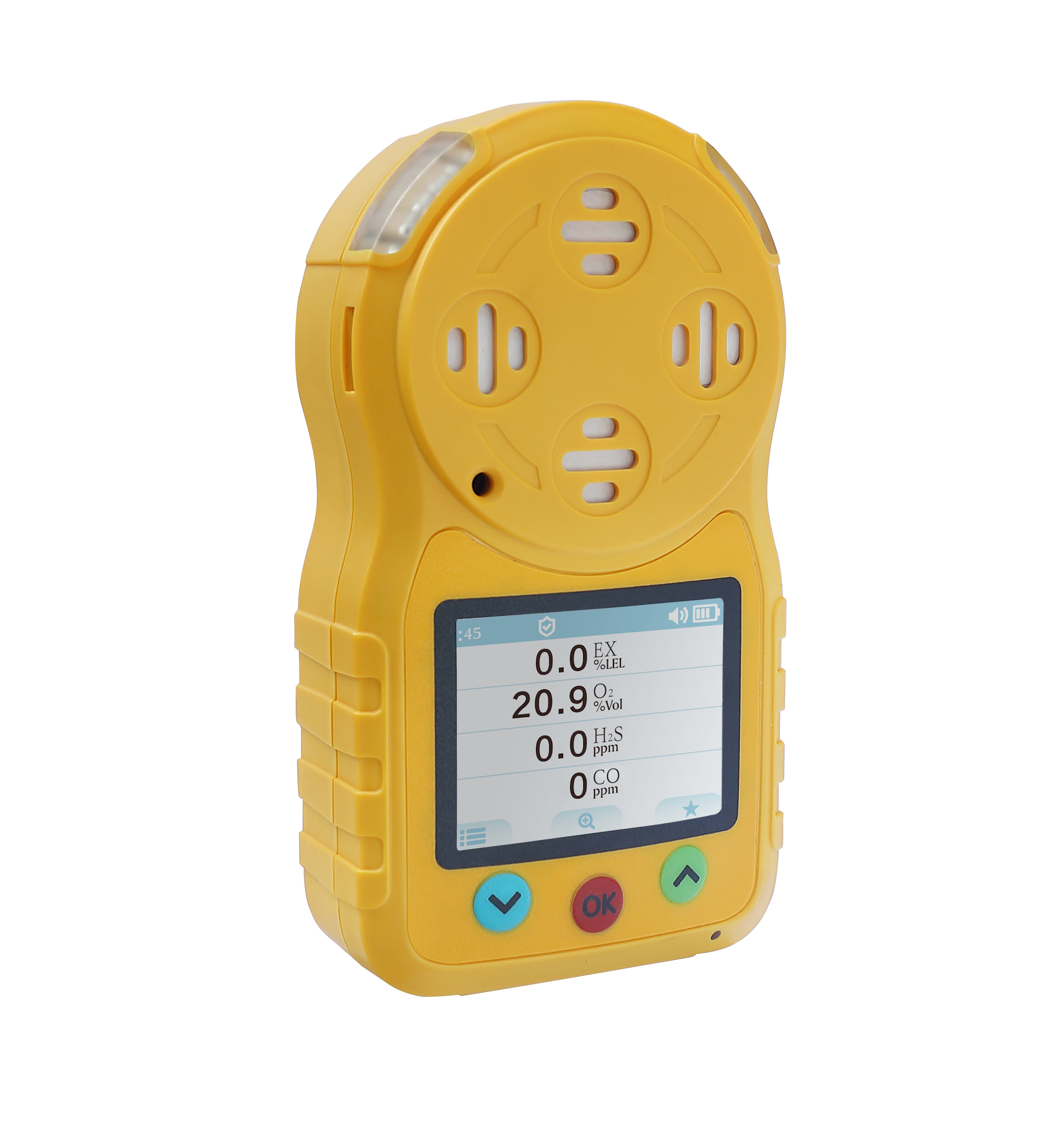
A gas detector can still malfunction even after passing calibration, once the sensor itself nears the end of its life. This guide covers why different sensor types degrade, five warning signs of failure, and how to judge when it's time to replace a sensor.
- 44
A gas detector only protects people when it's measuring accurately. WANDI breaks down the difference between bump tests and full calibration, recommended intervals, and the legal basis in confined-space work programs.
- 174
Choosing a portable multi-gas detector comes down to five checkpoints: gas configuration, explosion-proof certification, battery and data logging, alarm settings, and calibration convenience. This guide covers the 5 required confined-space gases (O2, CO, CO2, H2S, LEL) using the GasTiger1000 as an e...
- 151
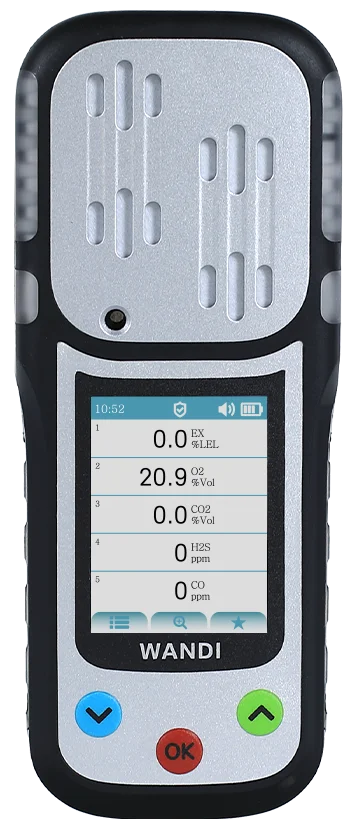
A confined space entry program is a mandatory safety framework required of employers under Korea's Occupational Safety and Health Standards. This guide covers the 6-step pre-entry procedure, the program's required elements, and why a personal wearable gas detector like the EDW500 fills a gap fixed d...
- 261
Gas detectors can't be mounted just anywhere — the correct height depends entirely on the gas's density, and understanding TWA/STEL/IDLH alarm setpoints is essential to avoid false alarms or missed detections. Here's WANDI's practical installation guide.
- 300
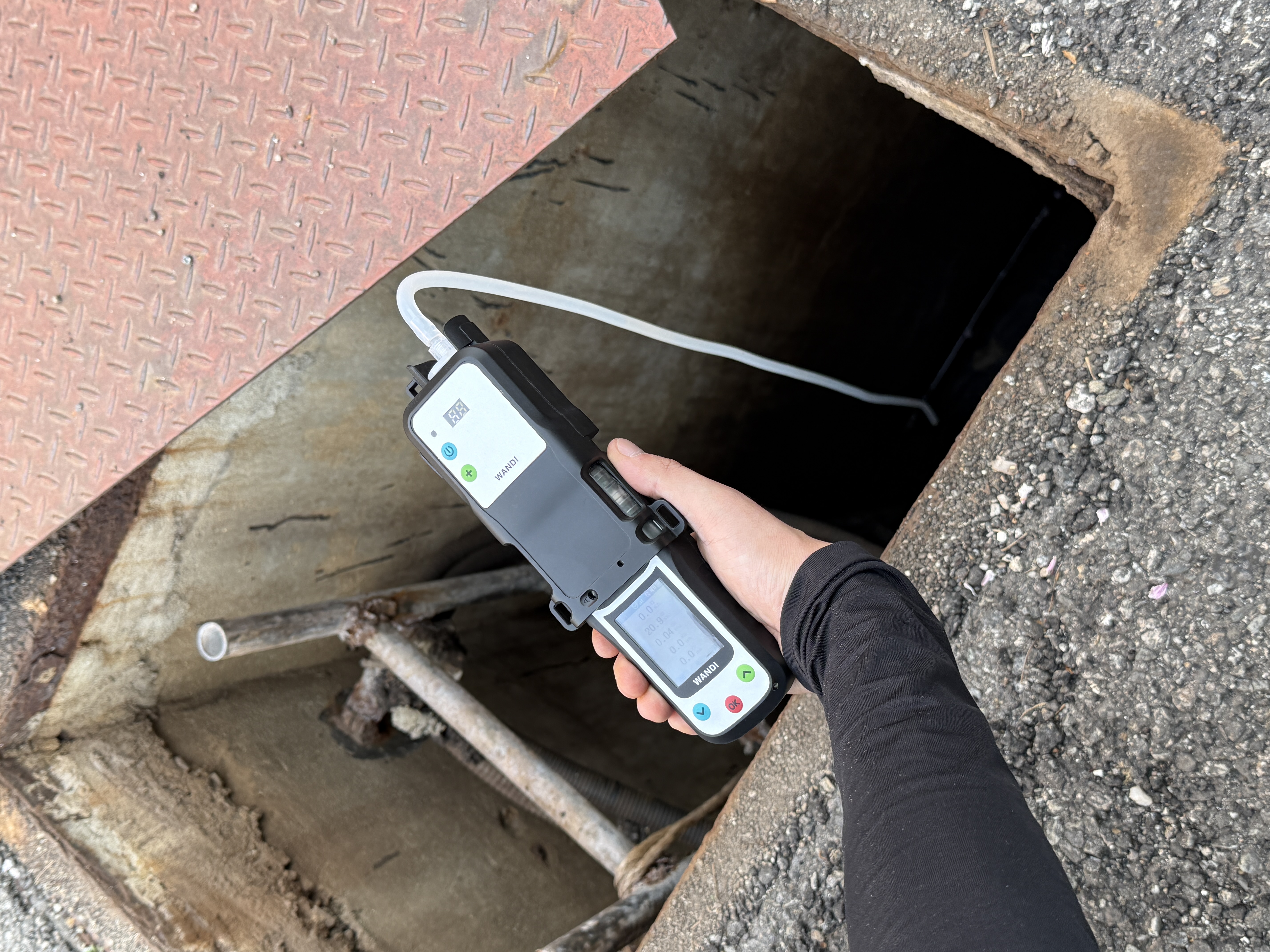
Manhole and sewer work is classic confined-space work where asphyxiation from hydrogen sulfide, oxygen deficiency and methane recurs. Here is why gas measurement before entry is mandatory, recent accident cases, and how to work safely with the EDW500 portable 5-gas detector.
- 292
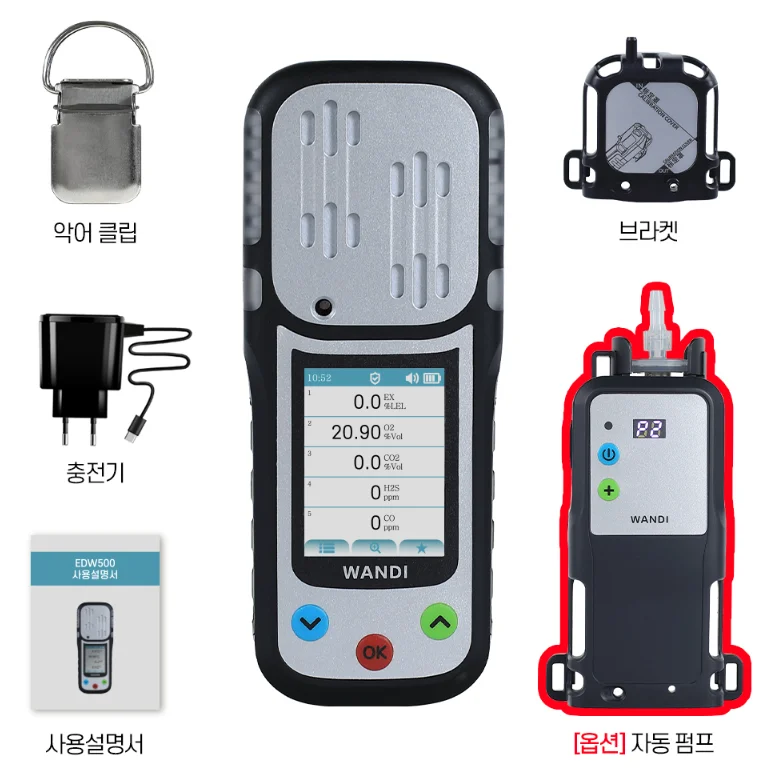
Nitrogen dioxide (NO₂) is a highly toxic gas that causes respiratory damage even at 0.2 ppm, generated in vehicle exhaust, nitric acid plants, and plasma processing environments. The WANDI EDW500 holds IECEx international explosion-proof certification (Ex da ia IIC T4 Ga) and simultaneously measures...
- 247
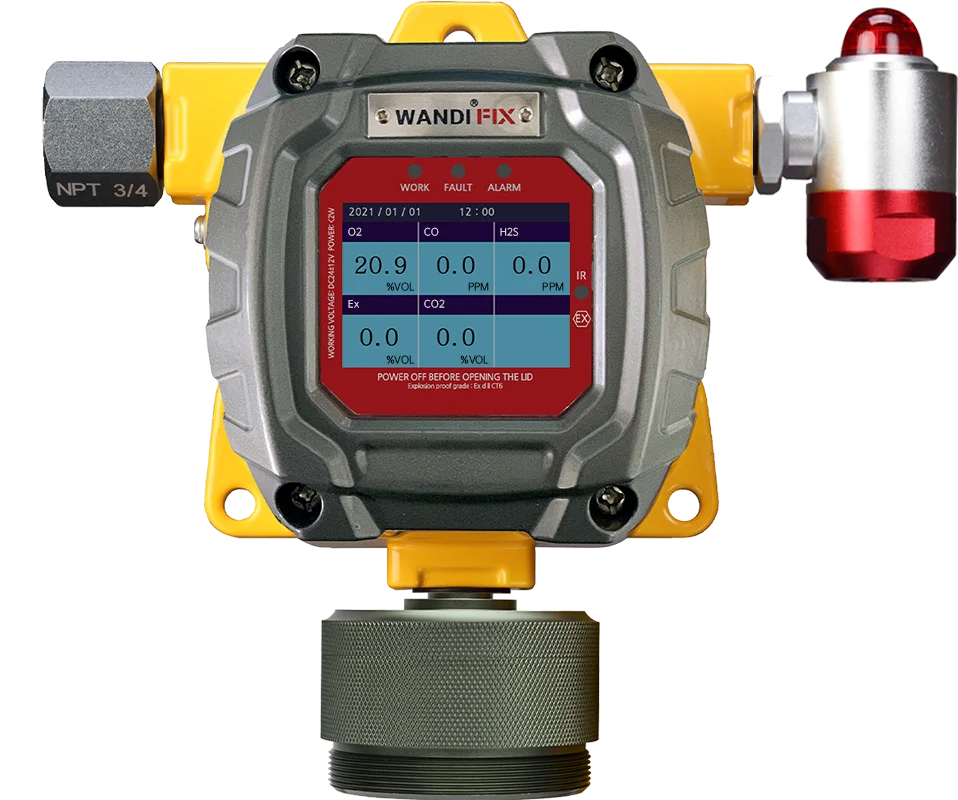
Hydrogen sulfide (H2S) is a highly toxic gas continuously generated in sewage treatment, petrochemical, and livestock facilities. The WANDI FIX800 fixed gas detector provides 24/7 continuous monitoring of H2S and up to 5 gases simultaneously to protect workers and facilities.
- 275
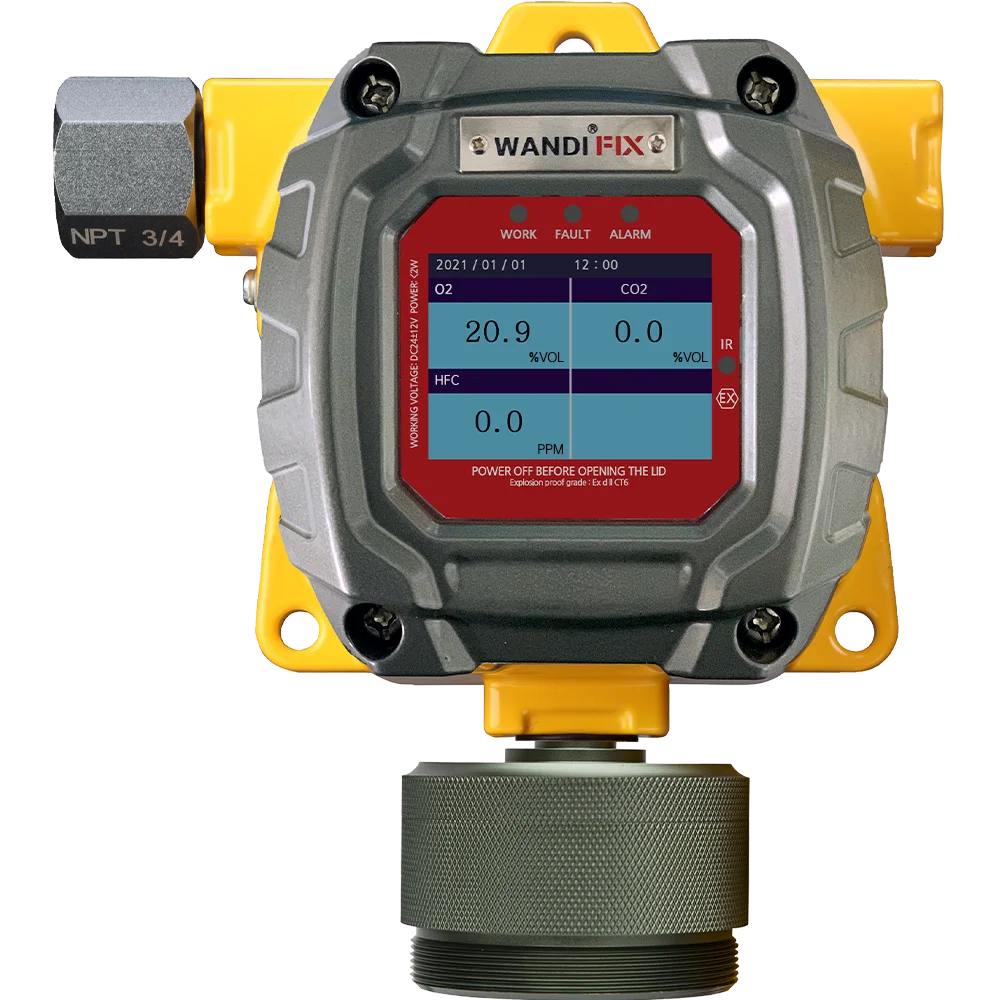
Facilities continuously using chlorine dioxide (ClO2) — water treatment plants, paper mills, and food processing plants — require fixed gas detectors. The WANDI FIX800 is a fixed multi-gas detector that simultaneously monitors up to 5 gases including ClO2, providing 24/7 unmanned surveillance and di...
- 202

Cleaning water tanks and reservoirs is classic confined-space work where asphyxiation from oxygen deficiency, hydrogen sulfide and methane recurs. Here is why you must measure gas before entry, what gases form in water tanks, real accident cases, and how to clean safely with the EDW500 portable 5-ga...
- 335
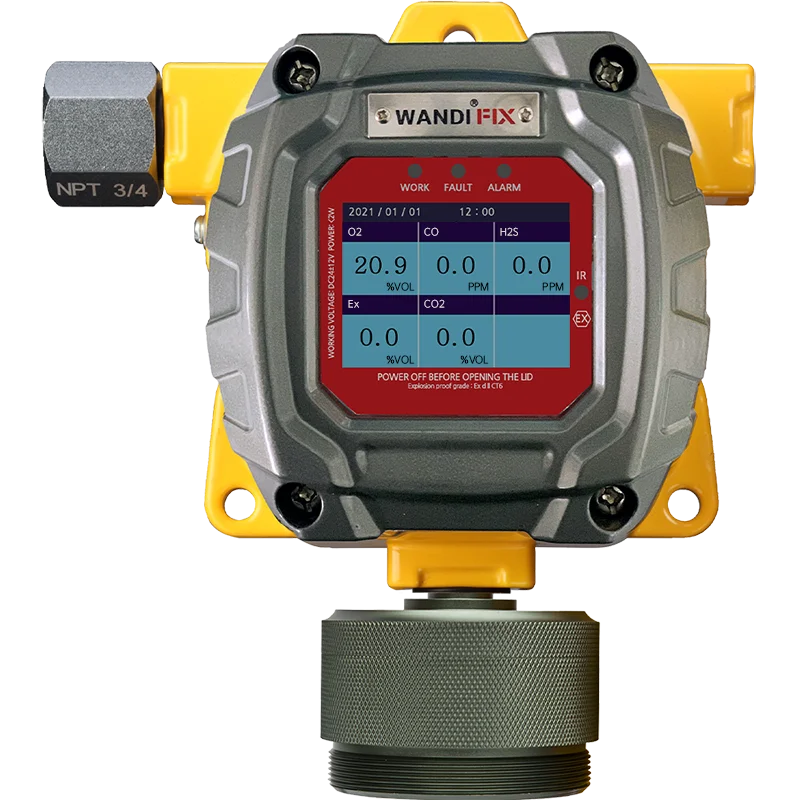
Hydrogen (H2) has the widest flammable range (4–75% LEL) of any common gas. The WANDI FIX800 fixed gas detector provides 24/7 continuous monitoring at hydrogen fueling stations, semiconductor fabs, and research labs, with instant alarm output to the FIX-DS display board.
- 268
WANDI is a comprehensive industrial gas-detection brand spanning the EDW500 portable IoT explosion-proof detector, the customizable GasTiger multi-gas series, the FIX800 fixed detector, the FIX800TH heat-index meter, and display-board/IoT integration. Here is the full lineup with each model's streng...
- 276
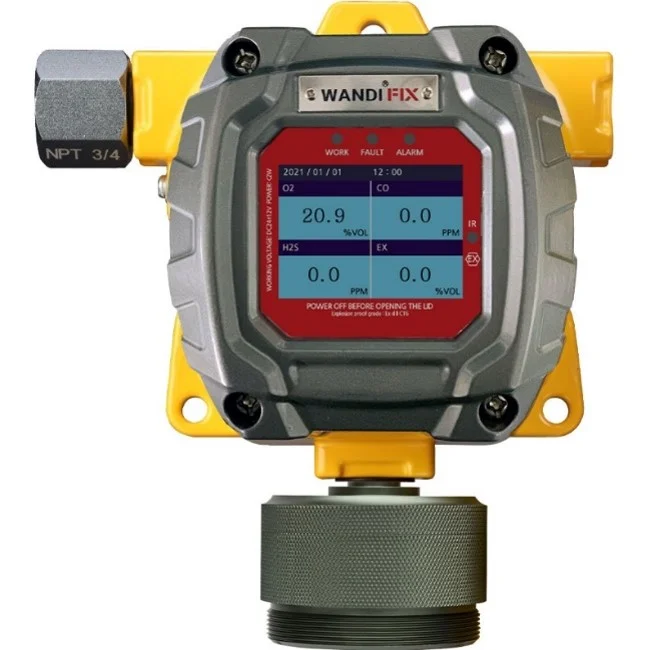
Ethylene oxide (ETO) is a Group 1 carcinogen requiring 24/7 monitoring. The WANDI FIX800 fixed gas detector simultaneously measures up to 5 gases, providing real-time alarms and FIX-DS display board integration for immediate ETO leak detection in sterilization rooms and chemical plants.
- 155
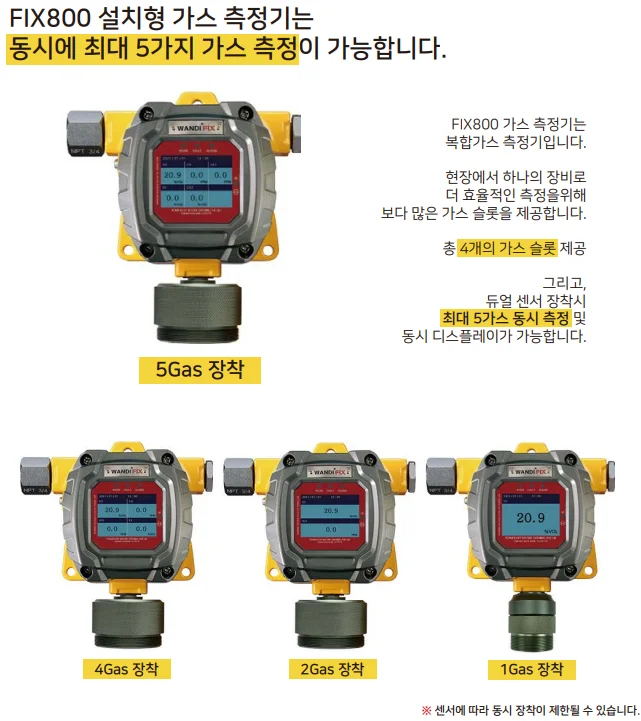
Nitric oxide (NO) is a colorless, odorless toxic gas continuously generated in tunnels, power plants, and chemical facilities. Exposure above 25 ppm causes severe respiratory damage. The WANDI FIX800 fixed multi-gas detector simultaneously monitors NO and four other gases, providing 24/7 on-site sur...
- 226
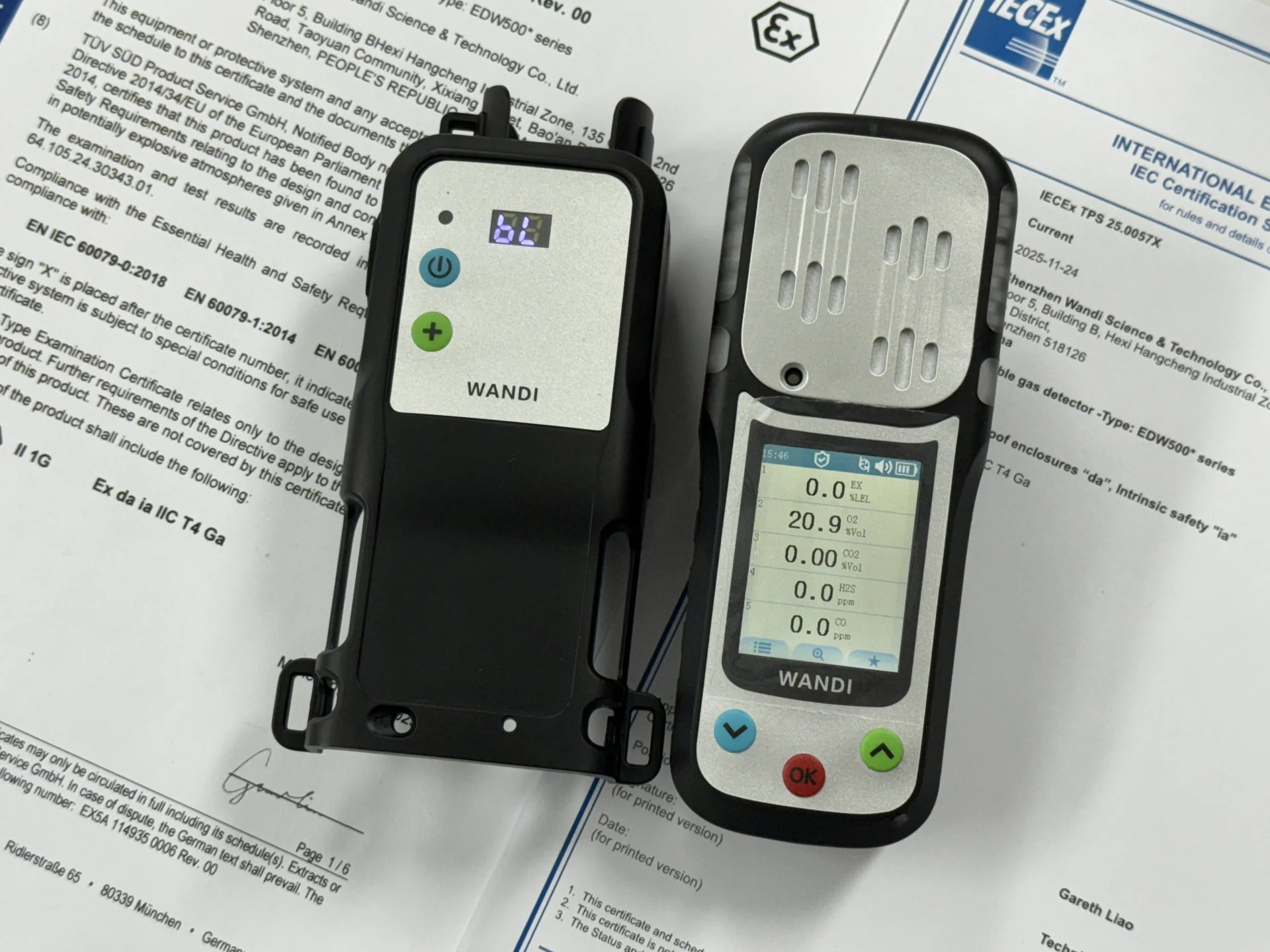
Hydrogen sulfide (H2S) is a colorless, highly toxic gas generated in sewage treatment plants, oil refineries, and livestock facilities, capable of paralyzing the sense of smell even at low concentrations. The WANDI EDW500, IECEx-certified and capable of simultaneously detecting 5 gases, provides rea...
- 248
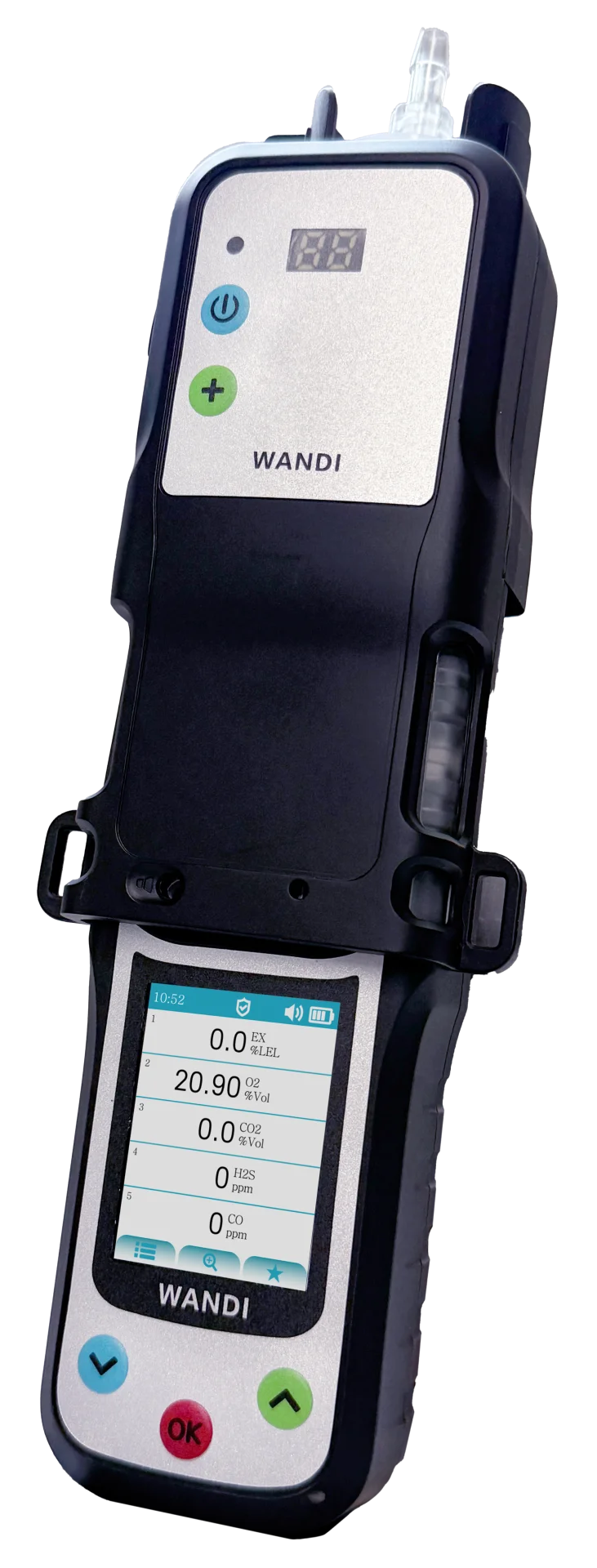
Chlorine dioxide (ClO2) is widely used in bleaching and sterilization processes, but it is a highly toxic gas that can cause lung damage and death when leaked. Learn how the WANDI EDW500 portable 5-gas detector (IECEx certified) detects ClO2 and other hazardous gases in real time to ensure workplace...
- 211
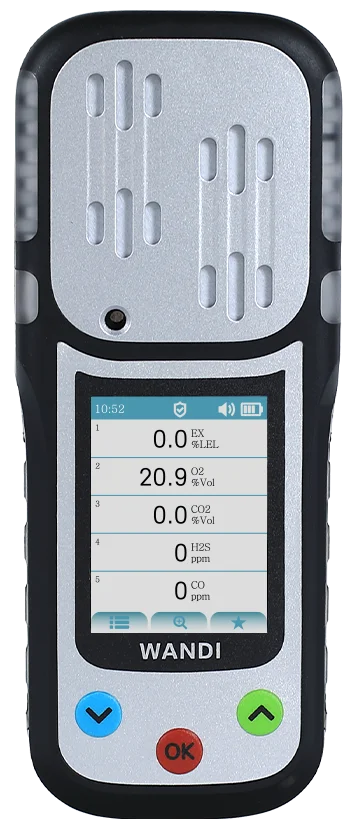
Hydrogen fluoride (HF) caused the 2012 Gumi disaster — and its insidious delayed skin pain means workers often don't realize they've been exposed until it's too late. WANDI EDW500, IECEx explosion-proof certified and capable of 5-gas simultaneous detection, provides the early warning that saves live...
- 246
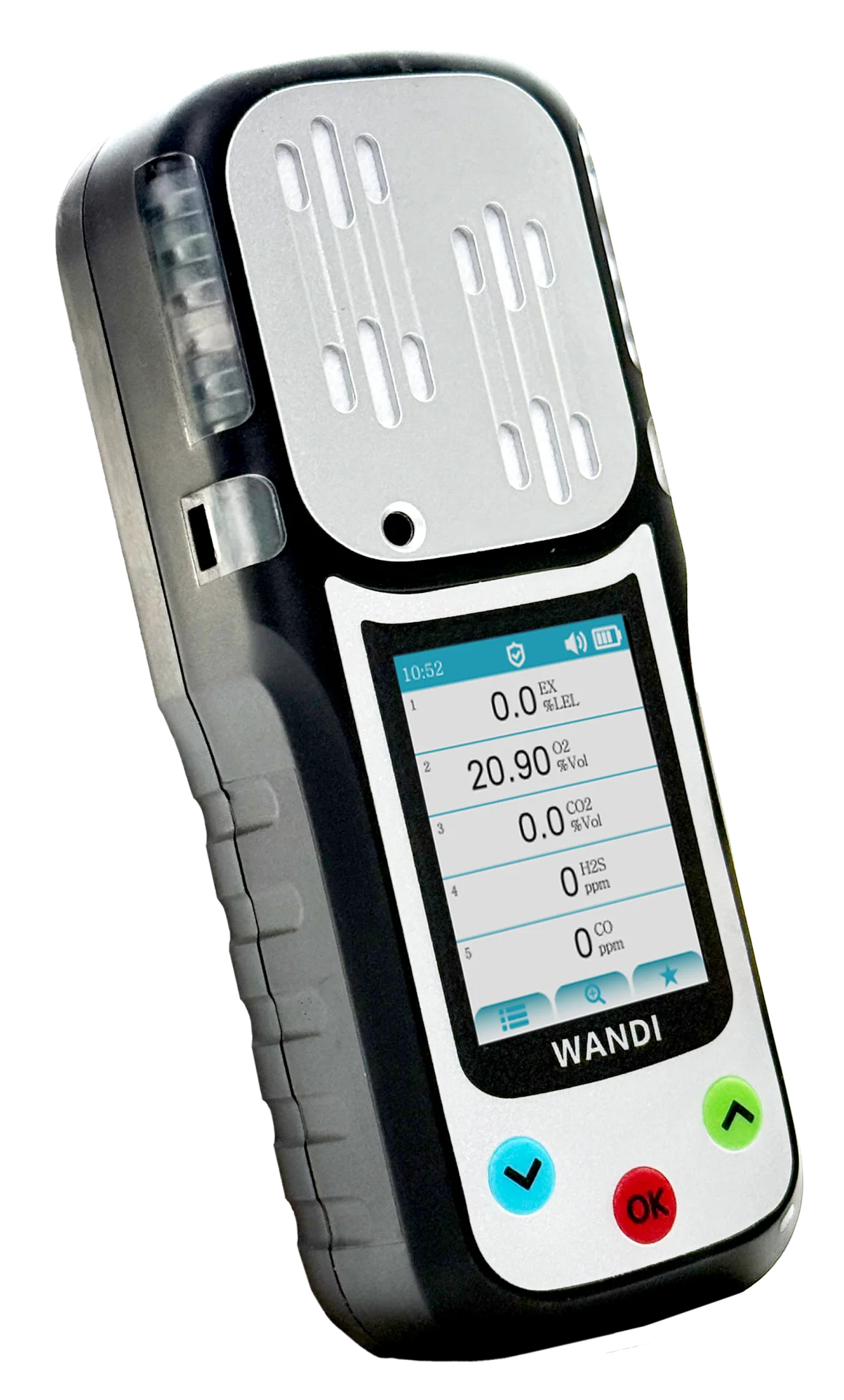
Ethylene oxide (ETO) is essential for hospital sterilization but is an extremely toxic, carcinogenic gas dangerous even below 1 ppm. The WANDI EDW500, IECEx-certified for explosive atmospheres, simultaneously measures up to 5 gases including ETO, delivering instant alarms to protect workers.
- 181
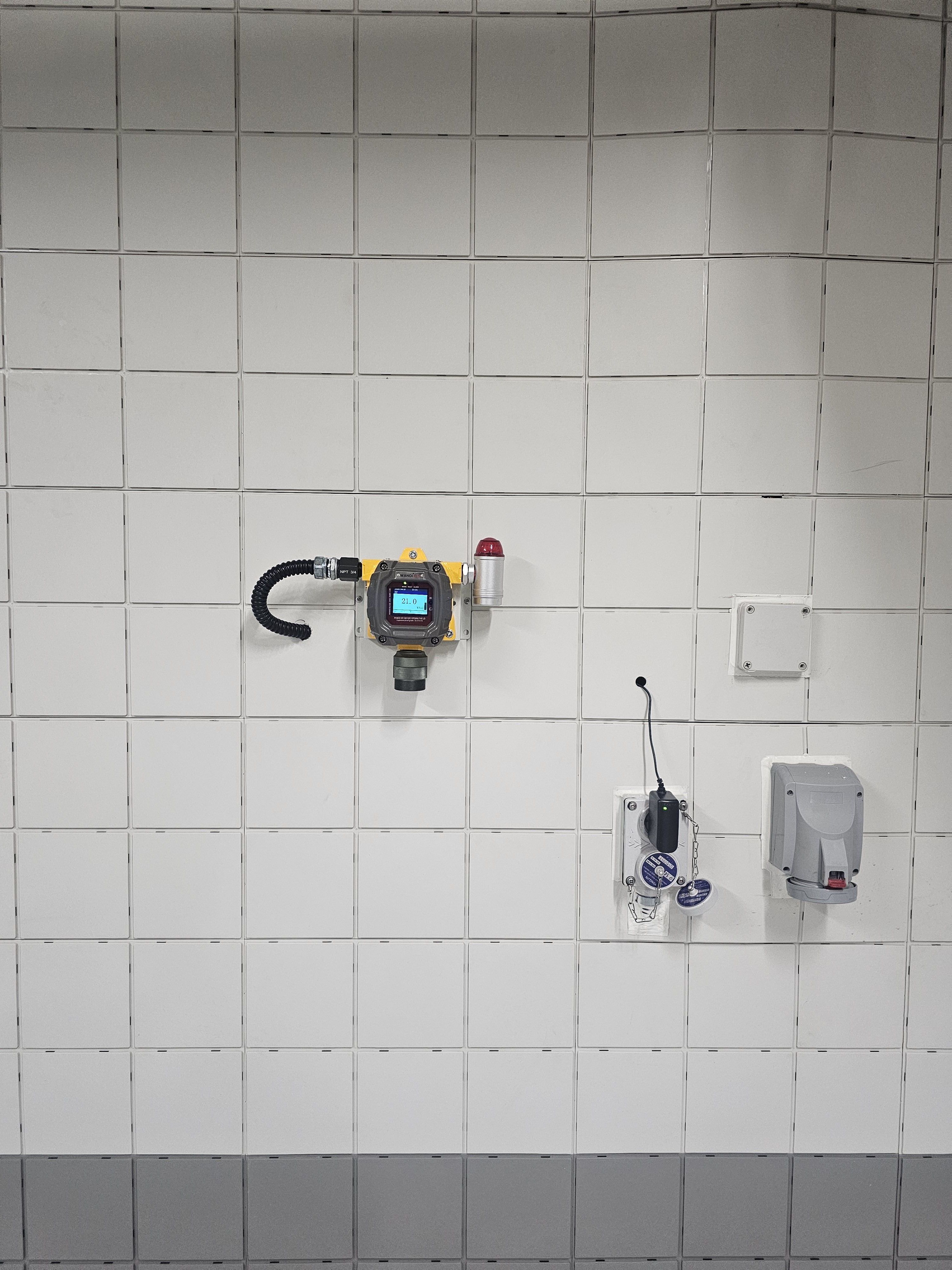
Wastewater treatment plants are where confined-space asphyxiation accidents happen most. Organic decomposition continuously produces hydrogen sulfide (H₂S), methane (CH₄), carbon dioxide (CO₂), oxygen deficiency (O₂) and ammonia (NH₃). This guide covers how each of the five key gases forms, their ef...
- 269
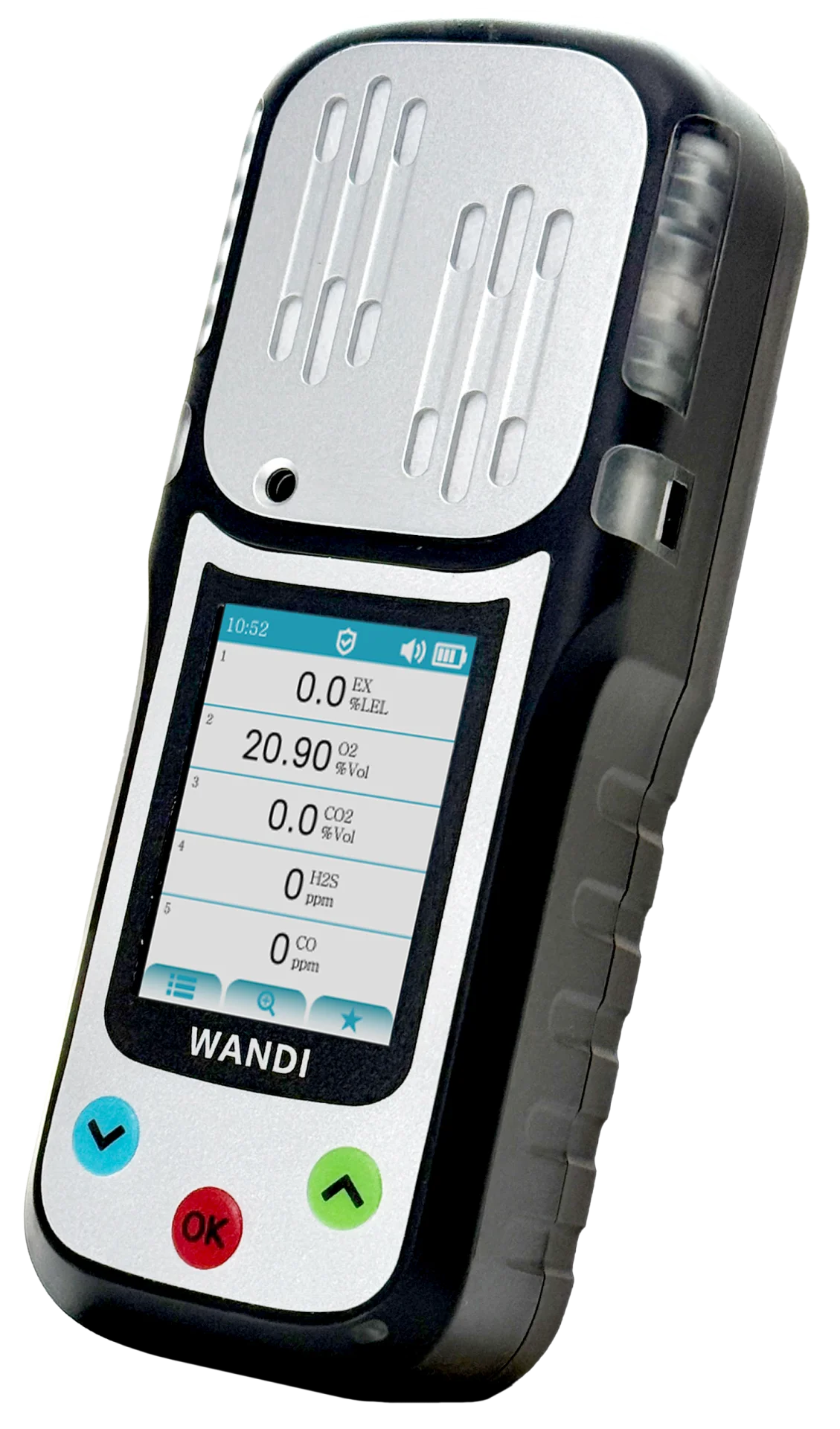
Nitric oxide (NO) is a toxic gas generated in tunnels, power plants, and nitric acid facilities, impairing blood oxygen transport. The WANDI EDW500 is an IECEx-certified 5-gas portable detector providing immediate protection against NO exposure.
- 271